Rights of EU spy targets ‘not negotiable’
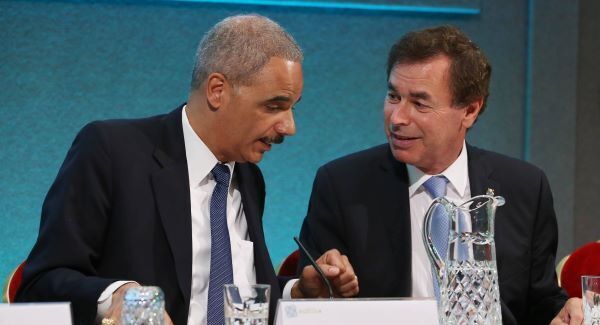
Alan Shatter, the justice minister, joined European Commission vice president Viviane Reding in explaining to US attorney general Eric Holder that people in Europe were concerned at the spectre of an American “Big Brother”.
A high-level meeting in Dublin yesterday, under the auspices of the EU presidency, follows on from reports of a massive surveillance operation, codenamed Prism, by the US National Security Agency targeting online communications of non-US citizens.
Documents released by whistleblower Edward Snowden — now a fugitive from US authorities — claimed the NSA had direct access to the servers of top internet companies and had the power to tap into anyone’s emails at any time.
“For us Europeans it is very essential, even with national security it cannot be at the expense of fundamental rights of EU citizens,” said Mr Reding at a press conference.
“I made it clear, the basic rights of citizens are not negotiable.”
Speaking after the meeting alongside Mr Holder and Mr Shatter, the vice president added: “European citizens fear there was some kind of ‘Big Brother’ intrusion into their privacy.”
She said European law states clearly that even in the area of national security the rights of privacy of citizens are respected and that judicial redress should be available.
Mr Shatter said he told Mr Holder he recognised the importance of ensuring EU and US citizens were protected from terrorism.
However, he added: “It is also important to EU citizens that their rights to privacy are protected, that they know they can use modern technology, such as web and email, without feeling that ‘Big Brother’ is watching them.”
Mr Holder said Prism was concerned with the targeted acquisition of foreign intelligence information concerning foreign targets located outside the US under court oversight.
He said targets had to be based on appropriate and documented foreign intelligence purpose, such as the prevention of terrorism, cybercrime, and nuclear proliferation.
Ms Reding said she had received answers and assurances on a number of issues, but said there were some remaining mattes — including how EU citizens can avail of judicial redress.
She said Mr Holder had proposed an expert group of intelligence and privacy experts to discuss the issues.