Operator of 999 system defends handling of calls from the Tit Bonhomme
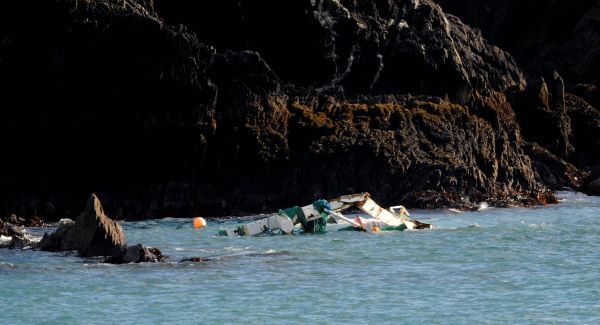
The company which operates the 999 emergency calls system has defended its staff for the way in which they handled two desperate 999 calls made from a mobile phone on the stricken Tit Bonhomme after it struck Adam’s Island.

Operator of 999 system defends handling of calls from the Tit Bonhomme

It comes after an inquest into the tragedy delivered verdicts of accidental death in the cases of the five fishermen who died when the trawler was grounded on Adam’s Island in Glandore Harbour on Jan 15, 2012.

The inquest heard that two emergency calls made from the mobile phone of 21-year-old Kevin Kershaw — a Dubliner then living in Clonakilty and who was on his first fishing trip in a bid to gain experience before beginning a course in Co Donegal.

The first 999 call, made at 5.46.05am and lasting 2.10mins, was received by an operator in Ballyshannon, Co Donegal — one of three call centres operated by BT Ireland, who use some staff from sub-contractor, Conduit.

Union Hall is mentioned three times and Tit Bonhomme once before an attempt to put the call from the Tit Bonhomme through to Bandon Garda Station fails. The operator got through but the simultaneous transfer of the Tit Bonhomme call failed.

The garda who received the call, John O’Neill, told the inquest that he had no information from the operator that he could act upon.

The second 999 call, also made from Kevin Kershaw’s phone, was at 5.48.37am and was answered by the Dublin centre. While the conversation is equally chaotic, the call is transferred to Valentia Coast Guard who then launched the emergency response.

As the jury at the inquest was being released to consider its verdict, the barrister for the Hayes family, Elizabeth O’Connell, suggested that jurors consider adding a proviso to any verdict regarding the 999 calls: “Could we be looking at something that might help the next person?

“If the second call had not been made I think the survivor would have been in serious trouble.”

She said the issue might be explored regarding some future scenario where crew on a stricken vessel might not have the opportunity to make a second call.

BT Ireland was awarded the contract to operate the emergency call answering service in May 2009 on a five-year contract.

It required upfront investment of approximately €11m and resulted in the splitting of the ECAS (emergency call) offices to three locations: Ballyshannon, Co Donegal, Navan, Co Meath and East Point Business Park in Dublin.

Speaking to the Irish Examiner yesterday, an ECAS spokesman said: “We are satisfied that the operators followed the procedures as agreed with the various stakeholders which includes the Emergency Services, in what were very difficult circumstances.”

The company stressed that the role of the ECAS operator is to answer the 999/112 call and pass it to the requested emergency service, using defined procedures agreed with all of the emergency services and agencies.

Under that protocol the operator will give the caller four options to determine the appropriate emergency service to hand off the call to — fire, ambulance, Garda Síochána, and coastguard.

It is understood both operators who received the 999 calls from the Tit Bonhomme are still working in the ECAS system.

7,000 emergency calls made every day

999 or 112 calls made here in Ireland are diverted to one of three ECAS (emergency call answering service) centres around the country — Ballyshannon in Co Donegal, Navan in Co Meath and East Point Business Park in Dublin.

BT Ireland operates the service using some staff from sub-contractor Conduit, and has done so since 2010 when its system went live. BT Ireland secured the five-year contract for the service in 2009.

The contract was awarded by the Department of Communications, Energy and Natural Resource.

BT has operated the Emergency Call Answering Service in Northern Ireland and Great Britain for more than 75 years and said it employs 800 people in Ireland.

It is understood the ECAS system deals with some 2.8m calls per year or around 7,000 a day — although until relatively recently around five million 999 calls were being made a year in Ireland.

Defined procedures have been agreed with all of the emergency services and agencies and BT Ireland said the role of the ECAS operator is to answer the 999/112 call and pass the call to the requested emergency service.

The operator will give the caller four options to determine the appropriate emergency service to hand off the call to — fire, ambulance, Garda Síochána, coastguard.

The company said a counselling facility is available to employees who operate the Emergency Call Answering Service.

Calling emergency numbers is free but a cost is borne by the phone provider in each case. Figures as to the value of the contract were unavailable yesterday but it is based on the volume of calls dealt with.

More in this section

Lunchtime News

Newsletter

Keep up with stories of the day with our lunchtime news wrap and important breaking news alerts.

Cookie Policy Privacy Policy Brand Safety FAQ Help Contact Us Terms and Conditions

© Examiner Echo Group Limited