‘Junior Cert overhaul will fail without resources’
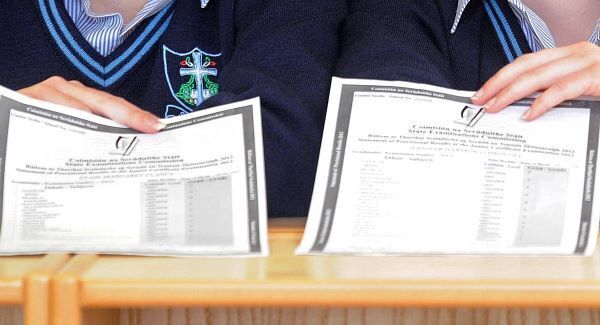
Their representative body says pupils will be the ones left most disappointed by the outcome of the reforms unveiled by Ruairi Quinn, the education minister, last autumn, if resources are not given to schools to implement them.
The planned changes include the elimination of state-certified exams, with schools to assess and issue awards to their own students.
Instead of up to 12 subjects taken by some students forthe Junior Certificate, teenagers will be able to complete studies in just six subjects combined with assessments in four short courses. These short courses can be devised by schools themselves but are the subject of some of the biggest concerns.
The Joint Managerial Body (JMB) said the courses require planning for development, additional technology resources, as well as proper administrative support to be successful.
“The junior cycle reform programme provides exciting challenges for schools in terms of developing relevant school- based short courses and creative approaches to teaching and learning,” said JMB general secretary Ferdia Kelly.
However, school-leaders in the organisation’s 380 member schools, Mr Kelly said, would not be able to actively engage in the curriculum developments unless issues around time and resources are addressed.
Mr Quinn told the JMB conference in Killarney that previous efforts to reform junior cycle had been blocked because of the impact it would have had on the examination process.
This was why he had decided there is no longer a need for a high-stakes exam at the end of third year. However, he said, the first group of students to undertake the new curriculum will not begin second-level until next year.
They will only be assessed under the new system in English in 2017, with changes in other subjects following on a staggered basis. While there is agreement on the shape and goals of the new curriculum, he said details of the assessments and other aspects have yet to be finalised.
“There has to be full and comprehensive consultation with everybody involved, and a realisation that there is no such thing as a quick fix. So having taken that decision of getting rid of the state exam, there’s no rush to implementation.”
However, he could not give an assurance that schools would be allowed appoint a co-ordinator to oversee the reforms in the same manner, for example, as teachers who manage transition-year programmes.

CONNECT WITH US TODAY



Be the first to know the latest news and updates