Abuse not just personal problem
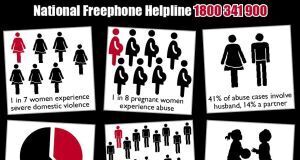
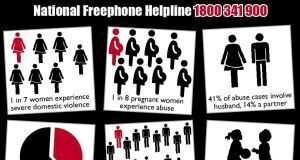
Click to open full-size version
“We’ll say maybe that is the case but does he do this to the bank manager or the dentist?” It’s a rhetorical question as the answer is invariably no. “The temptation for all of us as humans is to keep trying to explain it. If I did this differently it might help. If he stopped drinking, things might change. It takes a long time to say, no matter what I do, it’s not going to change. That’s a key moment in a woman’s recovery. It’s a moment when they begin to move on.”
Kennedy, a counselling psychologist and former refuge manage, is co-founder of the Women’s Therapy Centre, a not-for-profit counselling service with specialist experience in domestic violence.
Based in Dublin, it was established with start-up funds from the Mercy Order in 2008, just in time for the economic collapse so it has become a slog to keep it running.
“It’s not to say that the statutory agencies are not very pleasant and appreciative but they simply say the money is not there.”
The centre only recently reopened its waiting list after 10 months, such is the demand for its stretched services. Its fees vary depending on ability — or inability — to pay and about 70% of the clients have suffered domestic violence.
“When I worked in the crisis services we were always looking for somewhere to refer women to, a therapeutic centre that might have a particular understanding of the dynamics of domestic abuse.
“When somebody is actually going through the crisis services, counselling would not necessarily be the right thing for them.
“A lot of support work then would be trying to deal with the crisis, trying to keep them safe and working with them around issues of going to court, housing, all the practical things and it’s not the best time for somebody to unpick the trauma when they are trying to survive it on a day-to-day basis. Counselling and psychotherapy would come in at a later stage — usually a few years beyond the abusive relationship and sometimes many years.”
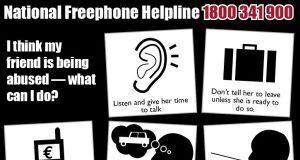
Click to open full-size version
You might expect anger towards their ex-partner be one of the issues women grapple with but Kennedy says that’s rarely the case.
“There is a lot of guilt and grief and shame. Where somebody has stayed in an abusive relationship, even where they felt it was the right thing to do for the children, they’ll question themselves afterwards.
“How could I get into this? How could I have chosen this person who caused such pain and caused such difficulty for the children?
“There is also a deep sense of loss of what could have been, a sense of loss of the ideal family, the hope that it was going to be the couple retiring together and enjoying grandchildren together. The dream has been shattered.
“A lot of the anger appears to be turned inwards into blaming yourself. The tactics of the perpetrator in the first place is to ensure that the victim blames themselves rather than the perpetrator and it succeeds.”
Fortunately, counselling can also succeed in helping a woman overcome her past. Sometimes, a woman’s decision to seek counselling is prompted by the prospect of a new relationship and the associated desire to learn to trust again.
“I’m not sure that the thoughts and feelings associated with the abuse go completely but they become more manageable and they fade. You can learn tools to manage them so even though they’re still there, you’re not being ambushed by them.
“There is certainly hope and the possibility of joy and future relationships even after quite terrible experiences.”
CONNECT WITH US TODAY



Be the first to know the latest news and updates