Midwife feared she was witnessing ‘septic abortion’
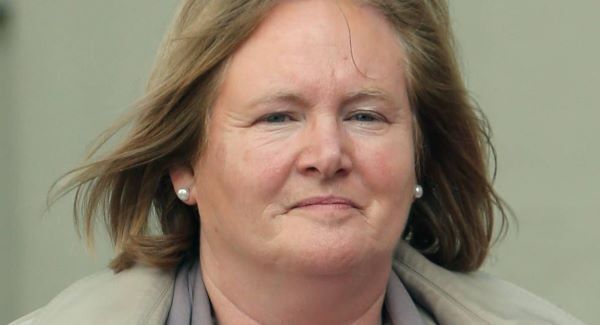
Nurse Patricia Gilligan made the diagnosis minutes before obstetrician Dr Katherine Astbury carried out her morning round, she told the inquest.
“I was very concerned about it; I thought she was a septic abortion,” she told Galway coroner’s court.
She agreed that Ms Halappanavar’s vitals had made her “alarm bells ring,” but she did not see the consultant about them as the observations were recorded on Ms Halappanavar’s chart. “The doctor would have her chart,” said Ms Gilligan.
“The doctor would be seeing what I was seeing. She had the same obs I was seeing and she saw the same patient in the bed that I saw.”
The midwife described a “septic abortion” as a patient so overwhelmed with sepsis her foetus is not going to survive and would abort.
Ms Halappanavar’s pulse and temperature were high and she had earlier been found shivering and vomiting in bed, with an on-call doctor ordering medication for suspected sepsis.
Ms Gilligan said she was so concerned when she started her shift on the morning of Wednesday, Oct 24, she moved Ms Halappanavar closer to the nurses’ station and appointed two staff members to her care.
“It wouldn’t be my normal miscarriage on a ward,” added the midwife of 31 years.
“They wouldn’t normally have a temperature of 39.6.”
Dr Astbury was called again at about 1pm as Ms Halappanavar’s blood pressure fell. She was taken to theatre where she delivered a dead foetus.
Intensive care consultant Paul Naughton revealed he did not think death was inevitable when he began caring for Ms Halappanavar on Friday morning, even though her organs were failing from septic shock.
“Given her age and medical condition I was still hopeful we would turn a corner,” he said.
He described how the 31- year-old deteriorated over the next two days, despite ventilation, dialysis and antibiotics for E.coli. “Mrs Halappanavar’s blood count subsequently did show there was no bacteria growth,” he said. “But at that stage the sepsis had set off a cascade of events leading to an inflammatory reaction that just doesn’t stop because you are getting the right bacteria.
“The inflammatory process was set in stage and it continued after the bacteria killed.”
He agreed with the coroner that the reversal of septic shock is very difficult.
“And in this case impossible... despite all of the best of treatment available to you at the time?” coroner Dr Ciaran MacLoughlin asked.
“Yes,” the consultant added.
A doctor earlier apologised if it appeared insensitive when he asked Praveen Halappanavar if his wife could take part in a clinical trial while fighting for her life in intensive care.
Michael Scully, consultant anaesthetist, said: “I apologise if I caused any distress to him as regards our conversation.”
Mr Halappanavar’s barrister described the event as an unfortunate misunderstanding.
“Please put it behind you,” said Eugene Gleeson, senior counsel. “He accepts your apology.”