Investigation the basis for claims for compensation
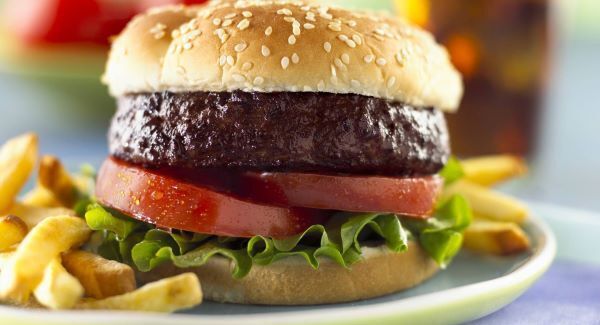
The Department of Agriculture is building an investigation with the help of gardaí into the origin of horsemeat in Irish burgers with the anticipation of future legal and compensation cases.

Investigation the basis for claims for compensation

It has emerged that two Polish companies are suspected of supplying horsemeat to Irish companies, with evidence suggesting the product was produced, paid for and delivered from Poland.

Agriculture Minister Simon Coveney said Polish authorities have been asked to come here and co-operate with the probe to establish how horsemeat was introduced into the Irish beef industry.

He criticised “bad management practices” at Silvercrest Foods, Co Monaghan, an Irish company found to have traces of equine DNA in burgers, which he said had resulted in a breach of trust with its customers.

His comments came after it emerged this week that a second Irish company, Rangeland Foods in Co Monaghan, has ceased production after a sample at the factory tested positive with a reading of 75% equine DNA in raw ingredient.

It supplies burgers to Supermac’s, but the fast food chain says all of its burgers are 100 % Irish.

Speaking to the Oireachtas Committee on Agriculture, Mr Coveney yesterday said the investigation involving the Garda Fraud Squad and National Bureau of Criminal Investigation, was looking at the supply, paper trail and transportation used to deliver meat products here.

Investigators are also checking for any interference with deliveries from Poland to Irish plants.

Inquiries are also being made of a meat trader who sources from Poland, has supplied Silvercrest Foods and Rangeland Foods, and whose company files and computer disks were removed by investigators on Friday.

Mr Coveney said that DNA testing of meat products in Irish companies would be systematic in future. The testing for horsemeat DNA had only begun late last year, food safety chiefs admitted.

Food Safety Authority of Ireland chief executive Alan Reilly said that “someone had mixed in horsemeat at a very high level”. Mr Coveney agreed with him, saying this was worrying.

Mr Coveney agreed that the 75% of equine DNA filler found at Rangeland Foods was “for all intents purposes pure horsemeat”.

He praised in general the quality of Polish food, but said the current evidence was that the ingredients with horsemeat were labelled as coming from Poland, as did the paperwork.

Polish veterinaries and authorities were invited to visit here and help the probe, Mr Coveney told TDs, adding that he had spoken to his ministerial counterpart there on the matter.

The committee was told little damage was done to the €2b beef industry, with limited effects on the €200m frozen burger market here and in Britain.

However, Mr Coveney pledged that any fraudulent or criminal activity would be exposed.

He said that there would likely be legal as well as compensation cases in the future. Sensitive talks were also underway to save jobs at Irish plants involved, he added.

Fianna Fáil questioned the amount of time it was taking to investigate the source of horsemeat. Agriculture spokesman Eamon Ó Cuiv called for an independent inquiry.

More in this section

Lunchtime News

Newsletter

Keep up with stories of the day with our lunchtime news wrap and important breaking news alerts.

Cookie Policy Privacy Policy Brand Safety FAQ Help Contact Us Terms and Conditions

© Examiner Echo Group Limited