Radical reform needed of services for troubled teens
Since it opened in 1996, Gleann Alainn, on the grounds of St Stephen’s psychiatric hospital in Glanmire, has, on and off, been in the headlines for all the wrong reasons.
Usually, the stories involve girls “breaking out” of the supposedly secure unit. Once, four girls stole a car and drove to Galway. Other times, the stories are about damage to the property caused by the girls.
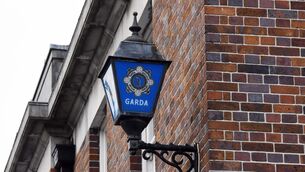
Gardaí have spent countless hours picking up the slack when child protection fails. They have expressed frustration at the enduring problem.
Never before though have the difficulties at Gleann Alainn been as bad as in recent months. Or, perhaps, never before have they been made so public.
In October, after being notified that two girls had absconded from the unit — again — the Health Information and Quality Authority sent inspectors. Their damning report, published this week, is a sorry indictment of a systems failure.
It levelled the most serious charges against staff and management, saying the unit was “in a state of crisis” and that the young girls were, at times, running the place.
Gleann Alainn is a centre where some of the most damaged young people are sent for rehabilitation, and where children are detained under High Court orders to secure their safety and welfare. These young people are coming from lives of chaos and the failing system is extending this chaos. However, it must be recognised that they are damaged and can be aggressive and violent.
Reports from all three of the country’s special care centres — Ballydowd, Gleann Alainn and Coovagh House — have long told the same story: Staff are constantly signed off sick due to the stress of the job and sometimes because of injuries inflicted by the people in their care. Agency staff end up picking up the slack and this contributes to the inconsistent and unstable environment for the children.
Yesterday, Gordon Jeyes, the HSE’s national director of children and family services, said the practice of using agency staff was going to end. He said the HSE had been aware of issues in the unit, that new management is being put in place and there would be improvements by January.
Let’s hope he is right because it is not good enough that some of the most troubled young people in the country are being warehoused in a unit lurching from one crisis to the next.
If things at Gleann Alainn don’t improve, questions need to be asked on whether this model of “care” can remain.
Earlier this year, the Irish Examiner reported that 15 troubled young people had been placed in special care facilities and private foster care outside the country. Some lamented that we were “exporting” our children but, in reality, our system obviously can’t cope with some of these young people so they are better off being sent to get the rehabilitation they need.
One specialist therapeutic centre where at least two young Irish people have been sent in recent years is on a Baltic Sea island. A placement at Hassela Gotland costs about €140,000 annually as opposed to a placement in a HSE special care unit, which costs upwards of €200,000 annually.
At the Swedish facility, troubled young people learn to care for dogs, bake cakes, and get frequent hugs from their social worker “family”. Located on farmland and having operated for 30 years, the centre is open and works with the community. Practical skills such as carpentry, textiles, IT, technology, theatre, mechanics are taught. Each young person is allotted a youth worker who is on call 24/7.
Compared to our abnormal system of enclosure and segregation, Hassela sounds like a care model that builds trust, fosters personality, encourages hard work and which could really make a difference in a young person’s life.
Ireland’s special care system is undergoing a process of reform, but still we hear about massive and unforgivable failures.
If this continues, the system has to be radically overhauled. A serious look at this Swedish example would be a good starting point for a new approach.

CONNECT WITH US TODAY



Be the first to know the latest news and updates