Tribunal legal team given ‘cloak of protection’
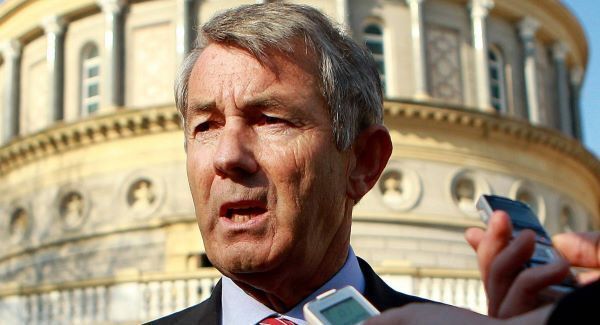
The charge was made by former cabinet minister Michael Lowry ahead of his cross-examination of the payments-to-politicians probe’s final and crucial witness, top Danish consultant Professor Michael Andersen.
The tribunal has been seeking for possible links between Mr Lowry and telecoms tycoon Denis O’Brien, who headed the consortium that was handed Ireland’s second mobile phone licence in 1995.
At the time of the award, Mr Lowry was minister for communications. Both he and Mr O’Brien deny any connection over the issue.
Mr Lowry said tribunal chairman Mr Justice Michael Moriarty’s ruling this week that his lawyers could not be questioned about Mr Andersen’s allegations of bias against them was “undemocratic and makes a mockery of tribunal law.”
Stressing that he was not represented by lawyers, Mr Lowry said the ruling had provided the tribunal counsel with the cloak of protection, adding “I am effectively the accused here and it is unfair to me.”
But he told Professor Andersen “The tide has turned because of your evidence, and I want to thank you for that.”
The professor highlighted the bias claim while being interrogated over a five-day period by former justice minister and attorney general Michael McDowell, controversially called in by the tribunal, specifically to quiz the Danish expert.
Mr Andersen also maintained that the decision to give the phones permit to Mr O’Brien’s Esat Digifone group had been justified and declared that there had never been any question of any ministerial or other form of interference.
Responding to Mr Lowry, the professor said he had never seen any evidence of an involvement in the licence application by the ex-minister and there had been no contact between them.
As far as he was concerned, Mr Lowry had played no part in the decision-making process.
The tribunal hearings are due to end today, with Professor Andersen, the last of the tribunal’s several hundred witnesses over a period of more than 13 years, scheduled to fly home to Copenhagen after close-on two weeks of evidence.
For the eight years after the start of the licence probe, he refused to appear at the tribunal without securing immunity on the issue of costs, including any incurred by possible subsequent legal actions.
Mr O’Brien paved the way for Mr Andersen to enter the witness box by guaranteeing that immunity earlier this year.
The professor confirmed last night he would not be available again until the second half of next year if required for further evidence.
The deadline prompted Mr Justice Moriarty, anxious to maintain the schedule of the investigation, to introduce time limits for the questioning of Mr Andersen – one of the factors being currently being challenged by Mr O’Brien in a new High Court bid for a Judicial Review.
Mr O’Brien wants the High Court to ensure his legal team has what he calls “the constitutional right to effective cross examination of such a critical witness.”