Social partners get back into talks
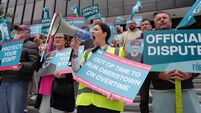
A day after the Irish Congress of Trade Unions (ICTU) called off Monday’s planned 24-hour national strike, union leaders met with the Department of the Taoiseach to discuss the framework of how the new recovery plan will be agreed. The Government will today meet employer representatives, with the full talks of all the social partners expected to begin within the next 48-72 hours.
Unions, employers and Government have not formally met at Government Buildings since the start of February when talks on a new economic recovery pact collapsed. ICTU wants the new dialogue to be based around its 10-point plan for social solidarity, which is very similar to its previous proposals which formed the basis of last month’s aborted process.
This time, however, the unions have indicated they are willing to consider a rethink of the transitional wage deal agreed last September which called for 6% pay increases across the private and public sectors.
One of the biggest objectors to that agreement was the Construction Industry Federation (CIF). Its confirmation it was recommending its members refuse to pay the increases saw it excluded from the next round of talks. However, the CIF is expected be invited back into the pay talks today.
The CIF had been looking to get “back around the table” over the past few days having failed to receive an invite from the Taoiseach.
Director general of the CIF Tom Parlon said yesterday he had been calling and texting the Taoiseach to tell him the federation must be represented at the talks.
“I have been trying to get in touch with the Taoiseach to ask him why we are not there, but I have heard nothing back, but I’ll keep trying,” he said yesterday.
His persistence seems to have paid off, with CIF confirming last night it would attend the meeting with Government along with the other employers.
Last November the CIF not only unanimously rejected the national wage agreement, but also called on their workers to accept a 10% pay cut. Mr Parlon said at the time that the draft pay deal, which would require its members to give their staff 6% pay increases over 21 months, ignored the reality of where the Irish economy and the construction industry are today.
Figures released yesterday showed the construction industry suffered a 24% fall in output in the last three months of 2008, the biggest fall on record.
CONNECT WITH US TODAY



Be the first to know the latest news and updates