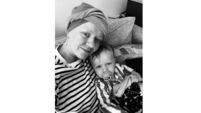
Boy gets €4.5m from hospital for birth injury
The settlement in the case of Paul Fitzpatrick was made without admission of liability by the hospital which had denied negligence.
But because the High Court had last March found the hospital was liable for Paul’s injuries — a decision which the hospital has appealed to the Supreme Court — the Supreme Court will be asked next week to set aside the High Court finding on consent.
The case, which had been before the courts for some 59 days, was brought by Paul, suing through his mother Michelle Fitzpatrick, St Catherine’s Close, Carman Hall, Dublin, against the NMH, Holles Street, Dublin for injuries allegedly sustained in the management of his birth on December 26, 2001.
The case was the longest-running birth injury case here and Mr Justice Herbert had found the hospital was liable for the injuries sustained by Paul. In his 109-page judgment, he found Paul would not be severely mentally and physically disabled except for the “substandard and negligent” management of his birth.
He found Paul should have been delivered some half an hour earlier than he was and, if that had occurred, he would not have sustained irreversible brain injury leaving him totally dependent for life.
The case was due before Mr Justice Herbert again yesterday for assessment of damages to be paid in the event of the hospital losing its appeal. The assessment hearing was expected to last several weeks as there were issues between the sides on several matters, including Paul’s life expectancy.
However, after discussions between the parties, Mr Justice John Quirke was told by Paul’s legal team of Aongus O’Brolchain, SC, Bruce Antoniotti, SC and counsel Paul O’Neill that the matter had been settled for €4.5m, plus costs, without an admission of liability.
Counsel said there would be an application to the Supreme Court next week to have Mr Justice Herbert’s judgment set aside.
Although there was a finding of liability against the hospital and the parties differed on the amount of damages that should be paid, with his side assessing them at €6.9m and the hospital offering €2.5m, his clients were satisfied to accept the settlement, Mr O’Brolchain said.
Outlining his side’s reasons for accepting the settlement, counsel said it could be a further two and a half years before the Supreme Court would determine the appeal and while his side were confident the hospital would not win the appeal, it was possible the case could be referred back to the High Court for a re-hearing.
The Fitzpatricks were meanwhile living in an apartment and wanted to move to a house which would be fitted out to cater for Paul’s needs, and provide the aids, appliances and therapies he will require for the rest of his life, Mr O’Brolchain said.
Michelle Fitzpatrick told Mr Justice Quirke that, while there would be no admission of liability, she and her family “would like to move on”.
Mr Justice Quirke said he would approve the settlement, which he noted allows the hospital’s Supreme Court appeal to stand even though that “might not reflect the real position”, because he was informed it was in the best interest of Paul. The judge also paid tribute to the care provided to Paul by his mother and the rest of the child’s family.
Outside court, Ms Fitzpatrick thanked her legal team, especially their solicitor Michael Boylan. She said the family looked forward to leaving the apartment and getting a house with a garden and swing for Paul.
While the settlement was made without an admission of liability, the fact the hospital had settled for €4.5m “speaks for itself”, she said.
The Fitzpatricks had claimed that the hospital was negligent it failed to act upon the deterioration of the boy’s foetal heart trace at 6.30am on the morning of the delivery and failed to stop the use of the delivery accelerant drug oxytocin. They also claimed failure to carry out a second blood sample to check the baby’s condition and failure to perform a Caesarean section.
Paul was born at 8.03am and transferred to the neo-natal intensive care unit. A MRI scan showed abnormalities and it was claimed the alleged negligence has left him significantly mentally and physically disabled.
The NHM had denied the claims.
CONNECT WITH US TODAY



Be the first to know the latest news and updates