How can I make my car as fuel-efficient as possible?
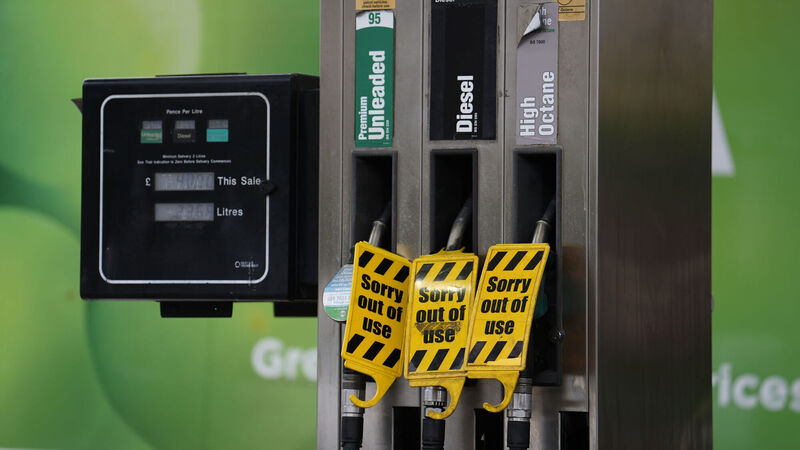
There are no signs of fuel prices dropping at this stage so it’s important to know how to get the best possible fuel economy from your car. Picture: Jordan Pettitt/PA Wire
The price of oil has rocketed past the €87–€91 per barrel mark, which has caused many motorists across the Ireland to fill up their vehicles more frequently in anticipation of pump prices following suit.
There are no signs of fuel prices dropping at this stage so it’s important to know how to get the best possible fuel economy from your car.
There are several ways you can improve your car’s economy by doing these simple tasks in order to make running a vehicle much more cost-effective.
We’ve compiled a list of all the things you can do to make your car as fuel-efficient as possible.
Read More
By giving your car a major service, this will ensure a clean bill of health to make all of the components run smoothly and efficiently.
An oil and filter change, new spark plugs, pollen filter and brake fluid can help prolong your vehicle’s life and make it run a lot cleaner thanks to the fresh parts fitted.
If you’re not confident in working on your own car, a reputable garage can carry out the work for you. A car that has been serviced properly will also be more reliable and less prone to breaking down.
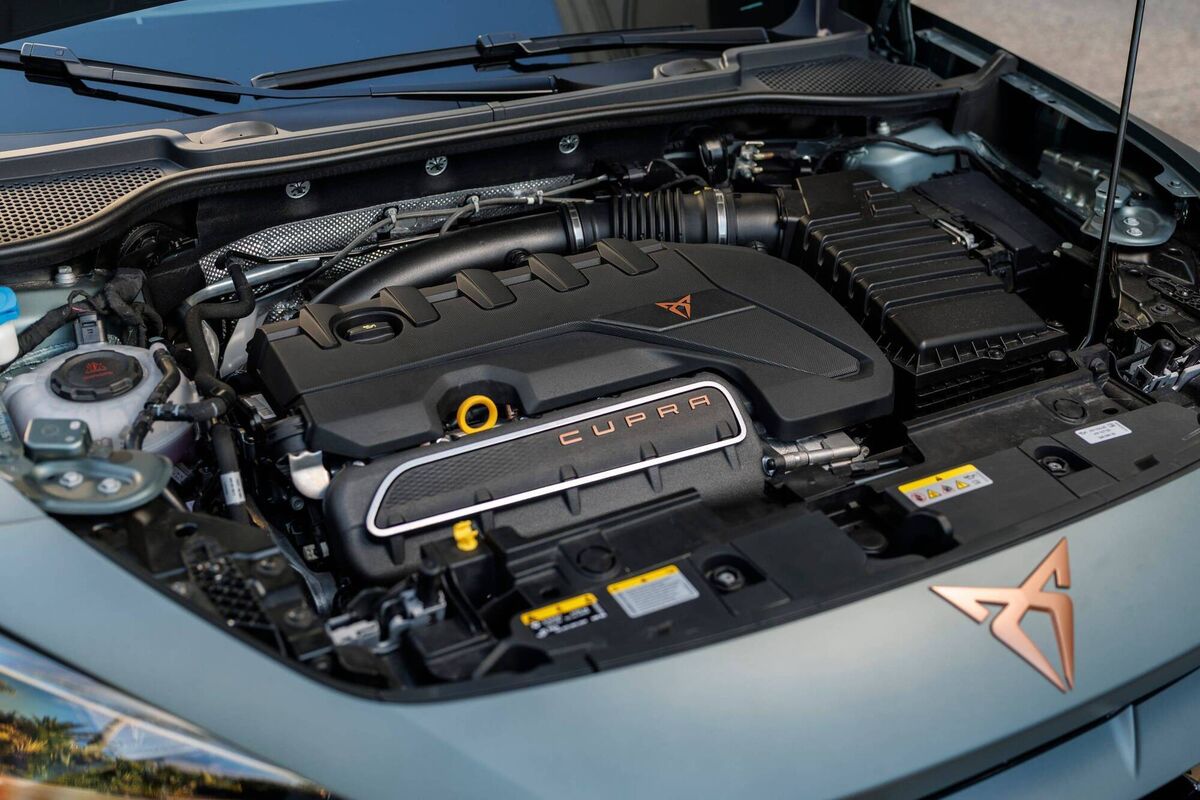
Using a car’s air conditioning can increase fuel consumption as it can put strain on the engine.
Only use the air conditioning in hot temperatures to make it more comfortable when behind the wheel. Some cars feature a ‘driver only’ setting on their air conditioning systems, which is less energy-absorbing and won’t impact fuel economy too much.
Make sure all of your tyres are pumped up to the correct PSI reading Always make sure that your tyres are inflated to the correct PSI reading as under-inflated tyres can impact a car’s economy and safety.
Driving a car with under-inflated tyres uses more fuel as the engine is having to work harder to get the car up to speed.
Car manufacturers usually fit tyre pressure labels in the vehicle’s owner’s manual, in the fuel filler door or in the front door shuts. Always inflate the tyres to the car’s correct PSI, with many petrol stations providing air machines, to make it easier for you to quickly top-up your tyres.
Driving with a car’s windows open can impact fuel economy as it creates more drag, meaning the engine has to work harder to get up to speed. It’s the same for having a sunroof open, as this also creates drag when driving.
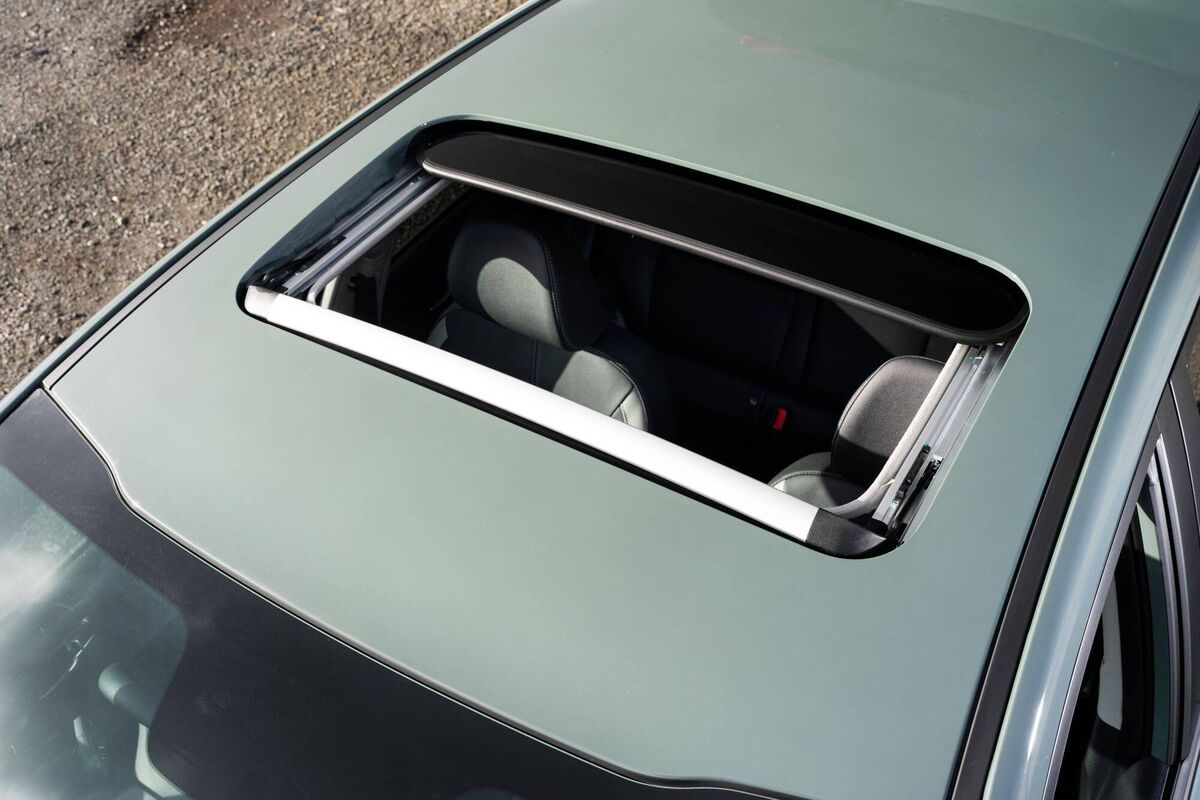
During the warmer weather, it’s better to not open your windows and use the car’s fan system to cool you down.
Use the start-stop function in traffic and don’t let the engine idle Lots of modern cars now come with a fuel-saving start-stop function which cuts the engine when a vehicle stops at a set of traffic lights.
Always use this function and don’t let the engine idle while you’re stationary as a running engine is constantly burning fuel and will have an impact on fuel economy and the environment.
Is there anything in your car that you don’t need to carry? If there is, remove it as the heavier your car, the more fuel it will consume.
Have a good clear out of the car’s boot area, glovebox and even places like in the door bins as all the extra weight adds up.
If you travel a lot and use a roof box with roofbars, it’s a good idea to remove them when they’re not in use as this will also result in more drag, making the car’s engine have to work harder.
If you don’t cover many miles, it might be worth not filling your vehicle completely up with fuel and using half a tank, as the less fuel in your car will make it lighter, and therefore, more fuel-efficient.