Citroën C5 Aircross review: Stylish SUV takes on rivals with comfort, space and mild hybrid power
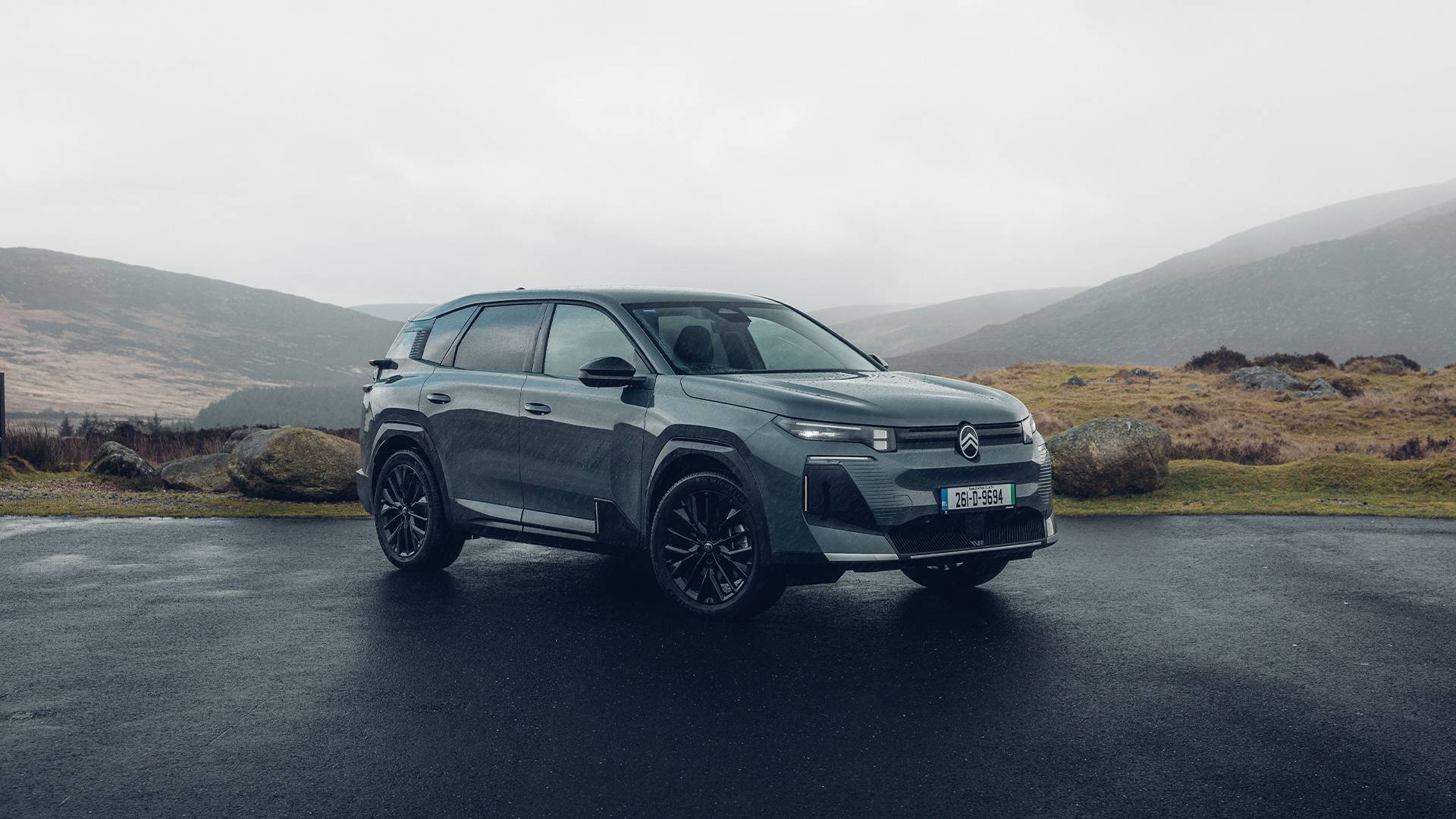
It would be somewhat rash to describe the C5 Aircross as a breakthrough for Citroen, but it has made a substantial leap forward and more than matches its many rivals.
|
CITROËN C5 AIRCROSS |
|
|---|---|
|
Rating |
★★★★☆ |
|
Price |
From €39,300 - €41,780 as tested |
|
Engine |
a 1.2 litre petrol with 143bhp |
|
The Spec |
Pretty loaded for the price |
|
Verdict |
An excellent addition to the Citroen range which should lure many new punters |
Not everything Citroën has ever made was particularly good, but one thing they always were on top of was style. Citroëns always had something of a ‘je ne sais quoi’ about them, but even some of their more daring designs were deeply flawed.
In fact, it was when Citroën tried to be normal and boring that it was at its worst; stuff like the ZX – which actually sold some 1.2 million units – was reviled for being one of the company’s less adventurous designs and was swamped by segment competitors such as the VW Golf and the dull-as-ditchwater latter day Ford Escort.
Their C3 Pluriel, a rag-top, was saddled with an overly complex roof mechanism prone to leaking and not working and sold accordingly; the Ami, made between 1961 and 1978, was dogged by polarising styling and particularly its reverse rake rear window, even if it sold moderately well; and then there was the C6, which was targeted at German executive brands between 2005 and 2012 and sold less than 25,000 units.
For all those disasters, there were redeeming features and such as the C6 were actually really good, but the market had none of the appetite it had for such as the DS, which was actually aimed at the same broad customer base.
But, if you were draw together all those disasters, you could reach the justifiable conclusion that they all still had a common characteristic – style.
Read More
Thankfully, even in its new era positioning within the Stellantis conglomerate, Citroën has lost little of its adventurousness and while it has to share platforms with many other brands within the company, it still makes cars that are visual standouts.
A good example is the new C5 Aircross which we test this week. Although sharing a platform with such as the Jeep Compass, the Opel Grandland and both the Peugeot 3008 and 5008, it is still quite a unique prospect, full of design quirks and priced to take the fight to the Chinese on value for money.
If the Chinese are looming over everything that gets done in our corner of the world – causing a tsunami of angst and fear among European car makers – the sensible thing to do, one might reasonably have thought, was take the fight to them. Citroën has done exactly that with the C5 Aircross.
In terms of EV motoring, the C5 Aircross is right on the money (we will be testing the electric in due course), but this week we’re in the MHEV version, which is probably just as well, because the PHEV has somewhat dubious credentials, although it will suit some.
The car has benefitted enormously from being based on the STLA Medium platform as it has allowed the designers to increase the wheelbase and make the Citroën one of larger SUVs in its segment. Also, a determined focus on the aerodynamics of the car has, contrary to what your eyes might tell you about the square-ish front end, increased slipperiness, improved its CO2 figures and helped enormously with fuel consumption.
On the engine front it uses the – by now – very familiar 1.2 three-cylinder turbocharged engine with mild hybrid technology. Now it will power things along on electricity alone, albeit not for very long and only under the lightest of throttle inputs, which probably makes it more of an urban contender than most.
Output has been stretched to 143 bhp, although the 11.2 second 0-100 km/h time suggests it is far from being the swiftest thing you’ve ever driven. That said, in real world motoring, it is perfectly acceptable for the cut-and-thrust of everyday motoring, be it in the city, out on country B-roads or for motorway work. It will also return a figure of 5.4 l/100 km (51 mpg) and that will entice many.
The engine is mated with a seven-speed auto gearbox and the system is quite refined here – moreso than the Opel Frontera we tried recently with the same drivetrain.
In terms of grip and handling, it is a car that takes a little getting used to because it is – typically Citroën in this regard – very softly sprung and therefore gives off a very different feel when driving it. It will handle crests and sudden compressions with distain, but it has a very vague steering feeling while doing so.
It is not a car that really likes being muscled along and the feedback from the steering is pensive, while understeer is its most obvious characteristic. Nevertheless, grip levels, when the car is suggesting to you otherwise, are good and there are no nasty surprises to be found here. Sometimes it tells you it doesn’t want to change direction with any rapidity, but it does get the job done.
The motor is quite willing and revs eagerly, but the gearshifts can be ponderous and careful throttle application is advised. Even so, it has plenty of oomph, even if the figures suggest otherwise.
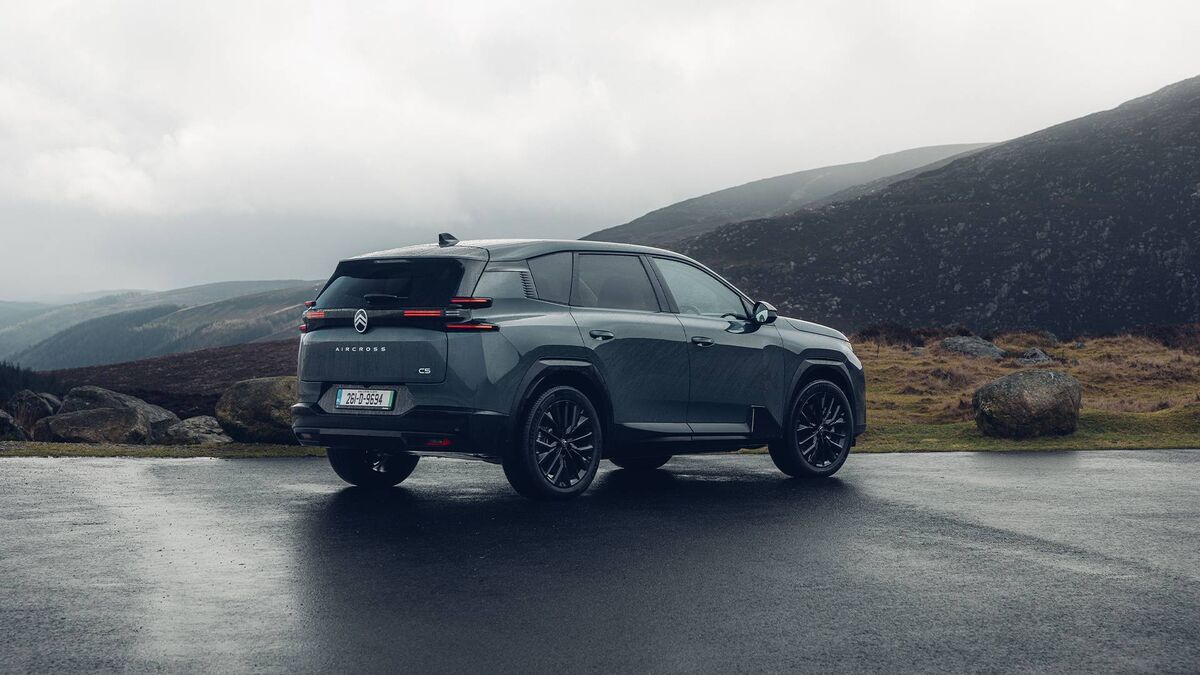
As we’ve alluded, the blocky front-end look is a little disarming, but neat touches such as the winglets on the rear light clusters are not only aerodynamic but aesthetically pleasing and very Citroën. The tester came equipped with matte black alloys and an Eclipse Blue overcoat, both of which looked fantastic.
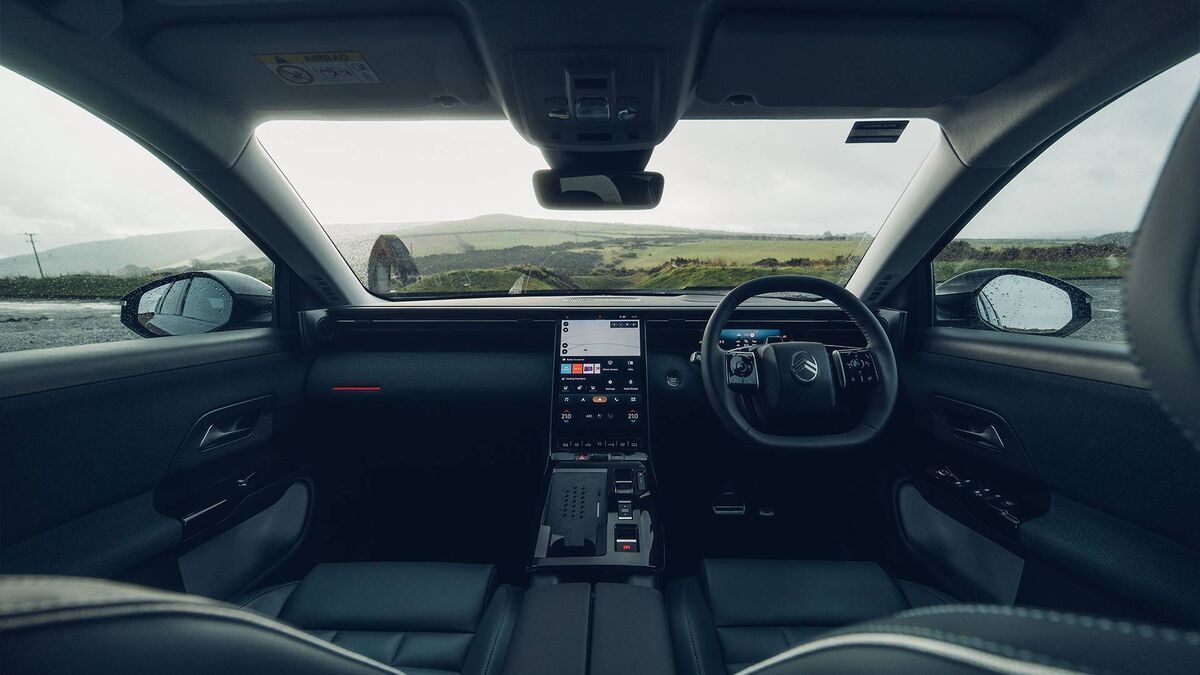
Inside – and for a car priced as it is – you might expect a lot of hard black plastics, but the manufacturer is keen to point out that much of the materials – thickly padded cloth and recycled plastics – are soft to the touch and good to look at and live with. The seats, as you would expect from any French car, are fantastically comfortable and very supportive.
Roominess is very much a feature here, and rear passengers, in particular and somewhat unusually for this segment, are well treated with loads of leg and head room. The boot too is massive and will swallow a heap of luggage/cargo, even with the back seats in play.
One thing Citroën has sort of missed here, though, is the infotainment system, which requires human input for most functions. The 13” ‘waterfall’ screen looks fantastic, but it is something of a pain to operate, even if there are buttons for most of the climate duties. In this case, aesthetic has won out over functionality.
That said, the interior is a modern and pleasant environment that meets the needs of most families and has the necessary connectivity to keep young passengers engaged and happy.
It would be somewhat rash to describe the C5 Aircross as a breakthrough for Citroën, but it has made a substantial leap forward by comparison with its predecessor and on cost and competence parameters, it more than matches its many rivals.
Sure, it is not without flaws, but it has enough about it to suggest that the manufacturer is becoming more confident about its place in the big scheme of things and that the brand has the capability to draw in new and interested clientele.
The mechanicals of the car might be relatively middle-of-the-road, but it does have a definite pizazz about it, and that will stand it in good stead. Critically, it has enough style to broaden appeal well beyond the marque’s regular fans.
Things are very definitely looking up chez Citroën.