I found the beating heart of Puerto Rico high in the hills — here's what to see and do
Its Caribbean coast is part of Puerto Rico’s charm, but Cían Byrne says you should also venture inland and try local food and drinks
I found the beating heart of Puerto Rico high in the hills — here's what to see and do

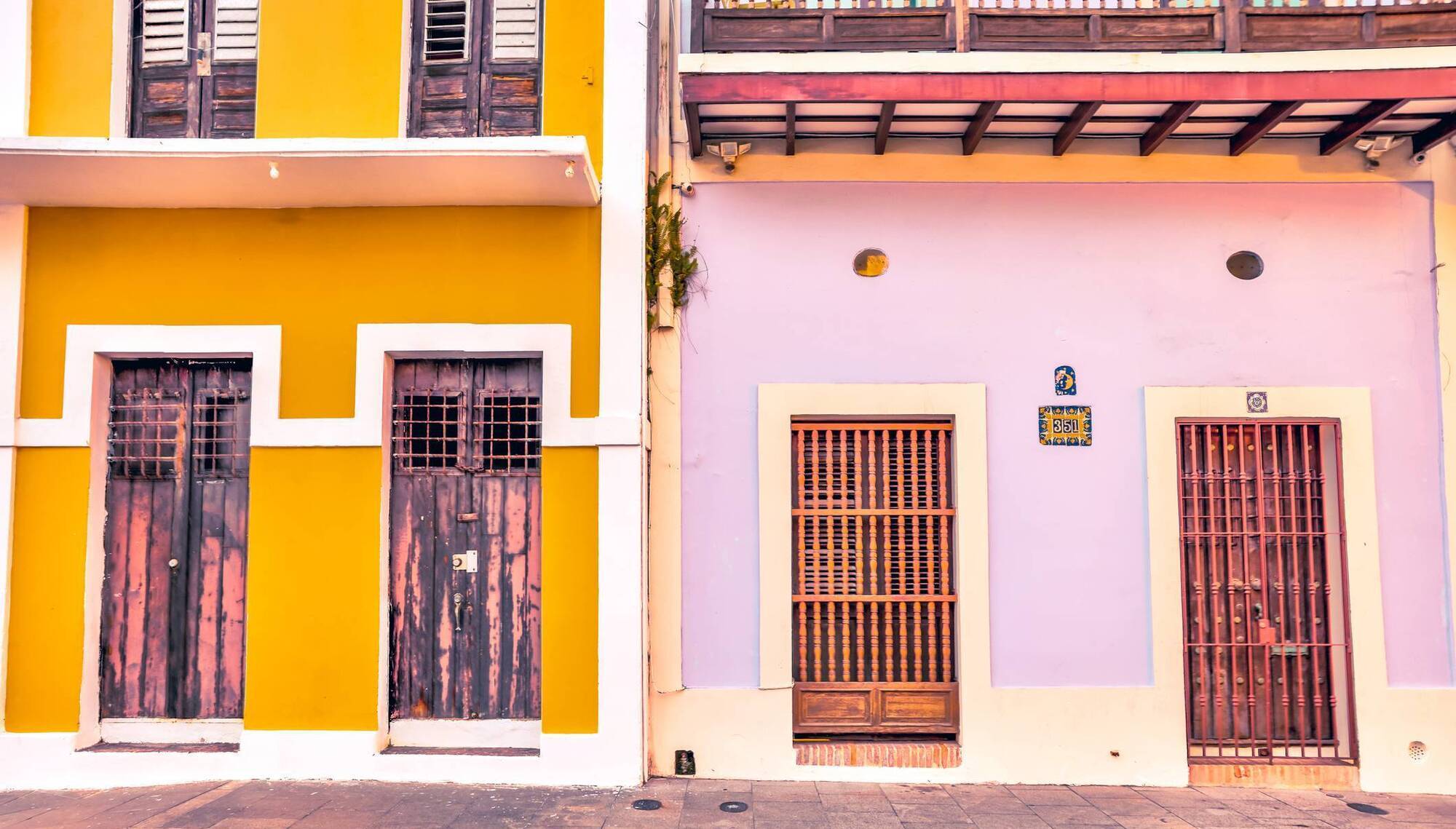
Colourful houses line the side streets in the old town of San Juan, Puerto Rico 

On a moonless night in 1972, Roberto Clemente took off in a plane overladen with aid supplies from San Juan airport on the Caribbean island of Puerto Rico. Previous attempts to help the victims of the Nicaraguan earthquake had been stolen by the corrupt Somoza government, but Clemente hoped his presence as one of the best baseball players in the world would help the aid get to the victims.

Neither Clemente nor the aid ever arrived. The plane’s engine failed almost immediately after takeoff, and it crashed into the Atlantic.

Clemente’s body was never found, but his legacy lives on through his name and shirt number, ‘Clemente #21’, which adorn hats, shirts, water bottles, billboards, and just about anything else across the island. Puerto Ricans are immensely proud of their hero and — as I was about to find out — that pride extends to much more than just baseball.

Puerto Rico sits in an interesting spot. Geographically, it’s part of the Caribbean; politically, it’s somewhat part of the United States; historically, it’s been part of Spain; and, culturally, it’s Creole with a mix of Spanish, African, and the indigenous Taíno people.

This may sound like a confused combination, but as I wander through the colourful streets of Old San Juan at sunrise and watch the city wake up, I feel a harmony
between all these different elements.

Inside the historic Morro Fort

To fully enjoy Old San Juan, you need to understand how it came to be. My morning walk takes me towards El Morro Fort, a mighty fortress built in 1539, a handful of decades after the Spanish colonised the island, which established San Juan as a key defensive position that continues today. Prevailing winds made Puerto Rico the de facto entrance to the Americas and the deep, sheltered waters of San Juan make for an ideal port — if you held San Juan, you essentially held the keys to the New World and empires were willing to go to war for it.

Crossing over from the European-styled streets of Old San Juan, I make my way to the barrio of Santurce, home to Puerto Rico’s most famous son, Bad Bunny.

There are fewer tourists over here and fewer sights to see, but Santurce is all about the experiences. Salsa music rattles out of a sun-faded speaker hanging above the entrance to a small market as people inspect the colourful tropical fruits and gnarled root vegetables. The beat of salsa follows me from that point onward; sometimes distantly from a crackling radio on a balcony and other times blaring out of the speakers at a ferocious volume on a convertible jeep as it drives by.

The icons of Puerto Rican salsa, like Ismael Rivera and Héctor Lavoe, are remembered here, not only through playing their music, but through large murals in the city. When a Puerto Rican loves something, they show it off to the world.

The heat and humidity rise to a sweaty level at lunchtime, giving me a great excuse to find a table for a long and lazy lunch.

A spread of traditional dishes at La Alcapurris Quemá in San Juan, Puerto Rico

At a wobbly table on the street outside La Alcapurria Quemá, I order a sampler platter of many things I’ve never heard of: mofongo (plantain and pork balls), mangú (boiled, mashed plantain), arroz y gandules (rice and pigeon beans), yuca fries, and, something I’m familiar with, a crisp, moreish lager.

Tucking into the mysterious yet delicious platter in front of me, I think of the changes that Puerto Rico has gone through and how it carries these influences through its food.

Traditional dishes like the ones I’m eating are becoming popular again and the movement is helped by the younger generations’ return to agriculture, particularly in the central rainforest region.

Every Puerto Rican that I meet has a list of things I need to eat and drink while I’m here. The recommendations cover everything from ice-cold piña coladas to freshly-caught mahi mahi, but there’s one thing people unanimously tell me I have to have: Puerto Rican coffee.

Making my way from the north coast of the island, I drive southwest on wide American-style highways, passing drive-thru Burger Kings and McDonald’s until I take an exit and, as if a light switch has been flipped, I’m in a rainforest. Exotic birds chirping in the treetops have replaced the droning hum of passing cars and I make a stop at FinCafé in the hilly townland of Ciales.

The coffee shop is run by two brothers who are both called Ian. Long-haired Ian, the coffee farmer, takes me on a stroll through the forest nearby to see the coffee plants growing amongst banana trees.

Compared to the enormous vegetation around me, the coffee plant is quite diminutive and only noticeable by its delicate white flower that stands out amongst a forest of green.

Ian making coffee at Fincafe

Back at the coffee shop, I meet with short-haired Ian, who takes care of the coffee shop itself and turning his brother’s harvest into drinks. Happy to go with whatever he suggests, I watch as he heaps a mighty spoonful of brown sugar and hefty dashes of cinnamon and ginger powder into the cup before pouring a double shot of espresso on top and finishing with a dash of hot, steamed milk to make café con especias.

Sipping my drink on the terrace, I feel the stillness of the forest and can’t help but feel that this is also part of the draw to the younger generations, where working with the land has created a sense of contentment and closeness with their home.

Even though I’m on an idyllic Caribbean island and never too far from pristine beaches, I’m finding it hard to leave the hills. Venturing westward on winding, narrow roads, I arrive at El Oasis, a wellness-focused hotel heavily shaped by its location.

El Oasis hotel
El Oasis hotel

Its quirks are what make it so special; the high humidity causes wood to warp, so the shutters don’t fully close properly and the rain overnight makes the rooftops sing as metal sheeting is a much more reliable material than slate. It all goes towards creating an authentic Caribbean experience and as I fall asleep in my plush room, I hear the arrival of one of Puerto Rico’s most loved residents. The coquí frog is native to the island and, despite its tiny size, its koo-kee call, which gives it its name, echoes through the trees around the hotel.

Lower down in the foothills, close to the famous surf waves in Rincón, I meet with chef Joerick Rivera. He was working in the US when Hurricane María devastated the island in 2017 and he decided to return home to help the recovery.

He reconnected with his home and his land during this time and decided to stay, first opening a Japanese restaurant by the beach and later a traditional Puerto Rican restaurant with a farm-to-table ethos called P’al Monte, where he serves his grandmother’s recipes. Gorging on plate after plate of incredible dishes, one in particular stands out — cod tacos that use thin slices of the yam-like malanga as taco shells. The menu is a celebration of local cuisine and a celebration of the different eras of history and cultures that make Puerto Rico distinctly Puerto Rican.

My time on the island is reaching its end and I reluctantly retreat from the hills, returning to the resorts near the airport before my flight.

I’ve loved my time here and — as much as the coast is stunningly beautiful — I’m glad I took the roads less driven and found the beating heart of Puerto Rico high in the hills.

Escape Notes

Flights to Puerto Rico are from around €850 return, via Madrid or the US. For more information, visit discoverpuertorico.com

Stay in the palatial Palacio Provincial in Old San Juan, steps from the shore and restaurants: palacioprovincial.com

Get a deep understanding of San Juan and Santurce on a walking tour with Patria Tours: patria-tours.com

  • Cían was a guest of Discover Puerto Rico

More in this section

Lifestyle

Newsletter

Eat better, live well and stay inspired with the Irish Examiner’s food, health, entertainment, travel and lifestyle coverage. Delivered to your inbox every Friday morning.

Cookie Policy Privacy Policy Brand Safety FAQ Help Contact Us Terms and Conditions

© Examiner Echo Group Limited