A solo visit to Verona, Italy: Shakespearean love in the city of Romeo and Juliet

A solo stay in Verona delivers sensory seduction in this World Heritage-listed city, writes Eve Meehan
A solo visit to Verona, Italy: Shakespearean love in the city of Romeo and Juliet

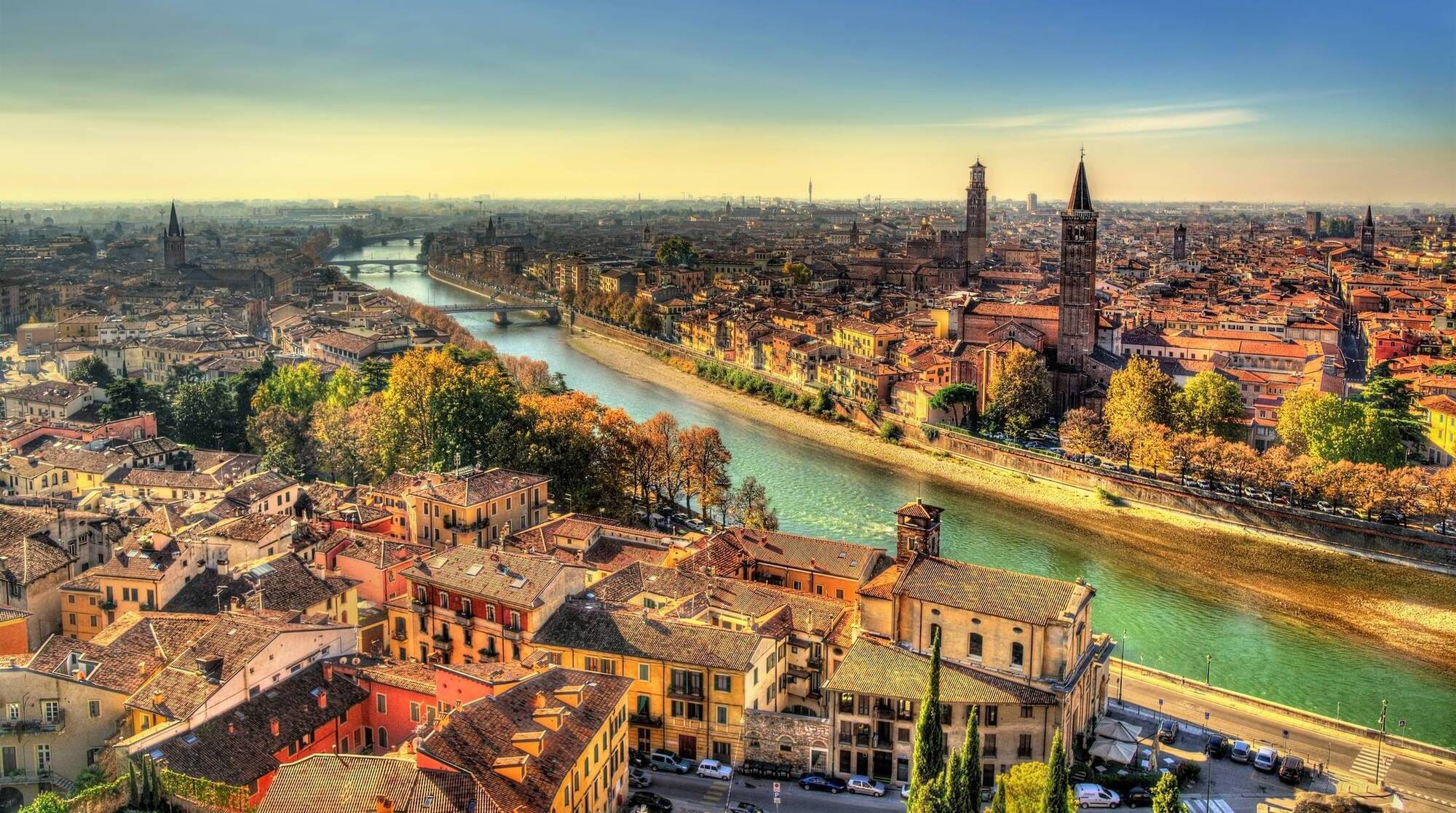
Panorama of Verona in the morning haze - Italy

Verona is built on a river, the ebullient waters shifting from cornflower blue to elderflower white as they swirl around the rocks that pepper the shallows. The river curves sharply; indecisive, or curious, it weaves through the centre of the small city, so that the two sides of land seem to hold each other in an unending embrace. Verona was the stage for Shakespeare’s tragic love story of Romeo and Juliet. So you decide: Does the river break the city’s heart, or does it hold it together?
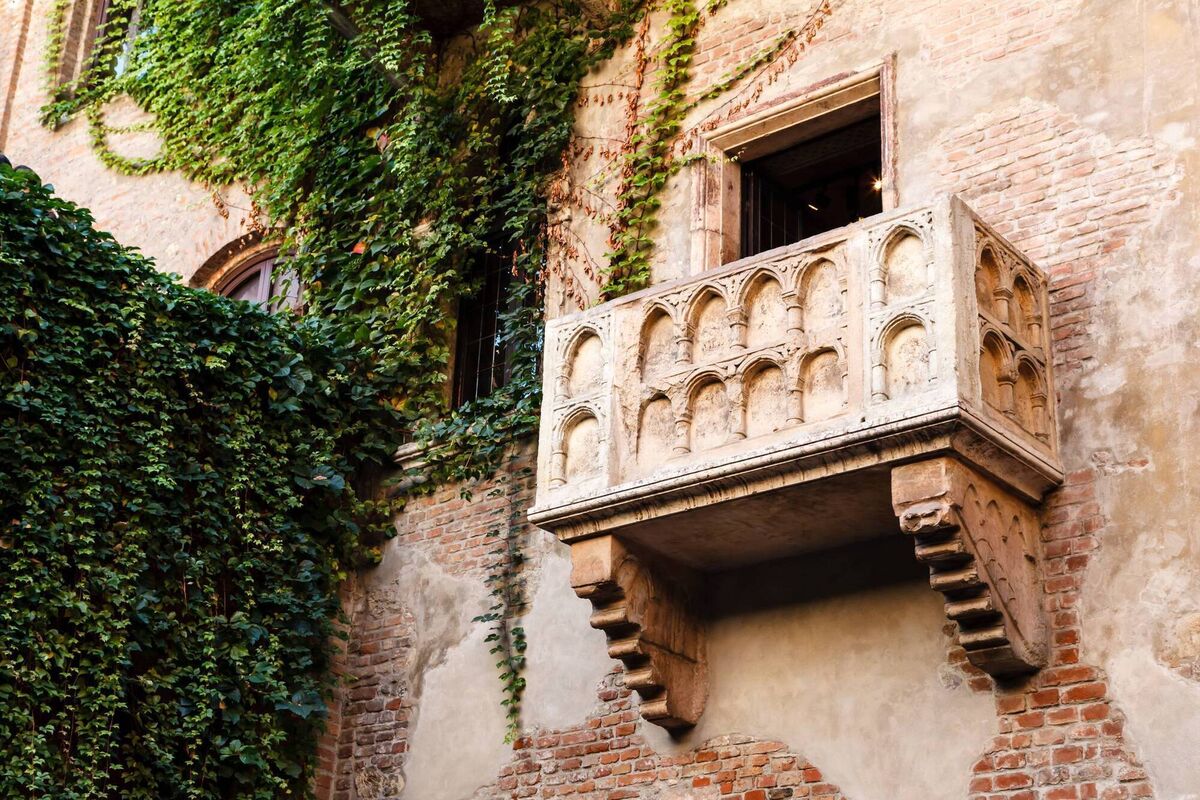

The famous balcony of Juliet Capulet's home in Verona

It’s dinner time, and the sky is a single entity of blackness. Antica Bottega del Vino illuminates the street with a soft, amber glow. I push open the wooden door. The restaurant feels like they stopped bothering to update their calendar a century ago. The attire reflects this: The waiters in white button-downs, black bowties, and orange socks; chefs in tall white hats; guests dressed up with silk and holding glasses of wine. The only evidence that I haven’t just travelled back in time is that the man who sat on the plane next to me is now perched at the bar.

We make eye contact, both do a double take, and say ‘hello’, then I follow a pair of orange socks to my table in the corner.

My rather handsome waiter offers me a choice of two wines. I pick the Trebbiano, then order a plate of Amarone risotto, a Veronese classic. The dining room is one of the most beautiful I’ve ever seen: Hand-painted ceilings supported by thick, wooden beams; rows of dark-green bottles lining the walls in lieu of art; white tablecloths and candle light; wooden chairs with little hearts carved into them. My food arrives in ruby-red splendour; a dish that is stunningly simple, ennobled by the character of the local Amarone red wine. I can still taste the tannins, and I’m struck by how bewitching it is to be thinking about wine notes in a risotto.

A plate of ruby red Amarone risotto, a Veronese classic

Dawn gently puts the darkness to bed, waking up the sun so she can unveil the terracotta colours of the city, and the church bells dance in celebration of a new day. I’m on a bus going towards the three valleys that make up the Valpolicella wine region, heading for a morning of olive oil and wine tasting at Tenuta Santa Maria Valverde. Shrouded mountains in the distance wear little hats of snow, and the twisted branches of the fruit trees that line the roads wear pink-and-white cardigans of spring blossoms.

The Valpolicella Hills of Veneto offer perfect day trips to the local wineries

It’s March and a Wednesday, so I’m the only person on the tour. But I feel right at home — immediately, upon arrival, I’m asked to help pick a shape of wine glass for the new season, then taken out into the vineyards. The grapevines are far from monotonous; daisies and dandelions sunbathe beside the mottled roots, and olive trees are

planted at the end of rows like guardians. I can see silver slivers of Lake Garda in the distance, the water source that allows these hills to flourish. A little black dog scampers around the farm workers. They are tending to the grapevines, which are still fragile after a long winter. I sit outside for my tasting, where I sample four Italian olive oils; the strongest from Sicily, the most subtle from the trees just behind me. Wine comes next, all red, and all intense, but not overpowering. A board piled with local cow’s cheese and salami is dropped off next, and I’m feasting, a bit tipsy, enjoying the little honks of cars as they drive by, greeting their neighbours. A bird in a tree has a story to tell, and he sings in perfect pitch: C-C-C-E, C-C-C-E.

I'm on holiday, so as I return to the heart of the city, the natural course of events is to seek out another place to sit, drink, and observe. Many of the streets are empty, and my footsteps echo through them, like ghosts of the crowds that will fill the city in summer. As I turn into a plaza, however, I discover where the tourists have been hiding: They have gathered like laundry to hang about the string of bars that overlook the magnificent Arena di Verona — a Roman amphitheatre. It’s not quite as tall as the Colosseum, but just as impressive, and as I order an Aperol Spritz and take a seat looking out onto the perfectly preserved piece of history, I feel like I am the luckiest person in the world. In the warmer months, concerts and operas take place within the Arena.

Verona Arena, a Roman amphitheatre with opera decoration in Piazza Bra

But it’s the off-season now, so I book, instead, to see a performance of a collection of Vivaldi pieces in the nearby Sala Maffeiana, where legend has it Mozart himself once played. The hall is small, but spectacular, engulfed by an enormous chandelier. The walls are painted, the floor carpeted, the ceiling gilded in gold. I get a front-row seat, and watch the bows of all the violinists move in unison, the small smile of the flute player when the audience starts clapping before they’re supposed to, and the harpsichord played by an old man — the first harpsichord I’ve seen in real life. The church bells refuse to stay silent, and their chimes join the orchestra, and again I feel like I’ve been transported to a different world. When it’s finally time, I join in the applause that fills the room and is louder than any of the music.

The amphitheatre at Piazza Bra, completed in 30AD, the third largest in the world

I spend my days looking forward to dinner, and tonight I’m headed to Osteria A Le Petarine. The walls are covered in tiles and wood, the tables in red-and-white chequered tablecloths. Music from the 1980s filters through the restaurant, darting between conversations and nestling into the little alcove tables. It’s the type of place you’d want to bring lots of people, but maybe not your Gran — especially if she’s got bad knees and a weak bladder — because the bathroom only has a squat toilet.

I order another Veronese specialty: Polenta with stewed horse meat. It arrives in a striking blue bowl. The stew is made with more local red wine, and garnished with a sprig of rosemary (the horses are local, too: I asked). Some of the sauce spills out into the cracks of the polenta, so that it looks like marble. The horse is reminiscent of beef, but with a bit more texture and gaminess. It’s absolutely delicious. Hall & Oates are playing, one of the chefs is dancing to the music, and I’ve got horse stuck in my teeth. How did I get here?

I’ve got a midday flight home the next day, so I wake up early for an espresso and something sweet. I sit under the shade of a large umbrella at one of the outdoor tables at The Mill, an all-day spot across the river, near the university. A nun in a baby blue habit walks by, returning a few minutes later with the morning’s newspaper.

At the end of the street, an old man watches the world pass from his balcony, and as I sit looking up at him it almost feels like we are reading from one of Shakespeare’s scripts. Lions and wild boars run across the stone skirting of the building opposite me, and inside the cafe, the boys behind the bar are singing along to the Italian love song on the radio. An old man reaches for his water, and his wedding ring hits the glass, creating a hauntingly beautiful note that creeps into the open windows along the streets; windows that, for those curious enough to look, reveal squares of ceilings that are adorned with intricate murals.

Verona is a place to look. Look at the crumbling stone walls, the engraved church pews, the statues that stand atop buildings and peer down at their city

Yes, Verona is a place to look: Look into the windows and the kitchens; Look at the pipes on the buildings that have been laid like artwork; Look at the crumbling stone walls, the engraved church pews, the statues that stand atop buildings and peer down at their city. And if you follow their gaze to the ground, if you look very carefully, you might spot one of the ammonite fossils that are hidden in the stoned pavement. Their spiralling shells are dotted across Verona, like little splashes of history. So, as I head to the airport, I’m thinking not of Romeo, but of Fibonacci, and the spirals he studied. Of the astonishingly intricate designs that flourish both in nature and in old cities like this one; of the mathematics, the patterns, the beauty. Verona is a place that makes both your heart and mind alive.

Ammonite in a pink pavement in Verona

Escape Notes

Direct flights operate from Dublin to Verona five days a week. Verona is also easily accessible by train from Milan and Venice, linking with direct flights from Cork.

x

More in this section

Lifestyle

Newsletter

Eat better, live well and stay inspired with the Irish Examiner’s food, health, entertainment, travel and lifestyle coverage. Delivered to your inbox every Friday morning.

Cookie Policy Privacy Policy Brand Safety FAQ Help Contact Us Terms and Conditions

© Examiner Echo Group Limited