Discover the unexpected Irish roots of Puerto de la Cruz in Tenerife
There is also a strong link between our country and Tenerife, where Irish traders established themselves as far back as the 17th century.
Ireland has long had a love affair with Spain, and one of the most frequented hotspots is the Canary Islands, famed for its year-round sunshine and relaxed holiday vibe. But for some parts of the country, the connection runs a lot deeper — with shared roots between Ireland and Galicia going back centuries. There is also a strong link between our country and Tenerife, where Irish traders established themselves as far back as the 17th century.
I discovered this fascinating link when I arrived on the island last month, and instead of staying in the touristy south, headed north to the small town of Puerto de la Cruz.
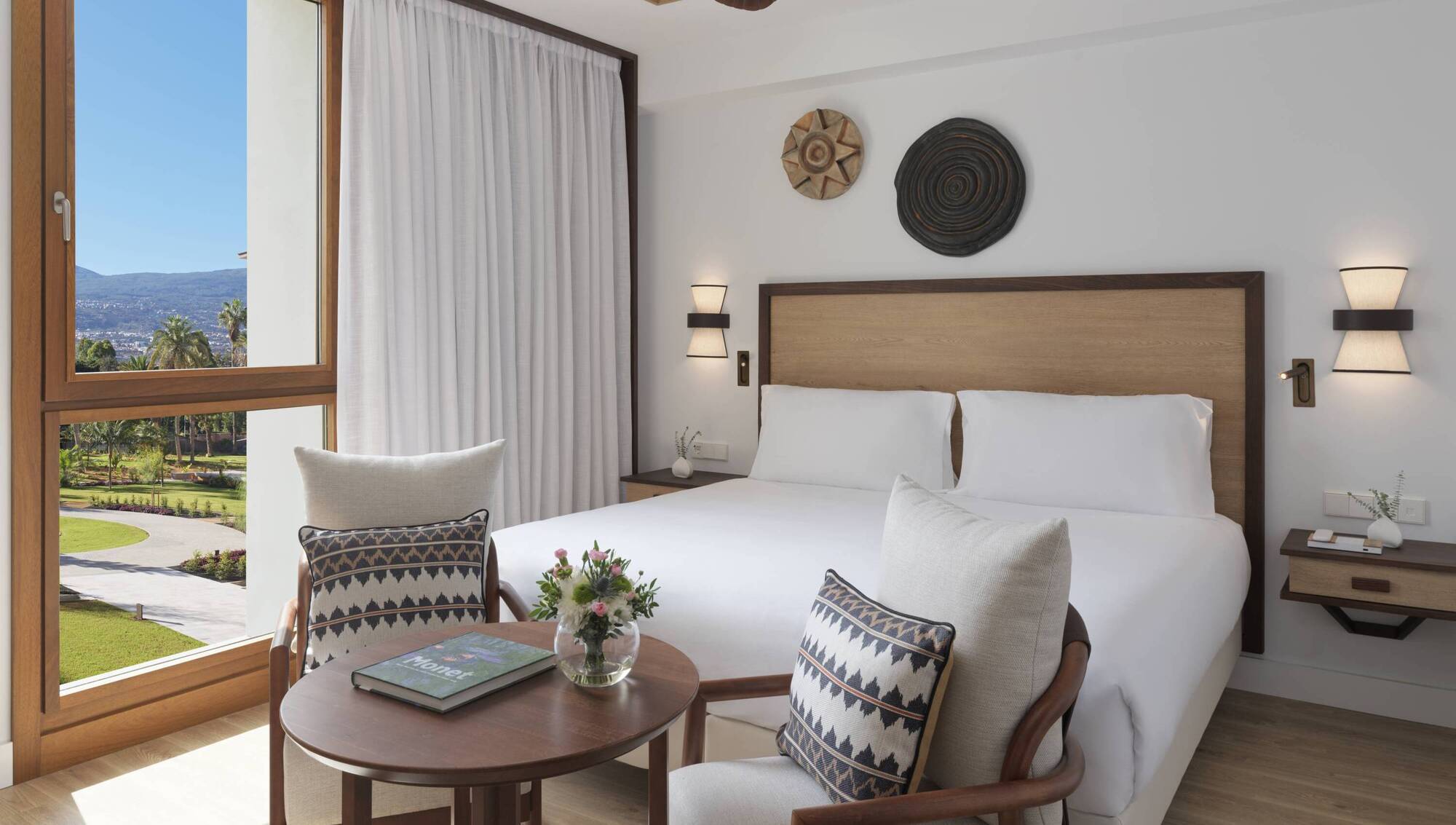
We were booked into the Gran Hotel Taoro, built in 1890 to great fanfare as it was the first luxury grand hotel in Spain. Its elevated position overlooking the sea and the town of Puerto de la Cruz, along with its landscaped gardens and grand colonial style architecture, made it a favourite destination of the rich and famous — with aristocrats and royals enjoying the lavish furnishings and lush surroundings.
Agatha Christie spent several weeks there in 1927, while working on her novel The Mystery of the Blue Train. Today, her literary prowess is honoured with a library containing all of her written works, in both English and Spanish.
The hotel has recently reopened after closing its doors in 1975. The extensive refurbishment, which cost more than €50m, has restored the grand building to its former glory.
It was the perfect spot for a few days in the north, where we would enjoy plenty of exploration, walking, and browsing — with a decent helping of rest and recuperation by the pool and incredible cuisine from its two Michelin-starred chefs.
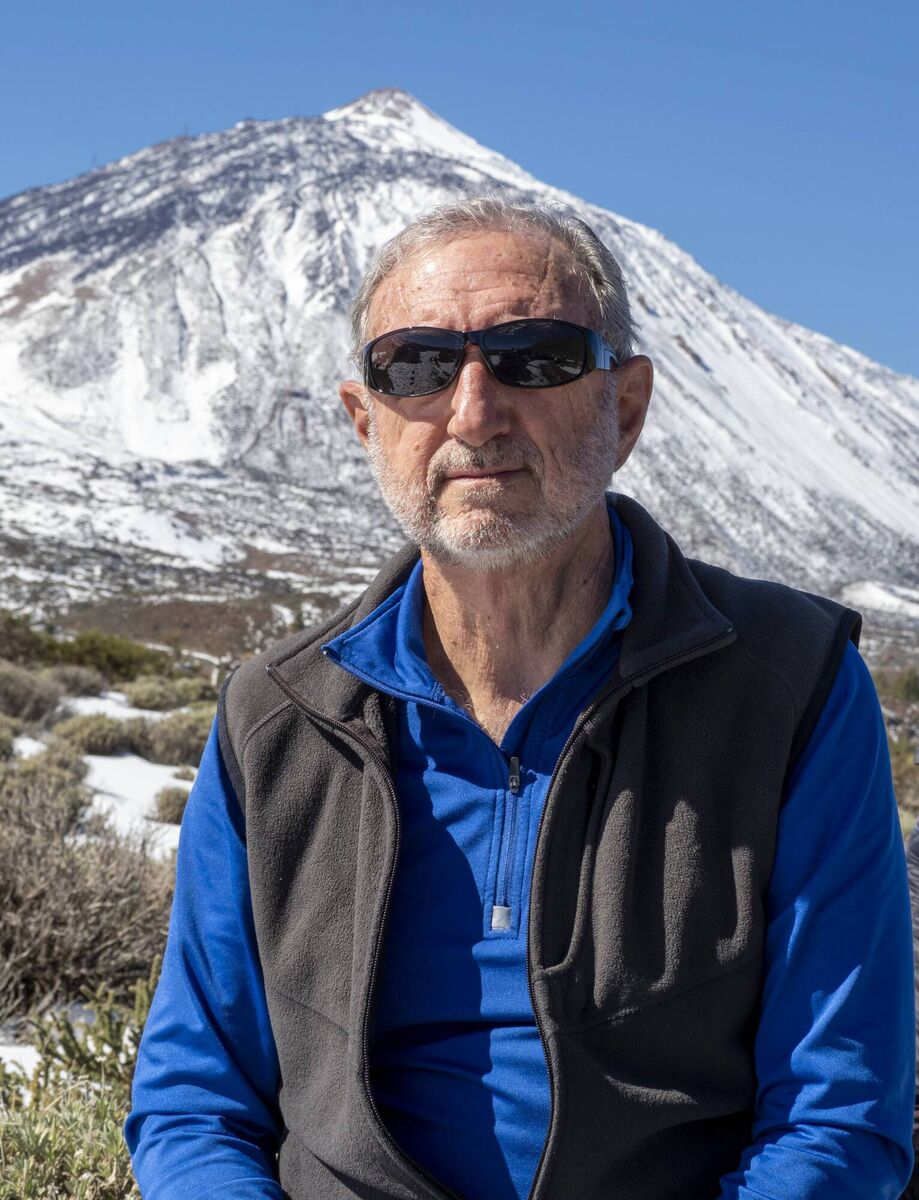
There is a gallery dedicated to the history of the hotel, with fabulously evocative sepia photos lining the walls, allowing visitors to take a trip down the ages. If, like me, you want to know more about the history of the town itself, then historian Ramón Michán is a fount of knowledge and a nice man to boot.
We began our tour just opposite the hotel and from the outset, it was clear that the retired hotel manager was not only passionate about history, but also had a fondness for Ireland and the people who helped to shape this beautiful corner of the world. Puerto de la Cruz could almost be considered a home from home for Irish people as one of its founding fathers was from Waterford.
In 1663, Bernard Walsh arrived in what was known then as Puerto Orotava to stay with his brother Patrick, who was already an established trader in the town which was an important port for trading with Europe and America — with merchants from England and Scotland exporting Canarian wine and importing other products into the island.
However, Walsh realised that it was better to integrate with the locals in order to be fully accepted by them. So he changed his name to Bernardo Valois and before long, was one of the most important people in the area.
“Bernard Walsh/Bernardo Valois was a very learned man and a very successful merchant who became one of the richest men in the island,” Ramon explained. “He established his business house in what is now Hotel Marquesa and built a leisure house in La Paz in 1702. He also owned another house, which is now Museum Cayetano, in La Laguna, which at the time, was the capital of the island. In addition to that, he became a landowner and there is still a finca in Icod de los Vinos called Finca Valois. He probably had more land above Icod, as there is a famous tree there called Pino Valois and a camino called Camino Valois.”
Valois was undoubtedly successful and well respected in his new home, but he wasn’t the only Irish man to make his mark here. Bernardo and his wife Francisca Fitzgerald, also of Irish descent, had a daughter called Margaret who married an Irish merchant — he was called John MacColgan, before changing his name to become Juan Cólogan.
“This man expanded the family fortune and along with his father in law, became very important, not only in Puerto de la Cruz, but on the island,” said Ramón. “There were also other Irish merchants in the area, one called José Murphy, who became a politician and managed to make Santa Cruz the capital of the Canaries. There was a statue erected of him and he is named as the Father of Santa Cruz’.
“Once the Irish had the economic power of Puerto Orotava, they also took over the poltical power and their descendents became mayors of the town at the end of the 18th century and the beginning of the 19th. They helped to make the town independent and it became Puerto de la Cruz.”
With 10 Irish mayors over the between 1774-1866, many holding office for several years, it is fair to say that the Irish connection is very strong and Ramon is keen to strengthen that bond by establishing an official twinning between Waterford and Puerto de la Cruz.
“Because there is such an Irish link to Puerto de la Cruz, I have proposed to our town hall here that we should try to twin with Waterford, as this was the main port where the immigrants came to Tenerife from,” he says. “Also the Cólogan family owned the hill where Gran Hotel Taoro was built.
It is obvious that 79-year-old Ramón, who is originally from Andalucia, relished in showing us all of the memorials to Irish people of note who played a significant role in the development of the area, and imparts his extensive knowledge “in an altruistic manner”. Meeting him and learning about the strong connection was one of the highlights of our visit to the beautiful north of the island. For the few days we spent in this corner of Tenerife, we had great fun pottering around the town, taking a guided walk around a working banana plantation, complete with a banana liquor tasting session, relaxing by the pool, and indulging in the seriously good food available at the hotel.
As there are no flights to Ireland from Tenerife North, we went southwards, where we would spend a few days enjoying the last rays of sunshine before heading home. While there, it was interesting to see such large numbers of Irish holidaymakers many blissfully unaware that just an hour northwards, our own island nation has had such a powerful impact on the region.
With that in mind, perhaps a direct route from Waterford Airport to Tenerife North should be one of the first commercial flights to be considered following its redevelopment project — it’s not a bad idea and one that, having made his own arduous journey there by sea, Bernardo Valois would undoubtedly approve of.
- Ryanair and Aer Lingus both fly to Tenerife South from Cork.
- To arrange a walking tour with historian Ramón Michán, email info@citpuerto.com
- B&B at the Hotel Gran Taoro costs from €200 per nightgranhoteltaoro.com


CONNECT WITH US TODAY



Be the first to know the latest news and updates