I went to Japan as a first time, solo traveller — here's how I got on
With bullet trains, bamboo forests and battered octopus, Japan is one big adventure for solo traveller Nicola Brady
I went to Japan as a first time, solo traveller — here's how I got on

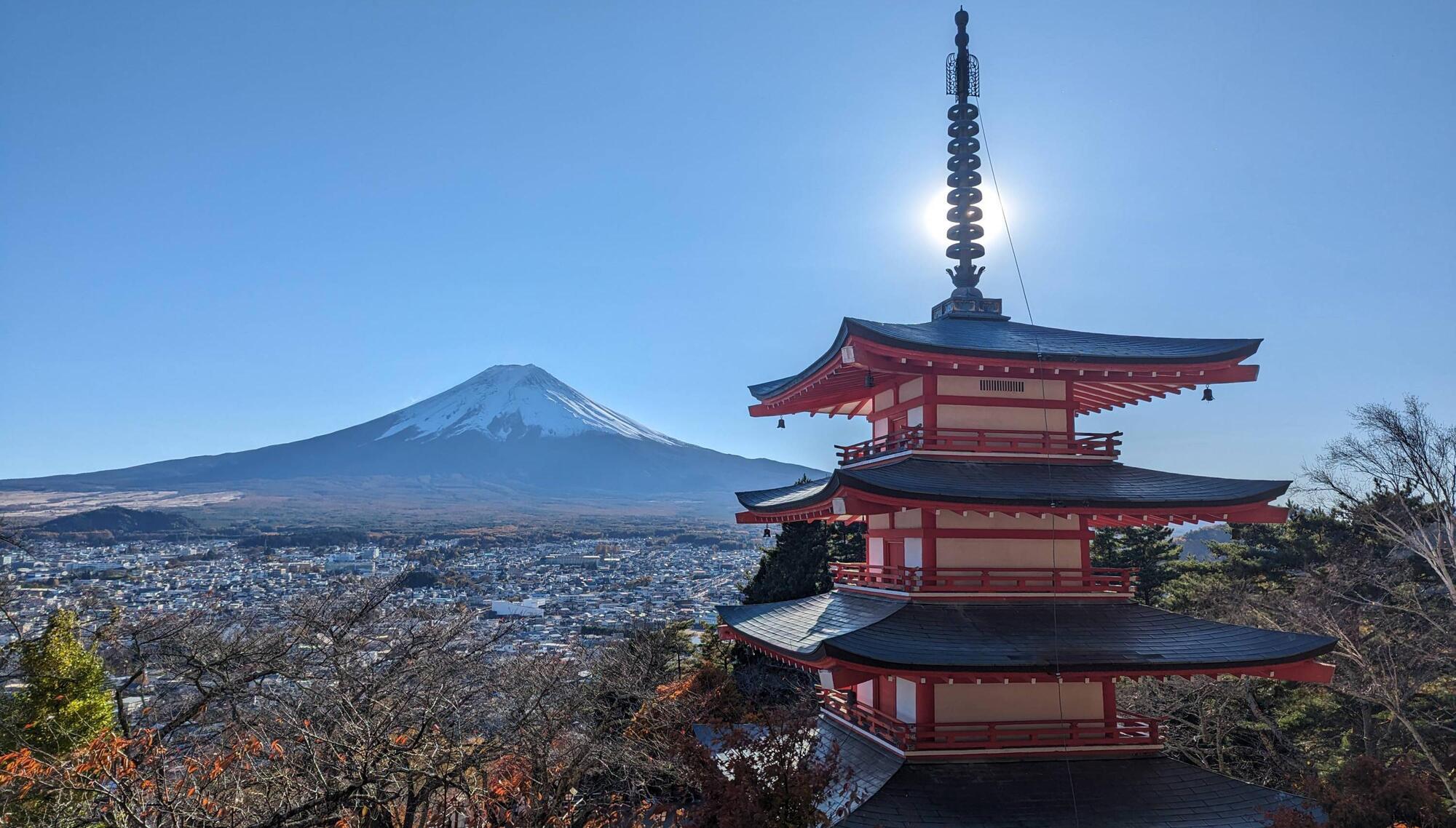
Arakura Fuji Sengen Shrine, Mount Fuji. Pic: Nicola Brady

It's minus five degrees, I’m halfway up a mountain, and I’m naked. 

A snowstorm is raging, and my limbs are rapidly turning an alarming shade of pink. 

But none of that matters, because I’m about to sink into the natural hot springs of the Shinhotaka Onsen.
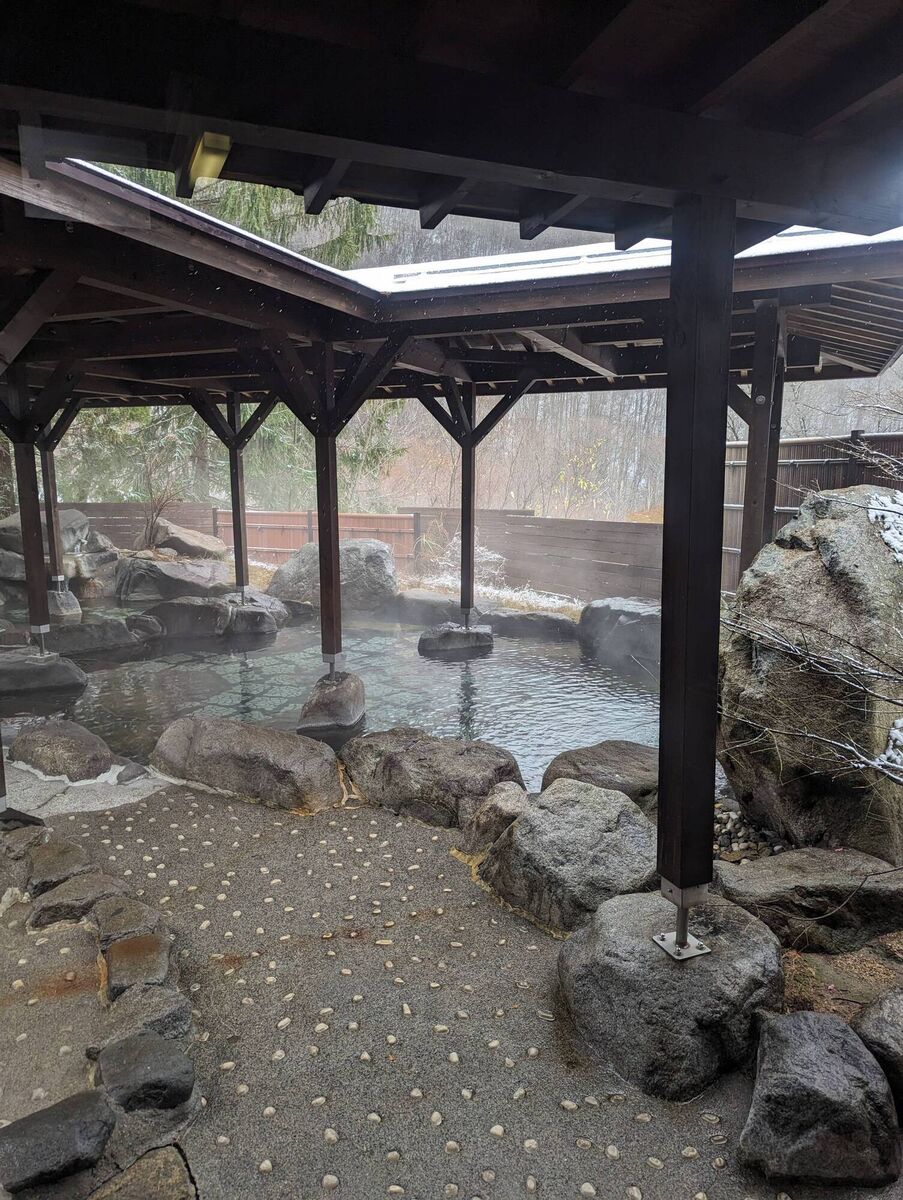
Shinhotaka onsen. Pic: Nicola Brady

Sub-zero nudity is the price you pay to soak in these springs. There are thousands of onsens all around Japan, but this region, right in the heart of the Japanese Alps, is a particular geothermal hotbed. 

Which is why I’m happy to be starkers in the snow. There’s no one else here when I arrive, but steam is billowing off the surface of the water. 

There’s a vague whiff of sulphur in the air, and a gurgling sound as the water rushes in from the spring, dripping over the edge of rough rocks into the pool, leaving yellow track marks in its wake.

The water is so hot I practically sizzle, but the snow blusters in beneath the pagoda roof, the fat snowflakes melting on my shoulders and knees.

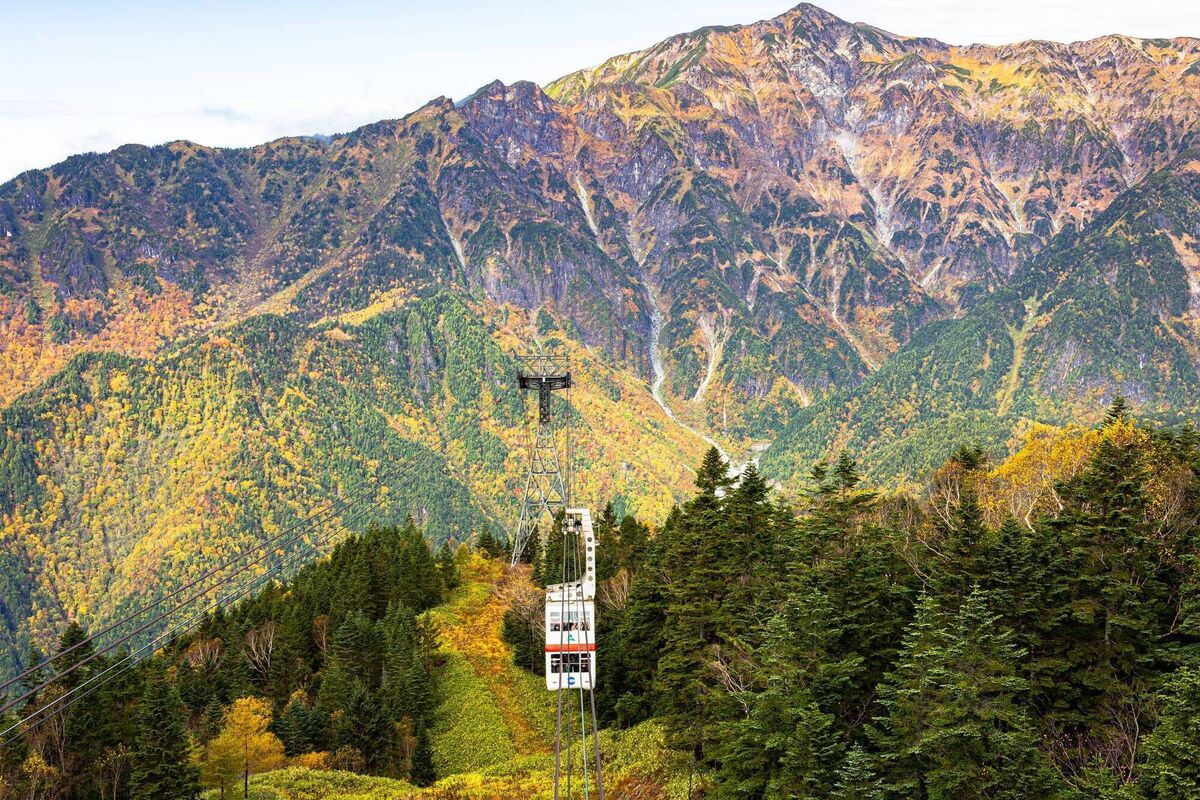
Shinhotaka ropeway.
Shinhotaka ropeway.

It’s a relief, I must say. I’ve taken the Shinhotaka Ropeway all the way to the top of Mount Hotaka, but the weather was not part of my plan. 

As the cable car creaked towards the summit, flurries of snow burst in through a crack in the door as the carriage swayed ominously. 

The view is supposed to be spectacular, but I can’t see a damn thing.
While that puts the kibosh on my planned hike, I do manage a quick stomp through the snow. 

Every so often, the clouds disperse to reveal the nearby mountains, alongside small stone shrines shrouded in a thick layer of fresh powder. 

The path is punctuated with bear bells, which you ring loudly to warn the local bears away from the trail (why the bears haven’t equated the sound of a bell ringing with dinner, I don’t know).

Of all the things I was expecting from Japan, none of this – the snow, the bears, the incredible mountains – was on my radar. 

I’ve come as a first-time, solo traveller, wanting to cram in as much as I possibly can, to feel like I am a million miles from everything I know.

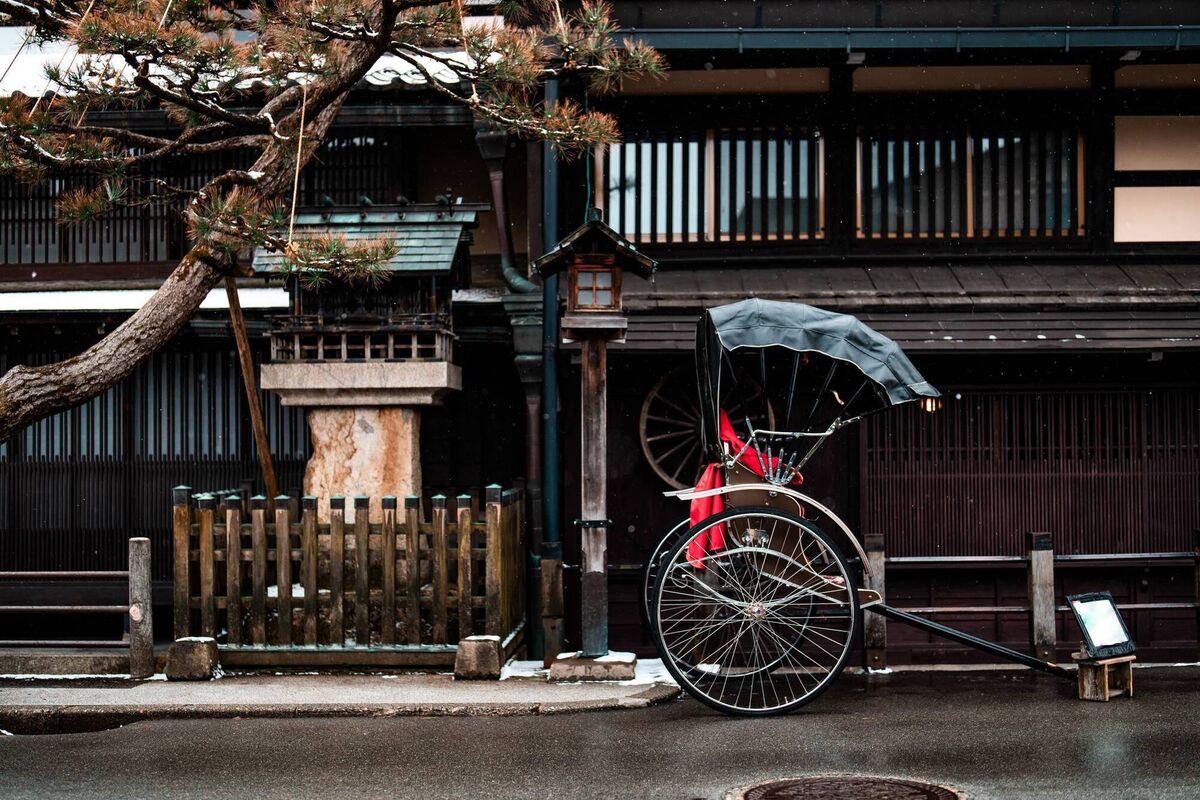
A historical street in Takayama, Japan

In Takayama, one of the oldest towns in Japan, that’s exactly what I get. Shrines are dotted between old wooden houses, and the sleepy main street is peppered with sake distilleries and pagoda rooftops. 

Even the journey there is a knockout – I spend the four-hour train ride from Osaka looking out the window at bamboo forests, jagged mountains poking through the clouds, and powder blue rivers cutting through ancient rock.

But if Takayama represents the old, then Osaka, where my journey began, is all about the new. 

It’s a long flight from Ireland to Osaka, but surprisingly easy – Finnair flies from Dublin to Japan via Helsinki, with an easy connection time and a cabin that projects the colours of the Aurora Borealis onto the ceiling when it’s time to go to sleep.

And you’re going to want to get your sleep on the plane. Because when you land in Osaka, you have to hit the ground running. It may be smaller than Tokyo, but it’s bright, dizzying, and brilliantly discombobulating.

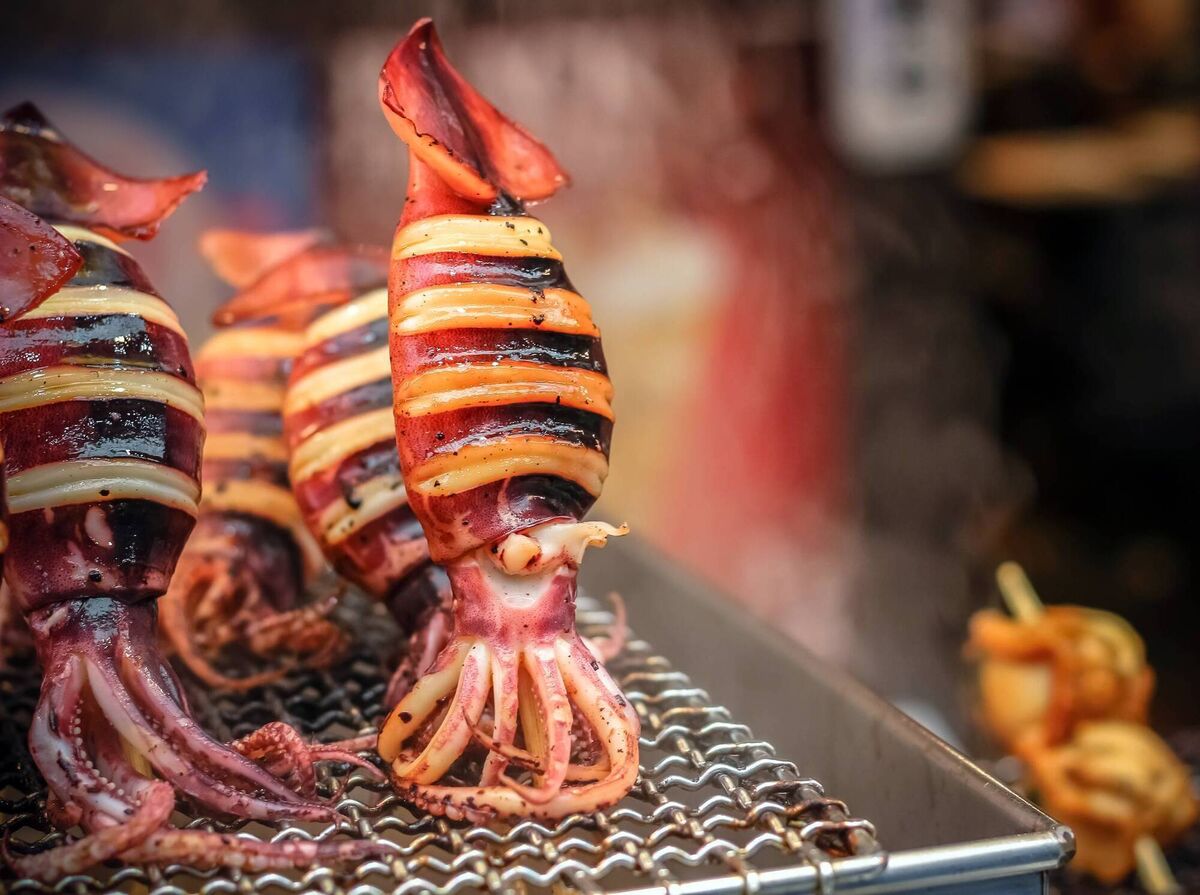
Grilled squid in Osaka.

An hour after landing, I set out on a food tour of the city with Osaka Kitchen, where Yoko leads me around the narrow back streets in search of steaming bowls of ramen, crispy Japanese fried chicken and the local specialty, Takoyaki (battered octopus balls). 

Were I on my own, I’d have had no clue how to order my food, let alone find the best spots, but Yoko guides me through Osaka with expert precision, pointing out which places are tourist traps and showing me how to eat a ramen egg with chopsticks.

As a solo traveller, it is invaluable.

The highlight?

My first visit to an izakaya, a bar where you can order small plates and snacks alongside craft beer and yuzu spritz cocktails. 

As I sit, watching chefs slice fatty tuna into sashimi and eating Japanese-style ceviche stuffed into a shiso leaf, a man to my left eats French fries with chopsticks.

Welcome to Japan.

I thought that I would be eating my body weight in sushi throughout the trip, but in reality, the food scene is far more than sashimi and maki rolls. 

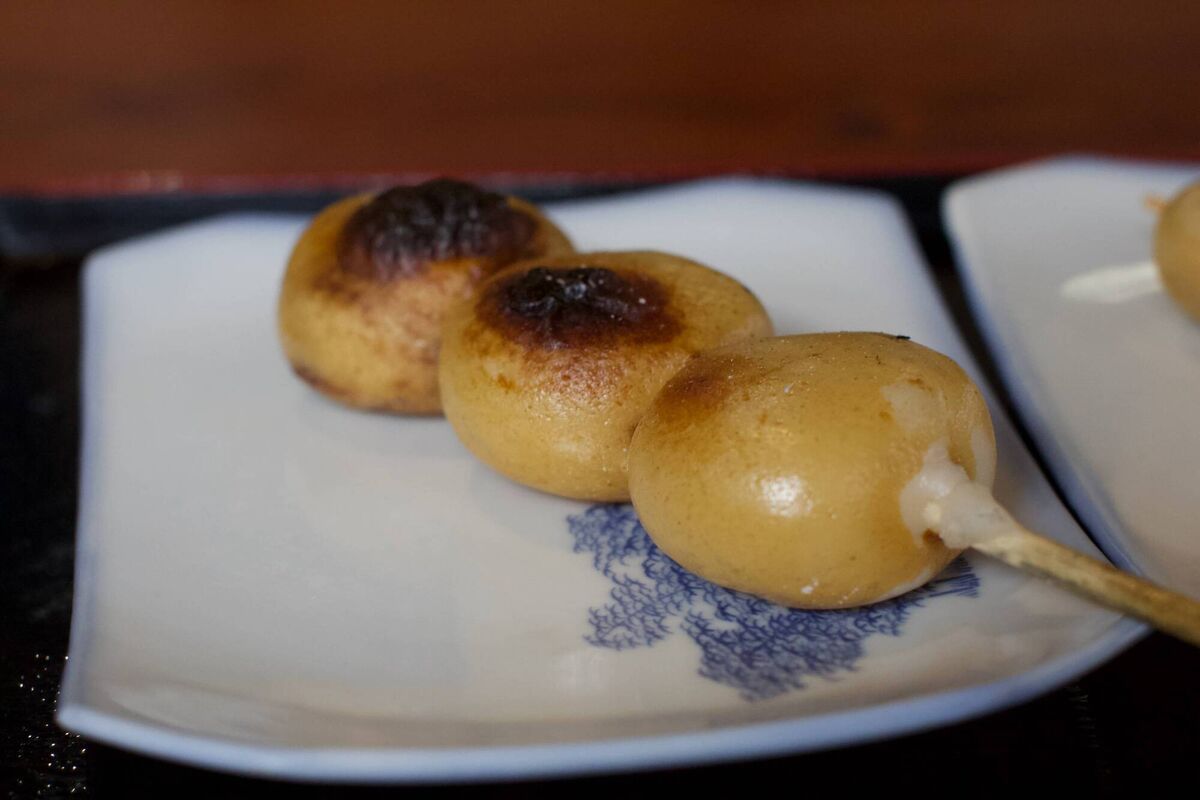
Ichisuke dumplings. Pic: Nicola Brady

I eat all around me – cloudy miso soup, chewy ichisuke dumplings and small river fish cooked over charcoal. 

Even at the train stations, you can buy elaborate bento boxes for just over a fiver, packed with squares of wobbly omelette, sticky sweet tofu, daikon pickles, lotus root and okra.

It’s not the only reason train travel is such a joy. The Japanese rail network is punctual, clean and easy to navigate as a solo traveller, once you eventually realise (as I did) that there are maps in English as well as Japanese. 

Your ticket even tells you where to stand on the platform to board with ease, and there’s heaps of legroom when you’re on. 

Even better, when the (exceptionally well-dressed) conductors move through each carriage, they pause at the door, turn and bow to everyone on board.

It makes exploring the country a breeze, particularly if you’re travelling by bullet train. With their sleek, streamline shape, Shinkansen trains move smoothly but at speeds of up to 300km per hour – if we had bullet trains here, you’d get from Cork to Dublin in 53 minutes. 

Travel by Shinkansen, and Japan is at your fingertips – it takes just 15 minutes to get from Osaka to Kyoto, and you can travel from Osaka to Tokyo in two and a half hours.

When people talk about the culture shock you feel when landing in Japan, I reckon they’re really talking about Tokyo. 

Everything you’ve ever heard about this city is true – it’s wildly disorientating, frenetic and totally electric. 

Restless nights in Tokyo. Pic: Nicola Brady

It’s also so massive that it’s hard to comprehend – the population is 37 million, over seven times that of Ireland. 

If this were your first port of call in Japan, you may easily feel overwhelmed by the sheer scale (and occasional madness) of it all.

But all I feel is energised. Sure, it’s bananas – a giant model of Godzilla bursts from the walls of a building in Shinjuku, thousands of people cross the road at one time, and video walls blast music as you walk past. 

But there are also peaceful parks, quirky vintage shops and whiskey bars that barely seat six.

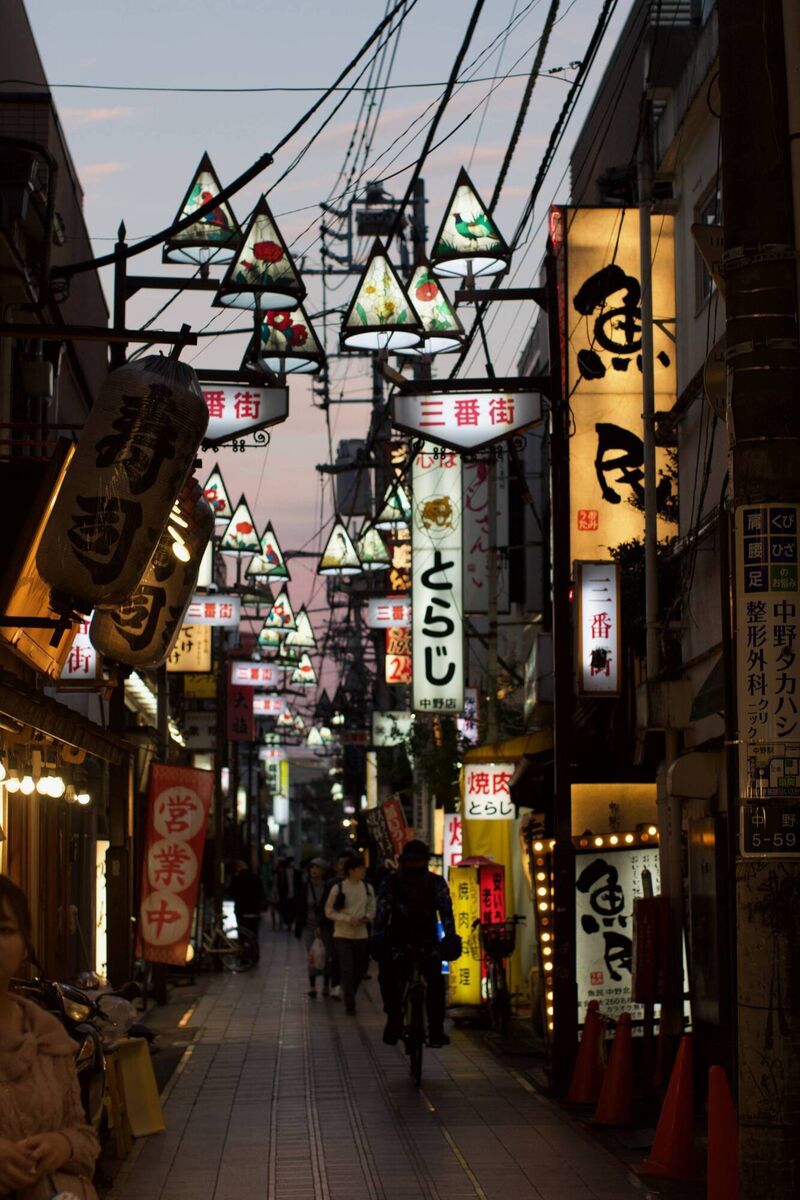
Within the city, there are loads of neighbourhoods, each with their own vibe – I walk around Nakano and Koenji with Andy of Dig Tokyo Tours, where he introduces me to the world of anime shops, hostess bars and food counters where a bowl of soba noodles costs less than €3.
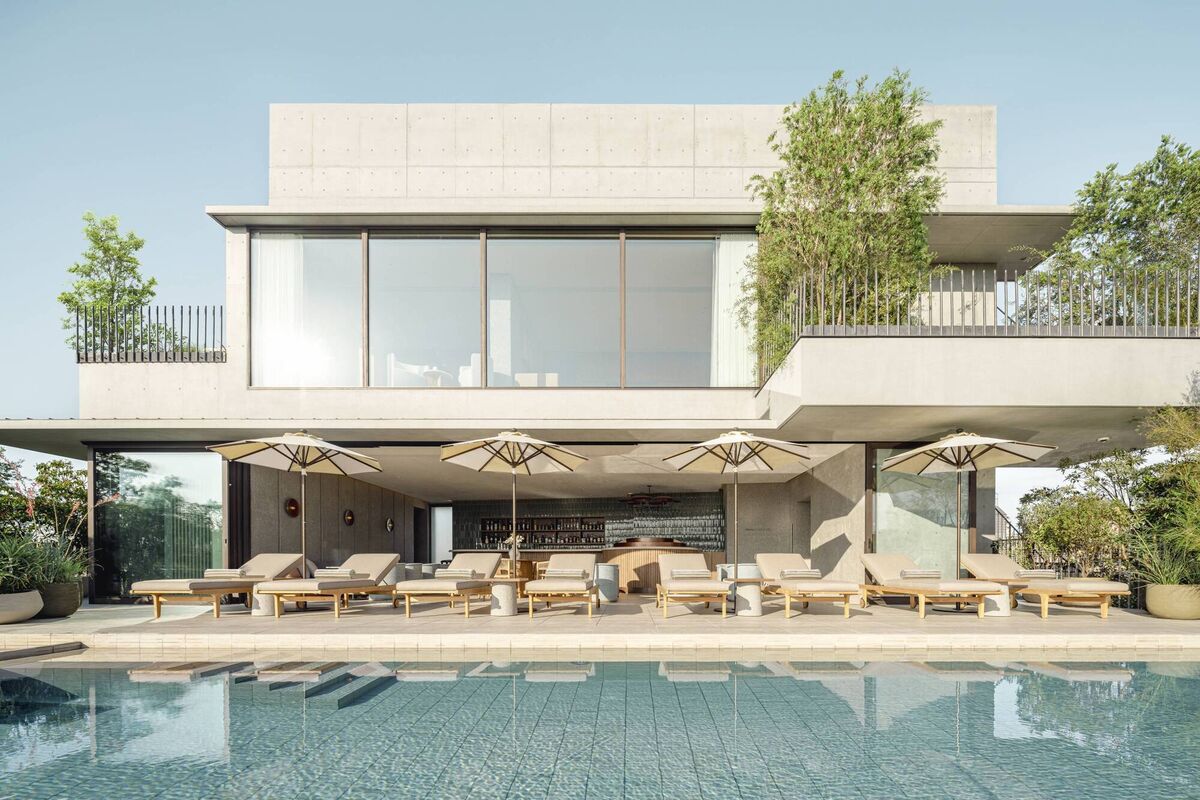
I stay in the brand new Trunk hotel (rooms from €396), where both the Scandi-style rooms and rooftop infinity pool overlook Yoyogi Park. 

Trunk hotel, Yoyogi Park, Japan

Looking out at the treetops from a balcony thick with plants, you would never guess you’re in the middle of the biggest city in the world.

And if you want to feel even further removed from the city, you can hop on the new Fuji Excursion train and, in less than two hours, be in the foothills of Mount Fuji.

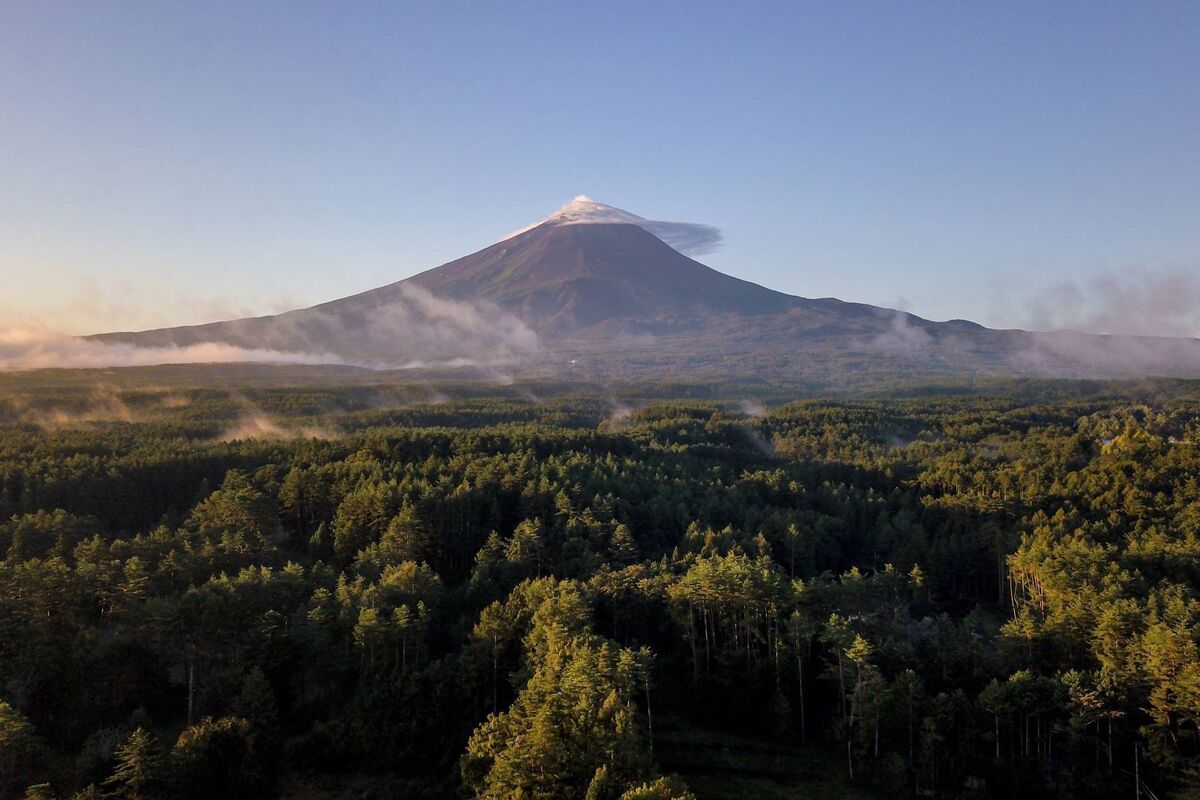
Famously elusive, the active volcano is only fully visible to the lucky, with its summit usually hidden by clouds. But I am one of the fortunate ones. 

My train has barely left Tokyo’s Shinjuku when the peak emerges in the distance, and it sticks around for days, clear and vivid against the bright blue sky. 

I see it through train windows, from the hiking trail on Mount Tenjo, from parks on the edge of Lake Kawaguchiko. I have hundreds of near-identical photos, because I simply can’t look away.

View from Glamping Villa Hanz. Pic: Nicola Brady

But the best view of all is from Glamping Villa Hanz (from €200). Set among the soaring pine trees of Kawaguchiko, this relatively new retreat has accommodation in domed tents called paos, and cool wooden villas. 

It’s there, by the bar lined with jars of homemade plum wine, where you can drink in the best views of Mount Fuji.

I sleep in one of the paos, with a giant tatami-style bed strewn with sheepskins and Aztec blankets, with a view of the tree trunks through the transparent wall. 

In a world where glamping resorts are popping up all over the shop, this place is the real deal – you cook your own dinner over a fire that you build yourself, using logs you’ve chopped with your very own hands. 

I sit and eat barbecued steak and chicken with charred veggies and a creamy curry, all while the embers of the fire keep me toasty.

Things are a little chillier the next morning, when I wake with the sun at 5am. Tip-toeing out of my pao, I walk up the steep slope towards the honkan, where I pick up a cup of coffee. 

Though the temperature is hovering around zero, I sit on one of the Adirondack chairs by the firepit and watch the morning light hit the sides of Mount Fuji.

As each minute passes, more and more light floods the peak, illuminating each rivet and ridge until the entire volcano is bathed in a pink glow. It's beautiful.

Once again, I am freezing. But once again, I am blown away.

  • Nicola was a guest of JNTO and Finnair.
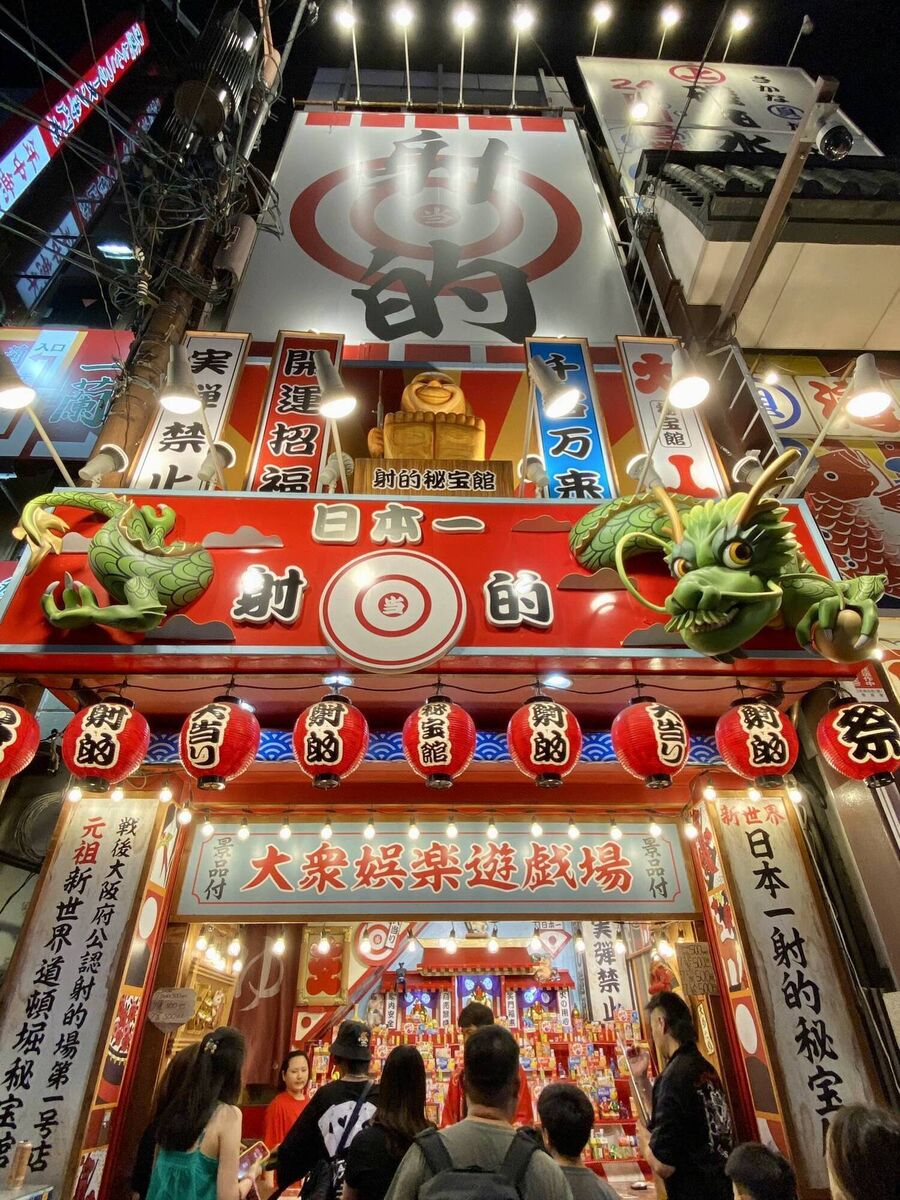
Dotonbori Entertainment Street is popular with students and workers who come to enjoy a drink in the small bars and izakaya taverns

Escape notes

Finnair (finnair.com) flies from Dublin to Tokyo via Helsinki from €993 return in economy, or €2,280 in business class.

For more on Japan, see japan.travel/en/uk/

Logistics and Tips

Much is made about etiquette in Japan, but most of it is common sense and manners. 

Still, don’t eat or drink while walking, keep quiet on trains and bow when greeting or thanking people. 

Tipping isn’t customary in Japan, and staff will often return money to you if you try.

Organise an e-sim or rent a Wi-Fi dongle from the airport, because Google Translate and Maps will be an absolute lifesaver. 

Maps in particular make navigating public transport in Tokyo a doddle.

The price of a Japan Rail Pass increased by 70% in 2023, so unless you’re planning on moving a lot by train, it’s better value to book tickets individually.

Next year, Japan will be hosting World Expo 2025, which means hotel rates will be high (and availability tricky) from April to October. 

All the more reason to book a trip sooner… 
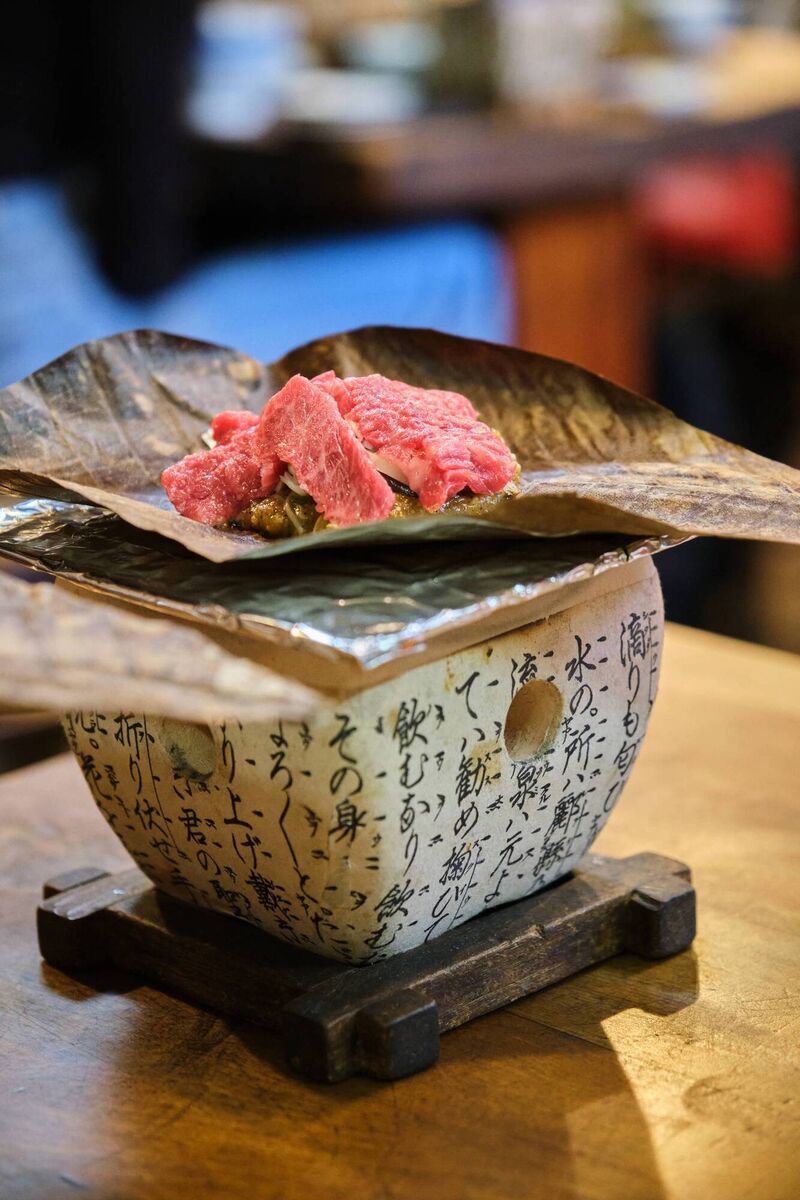
Hoba Miso with Hida Beef at Takayama, Japan

What to eat, where

In the Takayama region, Hida beef is king. 

A type of wagyu, this highly marbled beef melts on the tongue, and is best sampled in the butcher-led restaurants in Takayama old town, where platters of different steaks arrive cut into thin slivers, ready for you to scorch over the coals in the middle of your table – all for less than €30.

If you fancy a bowl of ramen in Osaka or Tokyo, don’t order at the bar – do so at the touchscreens by the door, then take your ticket to the server. 

An added bonus? You can translate the menu on a screen, rather than attempting to order in Japanese.

Anywhere else in the world, eating sushi from a convenience store would be a terrible idea. 

But in Japan, you can get top-notch onigiri at the 7-Eleven for around a euro, the rice balls filled with fish or beef and wrapped in seaweed.

x

More in this section

Lifestyle

Newsletter

The best food, health, entertainment and lifestyle content from the Irish Examiner, direct to your inbox.

Cookie Policy Privacy Policy Brand Safety FAQ Help Contact Us Terms and Conditions

© Examiner Echo Group Limited