The Alentejo in Portugal is uncrowded and beautiful
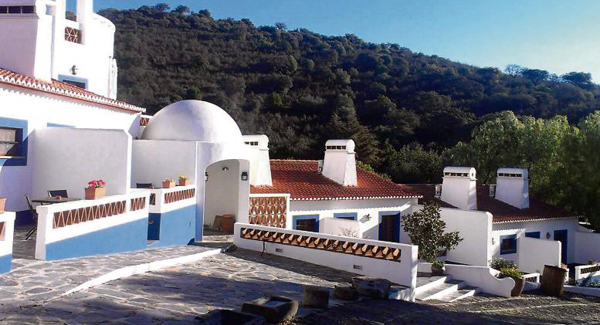
But there’s another part of Portugal you should consider which is virtually empty of tourists (for now), full of history and stunning landscapes with the bonus of being one of the world’s most exciting wine regions.
The Alentejo is north of the Algarve and South of Lisbon — the name translates as “below the Tagus”, the river which flows through the city. Despite covering almost a third of Portugal’s land mass it contains just 7% of its population and empty landscapes (and beaches) are part of the region’s charm.
My reason for visiting the area was for the vineyards and I hardly tasted a disappointing wine on the whole trip. The quality of the wines has undergone a major transformation in the past 20 years and, thanks to major investment, many of the best wineries also house a restaurant, hotel and spa, and have options as diverse as fishing, horse riding, paint-ball and balloon tours.
Portugal is unusual in international wine terms in that only around 7% of its wines are made from international varieties such as Merlot and Sauvignon Blanc. Instead you will find white grapes such as Arinto and Antao Vaz and red grapes such as Trincadeira, Alicante Bouschet and Aragonez which is the local name for the Spanish grape Tempranillo.
Some wineries, such as Monte da Ravasqueira and Herdade Grande, are blending local grapes with French varieties but the most interesting wines I tasted were made exclusively from traditional Alentejo varieties.
Esporão is the star producer and if you were to visit only one winery in the region, this is probably the one to choose. Esporão is one of the largest and best wine estates in the country and is located in Eastern Alentejo near the white-washed fortified medieval town of Monsaraz (also worth a visit).
Esporão’s Australian winemaker David Baverstock is one of the stars of Portuguese wine and his success has been a huge spur to the region. Baverstock also makes Cliff Richard’s wine Vida Nova.
Esporão Reserva red is packed with smoky dark fruits and the white version is richly fragrant and full of creamy lemon and pear flavours. A visit to the winery’s restaurant is recommended, not just to see the the original art, which is commissioned every year for their labels, but also for dishes such as partridge terrine, chestnut soup with sheep’s cheese and slow-roasted lamb in red wine.
Other wine visits I recommend are Herdade dos Grous and Herdade da Malhadinha Nova near Béja; the latter has a beautiful boutique spa and their Monte de Peceguina’s wines (with labels designed by their kids) have appeared in my wine column on more than one occasion. If you are sampling whites I recommend you try the intensely floral and delicate Antao Vaz wines which were my big discovery on this trip. Alentejo reds are generally blends of local varieties and all tend to be fruit-driven and silky textured with no harsh tannins or unpleasant edges.
Food in Portugal has never been a major selling point but I was pleasantly surprised at the quality. Yes, there were some very forgettable stews with over-cooked vegetables but there was also excellent cheese, roast meats and fish. Fresh fish is always worth trying but is not as prevalent as you would expect as the Alentejo is more famous for its lamb and pork.
Presunto cured ham is as good as anything you will find in Italy or Spain and salamis and churiço sausage are equally good. This is Portugal so you can expect to see bacalao (salt cod) on every menu but stick to the more creative takes on the national dish unless you are already a fan. For example at Malhadinha Nova’s restaurant my bacalao had been cooked as a confit using the estate’s olive oil and served with a rich red wine risotto.
The climate here is not suited to beef production so cheese tends to be made from sheep’s milk. The traditional methods are still used with natural rennet, contained in the local wild thistles, used for most cheeses (rather than animal based rennet) making them suitable for vegetarians.
My cheese was a raw milk Queijo Serpa cheese that was so ripe and runny it needed to be eaten with a spoon. Watch out for hard cheeses also such as Queijo Évora.
Olive trees are everywhere in Alentejo and most restaurants will offer a choice of olive oils to accompany food— I liked the fruity olive oils made from the Cordovil variety which have a slightly bitter and spicy edge.
For dessert — or with your morning coffee — you have to try the pastel de nata sweet egg pastries. In Lisbon the beggars sit outside the best bakeries rather than outside the cathedral because that is where the largest queues of people are to be found. In December don’t pass on the Sopa Dourada, a kind of sweet sponge-cake “soup” flavoured with almonds, sugar, cinnamon and lots of butter.
The Alentejo is not an urban holiday destination but if you need an urban fix Évora should suit given that its preserved town centre is a UNESCO world heritage site, and with a population of 60,000 it is also one of the economic centres of the region and contains a university, a gothic cathedral (which has a statue of a pregnant Virgin Mary), good shopping and historic sites.
Thanks to the remoteness and low population density the Alentejo is popular for stargazing with very low light pollution in most of the region.
Alqueva near Évora in eastern Alentejo was the first site in the world to be certified as a “Starlight Tourism Destination” by the UNESCO supported Starlight Foundation which acts as a conservation body for the night sky. The absence of light pollution, low altitude and cloudless skies make the region ideal for exploring the night sky
If it is the day sky you are interested in then birdwatchers will also find rich pickings with flocks of Greater Flamingos in the winter and spring, rare herons, bitterns and bustards and spectacular birds such as the azure-winged magpie.
My trip was mainly to the interior but the region does have beautiful coastal views and some large and virtually empty beaches.
Despite my trip being so focused on wine I decided to fill my bags with cheese, choriço and olive oil. If you spot an oil from a well-known wine producer the quality is generally excellent - Esporão Cordovil for example is widely available in the region and one of the finest olive oils I have ever tasted.
I also brought some soap and colourful pottery and I was severely tempted by some of the textiles and crafts.
So if you are looking for a quiet holiday with beautiful landscape, excellent wine, good food and guaranteed sunshine (even in December although the air was a little cool), the Alentejo is the place for you.
For a beautiful landscape, excellent wine, good food and sunshine, Alentejo is the place for you.
Aer Lingus flies direct Dublin to Lisbon daily for most of the year. Flights from Cork to Lisbon operate twice weekly from March to October. It is also possible to fly to Faro in the Algarve.
A car is recommended for touring the region although bicycle touring is increasingly popular.
The Alentejo has many unusual hotels housed in converted castles and convents including ten Pousadas (the Portuguese equivalent of the Spanish Paradore). I recommend the 15th Century Convento de Espinheiro ( http://www.conventodoespinheiro.com ) near Évora or the 12th Century Pousada D. Alfonso not far from Lisbon. www.pousadas.pt
If you would prefer more modern accommodation try the Hotel Évora (www.evorahotel.pt) or opt for one of the wine estates mentioned above - I particularly recommend Malhadinha Nova. www.malhadinhanova.pt
www.visitalentejo.pt
Wine www.winesofportugal.info
Star Gazing in Alqueva www.turismoalqueva.pt/dark-sky

CONNECT WITH US TODAY



Be the first to know the latest news and updates