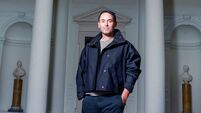
'Sometimes we are unaware that we are in a historical moment until history tells us we are'
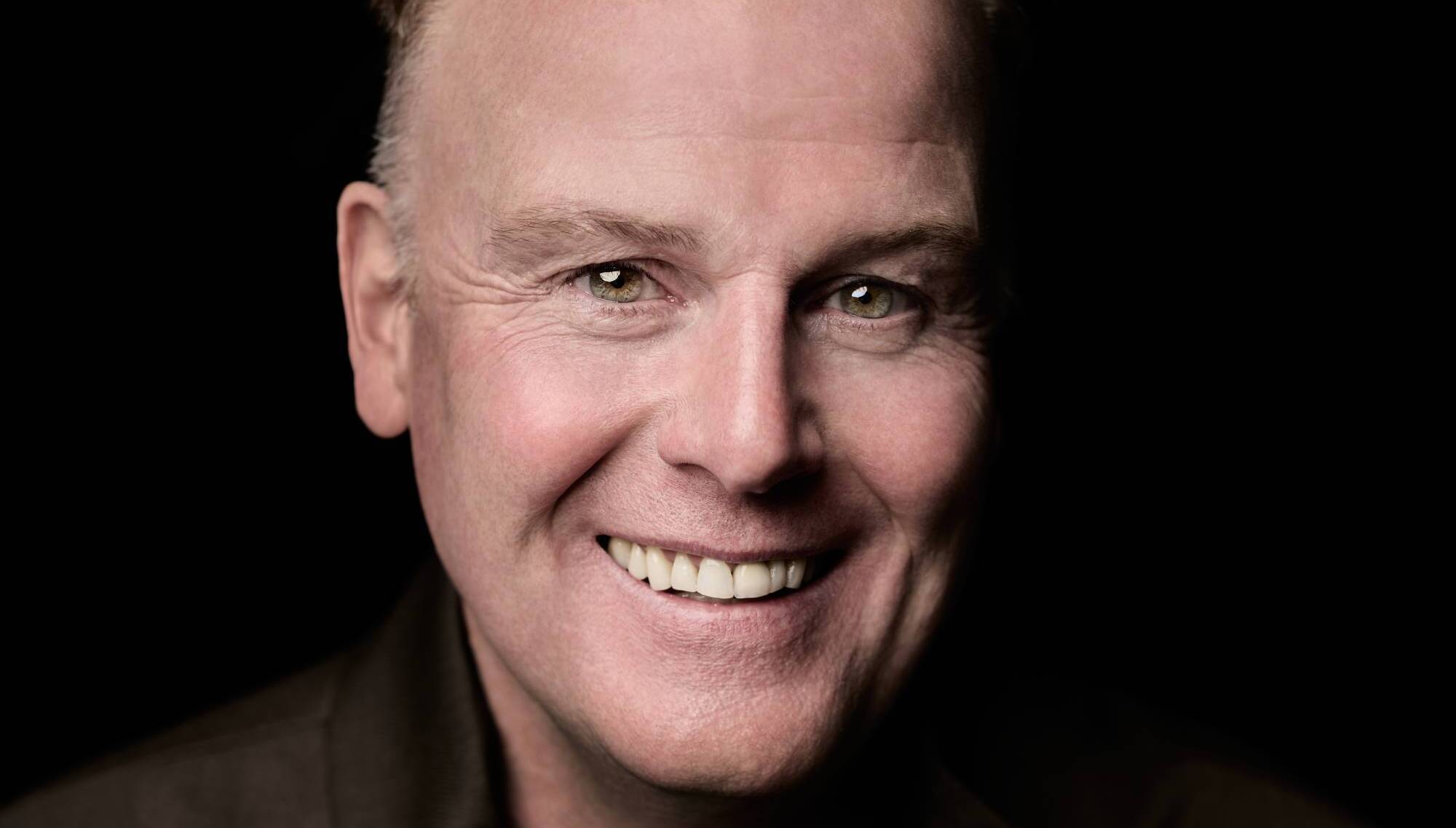
Andrew O'Connor: 'I loved London. There was a big international mix in the West End. It was a really great place to be. And there was no hostility.'
May 1998, I was just starting out in my PR career in Dublin when a journalist friend, Keave O’Donnell, offered me a last-minute invitation to tag along to an assignment she was covering for RTÉ across the border.
Having never set foot in Belfast before, I agreed on a whim, completely unaware I was about to be thrust directly into a monumental moment in modern Irish history. Upon arrival at the Waterfront Hall on May 19, I discovered it was a high-voltage concert where U2 and Ash were performing to 2,000 secondary students who’d been bussed in from across the political divide.
This wasn’t just a gig but a final, desperate push to secure a Yes vote for the looming Good Friday Agreement referendum just four days later, which was facing fierce opposition.
The Troubles in the North had been a backdrop to my growing up in Meath. It was on the news, on TV; we were extremely aware of the Northern Ireland Troubles, but in the South it didn’t impinge on day-to-day life — we got on with our lives; the North seemed so near, yet so far away.
Funny, I had to go abroad to experience the Troubles of the North. After university, I did a stint in New York, then moved to London. I worked in the West End, at Hamleys on Regent Street. There were regular bomb threats and disruptions to daily life. When I started in Hamleys, we had a week’s induction, including a security briefing on what to do when there was a bomb threat.
I loved London. There was a big international mix in the West End. It was a really great place to be. And there was no hostility — I never felt that. But there was a slight undercurrent, the perception of being Irish coloured through the news coming from the North.
I remember... something had happened in London... a good friend asked, “Are you not ashamed to be Irish?” That really hit because it had nothing to do with me. She said, “But it’s being done in your name.” I said: “No, it isn’t.”
Maybe she just wanted to ask what I thought, maybe for me to make a stand. If I’d never left the South, I wouldn’t have been asked a question like that.
That day, in May 1998, my friend drove us to Belfast. Along the way, I was finding out what the story was. I hadn’t even known I was going to be seeing U2 play or that there’d be major politicians. Once in the Waterfront, this wave of excitement from the teenagers, you could really feel their enthusiasm. We were seated above, looking down, though only in my 20s I remember feeling slightly old all of a sudden. They were so young, enthusiastic, excited.
And the excitement just there in the air, you’d want to be made of stone not to be swept up. Even then, you could see this would be a pivotal moment. All these young people — most hadn’t reached the age to vote — were there in support of a Yes vote and they were going to have an influence on those who voted.
That’s what really struck me. Through music, they were using their voices, even if they couldn’t on the ballot paper — a powerful generation explicitly demanding peace and a brand-new future.
When Ash started playing, the young people went crazy. Then U2, Bono... the whole place erupted in applause. And then the iconic moment, often credited with swinging public momentum to pass the referendum: John Hume and David Trimble invited onto the stage.
Jacketless, they walked up to Bono, and Bono took both their hands and raised them up in the air, and the whole Waterfront went absolutely crazy. This euphoria! Just getting swept away. We all stood in that moment.
I remember Keave beside me; she put down her pen and paper and she stood up, clapping her hands. The journalist had become involved in the story. That’s how iconic it was.
That concert is often cited as a big decider in getting the referendum across the line. It made me realise: Sometimes we’re unaware we’re in a very historical moment until history tells us we are.
For those of us who remember the Northern Ireland Troubles, it did all seem insurmountable at the time that things could ever change. But it did stop. That day at the Waterfront showed me that anything is possible. If there’s enough collective will, even the deepest divides can be bridged.
Seeing how music and negotiation could bridge two opposing sides made me realise the immense impact the arts can have on society. And the deep responsibility that comes with being a storyteller trying to capture human conflict.
It was an enriching experience done on a whim. That’s the nice thing about being young — you do say ‘yes’ more than ‘no’. And because of it I saw history in the making.
- Andrew O’Connor’s is shortlisted for the WHSmith Popular Fiction Book of the Year in association with Ireland AM at the An Post Irish Book Awards 2026. Winners will be announced on December 1. The overall An Post Irish Book of the Year winner will be announced on RTÉ One on December 10.

BLACK FRIDAY
Already a subscriber? Sign in

CONNECT WITH US TODAY



Be the first to know the latest news and updates