My daughter was born with a birthmark on her face — I decided to be her advocate
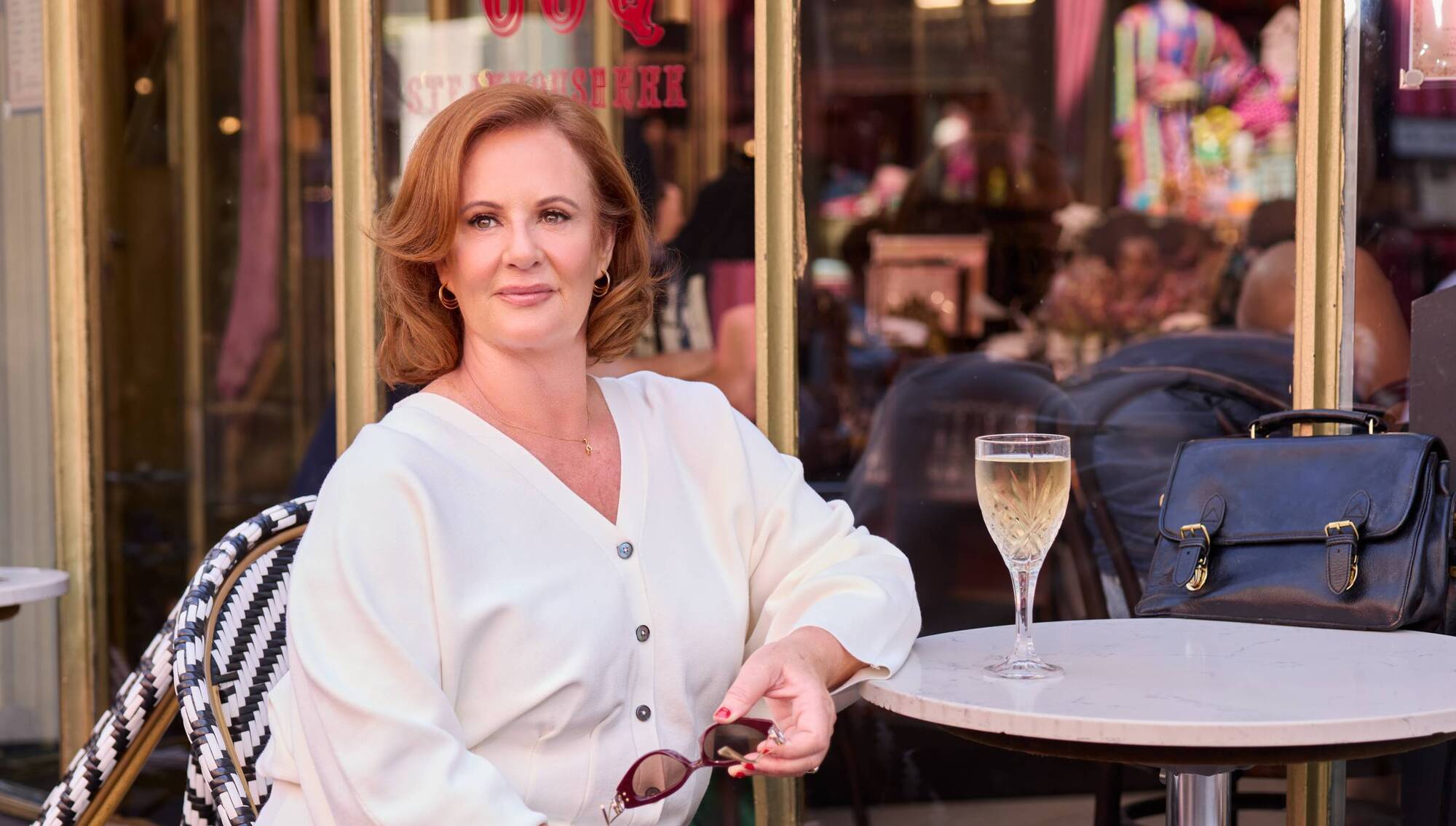
From the moment Kerry Hanaphy’s daughter was born with a facial birthmark covering 80% of her head, she became acutely aware of how differently people can be perceived because of the way they look. Hanaphy wanted to ensure her daughter grew up feeling confident, comfortable and secure. She tells Helen O’Callaghan about the the journey
Kerry Hanaphy: "For the doctors, the birthmark was cosmetic. Their concern was whether she’d achieve her milestones. She might have problems with swallowing, epilepsy, glaucoma, and development."

Kerry Hanaphy: "For the doctors, the birthmark was cosmetic. Their concern was whether she’d achieve her milestones. She might have problems with swallowing, epilepsy, glaucoma, and development."

I married in 1992; I was 21, living in London. I got pregnant very soon. Initially, I thought it wasn’t great timing, but I got into the mentality of ‘I’m going to be a mum’.
Emily was delivered very quickly, in 40 minutes — a safe delivery. She had a birthmark on her face — medics wondered if it was blood. They washed her, but it didn’t come off. I was told it was a bruise due to the fast labour, but not to worry. It actually was a birthmark. The doctor said: “There’s nothing to be done; you just have to accept it.”

When a baby’s so small, wrapped in blankets, all you see is their head, this jet-black baby hair — and 80% of the front of her face and half her head covered in a birthmark. It was a shock. I was distraught, in disbelief. Why her face? Why not her legs, her back? I was a young mum; why had this happened?

I remember calling my mother in Dublin. Everyone waiting to hear her name, her weight. I wasn’t able to speak. Roaring crying down the phone, saying: “She’s got this big red face; we don’t know why”.

My mother jumped on a plane, stormed into the hospital, asking, “Where is she?” She was more worried about me. The good thing... she was there to support me. I just wanted to get out of hospital, get my head around it all. We left with no after-care, no follow-ups.

As with any new mum, the first six weeks were the hardest. But Emily was the best baby; she slept, she was docile, a very cute baby in photos I have. She’s 33 now, a mum herself, two babies — her five-month-old is the image of her but without a birthmark.

Kerry Hanaphy: "The most important thing is I didn’t make it about me; I did the work for Emily: that she’d be comfortable having a birthmark and talking about it."

Back then we walked around with prams. Everyone poked their head in. Even going to the local shops, you don’t realise how many times! They’d look in and go ‘Okay’.

I learned very quickly to say: “This is Emily; Emily has a birthmark,” before they even saw her.

All through her schooling, before she joined a school, I’d go with her to her first class, say to her classmates, “This is Emily; you don’t need to talk about her face because this is a birthmark.” 

When kids know what something is, they don’t bully you.

She went to a lovely mixed secondary school. She’s cute, a very sweet person, with a nice disposition. The students looked after her because they knew what was wrong with her.

If I didn’t let people know, anywhere we ever went, it was asked, “What’s wrong with her?” On holidays, it was, “Do you know your child is burned?” One lady told me to take her out of the swimming pool because she had chickenpox on her face.

At six months, I brought her to the dermatology department at Great Ormond Street Hospital. Because of the expanse of her birthmark — it covered the back of her eyes and an extensive part of her head — they said it wasn’t just a birthmark. They diagnosed Sturge-Weber syndrome, a rare neurological condition, a whole medical area I knew nothing about.

For the doctors, the birthmark was cosmetic. Their concern was whether she’d achieve her milestones. She might have problems with swallowing, epilepsy, glaucoma, and development. That was a huge shock. We now had to watch whether she’d have fits or be able to sit up.

They put us in a support group, which didn’t help me personally, although through it, I did realise that I was worried about Emily’s future, not about what it did to me. Some parents wouldn’t let their children be photographed because of birthmarks.

I decided I’d be Emily’s advocate, make sure she wasn’t bullied, and that she got whatever she needed. She had 13 laser treatments between one and 15 years old; they helped a bit. At four, she developed glaucoma; by eight, she needed lots of medication. At 14, she lost vision in one eye, short-term, luckily. They did two surgeries. The treatment worked until she left school.

At 23, the pressure in her eyes became severe. She needed radiation therapy on her eyes. She’s been through the wars, but she’s been very well since meeting her husband and having the children.

When you have a child who looks ‘different’, people stare; you get smart comments. I’m very aware of how people can feel as a result of how they look.

The most important thing is I didn’t make it about me; I did the work for Emily: that she’d be comfortable having a birthmark and talking about it. She needed to be able to do her eye drops very early on, or she couldn’t have gone on sleepovers. It was about equipping her practically and around managing people’s reactions.

We’re the richer for it. My second girl, who is 10 years younger than Emily, is very sympathetic to anyone with something wrong with them. Sometimes it’s good to experience things in life that aren’t the easiest path.

  • Having seen how appearance can affect the way someone is treated, Kerry Hanaphy understands well the emotional side of aesthetics. She is the founder of Kerry Hanaphy Clinics, one of Ireland’s leading doctor-led aesthetic clinic groups delivering advanced aesthetic, skin, and wellness treatments. Visit www.kerryhanaphy.com.

More in this section

Lifestyle

Newsletter

Eat better, live well and stay inspired with the Irish Examiner’s food, health, entertainment, travel and lifestyle coverage. Delivered to your inbox every Friday morning.

Cookie Policy Privacy Policy Brand Safety FAQ Help Contact Us Terms and Conditions

© Examiner Echo Group Limited