Bernard O'Shea: Three Irish traditions that baffle the rest of the world
Head nods, lock-ins, and the GAA... unique ways to be Irish in an ever-more globalised world
'We know that a drink consumed under a 'lock-in' is far more valuable than something sipped within legal hours. There is a speakeasy risk to it all.'

'We know that a drink consumed under a 'lock-in' is far more valuable than something sipped within legal hours. There is a speakeasy risk to it all.'

We live in a globalised world, but we Irish have still found ways to stand out from the crowd. Here are three of them:

1: The head nod

When I was in college, in Dundalk IT back in the ’90s, there was a German student in our class. I did cultural studies, which was a brand-new subject in Irish education in the IT space at the time. 

As a result, we had a good number of international students, as it was a well-established subject on the Continent, but a difficult course to get into.

After nearly a full semester, the German student asked me, “Bernard, do you have a twitch?” I was a bit taken aback, as I initially thought I might have, but didn’t notice. I answered her, “No, why?”

“Because every time I see you in the corridor, you bobble your head up and down.” She was referring to the Irish head nod.

Eventually, she got used to it, but she never attempted it herself. I think it’s one of those things, like hurling, that you probably need to start at around age five or six to get the hang of it and make it natural. 

Without us knowing, there are several stages to it. There are three variants of head nods in Ireland:

  • The quick ‘well’. This is generally a quick flick of the head upwards, while internally saying ‘well’ to the other person from a distance. The recipient, via a subconscious neural link, accepts and reciprocates.
  • The sideways ‘Jaysus’. The head forms a smile and swipes sideways rapidly. This is generally, but not always, done to non-verbally communicate something that the previous night was ‘great craic’.
  • The upper triple nod. This is when you know the person quite well, but cannot stop for a conversation. It sends a message that both parties fully understand what they would have talked about if they had the time.

2: Lock-ins

This is as much to do with the Irish interpretation of the law as it is to do with drinking after hours. Tourists now want to be part of a ‘lock-in’, but still struggle to understand the rationale.

I was gigging in Norway this year, and an audience member asked me straight up about it after a show. “But if it’s against the law,” he said, “why is it allowed to happen?”

The best way I could describe it to him was that the English like rules and regulations, the Italians beautifully ignore them, and the Irish see rules as a fun game. The game generally involves the saying, ‘Ah, there’s a way around that’.

Essentially, the Irish accept that there are rules, but find a way to bend them just enough without breaking them.

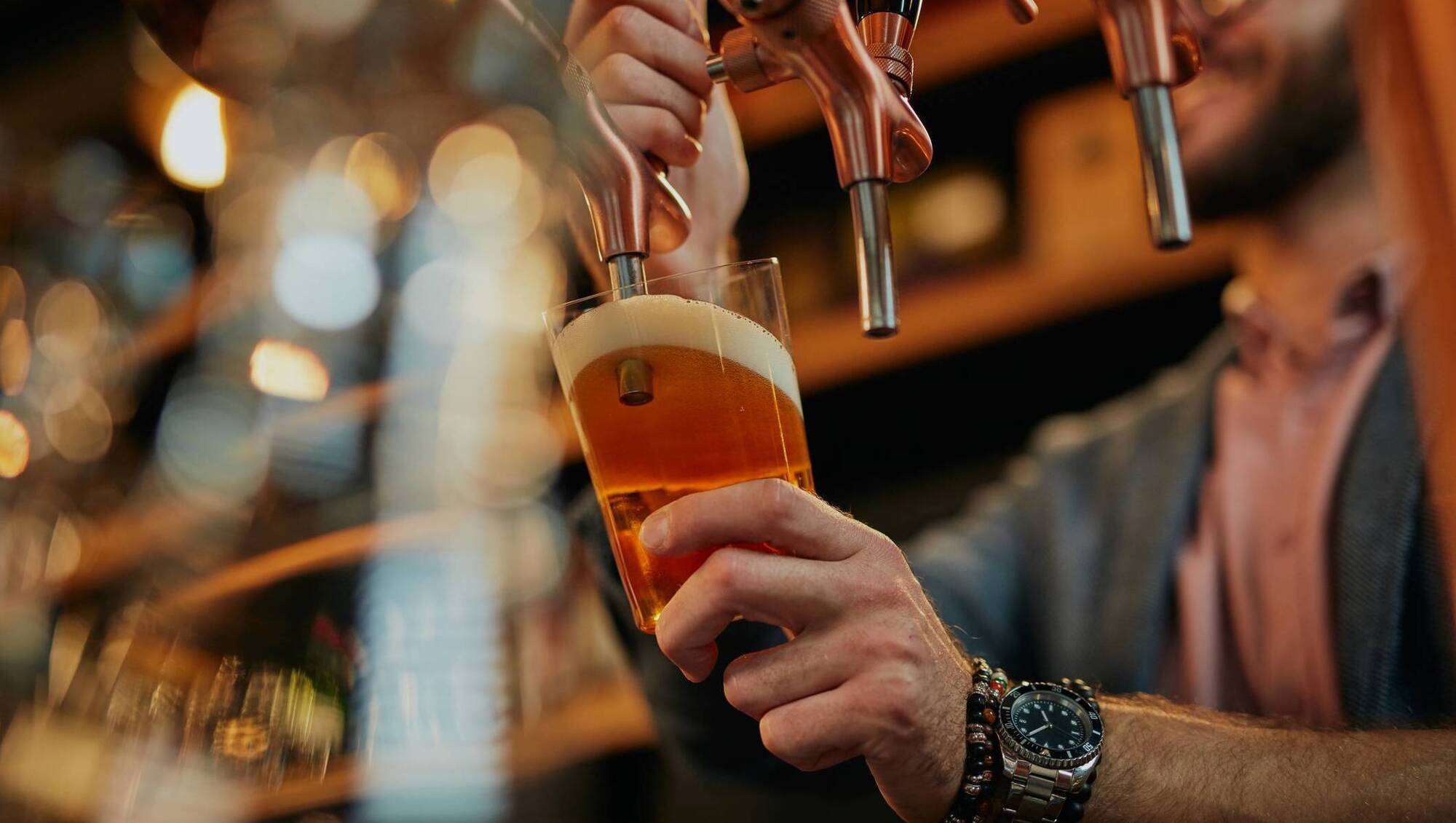
We know that a drink consumed under a ‘lock-in’ is far more valuable than something sipped within legal hours. There is a speakeasy risk to it all. 

One minute, you’re doing something 100% legal, and, quite literally the next, your identity is a person who’s risking life and limb for that extra pint, but doing nothing different at all, except… it’s in a different time.

Physically and metaphysically, ‘lock-ins’ are outside legal and conscious time. It’s the twilight space where the real craic happens.

If the law catches you, it’s almost natural to tell the gardaí your name is ‘John Murphy, Main Street’ or ‘Mary Murphy, Main Street’; millions of summonses have been sent to those unfortunate people over the years.

3: The GAA

It seems so natural to us to have a complete understanding of the GAA’s inner workings. But think about this. It is rare in other countries to have two, not one.

Still, two purely amateur sports are played in every townland, village, town, and city, drawing millions of spectators every year as amateur athletes play to a professional standard in big stadia, with crowds predominantly from the county they represent.

Even if you take a town anywhere in the world with rugby, football, or cricket held together by volunteers giving up their time and with players playing for fun, those sports still have professional pathways. Also, those sports are played around the world.

I once brought a Swiss friend to a game in Croke Park, and she commented: “Where are all the police?” This is something else we take for granted.

If you have ever gone to a soccer match abroad, there are police everywhere, but think about it. How many gardaí and heavy security would there be at a GAA match?

I tried explaining to my friend that we self-police ourselves. The inevitable retort was, “But what about the fans? Will they not fight?”

This is so normal for us that at a GAA match, fans will have a few verbal exchanges, but it rarely, if ever, ends in a riot.

Dublin were playing my county, Laois, that day, and she asked: “But Dublin has one million people, yes? And where you’re from has 80,000, so how does that work?”

At that point, I gave up: Some things are just too complicated.

More in this section

Lifestyle

Newsletter

Eat better, live well and stay inspired with the Irish Examiner’s food, health, entertainment, travel and lifestyle coverage. Delivered to your inbox every Friday morning.

Cookie Policy Privacy Policy Brand Safety FAQ Help Contact Us Terms and Conditions

© Examiner Echo Group Limited