Fionnuala Jones: I've become the influencer I once mocked 
“While it's not a crime, what I'm doing no longer feels creative — rather, it feels like a form of pollution...”
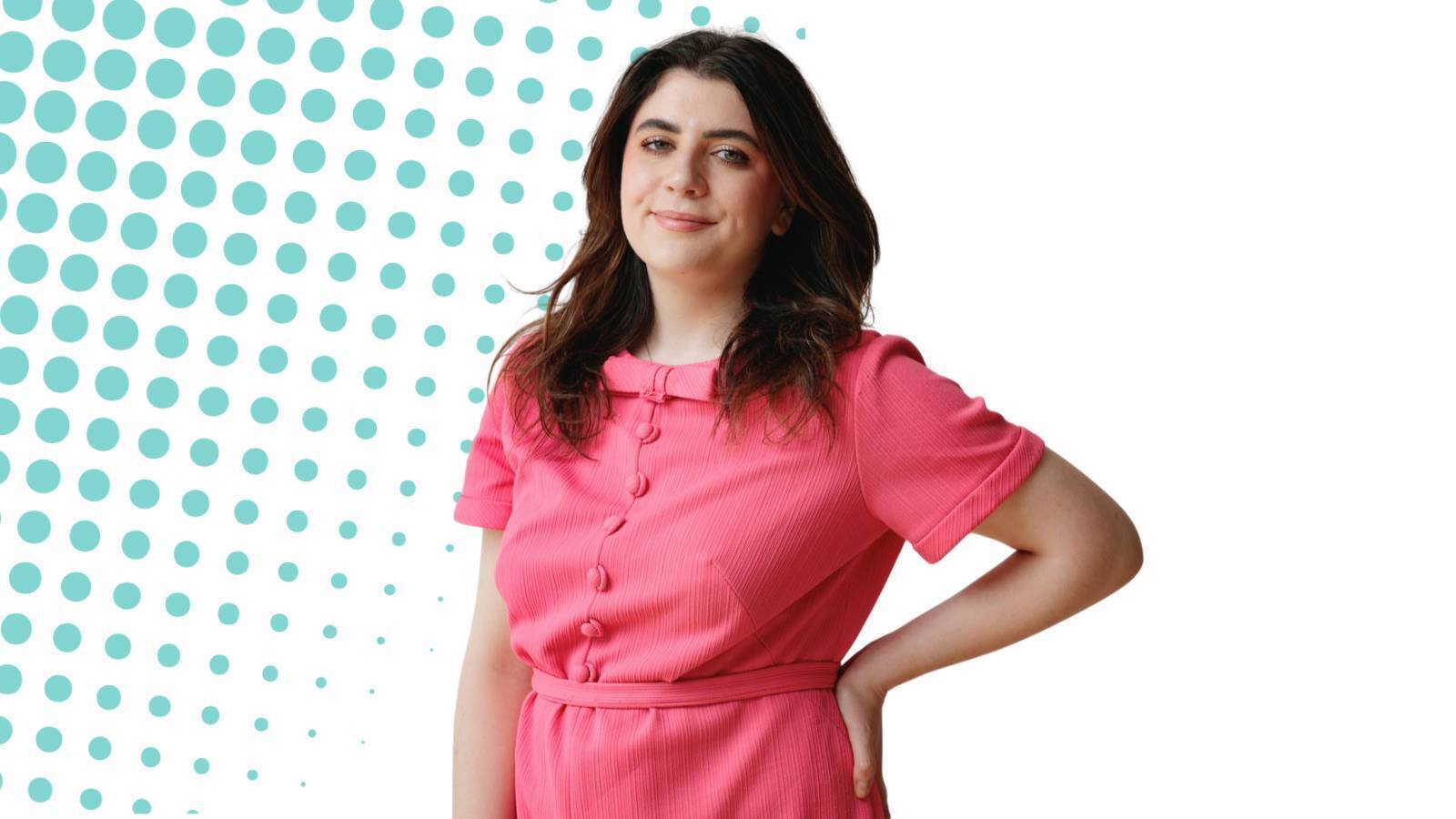
Fionnuala Jones: YouTube was a platform for hobbyists, sharing their passions alongside their day job. Then, in 2007, YouTube introduced creator monetisation. Picture: Bríd O'Donovan

Fionnuala Jones: YouTube was a platform for hobbyists, sharing their passions alongside their day job. Then, in 2007, YouTube introduced creator monetisation. Picture: Bríd O'Donovan

Over the summer, online discourse about the existence of influencers ramped up. If you have no idea what I’m talking about, I envy your low screentime and grass-touching abilities.

Two events collided to create an absolute maelstrom of debate. An antiques store in Nantucket installed a sign saying “no influencers” — John Sylvia, the owner of Four Winds Craft Guild, said he had become frustrated with his family business being used as a stage for content.

Within the same timeline, an influencer named Levi Corlynn uploaded an Instagram video with the opening sentence: “I think hating influencers has become a socially acceptable way to hate women.”

At first, this take stopped me in my tracks. I thought she was dead right, having come off a couple of weeks of sustained harassment from one person who hates how I look. I thought about all the times my female counterparts had to answer for their various online “crimes” — having opinions, making mistakes publicly, looking a certain way — while men doing similar things skated by largely unscathed. I thought about the men who muscled into the space, originally mocking influencers and their freebies, before becoming ones themselves without a word of acknowledgement.

And then I remembered how I had started.

I grew up on the first cohort of influencers, on YouTube. It was a platform for hobbyists, sharing their passions alongside their day job. Then, in 2007, YouTube introduced creator monetisation. You could now make money on the platform through advertising. The industry grew more glamorous and aspirational. Eventually, some of the people behind my favourite YouTube channels were pursuing full-time careers online.

As videos and attention spans got shorter, with Instagram reels and TikToks, the industry grew tenfold — and women were leading the charge. After finding solace and community in online spaces, they were being encouraged to consider influencing as a means of achieving financial independence. I wanted in.

My first online comedy “sketch” was about influencers at the airport. I can’t remember it in full, but it took aim predominantly at female influencers, toting monogrammed suitcases around the terminal. It was very tongue-in-cheek, while also being very specifically gendered, skewering this new archetype that was growing more and more divisive. I was thrilled that I was establishing myself as, ahem, Not Like Other Influencers.

My content changed over the years, but my success continued. I bought a house with my husband off the back of it, and began working for myself full-time. I thought I had hit the jackpot — it hadn’t dawned on me yet that what I had actually done was leverage the growing contempt people had for women online to save my own ass against the backdrop of a flailing economy. Now, I’ve become financially reliant on the industry I was once happy to mock — one that promotes overconsumption and consumerism, one that relies on tech companies that make children miserable and addicted to their platforms. Quite often, it’s one that’s shallow. And while that’s not a crime, what I’m doing no longer feels creative — rather, it feels like a form of pollution. Now, I am not sure I empowered myself through this career as much as I sold my soul.

So, where does that leave me on the take, ‘is being anti-influencer inherently anti-women’?

Ultimately, I think women continue to be the scapegoat for systemic societal issues that involve us all. It is very easy to slate someone with a tripod when you’re not in the game yourself. Does that make all criticism of the wider influencer industry inherently misogynistic? No — its culture promotes a sense of hyper-individualism that simply cannot go unchecked.

So, I’ve hit my own personal influencer cliff — a term coined by influencer @carmsscrolls to describe a tipping point where an internet creator loses audience trust and engagement because the pursuit of scale or commercialisation breaks their connection with fans. I’m weighing up my options — dog-walking is looking pretty good.

More in this section

Lifestyle

Newsletter

Eat better, live well and stay inspired with the Irish Examiner’s food, health, entertainment, travel and lifestyle coverage. Delivered to your inbox every Friday morning.

Cookie Policy Privacy Policy Brand Safety FAQ Help Contact Us Terms and Conditions

© Examiner Echo Group Limited