Irish in London: 'People here feel they are in on the joke, but my relationship with my Irishness is tenuous'
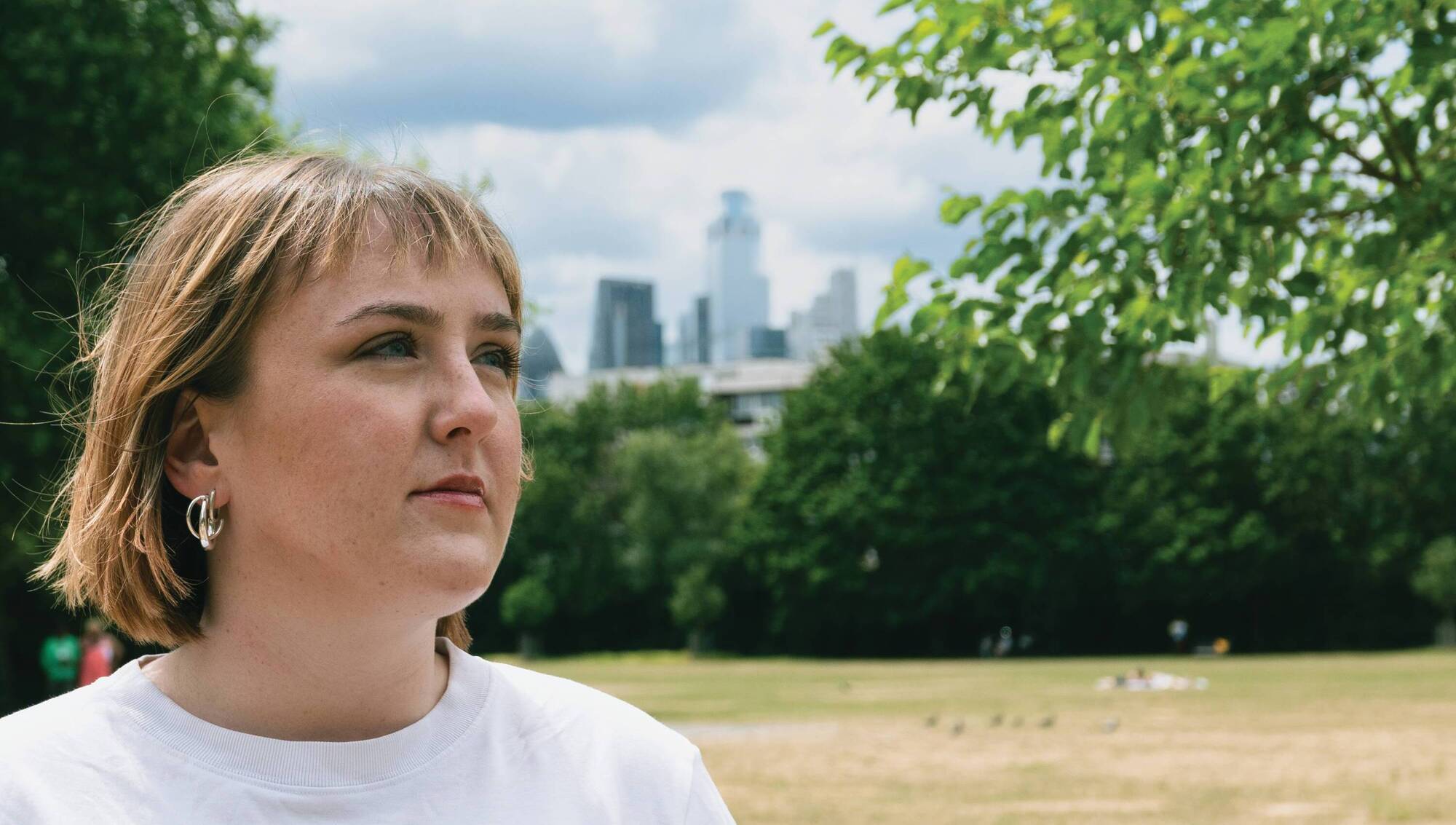
Jordan Lynch: Someone somewhere made being Irish cool. Picture: Robyn Black
I moved to London in August 2020, foolishly thinking we were over the worst of the pandemic. With big ideas about who I was going to be now, and the exciting things I was going to do, I spent the bones of a year cooped up in my Granny’s house on the very edges of South-West London, waiting for the day my life would begin. Incubation or purgatory, depending on your worldview.
Eventually, restrictions lifted and London unfurled gloriously. And for me, it was everything I wanted it to be. Galleries, architecture, raves (nobody more surprised than me that I like them), food from every corner of the world, and it’s all just a £2.30 tube ride away. London lives up to its reputation. There is something magic in the air, a sort of equal opportunity to gorge yourself on experiences. There all these juicy pockets of arts and culture to dive into here, and I wanted to suck the marrow out.
When everything opened up, I told myself I would buck tradition, but in typical fashion, the first friend I made here was from Donegal, and I accepted that some things are clichés for a reason. I had thought that there was no point in coming all the way here just to make friends with people I could at home, but I was wrong. London can be brutal, and sometimes you don’t want to have to explain yourself. You don’t want to have to say ‘car’ 10 times in a row because people cannot understand when you pronounce your Rs.
And so, I finally understood why my grandparents who had emigrated here in the 50s spent all their free time at Irish dance halls and clubs. But lots about the traditional London Irish experience is a world away from what it was. Home is usually only ever a €20 flight away. I wait minutes, not weeks, to hear from my loved ones. I’m in constant contact with my friends from school, none of whom actually live at home anymore.
During this time, something shifted in how Irish people here are regarded. When I first arrived, I was constantly asked if I was from Southern Ireland, and once if we had electricity there now. I had posh boys mock my accent, had posh boys tell me it was a century ago and they had nothing to do with it so why can’t we all stop banging on about it. Had a colleague (surprisingly, not a posh boy) tell me, as I studied the bomb threat manual for my first job in the civil service, “yeah, that’s because of your lot that is.” And after each encounter, I thought to myself, that’s about what I expected.
But then something happened. Sally Rooney, Saoirse Ronan, Fontaines D.C., Paul Mescal, CMAT, whoever you want to pin it on, someone somewhere made being Irish cool. A perfect storm happened and suddenly my Irishness was a currency. I had a presumed coolness because of my accent. Boys on Hinge message me enthusiastically to tell me they have an Irish grandparent, they did a semester in Galway, they love Normal People. On a baking hot summer’s day in the park, a tipsy girl from Winchester explains the Celtic Tiger and its economic and cultural impacts to me.
Go tobann, it’s 2022 and a barman at The Elephant tells me he’s going to pull me the best pint of Guinness I’ve ever seen. I roll my eyes, I’m both dubious and uninterested in his showmanship. He maintains eye contact with me as he sets a five-minute timer on his phone before he tops off the glass. The pint is fine. This is the end of shit London Guinness, and the advent of splitting the G. I recently told my boyfriend that within six months someone he knows is going to tell him he needs to try a Murphy’s. It takes two weeks. It’s easier now to get a Beamish in London than it is to get one outside of Cork at home.
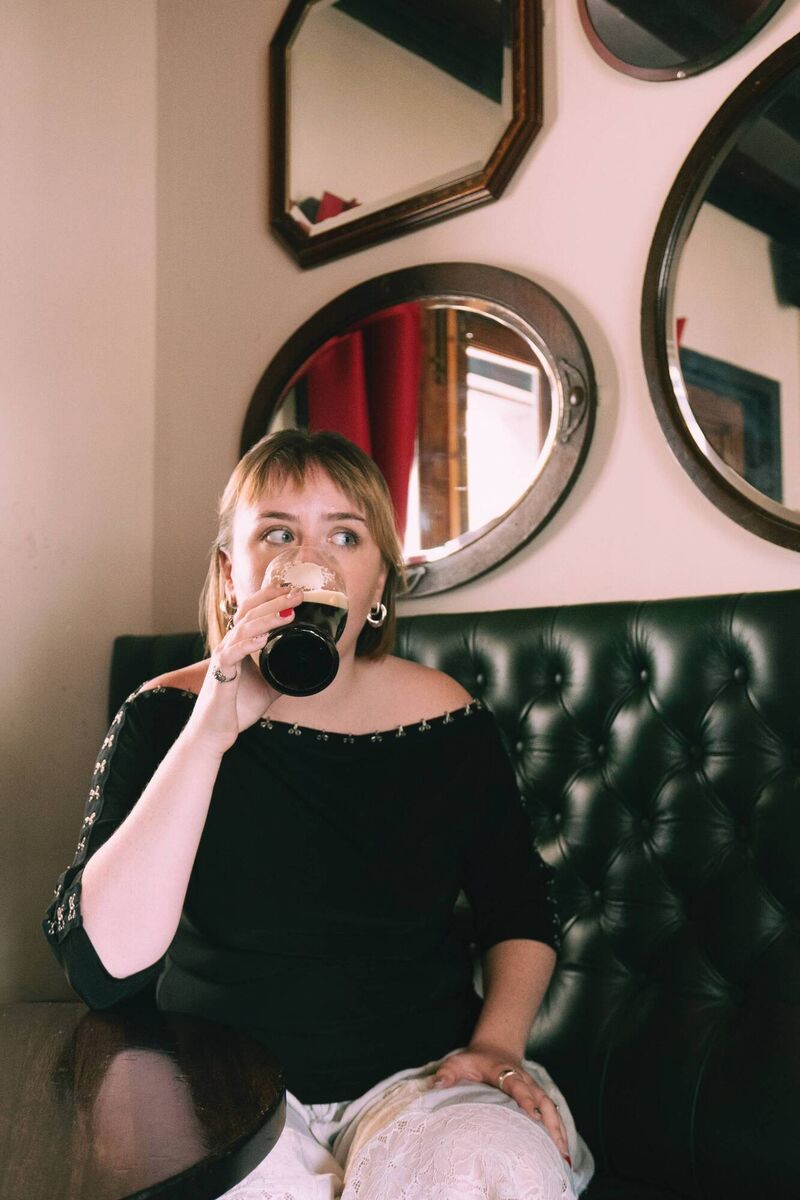
There are Irish language lessons in pubs here, and they sell out. You can get a chicken fillet roll on Broadway Market or spice bags in Deptford. One summer GAA shorts were all the rage. I tell some guy I’m seeing that I want to write a short story about Banshees. A few months later he sends me the trailer for Banshees of Inisherin and now everyone knows about them.
It’s not as if acceptance of Irish people here is that recent. I think that happened well before my time, but there is a knowledge now that feels new. A presumption even. Kneecap are lauded and revered by my coworkers. People here feel they are in on the joke now. But my relationship with my Irishness here is tenuous. I think about it much more than I ever did before.
It sometimes feels like there’s an expectation to perform. I feel I’m acting out a version of Irishness that wouldn’t have felt authentic to me at home. I’m at Mascara Bar or The Aul Shillelagh, singing along to classic Irish songs. Not trad per se, but Saw Doctors and Bewitched. I’m Irish dancing on St Patrick’s Day. I watch the All-Ireland final, something I haven’t done since I was a child. I think nostalgia and homesickness are a natural fuel for these things, as well as appreciating your culture more with age. But I think there is also an attempt at reclaiming something.
I think again of my grandparents. Is this how they felt, singing trad songs in Gangley’s and waxing lyrical about home? Did they also wonder to themselves, well then what the hell am I doing here?
People here want to talk to me about the benefits for artist’s scheme. But what about Direct Provision, I think, or the housing crisis, the cervical cancer screening scandal, the shocking lack of access to gender affirming care for trans people? All the reasons I left home. I am more accustomed to lamenting the state of affairs in Ireland, and it makes me wonder if I’m missing a trick. Where was I when Ireland was getting cool? Did I leave before the party got going?
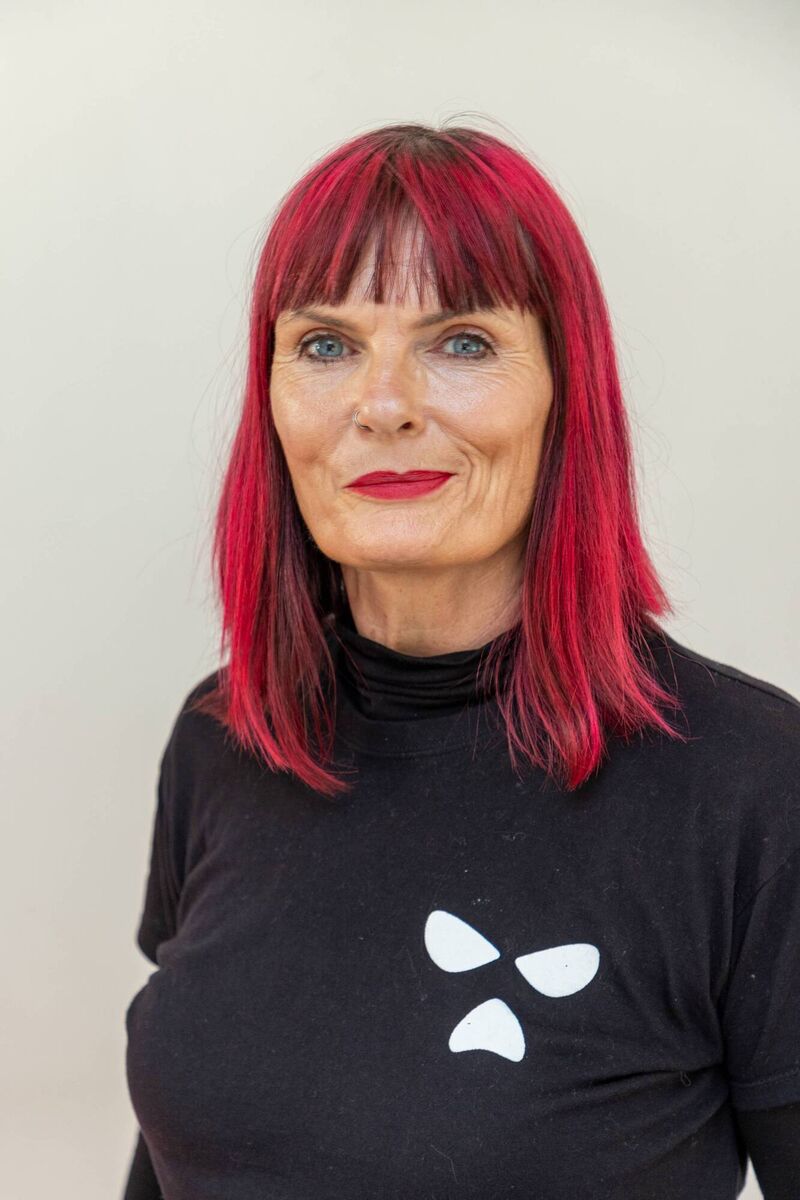
In the summer of 1987, I took the Abortion Express to London. That’s what the coach was known as — Ryanair hadn’t yet been invented, so coach and ferry were the only option if you couldn’t afford Aer Lingus. It was during a recession, but unlike many of my peers, I wasn’t leaving Ireland for economic reasons — I had a job.
No, I was leaving for cultural reasons. Bright lights, big city reasons. I wanted adventure, to go to gigs every night in mythical places like the Town & Country, and the Marquee, and the Electric Ballroom. Ireland was still in its Ann Lovett era, and I was keen to get away. I was 19.
Historically, when Irish people came to Britain, they’d seek each other out.
Irish pubs, Irish dancehalls, Irish churches — an umbilical thread to the motherland.
I, however, was so keen to cut that cord that, in frustration, I’d been cutting myself instead, which is why one of the few things I carried with me to London was a psychiatrist’s letter directing me to the nearest mental health facility.
My backpack contained an envelope and headed sheet of paper suggesting I was not entirely of sound mind, that my mental health was a bit precarious. I disagreed.
I was fleeing 1980s Ireland — war-free, famine-free, pestilence-free — because it was still in the chokehold of a theocracy emphatically opposed to girls just wanting to have fun. Any fun. Ever. A place where divorce, abortion, contraception, and being gay were illegal, but marital rape was not. I could not get on that coach fast enough.
This was the pre-Prozac era, a time when being under the care of even a counsellor — never mind an actual psychiatrist — was the equivalent of a full-page newspaper advertisement, announcing in banner headlines: “She’s Off Her Rocker”.
The letter I was carrying told whoever it might concern that this 19-year-old patient had discharged herself from the care of the psychiatric services in Cork, and was heading to London — against the best advice of these services — to start a new life.
The letter told whoever would read it that this young woman, as well as being prone to self-harm, totally lacked direction.
That’s what it said.
It was those three words to which I objected most strongly. The cheek of it.
I’d just propelled myself in an unwavering, south-easterly direction across the Irish Sea, arriving precisely on target to this mythical city, this cultural Mecca of my teenage dreams.
Bullseye.
It was a city where, admittedly, I had no job, nowhere to live, and only the flimsiest of contacts, but such details were of little concern; I had a foolproof plan.
I would sign on the dole. I would get a cool, easy job doing something cool and easy that paid cash in hand. I’d hang out in cool places I’d read about in The Face and NME and make cool friends.
Of course, I would. Self-absorption, emotional immaturity, and fearlessness born of cluelessness would see me through.
This was not yet a London full of Fiachras and Fachtnas in fintech, or a BBC awash with smooth Irish accents.
In 1980s London, being Irish had little cultural cachet; St Patrick’s Day and Halloween only happened in a few North London pubs.
Being Irish was still more synonymous with bombs than Booker Prizes.
It was also still a London where you could sign on and get your rent paid in full, which is how I ended up in a nasty little bedsit in a building full of psychopaths on a main road in North London.
The noise of the traffic would keep me awake all night. I didn’t care.
The rent — an outrageous £70 a week — was paid by the local council while I was “actively seeking employment”, which I definitely wasn’t.
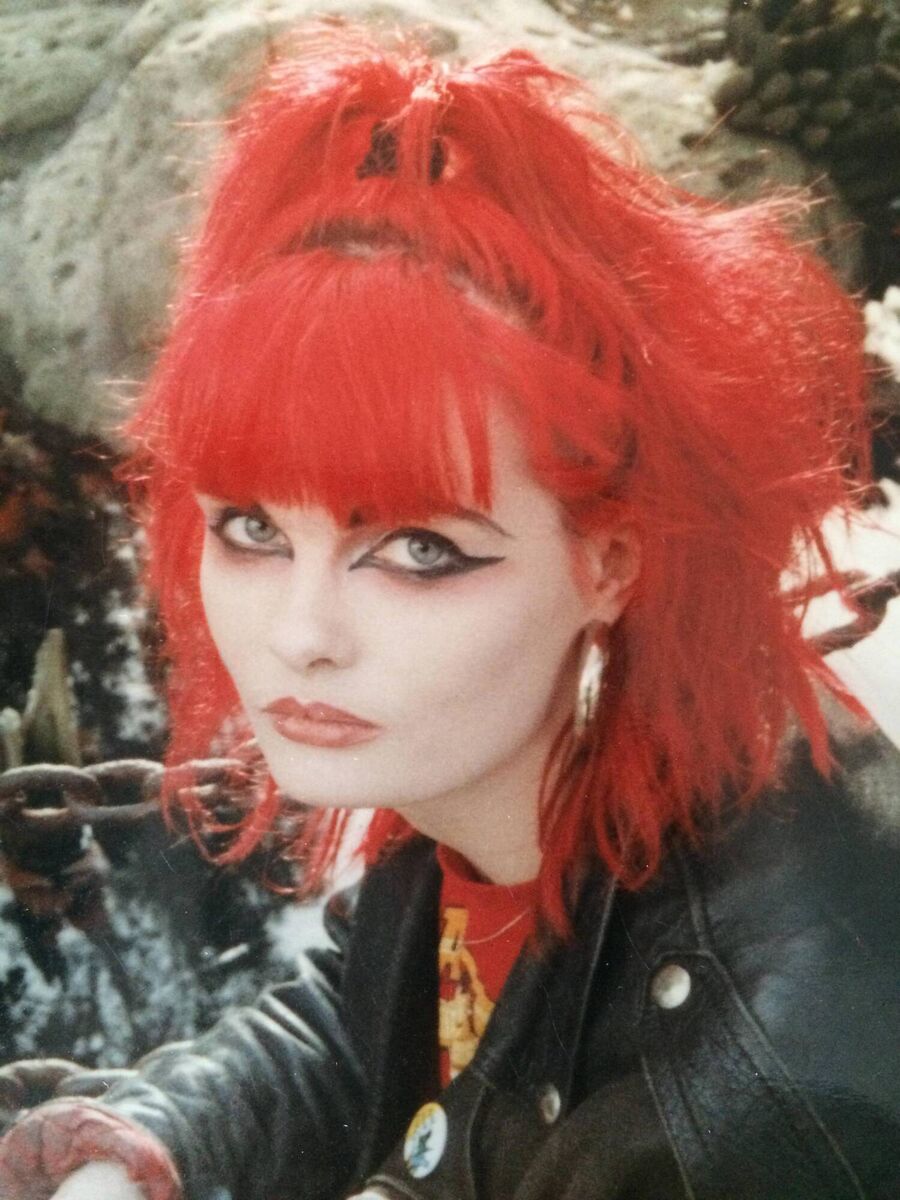
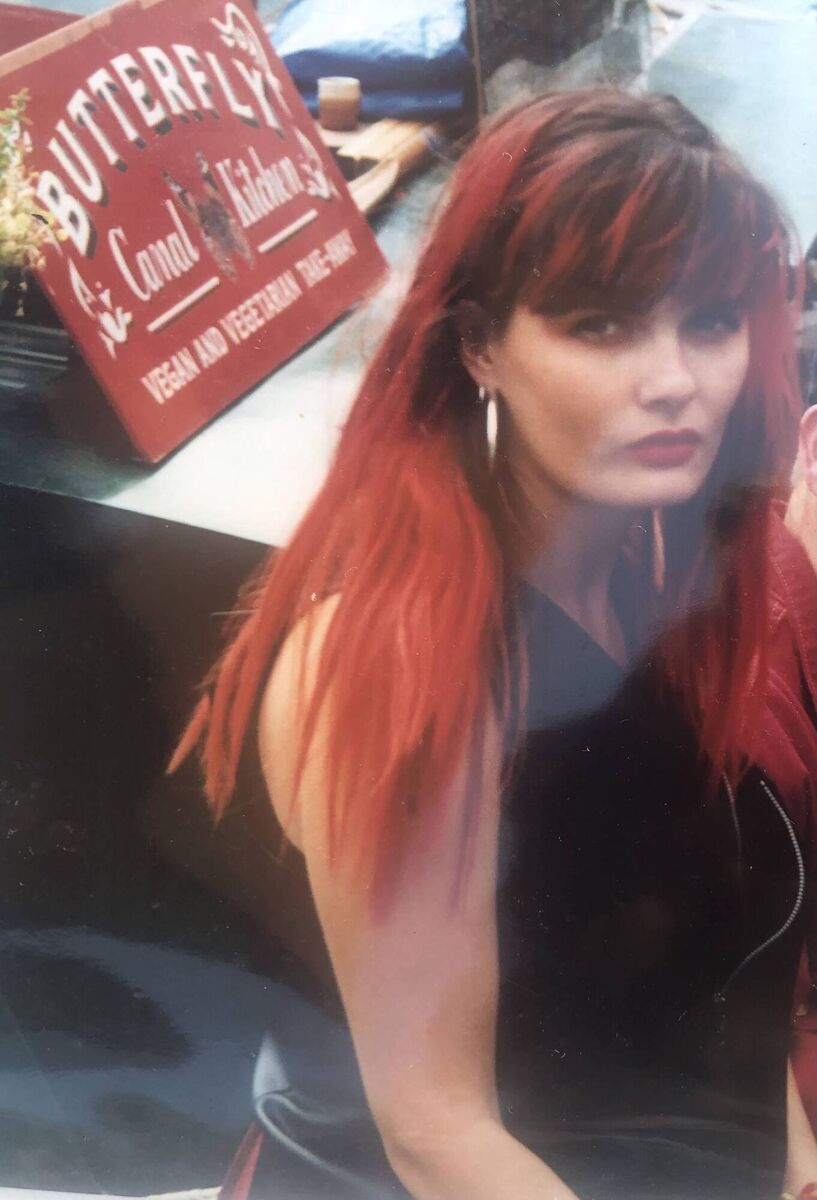
I was getting £31.45 a week dole and got a weekend job in the Goth paradise of Kensington Market earning £15 a day, selling second-hand 501s to Brosettes, before moving outdoors to Camden Market, which was colder, but with better people watching.
I had arrived.
Obviously, the whole thing was a bit of an adjustment. The handful of gig buddies I knew all lived in South London squats, so I had to get familiar with a tube map and an A-Z in the days before Google Maps.
Nobody had a phone — landlines were an unaffordable luxury. To stay in touch with people back home, you wrote letters and posted them in red post boxes. Making a phone call to Ireland was an expensive, pre-arranged special occasion involving feeding a payphone a lot of precious 50ps while trying not to be distracted by sex worker calling cards offering mystifying services like French polishing and TV training.
I had to learn loads of new words.
Alright darlin’, dosh, giro, offie, geeza, old bill. Mind the gap.
London was unfriendly and anonymous and endless — I’d never been in a city where you couldn’t see the end of it, even from the top of a tower block.
It was thrilling.
Unlike Cork, you could dress up to the eyeballs and nobody shouted at you, no catcalls of “state-a-yer-one”. Just glorious anonymity.
I began meeting fellow goths at the Intrepid Fox in Soho and going to all-nighters at the Slimelight, then going straight to work at Camden Market the next morning, half dead.
I discovered speed, which was great fun if you weren’t bothered about sleeping or eating.
But I still had that psychiatrist’s letter.
Once I’d sorted shelter and basic income, I thought I should probably deliver it to whomever it was meant to concern — the mental health people in Cork had seemed to regard this as a priority.
My new GP, with his foreign English accent, cast a doubtful eye over the letter, then over me, before scribbling something.
An appointment was made at a place called the Whittington — I’d always assumed the story of the boy and his cat to be a fairy tale, yet this seemed to be a substantial North London hospital named after him.
I had high hopes for English mental health services. I was bound to be allocated a progressive London therapist who would be forthright and forward-thinking, accessorised by a floaty scarf, maybe some outsized acrylic jewellery.
There’d be abstract art on the walls, instead of overloaded corkboards pinned with notices about schizophrenia seminars.
I fancied a bit of glamour.
Instead, I got a prescription for Valium. That was it.
Turns out there were a lot more people a lot more off their rocker, in a lot more need than me, and further along in the queue.
I stared at the prescription for a while, this new piece of paper with the name of a substance that would numb me out like a 1950s housewife.
I stared at it and then I chucked it in the bin. I’d be grand.
And I was, kind of. I spent the next couple of years in London, soon swapping Goth for rave, before discovering an even better city further south. Somewhere hotter, cheaper, wilder, where the bars never closed and the clubs ran til morning. Where you could earn good money and work minimally — always my goal — just by being a native English speaker. Barcelona, pre-Olympics, pre-easyJet. Off I went, with three words of Spanish, no cash, and another foolproof plan.


CONNECT WITH US TODAY



Be the first to know the latest news and updates