Caitríona Redmond: Why are you paying full price for your clothes?
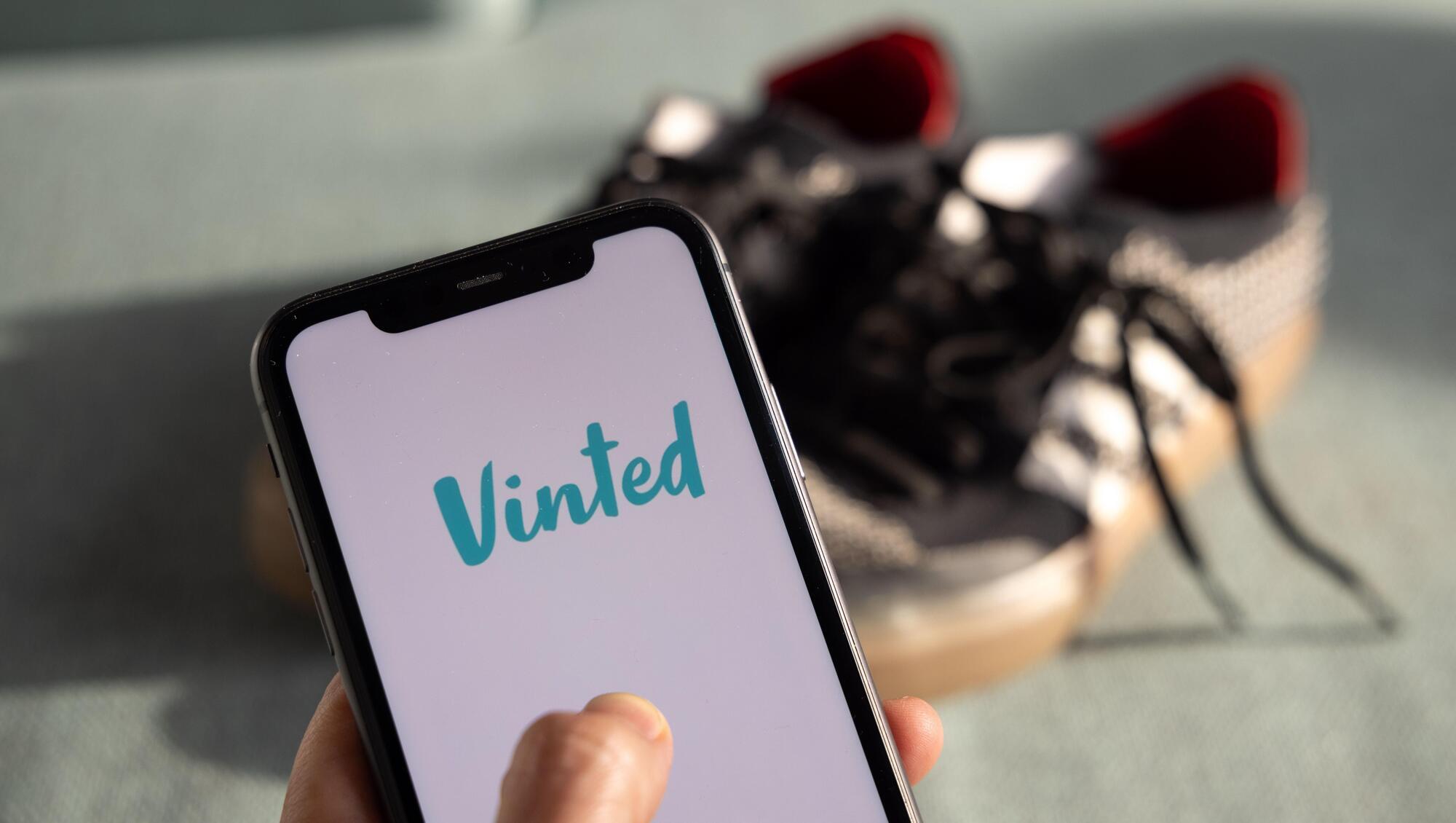
By buying and selling on Vinted, you can save a pretty penny on your clothes shopping, and even make a little cash yourself
Caitríona Redmond: Why are you paying full price for your clothes?

There are no commission fees or listing fees for private sellers, nor are there transaction fees. Buyers pay for ‘buyer protection’, typically about 5% of the item price plus 70c at checkout. File picture

I used to walk the markets around Dublin on Sundays and look at the second-hand stalls of bric-a-brac to see if I would find a gem.

But now that I’m studying at the weekends, half a day spent strolling up and down stands is time I don’t have. I’ve graduated to the virtual stall on Vinted, instead.

For me, Vinted is a system of delayed gratification. When I try on clothes, I take a note of the brand and the item name or code. I have a nice little list in the ‘notes’ app on my phone.

When I get home, I put the items in to a saved search on Vinted. Then, once a day, I check the app to see if anything new has arrived that matches my search. I enjoy the thrill of the hunt, and the delayed aspect stops me from spending money straight away.

There’s a ‘one in, one out’ rule in our house that helps prevent clutter and hoarding. 

I can’t buy something new without donating, selling, or upcycling what I’ve got. 

This is the perfect partner for my Vinted buying, because now I have to sell to raise funds to buy a replacement.

How does Vinted work? You search and browse the website or app. If you see an item you like, you can either pay the full asking price using the ‘buy now’ button, or you can also make an offer.

There are automated options to offer 10% or 20% below the asking price, or you can set the price you’re willing to pay. It’s up to the seller to decide whether to accept your offer.

There are no commission or listing fees for private sellers, nor are there transaction fees. Buyers pay for ‘buyer protection’, typically about 5% of the item price, plus 70c at checkout. The seller pockets the entire asking price, and the buyers pay for shipping.

Ireland is paired with France. While there’s technically no way for buyers to know where an item is sold from, the postal price is a decent indicator for small- to medium-sized packages. If the postage is priced between €3-4, the seller is based in Ireland.

From €7 onwards, you’re likely ordering from France. The postal service can get bogged down with volume, though: The combined impact of Easter and blockades at Rosslare delayed Vinted parcels from France.

Vinted has been great news for the Irish postal service, and An Post announced earlier this year that it intended to increase its workforce by 300 to keep up with parcel demand.

For my part, getting parcels with a smile from my own cheery postman is always welcome.

I wouldn’t say that all my Vinted experiences have been brilliant. There was the ‘nearly new’ dress that had been well-washed and worn, with threads pulled. I failed to notice the threads until I acknowledged the parcel was OK, which left me with no way to return the item or get my money back.

Last week, I bought a pair of runners that were marked on the listing as ‘brand new without tags’, but it was entirely my fault, I hadn’t noticed the paragraphs of text on the listing, which mentioned that the runners were actually 10 years old and only worn once.

Caveat emptor (buyer beware) means I should have read the full text before offering a price and buying them. 

Shoes and runners that have been stored for several years, even if new, can deteriorate swiftly once put to use.


On the other hand, my positive purchases have started to overshadow the poor choices. I picked up a new Marks & Spencer blazer, with the tags still on, for just over €25, including buyer protection and postage. It would have cost me €65 otherwise. It’s not just clothes, either; I’ve been buying special-edition books at a fraction of the retail price.

For me, it’s not so much of a money--saving tool as a method of staying on track. I’ve a set budget for clothes every year, and now I can buy more items without having to expand the spending limits. There’s a big family wedding this year, and the bride has been using Vinted to great effect to make her planning stretch further.

Whatever I sell, the money earned stays in my Vinted account until I either spend it on my own Vinted purchases or withdraw it to my bank account. It’s ideal for anybody on a budget and really limits my spending to only what I can sell.

Plus, if you’re already an eBay fan, I suspect Vinted will be right up your street.

Both platforms value buyer and seller feedback, which really weeds out bad actors who give everyone a bad experience.

There is no harm in having more options when it comes to the circular economy and reusing what you already have, then reaping the rewards.

REDMOND RECOMMENDS

What do buying and selling on Vinted mean for tax purposes? There are two things to bear in mind.

If you’re buying and selling for under the original purchase price, and not selling for a profit, then no capital gains tax applies. If you’re considering a Vinted or Ebay side hustle and that represents a consistent source of income, then you will be liable for tax on your net profit.

Incidentally, the same concept applies for market stalls and selling on Facebook Marketplace.

If you do operate a business selling second-hand items only, do get in touch.

I’d love to know how you’re getting on!

x

More in this section

Lifestyle

Newsletter

The best food, health, entertainment and lifestyle content from the Irish Examiner, direct to your inbox.

Cookie Policy Privacy Policy Brand Safety FAQ Help Contact Us Terms and Conditions

© Examiner Echo Group Limited