International Women's Day panel: 'It's about giving women the tools to change their lives'
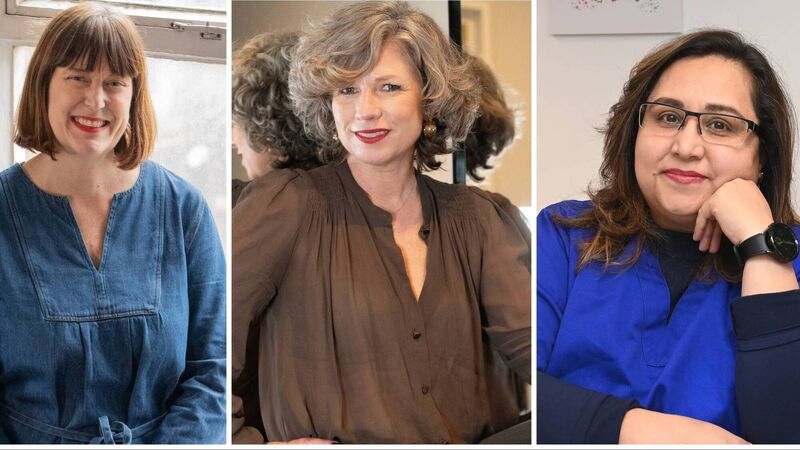
Deirdre Mortell, Sonya Lennon and Dr Manizha Khan on International Women's Day
We can’t all go round hugging people, but we can put one truism front and centre in our lives: gains are to be found in giving, not receiving.
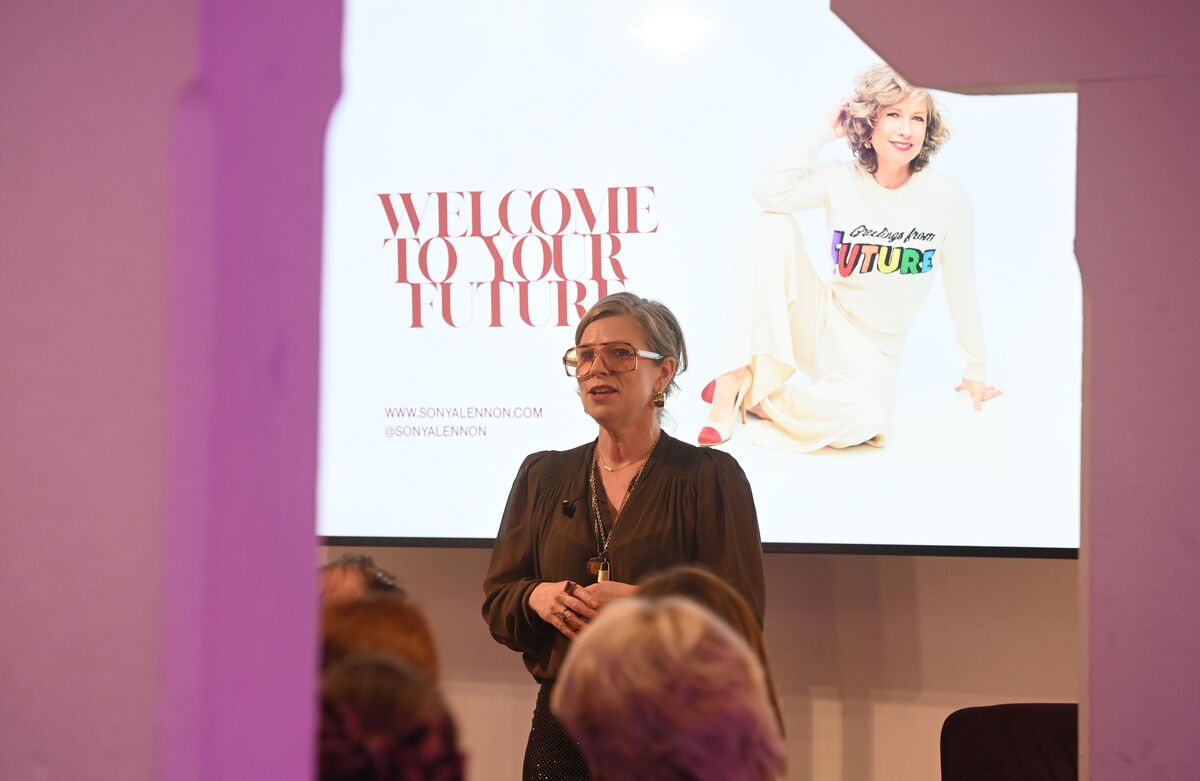
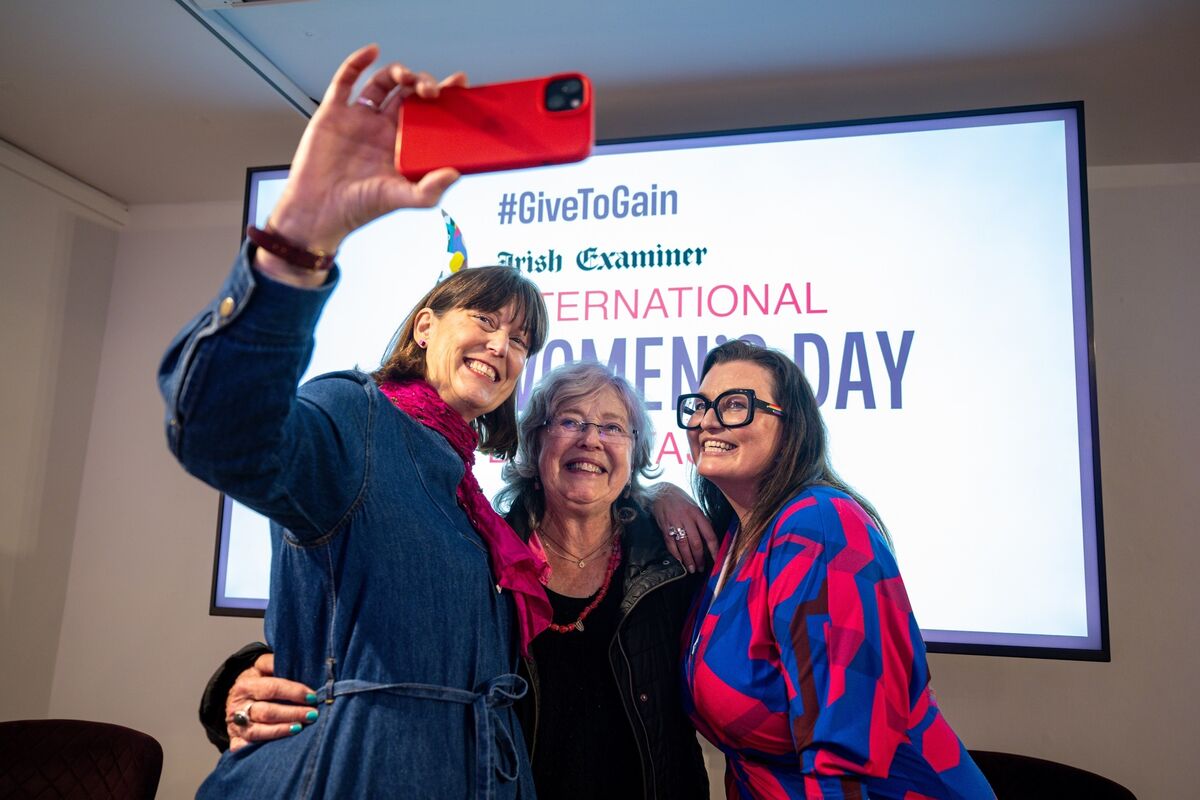
On Thursday, the Irish Examiner celebrated this year's International Women’s Day with an event that saw Sonya Lennon, Dr Manizha Khan and Deirdre Mortell talk to the issues that women face in Ireland today. They spoke to me about what this year's theme — Give to Gain — means to them, and more.
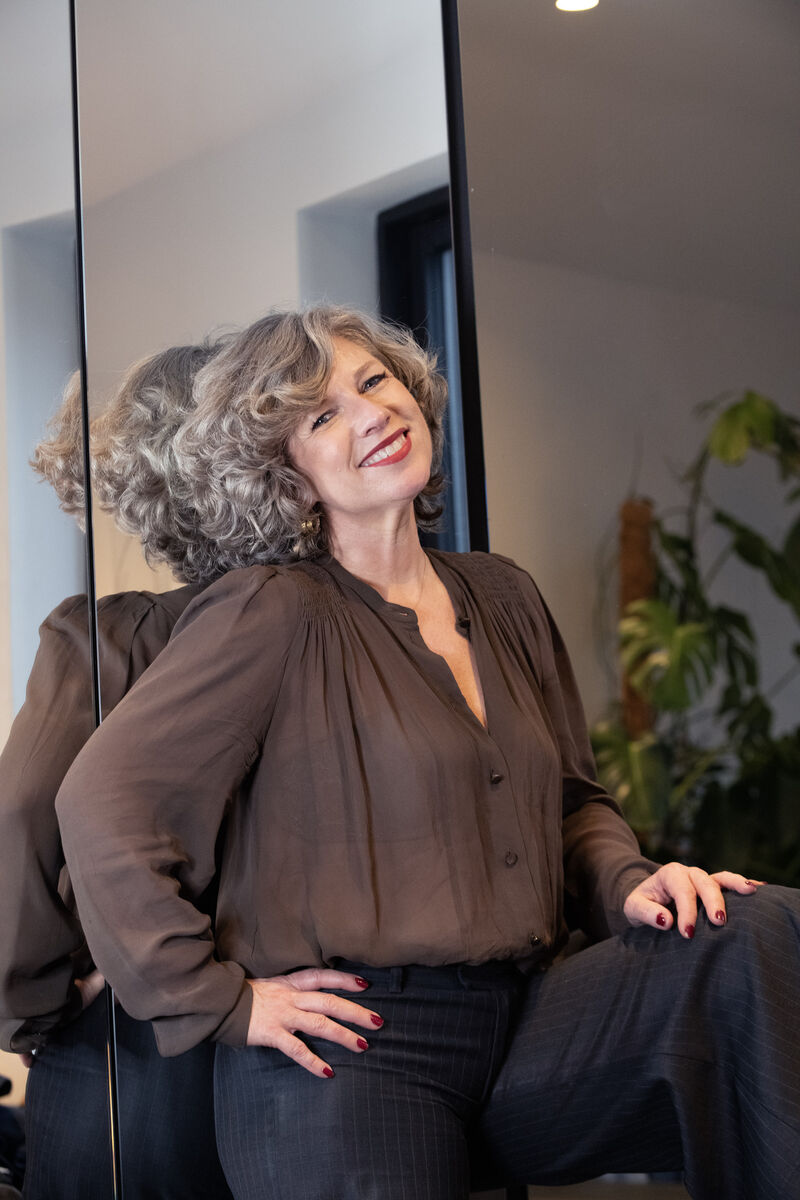
As somebody who has been a much more successful social entrepreneur than an entrepreneur over my career, it means a huge amount because the power and the passion that I find from creating empowering frameworks is unbelievable, and it has given me back so much.
I know now that what propels me is a desire to create positive impact. And that’s giving to get. I wish I had more clarity about that earlier in my career because I would’ve married all of those elements together sooner. But you can’t do that. You have to learn in the doing. And I now know that my key drivers are communication, connection, and empowerment.
International Women’s Day is still hugely important because it is evolving. I’m seeing more and more frequently that the rooms of people engaged, are mixed.
I often say to speaking clients of mine, ‘why don’t you ask every single woman to personally invite an ally?’ Because those allies are the people who get it and have the power and influence and position to change the hearts and minds of those that don’t.
It is creating space for courageous conversations. I talk all the time about the fact that we live in a sort of a force-field of fear.
So those that are underrepresented are facing challenges, some of which they are aware of, some of which they aren’t. And they’re afraid to discuss them in case it draws attention to their weakness.
And those that are in the majority are aware that there may be challenges faced by those in the minority, but they don’t want to discuss them either because they’re afraid it’ll draw attention to work that needs to be done to address them, or that it might be seen as patronising, or they might be overstepping the mark.
So what we have is this kind of perfect storm of non-discussion.
One of the most powerful things I do is invite leaders of any identity to go and have ‘courage coffees’ with people who don’t share their identity, and ask one simple question, ‘what are the challenges that you have faced because of your identity?’ And listen to the answers.
[That] gives us a new perspective on somebody else’s lived experience. It also gives us the authority to speak on behalf of somebody else because of that knowledge.
One of the challenges is that people are afraid to speak up in case they misrepresent. But if you know the story of what somebody else has been through, you can fully represent that person as an ally.
We have a phrase in WorkEqual — we’re not sure who gets more out of the mentoring, the mentor or the mentee.
It’s not about changing people’s lives. It’s about giving them the tools to change their own. And that’s an important distinction. LiFT Ireland, the other nonprofit I founded, has served over 180,000 people [who] have been through our round-table process to build their own understanding and execution of value-based leadership.
So we have created an army of people who understand what leadership is, and now more than ever, when we are being shown the role model of impunity, we need to understand what it means to be compassionate. To have integrity, to respect others, because that’s missing from the current discourse.
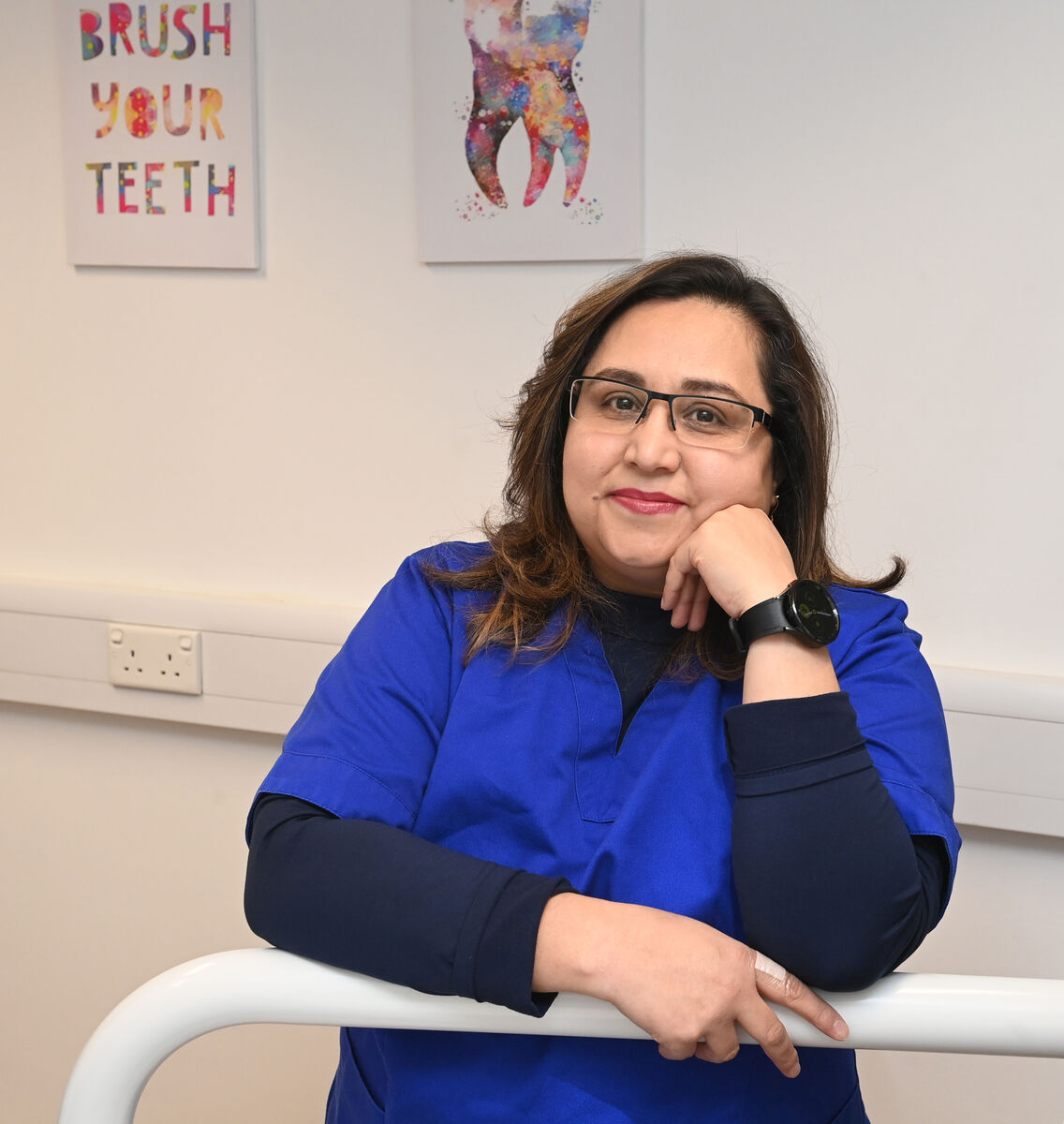
I read a quote once that said, whatever you give to a woman, she will give it back to you two-fold. If you give her a house, she will make it a home. If you give her love, she will double it and return it back to you. To me this means that women are naturally nurturers. We need to nurture ourselves first and then nurture other women. Through ourselves and through each other we can nurture society at this time and age where mostly men are talking about wars and conquering countries and attacking other people.
In the past century, we have come a long way from women having no rights to today when we [can] have jobs and do things without asking a man.
The Taliban are showing the world that we can go back centuries, we can erase women and nothing will happen to the society. [In Afghanistan] step by step, all the rights that women had have been eradicated. A woman now is just a slave [for] men.
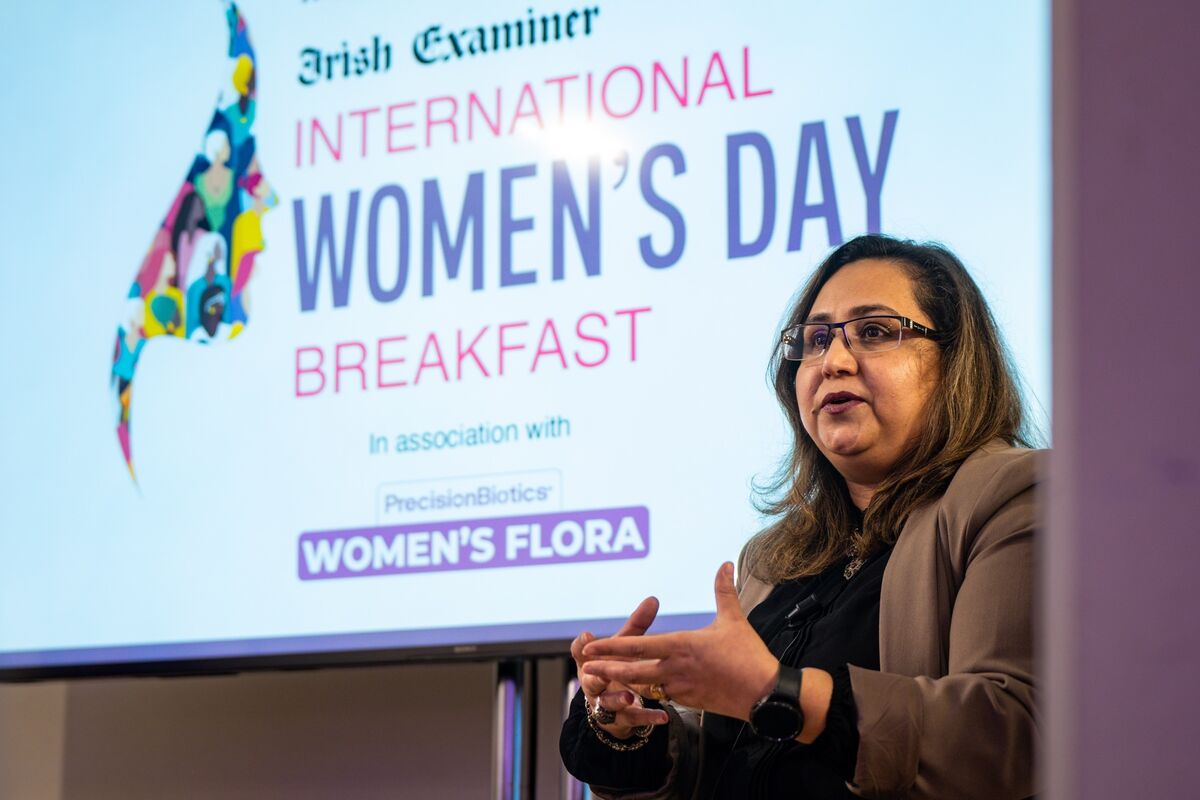
I believe as women, maybe this is what we should do this International Women’s Day. We should raise our voice for the women of Afghanistan, because if we don’t, today it is Afghanistan, what if tomorrow it’s America? I can hear world leaders making excuses saying, it’s okay, whatever’s happening in Afghanistan is Afghan culture, but it is not. It never has been. To me, it is scary that if international society is
accepting this, If they’re happy with this, if they can sleep at night, it means that they don’t mind if that comes to their own countries as well.
So what does the future have for women? Where are we going towards? That really scares me.
When you’re looking at a refugee, look at them as normal people. Somebody who left so much behind, who is filled with sadness and anxiety but also with the hope of a new future. Refugees are working so hard to please, we are all trying so much to fit in.
At the end of the day, we are all people. If you look under our skin, we have the same muscles and the same blood colour and the same ambitions and fears and dreams and love for our families.
People who are themselves kind, they think they’re not doing a big deal. But to the ones who receive that kindness, it really is a big deal. Just a smile in the morning, just saying hello to somebody, a small word of kindness can lift somebody’s day up. We don’t know what people are going through. And a small act of kindness can really give that support or that mental happiness to somebody who might be struggling a lot.
If I had not received all that kindness, compassion, and love that I did receive, today, I’d be just another refugee. Maybe, if I was lucky, working as a dental nurse and probably living in a provision centre and waiting for that future to come, but the kindness that people showed to me gave me that support [so] that today I’m a positive part of the society. I’m giving back to society. Everything I do, it is not only because of me, it is because of the kindness that was shown to me.
So now I can show it to somebody else. That’s why I believe that kindness has a ripple effect.
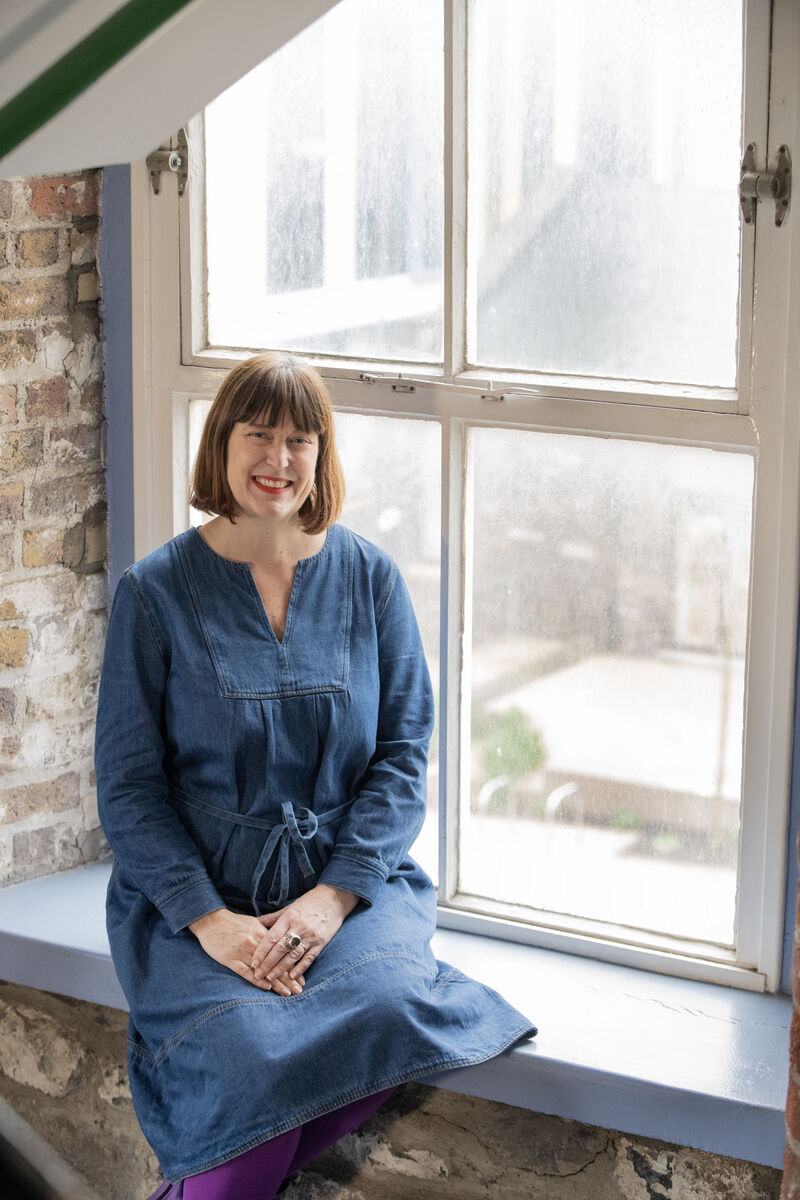
Philanthropy is all about giving. It’s about companies, individuals and families who choose to give because they want to make the world a better place.
We know what giving means, but what does give to gain mean? One of the amazing things about philanthropy is that you get back much more than you give. People give because they want to make the world a better place but, fundamentally, giving is all about putting your values into action.
Giving is a really valid and valuable way to uniquely play your part in the community, particularly if you have more wealth than others. To me, give to gain is about knowing that you are feeling good about the fact that you are playing your part in the community, that you are bringing your values alive and putting them into action.
It’s about living in a community where I feel like I’m part of it and I’m part of it with all the other people around me; we’re interconnected and our wellbeing is interconnected.
I’m not just an individual trying to get ahead, it’s about a collective sense of what we can all do together to make our community the best it can be for our children, for our older people, for everybody. By definition, it’s inclusive. It’s not a fixed community, it’s porous. People move into our community from elsewhere and then maybe they leave and go somewhere else. But whoever they are, they’re welcomed and included, and we all look out for each other.
It’s such a simple idea. I think everybody in the world wants that, but we don’t necessarily articulate it. It’s also what Rethink Ireland is all about. We’re looking to build a more just, equal and sustainable Ireland. Who doesn’t want that?
We need to vote and we need to vote for women. I’m not saying vote only for women, but find a woman who reflects your values and vote for her.
We need women on the boards of companies big and small for exactly the same reason. Companies are as powerful as elected politicians and we need women at those top tables, on those boards and in those CEO roles because we need that perspective there. I think the government has done a great job setting the targets for state boards where they need to be in the 40-60 percent range. I know they’ve worked really hard to get there, but I’d love to see private companies working a bit harder.
We need to really pay attention to how we raise our girls and what messages we’re giving them as parents, as family members and as community members; making sure that we are putting out positive messages about what they can do and who they can be in the world.
We also need to think hard about how we raise our boys to be great and inclusive men in the world, because that is just as important.
Finally, we really need to recognise women’s unpaid work in the world because women do the vast majority of [it]. A lot of working moms are doing a double shift. Finding ways to recognise unpaid work — whether it’s childcare, elder care, housework, and all the other stuff — if we can crack that, it will unleash so much positive energy for our families, for our communities, and for our workplaces.
Those are five things we could do. None of them are little, but all of them can be chipped away at and all of them we can start tomorrow.
CONNECT WITH US TODAY



Be the first to know the latest news and updates