Author Charleen Hurtubise: Straight away I fell in love, Ireland has been very good to me
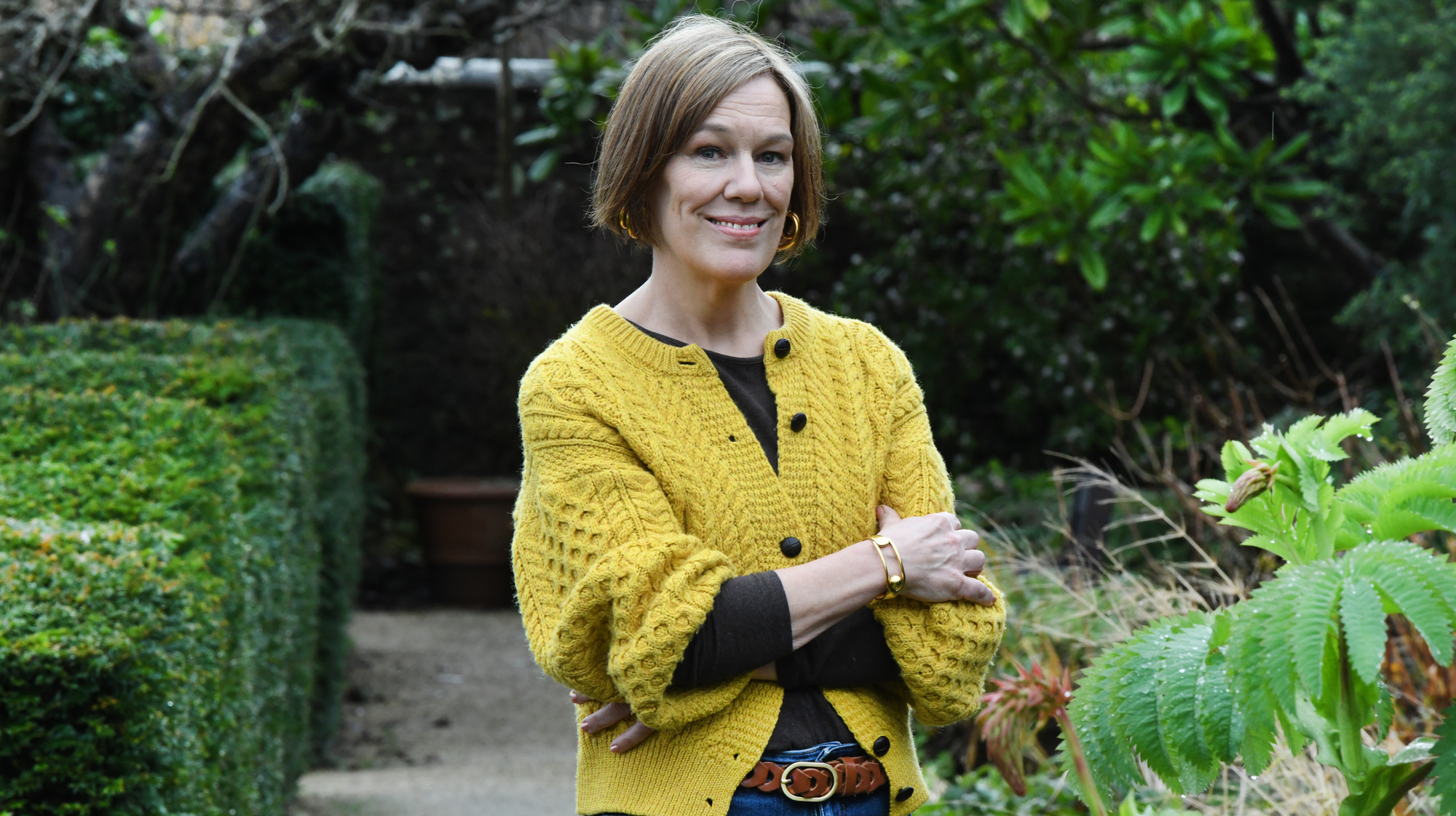
Author Charleen Hurtubise in Dundrum's Airfield Estate. Picture: Moya Nolan
It is a rainy Wednesday morning when I meet author Charleen Hurtubise at Dundrum’s Airfield Estate for a coffee.
Dressed in a chunky Aran knit with a Frida Kahlo bag on her arm, we immediately hit it off, bonding over our shared American heritage and an almond croissant, which Hurtubise insists on sharing.
Born and raised near Detroit in Michigan, Hurtubise has lived in Ireland for two decades now. One of the first things I notice about her is just how Irish she sounds.
“You kind of modify to blend in,” Hurtubise admits.
And blend in, she has. From trips to the Gaeltacht to devouring Irish literature, Ireland has become home.
“Straight away, I loved it here,” she smiles. “You get over here, and you’re in the honeymoon phase. It’s amazing, it’s so culturally different.
“Ireland has been very good to me, to my kids,” she continues. “I have no desire to go back [to the US], definitely not now.”
Touching briefly on the current state of affairs over there, Hurtubise says she feels “upset for the hate and ugliness”.
“For the survivors in particular,” she adds. “My new book, , is written from a survivor’s perspective.”
In many ways, Hurtubise tells me she kind of fell into writing. She was drawn to the medium in college, but it wasn’t until she read a book called White Oleander by Janet Finch that she felt compelled to put pen to paper. “I was probably in my early 30s, after I had my kids, that I actually said, ‘Ok, I’m going to really make a go of this.’,” she recalls. An M.Sc. from Trinity College Dublin, an MFA in creative writing from University College Dublin later, and a writing course with Small Things Like These author Claire Keegan, she’s now published two books and is already working on a third.“She really can teach,” she says of Keegan’s course, noting that it played a formative role in shaping her writing. “She just knows literature. That course stuck with me.
“You just keep chipping away at it and produce a lot of bad stuff. And then all of a sudden, you’re writing your way into what you need to write, you know?”
Hurbuise’s first book, , deals with the death of a teenage girl in the small town of Kettle Lake. It’s not her story, but the emotional landscape is infused with a lot of her own personal experiences. The same is true of Saoirse. Set in Donegal in 1999, the story centres on the character of Sarah, later known as Saoirse. An artist based on the rugged west coast of Ireland, Saoirse lives what appears to be an idyllic life with her partner and two daughters. But her secrets haunt her. When her artwork wins unexpected acclaim at a Dublin exhibition, the spotlight of fame threatens to unravel the careful lies that hold her world together. Journalists and admirers begin to ask questions, and she fears the unwanted publicity will expose all that she has done.
The Irish word for ‘freedom’, it is an especially powerful title given the context of everything happening in the world right now. “It really resonated,” says Hurtubise of the choice, who herself learned Irish a couple of years ago so she could teach here. “I have my cúpla focail,” she says, simultaneously lamenting the fact that she’s not fluent. “The first teacher I had was the most passionate person about the language. She would talk to us about the meaning and how beautiful the words are. That kind of passion just seeps into you.
“I love the language — the way it says things, the poetry of it.”
The late Manchán Magan and Kneecap — who she saw at Electric Picnic this past summer — have also left their mark on her.
“To have that passion for your language and to be taking it back like that, I think it’s so empowering. I knew immediately that I really wanted to get my kids into the Gaelscoils.”
Navigating the cultural norms of a place she’s adopted as her own but still doesn’t feel fully embedded in must be difficult. Does it ever interrupt her flow or make her feel as though she’s censoring herself, I wonder.
“I was careful. I had a lot of people read it, I think they’re called authenticity readers,” she explains, adding that she writes first and then later returns to look over and think about what she’s produced. “A lot of the time, it’s about how something made me feel. Emotions are the building blocks of my work.”
Writing is a very introspective practice, while teaching is quite outward-facing and, presumably, demands a lot. How does Charleen balance those two things?
“When you’re teaching, you give it everything. I think teaching is as creative as anything else because you bring stories into it, you bring art. You’re facilitating that, and you pour yourself into the planning and into the delivery. You come home absolutely exhausted,” she laughs. Going part-time has allowed her not only more time to write, but more time to think too — something she describes as “lovely and necessary”.
Her writing advice is always the same: keep going.
“It can be frustrating,” she acknowledges, admitting that there were times when she wanted to give up. She recalls a line often attributed to Richard Ford, who once suggested that anyone who can give up writing probably should — those who can’t know they must continue.
“You write a lot of shitty things,” Hurtubise says. “And then, eventually, you find the thing you need to say, and the way to say it.”
With respect to authors she particularly loves, Charleen is effusive in her praise of Irish talent, naming writers such as Louise Nealon (“amazing”), Elaine Feeney (“marvellous”), and Sheila Armstrong (“a splendid writer”). She also loves Jan Carson,
Patrick Holloway, Marianne Lee, Liz Nugent...
“I just think there are so many fabulous writers,” she gushes. “You could name all of them for different reasons.”
As we finish our coffee, Hurtubise admits that writing still feels uncertain at times. “I’m still finding the way to say the next thing,” she notes.
It’s as much a process of doubt as it is discovery, but is the result of years of persistence. For anyone finding her through her upcoming novel, Charleen advises keeping an eye out for the character Sasha.
“Her message is one that a lot of women have,” she muses. “I won’t spoil it, but look out for her message. I think that will really resonate. It’s how we’re feeling as women and what we’ve been dealing with. I hope readers feel that from me, as I guess a bit of rage, but also a sense of working through it and finding resilience and reinvention.”
Outside, the rain has stopped for a brief respite, and the clouds have lifted just enough to let a little light in. It’s a fitting end to a conversation about freedom and the possibility of change.
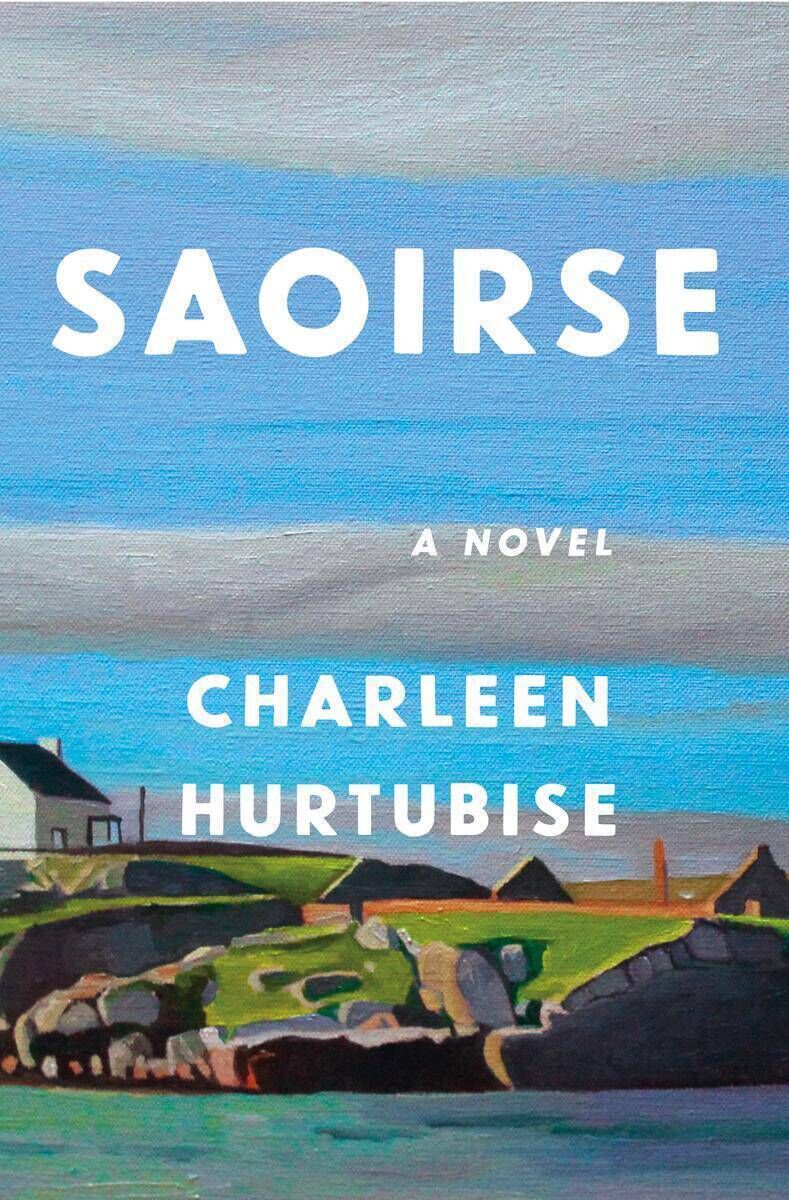
- Saoirse by Charleen Hurtubise, published by Eriú, is released February 26


CONNECT WITH US TODAY



Be the first to know the latest news and updates