Pause before you post pictures of your children online
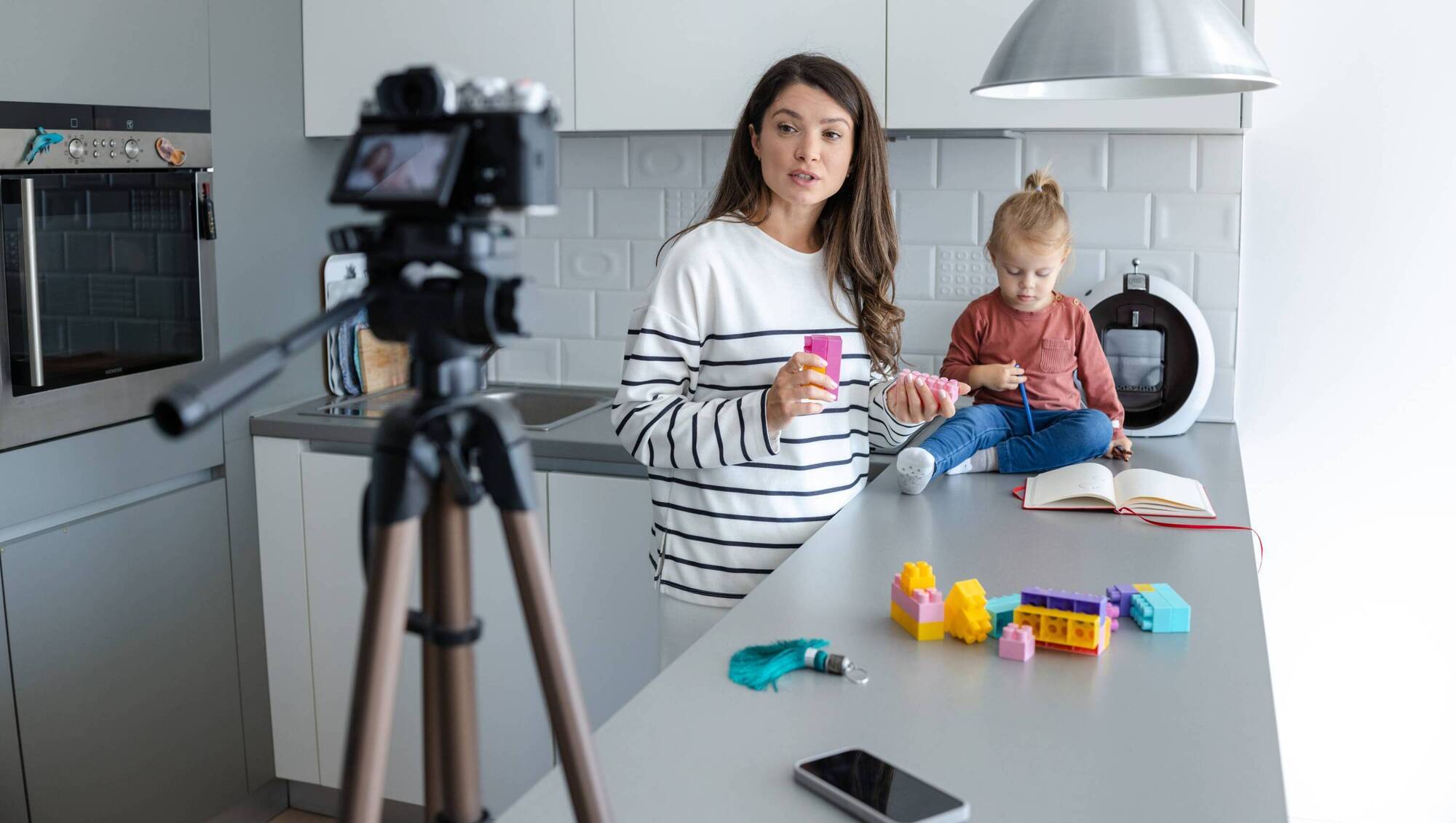
You may have fabulous footage of your children over the holidays but does it need to be shared with the whole world?
Pause before you post pictures of your children online

Psychologist, Dr Malie Coyne says: 'Parents act out of innocence rather than malice as they love their children and have good intentions, but the online world has changed faster than our instincts, so it’s important to be aware that what might feel funny or harmless, could turn into a permanent digital scar — so be careful.' File picture

We all know the importance of being careful when posting pictures of children online, but it can be difficult to resist sharing a cute photo of a new baby, a proud family moment or a funny collage of children up to mischief during a birthday party.

But the latest advert from the Data Protection Commission — Pause Before You Post — is aimed at getting people to stop and think. The simple, but cleverly executed campaign depicting strangers making comments to a little girl, is hard hitting as they seem to know everything about the child, who, along with her parents, has no idea who they are.

This, according to the experts, is the reality of sharing information and photos on the internet — posters have no idea who is looking at the images and whether or not they might do something sinister with them.

Helen O’Meara, who has three teenagers, says she has never posted pictures of them online, "for exactly that reason".

“I genuinely don’t understand the obsession with sharing photos of yourself and your family to the world,” she says. “Why would anyone care if a stranger gives them a like, it makes no sense to me. Of course, I send photos to family and friends via WhatsApp, or direct message, but sharing to millions of strangers is something I can’t get my head around.

The 'Pause Before You Post' awareness campaign 

“There are all sorts of safety issues regarding putting pictures of your kids online, but also just the idea that someone might like the look of them and save their photo or worse, do something unpleasant with it. And, from a more basic but still upsetting level, there is the possibility of them being bullied if another kid sees it and for whatever reason decides to target them. I can’t see any reason to post pictures and am glad that I’ve never done it.”

But not everyone shares that view and Niamh Martin, make-up artist and online educator at thisisnima.ie says she posts images of her daughter — Harley Rose (9) on a regular basis.

“I post them a couple of times a month — for holidays, or days out,” she says.

“When Harley Rose was younger and would do funny stuff I’d be more inclined to post as it was fun to get interaction with other mums — and being home alone, as so many mums are, engaging with other adults definitely helps. But, now, she’s older, she doesn’t want to be on social media and she would tell me. So, I’m more aware of her feelings and don’t push it."

“Also I’m aware of not posting pictures of her with her friends. A few years ago I would have posted without thinking, but as the topic of kids online gets more heated I’m aware of other parents’ choices — so it’s making me more careful of what’s going up.”

Niamh Martin. Pictures: https://thisisnima.ie/

The Dublin woman, who also has a 17-year-old stepdaughter, says although she posts less of her family life these days, she doesn’t have any issue with others sharing whatever they like online.

“I feel it is everyone’s own choice,” she says.

“I love that I can see what my cousins (who live abroad) and their kids are up to and how they’re growing. But social media has become more of a job in recent years so I treat it in a professional capacity now — and am more aware of what I’m putting up.

“'Mummy blogging’ has become a huge industry, so we can’t launch an attack on mums using their kids and daily lives to earn a living —  also the interaction with other mums can be huge for human connection when you’re home all day alone with children. So, each to their own, but maybe erring on the side of caution, being careful how much you post and knowing who your audience is.”

Ali Deasy also shares her family on social media. She has four children — three of whom are triplets — and says that ‘it all took off’ after they were born.

Ali Deasy has four children — three of whom are triplets — and says that ‘it all took off’ after they were born. Georgia is now 10 and Lenny, Ted and Bruce are six years old. Picture: https://www.instagram.com/alidee_g_plus3/ 

“When the kids — Georgia (10), Lenny, Ted and Bruce (6) — were younger, I posted daily and didn’t give much thought to showing them on social medial as I was so overwhelmed by the adjustment (from one to four children) that I used my page as a space to share and speak to people in a similar place in life,” she says.

“I was sharing my experience, so the kids were obviously a huge part of my daily life and how I was doing — I wanted to share a realistic view of motherhood and all that came with it.

“Also, I’m a proud mam — I love them and wanted to show off my gorgeous family.”

Despite being very active online, the bridal hairstylist who lives with her husband and children in Dublin, says that she makes sure to keep some things private and teach her children about boundaries.

“Georgia is very aware of social media and likes to see what I’m sharing,” she says

“For the past year, I’ve started speaking to her about social media and the good and bad that comes with it. 

So I ask her permission before posting pictures of her as I want her to understand that what’s posted online is permanent. Also, by asking permission, I hope it will teach her to ask others before posting, particularly in the silly teenage years.

“But there are a many things I don’t share — and personal stuff stays personal. I also never post in real time when with the kids. If we're out and about, I will film but post about it afterwards. However, I respect all opinions and totally get both sides of the conversation — I share my children online but that doesn’t make me right or wrong. We're all human and trying our best as parents.

“I grew up without social media, so I'm the first generation to have to navigate this. It's new and I'm learning as I go — trying my best and actively taking precautions. I respect parents who don't share their kids online and those who do, but frankly it's none of my business.”

Lisa O'Sullivan Shaw, lives in Meath with her husband Jamie and four sons — Callan (14), Dylan (12), Rian (11) and Rhys (10). She posts pictures of her boys on her Insta page @modernIrishmum — but only does it sporadically.

Lisa O'Sullivan Shaw. Picture: https://www.instagram.com/modernirishmom/

“I don’t get them to act for my page, like performing monkeys, but if they’re there when I take a picture, then they’re in it,” she says.

“It’s very organic and if they don’t mind, then that’s fine but if they don’t want to, that’s fine too — it’s up to them.

“I know some people are dead against putting pictures of kids online, but I also know people whose whole personality revolves around using their children online, which I’m not a fan of. But each to their own. I only have one big rule and that is when we go on holiday, I don’t post any content until we are home as it gives us proper family time. And there have been loads of other circumstances that I’ve chosen not to share or my boys didn’t want me to."

“I know some people say that you shouldn’t share online but if they don’t want to, that’s fine — however, I am very much an ‘each to their own’ person. Parenting is an individual thing and it doesn’t bother me whether people share or not. The only thing that I don’t feel comfortable with is when something is forced or staged or if people are sharing things that the children, particularly older ones, are uncomfortable with — I don’t think that’s fair on them.”

Psychologist, Dr Malie Coyne agrees and says that ‘sharing photos or videos of children online, especially ones that are embarrassing, mocking or capturing a child in distress, is not harmless.’ “Dignity is a big one, and safety for their future wellbeing and their sense of who they are,” she says.

They deserve the same kind of digital boundaries that we have — the same privacy and respect we would expect for ourselves.

“Parents share because they are proud and want to connect with people and feel validated when they do that. A lot of parents, and indeed people in general, overshare, but children cannot consent and their digital footprint, what becomes part of their online identity, is being created before they have any say in it.”

Dr Coyne says that the new advert from the Data Protection Commission is powerful because it brings to life the reality that what might seem like a cute moment to an adult, can feel deeply exposing to a child.

“It becomes permanent in a way that parents often underestimate,” she says.

“They don’t always realise that there are safety risks as the images can be misused and once uploaded you lose control — they can be saved, shared and altered in ways you would never foresee. They can also be used for metadata and background details such as their location, street signs, and like we saw in the ad, the location of their football practice can unintentionally reveal where they live or play and AI manipulation makes children more vulnerable to exploitation than ever before.

“I’m not saying that sharing is completely wrong, but only share moments that are respectful and joyful that your child would be comfortable with later on. Protect all identity, make sure there are no school uniform names or logos, home locations or predictable routines. And with older children, make sure to get their consent — if they hesitate, don’t post it, use private channels to share with family or friends instead.

“Parents act out of innocence rather than malice as they love their children and have good intentions, but the online world has changed faster than our instincts, so it’s important to be aware that what might feel funny or harmless, could turn into a permanent digital scar — so be careful.”

More in this section

Lifestyle

Newsletter

The best food, health, entertainment and lifestyle content from the Irish Examiner, direct to your inbox.

Cookie Policy Privacy Policy Brand Safety FAQ Help Contact Us Terms and Conditions

© Examiner Echo Group Limited