Mudlarking, soap crafts, calligraphy — some of Ireland's most unusual hobbies
Variety is the spice of life - and for many of us, hobbies are its primary ingredient
Who knew that when we were diligently collecting fancy papers, scented erasers, and Cabbage Patch Dolls back in the ’80s, this innocent hobby was helping us to find joy beyond our daily routines.
A section on the HSE website backs this up, stating that doing something creative can improve our mood.
It specifically mentions participating in artistic hobbies where our full attention is needed, thus distracting ourselves from negative thoughts.
An added bonus is enhanced confidence and an all-round sense of well-being.
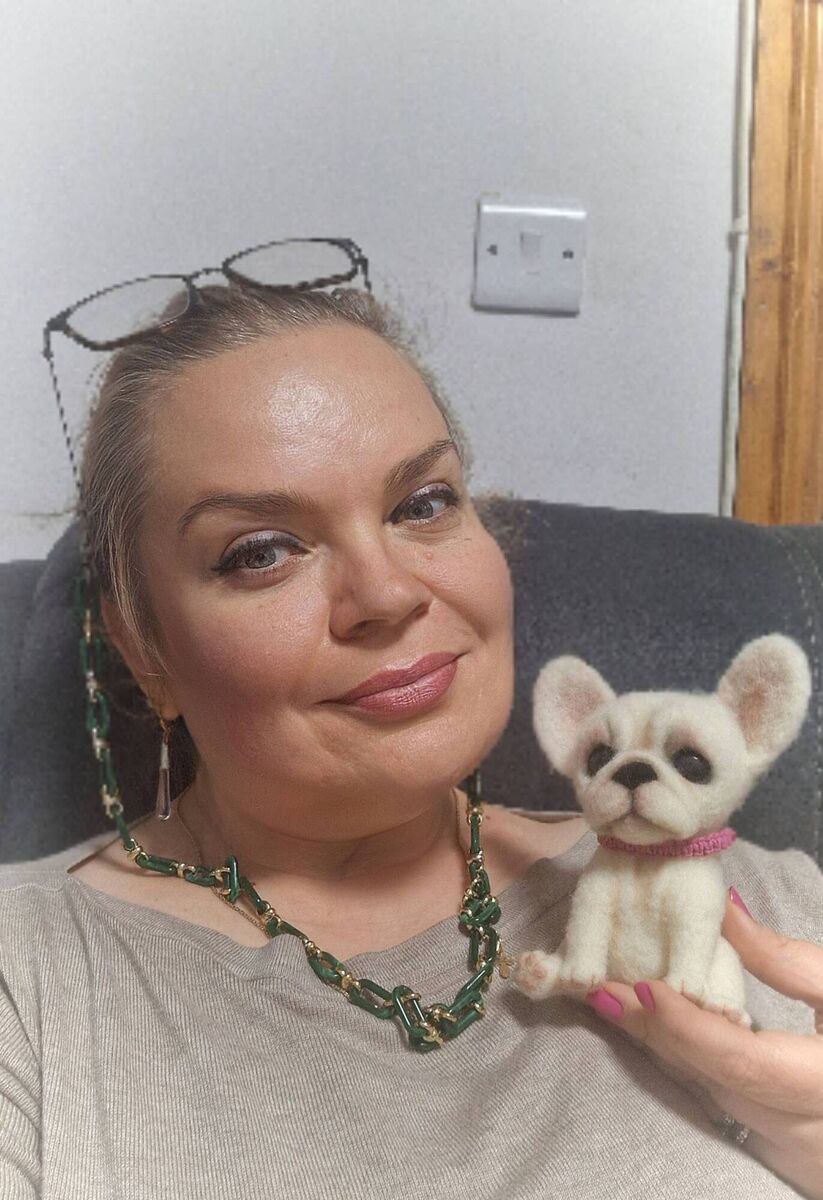
During lockdown when life was undoubtedly very difficult for some, Kate Clisson, Ardmore, in Waterford, discovered needle felting, a craft that uses notched needles to sculpt wool into shapes and designs.
With wool as her medium of choice, this proved to be “incredibly soothing and calming” for Clisson and she found it also “helped distract her from unwanted thoughts such as when the lockdown was to end”.
Deriving both fun and comfort from working with wool, her most unusual creation was a small piranha figure, originating from a request by her son.
However, crafting sculptures of dogs is where she finds most enjoyment.
“My greatest hobbies are dog shows and needle felting. I love dogs of all breeds and sizes, and it is greatly reflected in my work. Every dog has its own character and I try my best to paint this in detail within my creations.”
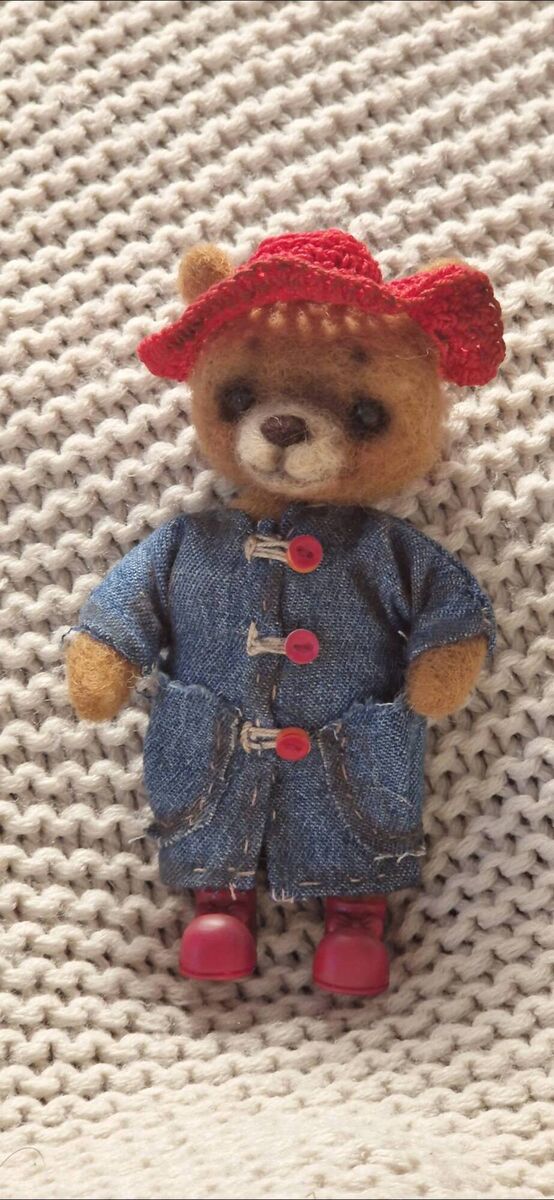
Needle felting isn’t just a pastime for Clisson; it’s also a way to highlight the value of wool and the work of farmers.
“I believe that working with wool is not only a nice hobby but also brings attention to the hard work of the farmers. Wool can be used not solely for creating felting, knitting, and sewing art, but also wool may be used in your garden for fertiliser and even insulation. Overall, it’s an incredibly interesting product that is priceless.”
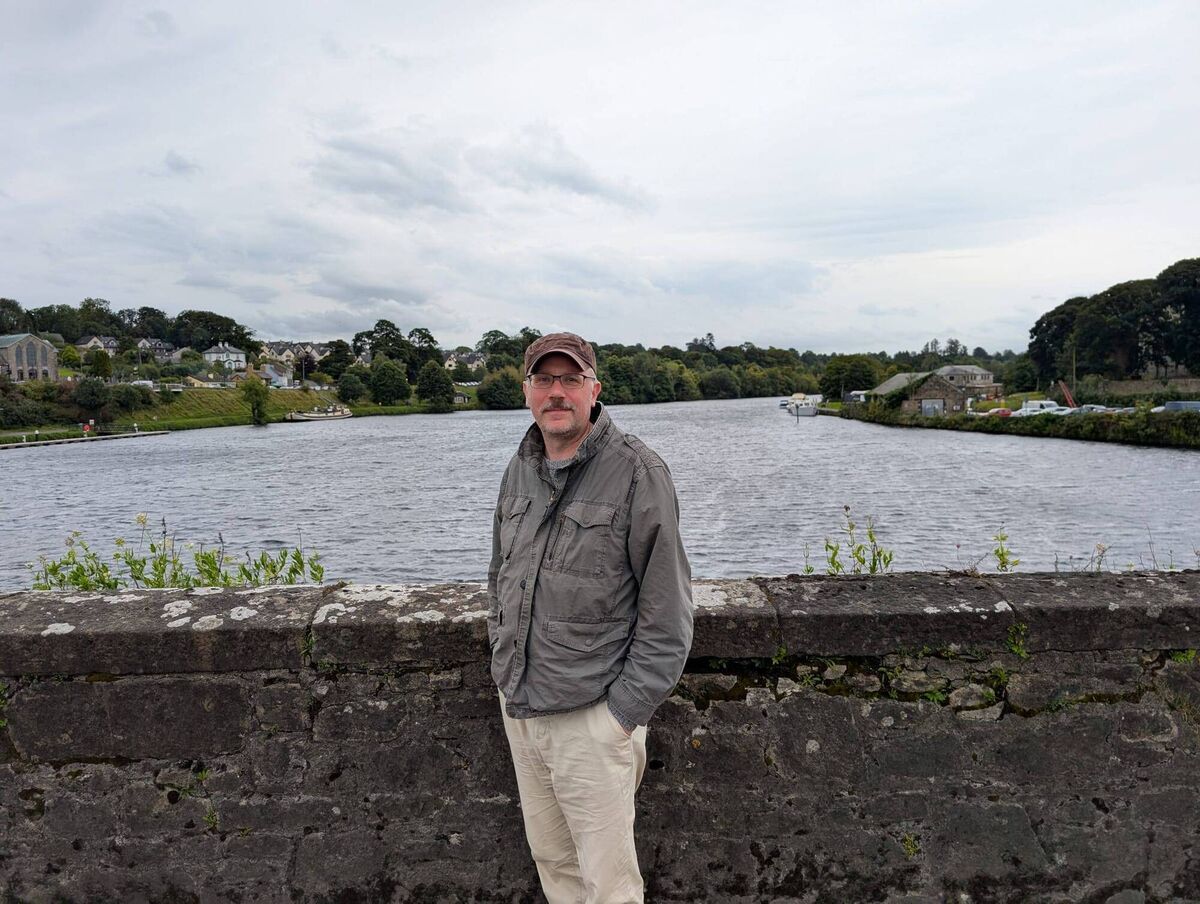
Cork man Leon Gaynor has been a mudlark for 35 years. Mudlarking is the practice of exploring riverbanks at low tide to uncover lost or discarded items such as coins, pottery, and jewellery.
Having grown up in the countryside, Gaynor was often curious about the items churned up by the farmer’s plough.
“Mostly broken china and occasionally clay pipes and the odd coin.” A student of biology, he says that “looking down at plants or shells comes naturally to me”.
“It takes a while to get your eye in but after a while you notice more. I usually just pick up what’s on the surface and don’t dig.
“A lot of it is just idle curiosity, you never know what you’re going to find on any given day. It’s just potluck but each day will reveal new things.”
Gaynor says although others have benefitted financially from discovering rare bottles, this is not his intent. “I don’t think I’ll ever find anything of value; that’s not the point. Most items I’ll just photograph and leave them there for someone else.”
Hobbies are mainly pursued for fun and relaxation but sometimes they can offer another pay off. Quite literally.
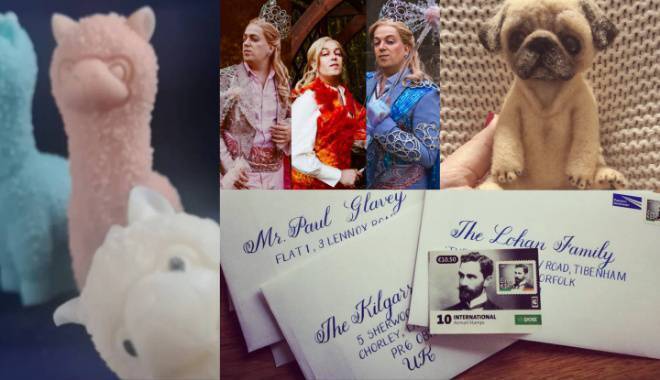
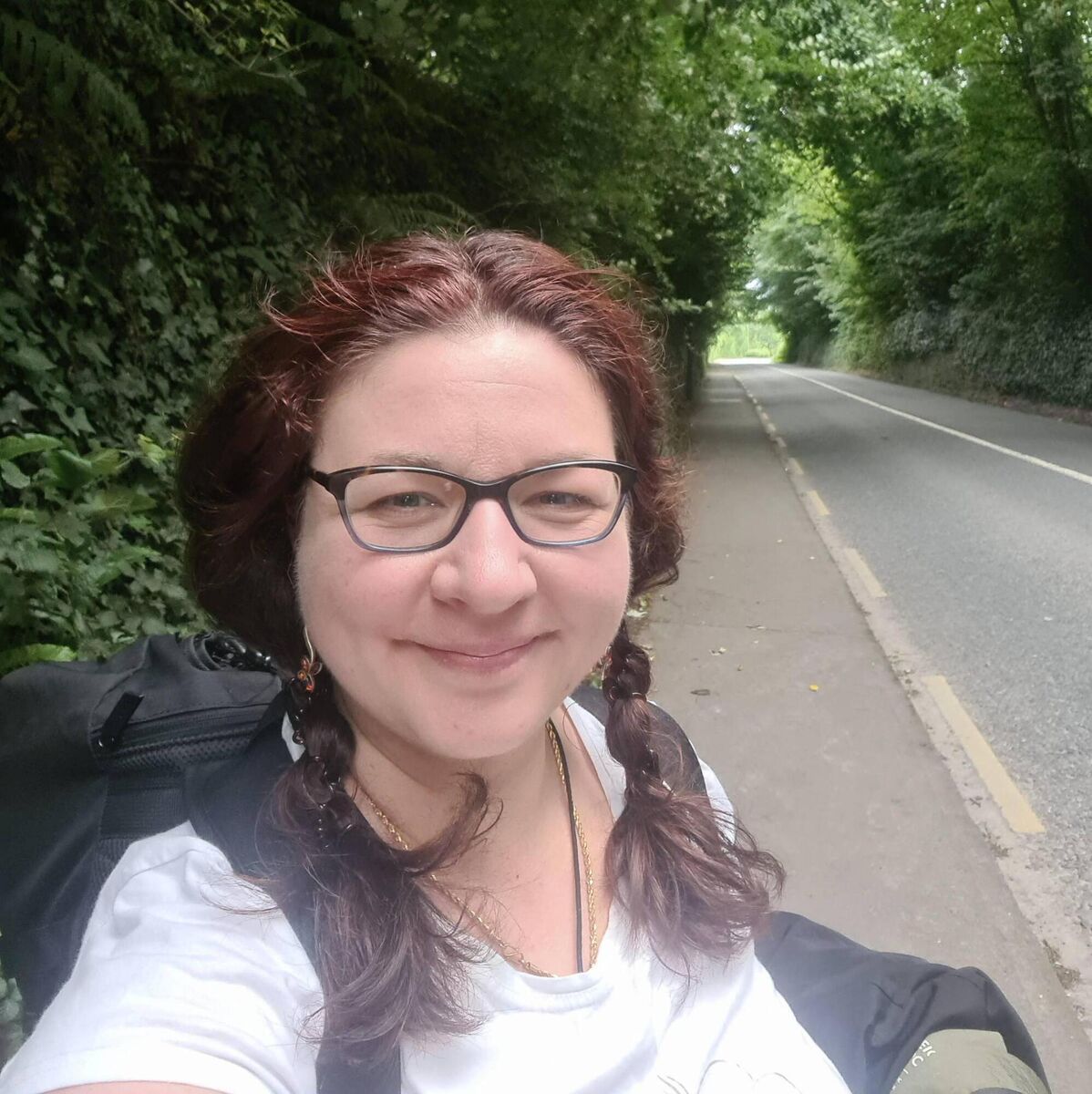
Catalina Borta, Ballinasloe, County Galway, left the corporate world to master the art of crafting handmade soaps and candles and now runs her own online shop (bluedoorshop.com).
“I started dabbling with chocolate, and when I realised I could not meet all the conditions for food safety requirements, I did market research on what other materials I could use. Soaps stood out to me. It was always about shapes, colours, and scents. And fun.”
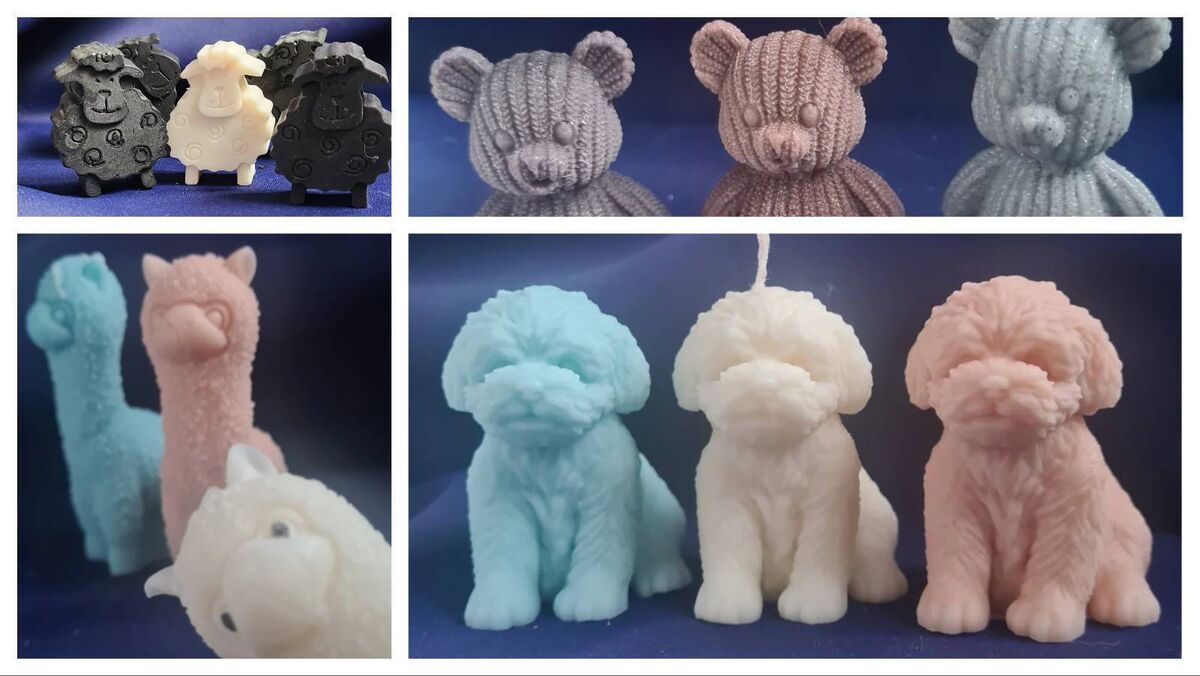
Her hobby-turned-small business is also a nostalgic nod to her younger days. “It reminds me of my childhood, when my parents and grandparents would place bars of soap in between folded clothes, so that they smelled good for a long time.”
Borta says soap making is very different from working a corporate job where “ all you do, essentially, all day is intellectual work. On the other hand, soap making is very grounding. You can smell the scents, touch the materials”.
For her, the most rewarding part of sharing her work with others is “seeing them get as excited as I was when I made them. People have told me that they don’t even use them, they prefer to preserve them. If they use or prefer to keep them intact, I’m glad my soaps can bring a sliver of joy in their lives”.

CONNECT WITH US TODAY



Be the first to know the latest news and updates