'Despite a 30-year age gap, we're the best of friends': Why I love cross-generational friendships
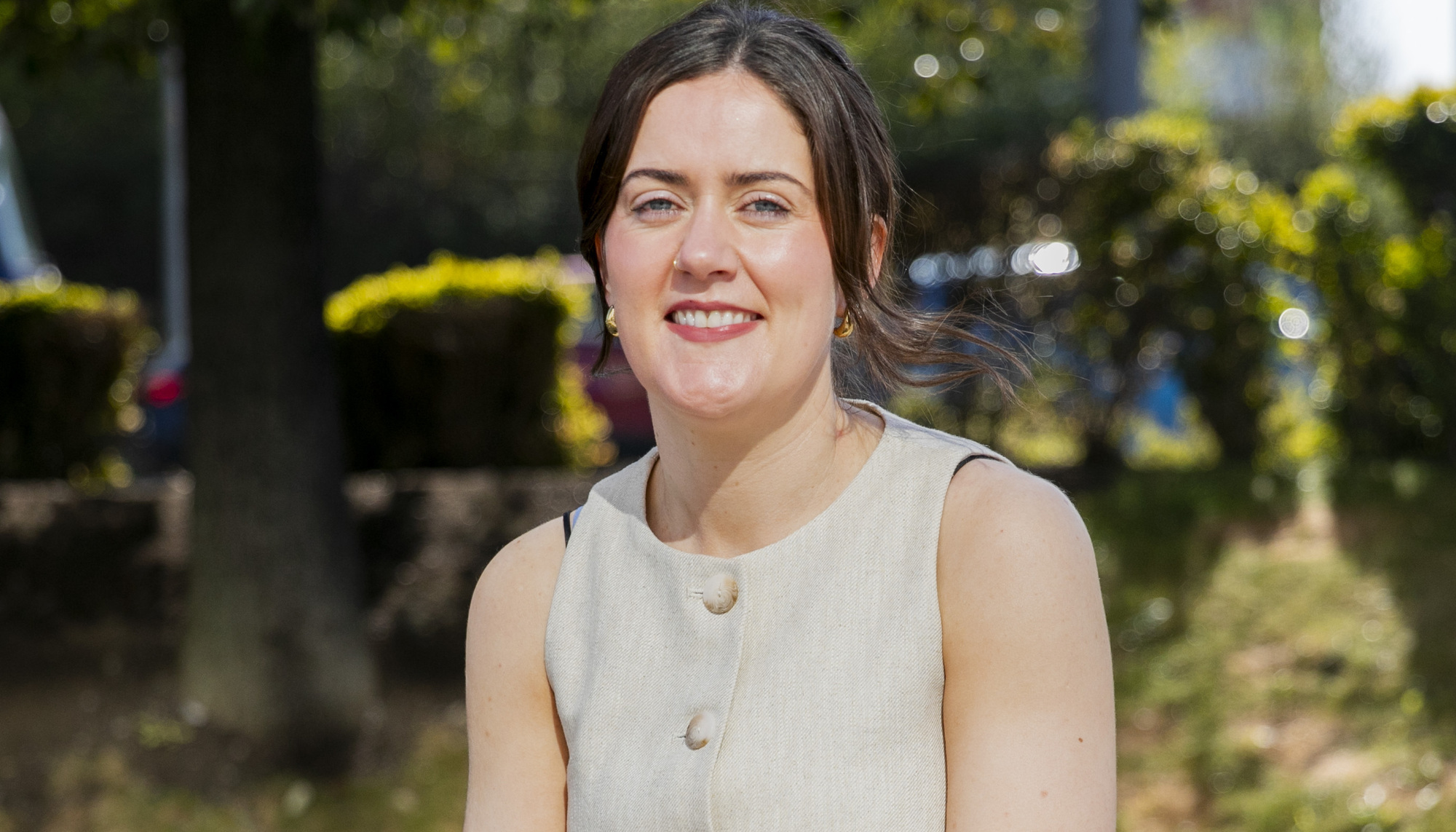
Sinead Kehoe at the Hilton Hotel in Clare Hall, Dublin. Picture: Gareth Chaney
Stuck in traffic on the motorway last week, I picked up the phone and gave my friend Patsy a call. It had been a few months since we last spoke, and as the phone rang a few times, I started to worry that she’d be annoyed at me that I’d left it so long to call.
I needn’t have fretted. She answered like we’d spoken just yesterday. I told her about work, holiday plans, and my new niece; she told me about her recent volunteering trip to Africa and how her grandchildren were getting on.
That’s right — Patsy’s a granny. Yet despite the nearly 30-year age gap, we’re the best of friends. When I put down the phone, I felt lighter. As sappy as it might sound, I always feel like a better version of myself when I speak to her.
And she’s not the only older friend who’s made a lasting impact. I met Pauline through work when I was 26 and she was 61, and eight years later, I’m still quoting her to friends and family. I’m genuinely considering writing a book entitled Pauline Said.
If you’re thinking the criteria for being my friend is having a name that starts with “P” and being born a few decades before me, well, you said that, not me.
Of course, it wouldn’t be unlike me to have a theory built entirely on vibes, so I picked psychologist Malie Coyne’s brain.
“You change yourself and the way you interact depending on the person’s age,” she told me. “Flexibility is at the core of good mental health and good sociability.” So there you go. Age gap friendships make you a better person. Science.
I love my same-age friends just as much-there’s a connection that comes with being in the same life stage, but I think it’s good to branch out, and my pal Simon Tiernan agrees with me. He’s been friends with Richie, a man nearly twice his age, for over seven years.
“I get a huge amount out of it,” he said. “It’s very much a two-way friendship.”
Their bond goes beyond shared stories or common interests, with the small, surprising gestures often making the biggest impact. Simon isn’t a religious person—he’d be the first to tell you that—but he’s always moved when Richie tells him he prays for his family.
“It would be so bizarre for someone in their 30s or 40s to say that. Even though I’m not a believer, I love that feeling that someone is thinking about my family.” Funny how something that might sound cringe or awkward coming from a peer feels warm and genuine from a much older friend.
My favourite thing about having an older friend is getting the parental advice—without it coming from your actual parent. Malie says I’m actually bringing something to the party too: “The younger person could be getting mentorship and stability, but the older person is getting the vitality and curiosity about life from the younger person.”
Before this becomes too much of a love-in for my older friends, my younger mates also deserve an honourable mention. Nod to Sarah, who finally made me ditch the skinny jeans and a laptop case that was “giving dad.”

The trick to staying cool is hanging around with people who still are—and who make you “delulu” enough to think that you are too. Fake it till you make it and all that.
But it’s not just about style tips and slang. On a more serious note, there’s something satisfying about acting as a sounding board or agony aunt to your younger mates. There’s a quiet retribution—or healing—in passing on advice you wish you’d taken yourself.
They say comparison is the thief of joy, and one of the best things about cross-generational friendships is the complete absence of comparison. It’s a lot easier to talk to a friend in their 60s about the struggle of buying a house than to a peer in their 30s who just went sale agreed.
Malie assures me this isn’t just another one of my notions—it’s a real thing, called social comparison theory.
“That’s what we do,” she says. “As human beings, we’re constantly looking at how we stack up against others who are similar to us. There’s a lot of relief when you don’t have that pressure. It’s more about who you are as a human being.”

I’m far from being a tech native, but the memory of friendships that existed entirely offline is fading fast. These days, you start to wonder if it’s even possible to have a connection that isn’t bookmarked by WhatsApp messages or tagged Instagram stories. According to Simon, you can.
There’s no photo evidence of their meet-ups with Richie- just the quiet consistency of showing up once a week to watch an old western or the snooker, depending on the day.
“We live in a time where it’s difficult to find community,” Simon says. “But my relationship with Richie is an offline relationship in the best sense of the word. It’s there for us all if we’re willing to embrace it.”
CONNECT WITH US TODAY



Be the first to know the latest news and updates