Living everywhere and nowhere: What's it really like being a digital nomad?
Yvonne Reddin looks inside the life of today’s digital nomads
Living everywhere and nowhere: What's it really like being a digital nomad?

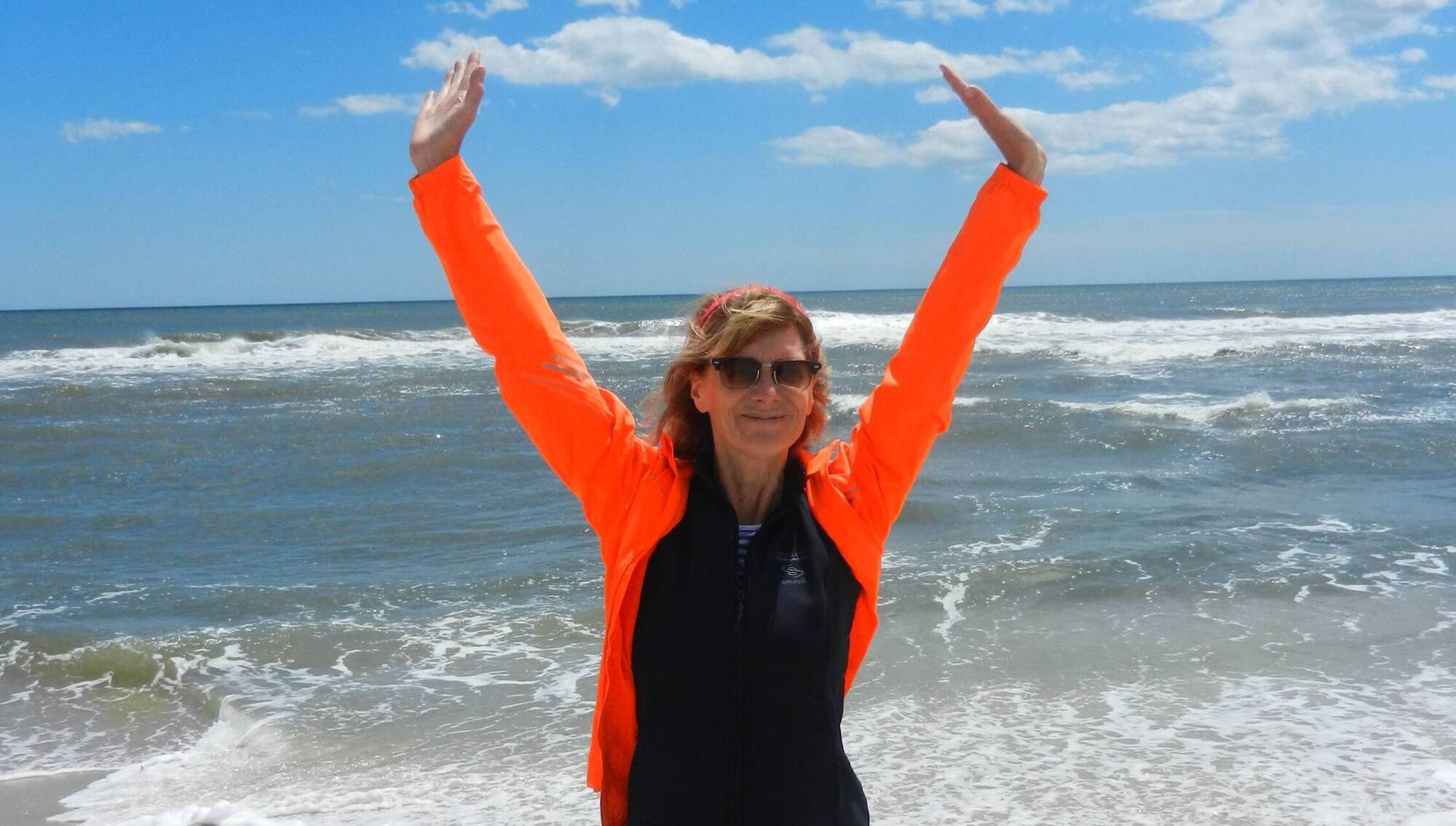
Digital nomadism is transforming the landscape of work and travel for people like Robyn Flemming

Digital nomadism is a trend that allows individuals to work remotely, explore and reside in diverse, often budget-friendly destinations worldwide. This type of lifestyle has seen a significant surge in popularity. And it’s not your typical young adventurer, it seems to be enticing a diverse array of participants, from tech professionals to families with children and even retirees.
The pandemic not only highlighted the necessity of remote work but also paved the way for hybrid work models in its aftermath. Imagine being able to trade your typical office view for a sunny destination! The shift in mindset since covid has been profound; people are increasingly prioritising work-life balance and are eager to live their best lives today, rather than waiting for retirement.

Raising kids on the road

Leona Burton
Leona Burton

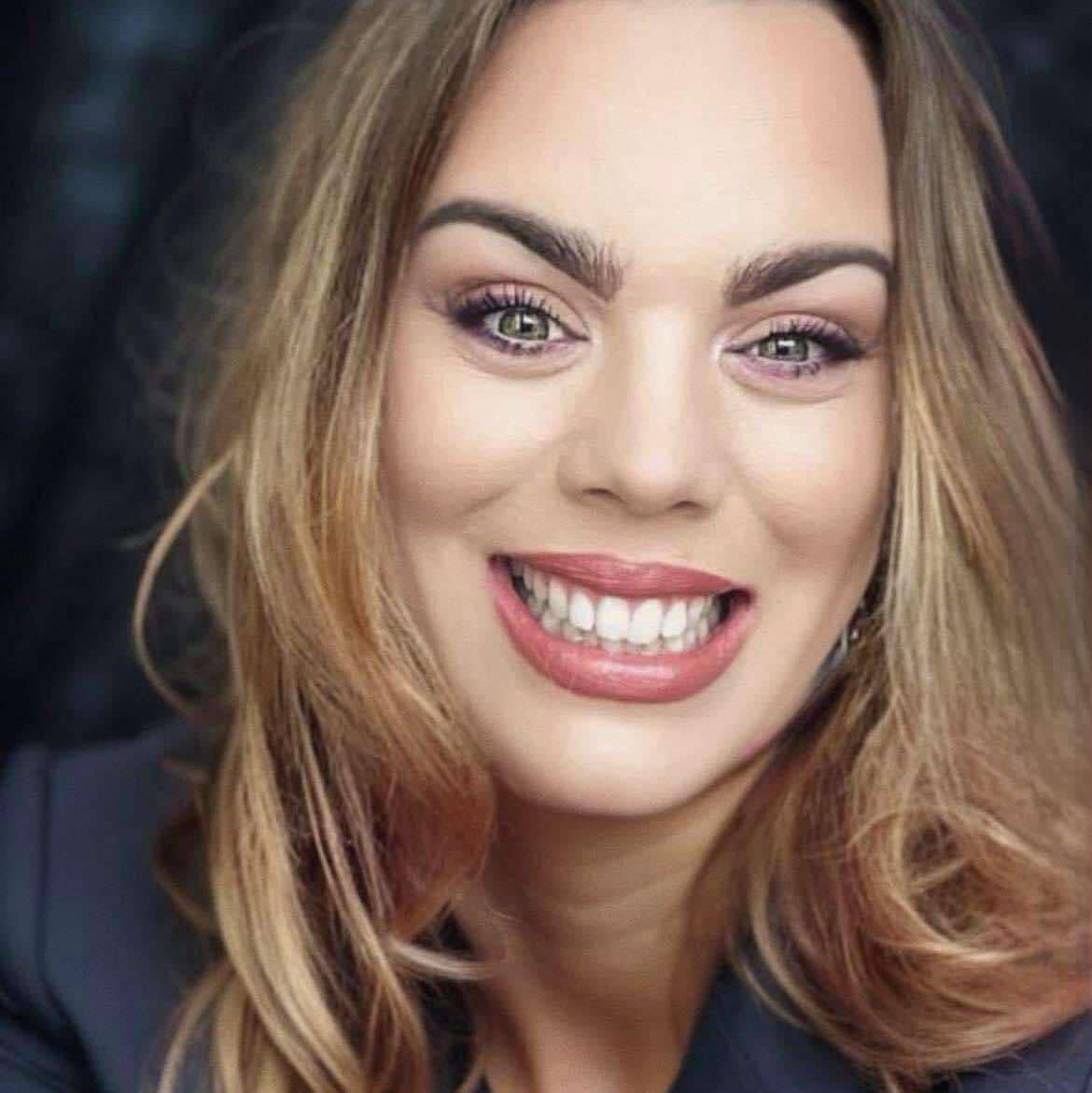
Leona Burton, the founder of Mums in Business International (MiB) and a digital nomad based in Mexico, balances her entrepreneurial pursuits with her role as a mother to six children. She emphasises the importance of planning, patience and teamwork in making her lifestyle work. 

Leona embraces the chaos that comes with being a digital nomad, choosing to focus on being present for her family while pursuing her passion. Her work has taken her to inspiring locations such as Mexico, Gran Canaria, Las Vegas, and the UK, allowing her to demonstrate to her children the endless possibilities life has to offer.

Over the past two years, Leona has also been active in Ireland for International Women’s Day, leading events that empower women in business. Her lifestyle affords her children the chance to experience diverse cultures and perspectives, while her remote work enables her to create a life aligned with their family’s values of exploration, learning and connection. 

Leona says, “Yes, I still move around! Living the digital nomad life with six children is definitely an adventure, but it’s also what makes it so special. Right now, we’re world schooling in Mexico, which is such a fantastic opportunity for my children to experience different cultures and perspectives.”

The future of work

Orla Bakeberg
Orla Bakeberg

Orla Bakeberg and her husband Brian are currently co-owners of An Even Better Place to Work (bp2w®), an online employee engagement solution. Orla is now based in Geesala, Co Mayo and shares her experience. 

“My life journey from Dublin to South Africa and later back to Ireland, mirrors the digital nomad experience in many ways. Like many nomads, I have learnt to adapt to new environments, new cultures and a myriad of work settings. Our first business together, Expo Africa, which spanned eight southern African countries, taught Brian and I the value of mobility and flexibility in entrepreneurship. 

“Our own experiences working from various locations, including our car during many cross-country trips, has taught us the importance of creating a structured routine. For us, as long as we have access to a reliable laptop, some form of stable internet connection and of course online banking, we are able to maintain our best productivity in any location. 

“Contrary to the notion that digital nomads are always on the move, many, like us, find ourselves drawn to particular locations, like where we are now. We have embraced the digital nomad ethos in our business model. The ability to work from anywhere, connected by the touch of a digital button, represents the future of work for many professionals.”

A global group of friends
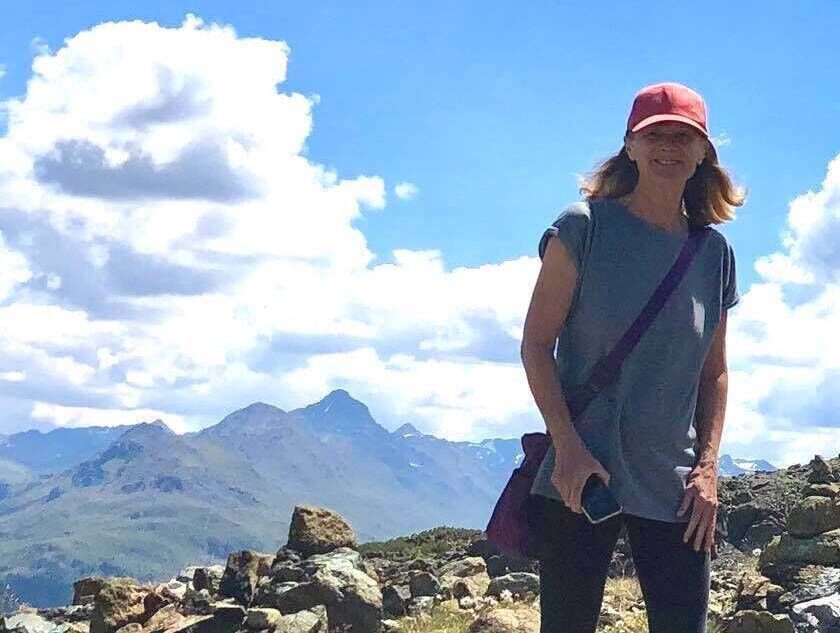
Robyn Flemming
Robyn Flemming

Robyn Flemming is Australian and has been a freelance editor for nearly 40 years since living in Hong Kong in the 1980s and 1990s. The flexibility has allowed her to work globally and in 2010 she embraced the nomadic lifestyle at age 57 as an ‘editor without borders.’ She shares what life is like for her. 

“Since 2010, apart from a two-year return to Australia during COVID, I’ve called the world my home, splitting my time among Kuching, Budapest and Sarajevo, where I’ve built friendships and established routines. My work keeps clients from Australia and beyond unaware of my location and I can often meet tight deadlines thanks to time zone differences.

“I’ve faced various challenges while travelling, including a mugging in Chile and injuries in Morocco and Australia, which have taught me to tackle problems step by step. Now at 72, I prioritise physical fitness by walking and a healthy lifestyle and I gave up alcohol in 2011, a year after I became nomad.” 

Robyn’s memoir, SKINFUL: A Memoir of Addiction is about the choices we make at turning points in life and can be found at www.robynflemmingauthor.com.

So can you stay connected with people while solo travelling? Robyn says: “I’m not a bucket-list traveller, I am a solo traveller who enjoys community. I feel very fortunate to now have a wide circle of friends scattered across the world. I have found my ‘international family’ through my interests in running, walking, films, photography, art and architecture. I use social media to stay in touch with people I liked meeting when their paths crossed with mine. 

“I am not religious, but I am aware on a spiritual level that I have been given abilities and opportunities to have an amazing life and I am grateful for that every day.”

Building deep connections
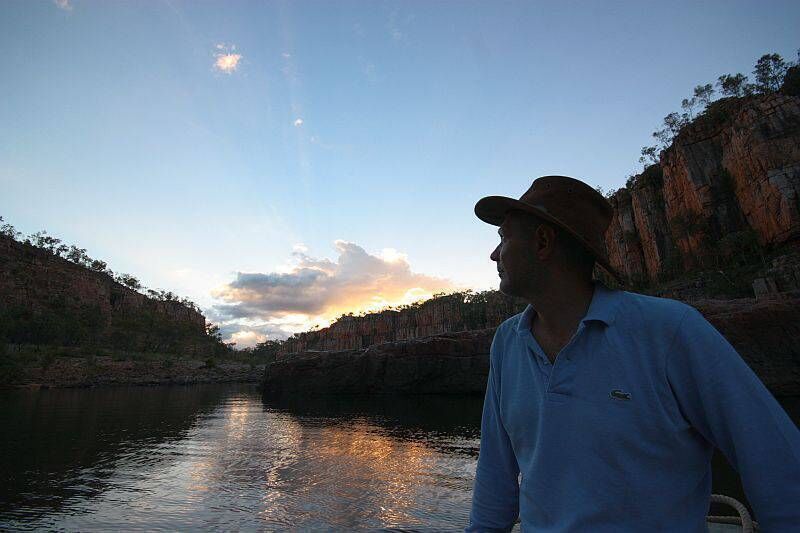
Andrea Lessona
Andrea Lessona

Andrea Lessona is an Italian journalist, writer and digital nomad. He expresses his passion for travel and writing. 

“I was born with this beautiful disease of travelling and writing. I travel to learn and share, meeting people and experiencing their emotions. I live by Proust’s idea that ‘true discovery comes from seeing with new eyes.’ In 2007, I founded the travel website ‘il Reporter,’ which won the Lonely Planet award for best Italian travel blog two years later. 

“I am currently based in Italy and I have a deep connection to Ireland, where I worked, wrote a book about W. B. Yeats and where my son Jordan was conceived, who will turn 19 this year. Jordan has travelled with me throughout England, Spain, Switzerland, Bosnia and Italy.” 

Essential protections
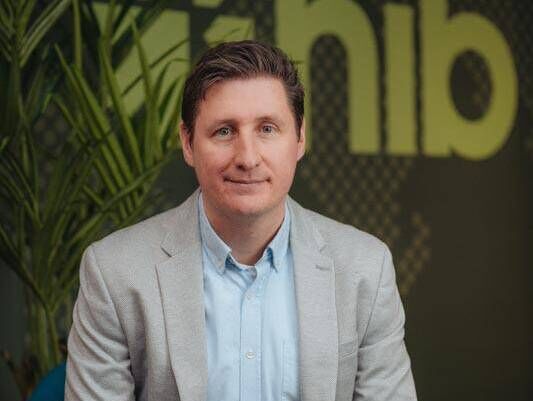
Jonathan Frankham
Jonathan Frankham

There are important issues to think about for this type of lifestyle, like healthcare, clothes, storage, insurance, etc. Health care can be particularly difficult to access when living in a variety of countries and companies have begun to offer insurance plans specifically designed for nomads’ needs.

Jonathan Frankham is the General Manager for the UK and Europe for World Nomads with their European headquarters based in Cork.

Jonathon says: “Our policies protect the essential tools of digital nomads—laptops, phones, and tech—against theft, loss or damage, while also providing comprehensive emergency medical coverage, as well as cashless services like Air Doctor for connecting travellers with vetted healthcare professionals for minor ailments. 

“We introduced SmartDelay for free airport lounge access during flight delays of 90 minutes or more, ensuring a comfortable workspace on the go. For Irish digital nomads heading to popular destinations like Portugal, Bali or Mexico, having travel insurance is essential for visa applications, offering a crucial safety net to fully embrace the nomadic journey. Both complimentary services are provided with every World Nomads Single Trip and Annual Multi-Trip policy and offer travellers a seamless customer experience.”

Gentrification issues
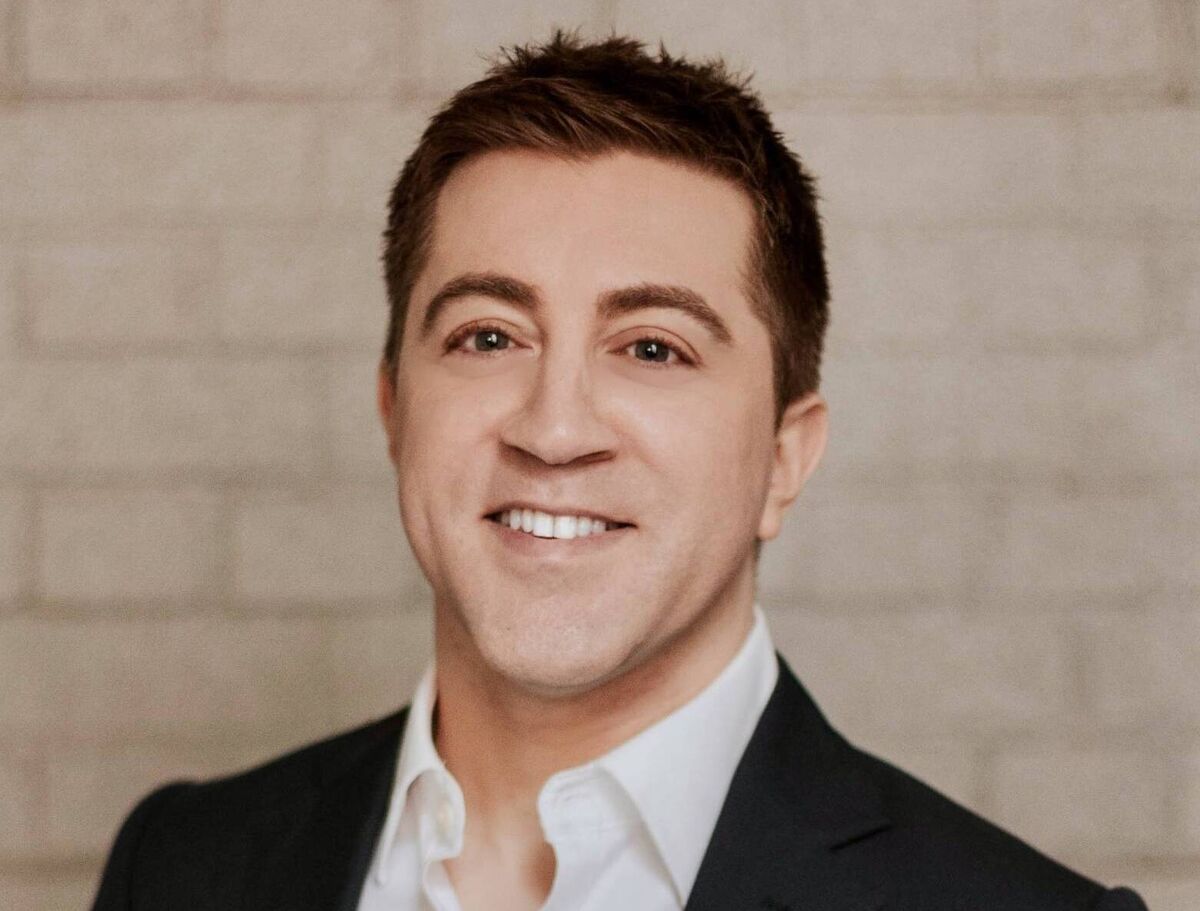
Robin Edwards
Robin Edwards

Robin Edwards is a buying agent at Curetons Property Finders and has seen how digital nomadism is reshaping local economies and sparking ‘gentrification’ in areas. 

Robin says: “The rise of digital nomadism is transforming local economies, bringing both opportunities and challenges. These remote workers inject disposable income into various regions, boosting local businesses, especially in smaller cities and developing economies, where demand for accommodation, restaurants, and coworking spaces increases. The hospitality and tourism sectors benefit from their longer stays, creating more consistent revenue streams.

“However, this influx of affluent workers can lead to accusations of gentrification. In popular destinations like Bali, Lisbon, and Chiang Mai, rising property prices and rents can make housing less affordable for locals. 

Neighbourhoods may shift from traditional shops to trendy cafes and international restaurants, leaving locals feeling increasingly excluded from their communities. 

“In response to this trend some cities and countries are crafting new policies to specifically attract digital nomads. Special digital nomad visas tailored for remote workers, such as those offered by Estonia and Barbados, allow digital nomads to live and work for extended periods of time within the country. Governments often accompany these visas with incentives like tax breaks and simplified immigration processes, seeking to harness the economic benefits of this mobile workforce.”

Japan Airlines has launched a new clothing rental program that allows passengers travelling to Japan to rent clothes, which are then delivered directly to your accommodation when you arrive. The aim is to minimise luggage while travelling – perfect for digital nomads.

As digital nomadism becomes increasingly popular, this lifestyle is transforming the landscape of work and travel. People are not only in pursuit of adventure; they are also revitalising communities and building connections across cultures. Often, exploring lesser-known paths can lead to the most rewarding experiences.

x

More in this section

Lifestyle

Newsletter

The best food, health, entertainment and lifestyle content from the Irish Examiner, direct to your inbox.

Cookie Policy Privacy Policy Brand Safety FAQ Help Contact Us Terms and Conditions

© Examiner Echo Group Limited