World Cities Day: This is why MY city is the best in Ireland
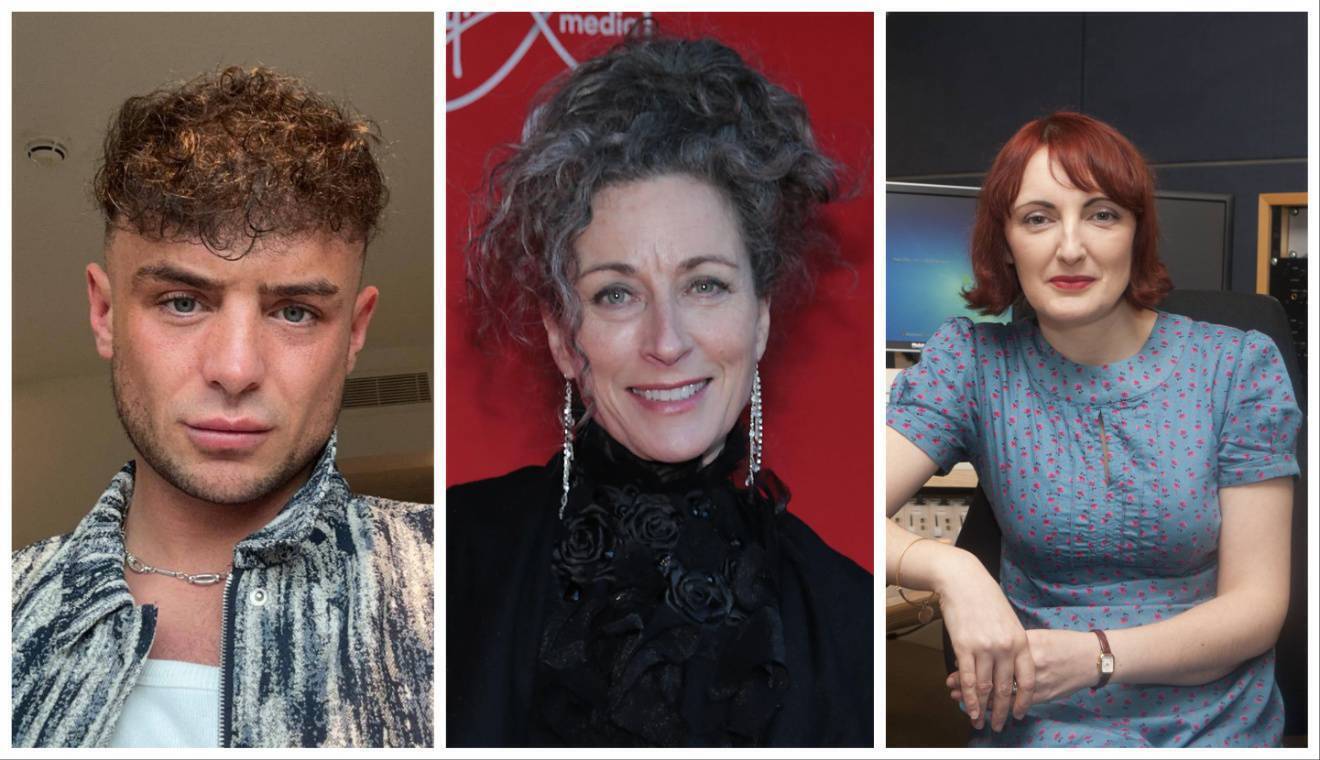
L-R: Eoghan Dineen, Carrie Crowley and Sinéad Gleeson are among those holding court about why their city is the best city.
The United Nations recently celebrated World Cities Day, an annual observance with the overall theme of creating a Better City, Better Life.
Officially, the Republic of Ireland has six cities, and each of them, though not so far apart, is unique.
We ask well-known citizens of these mini-metropolises to tell us what they love about the place they call home.
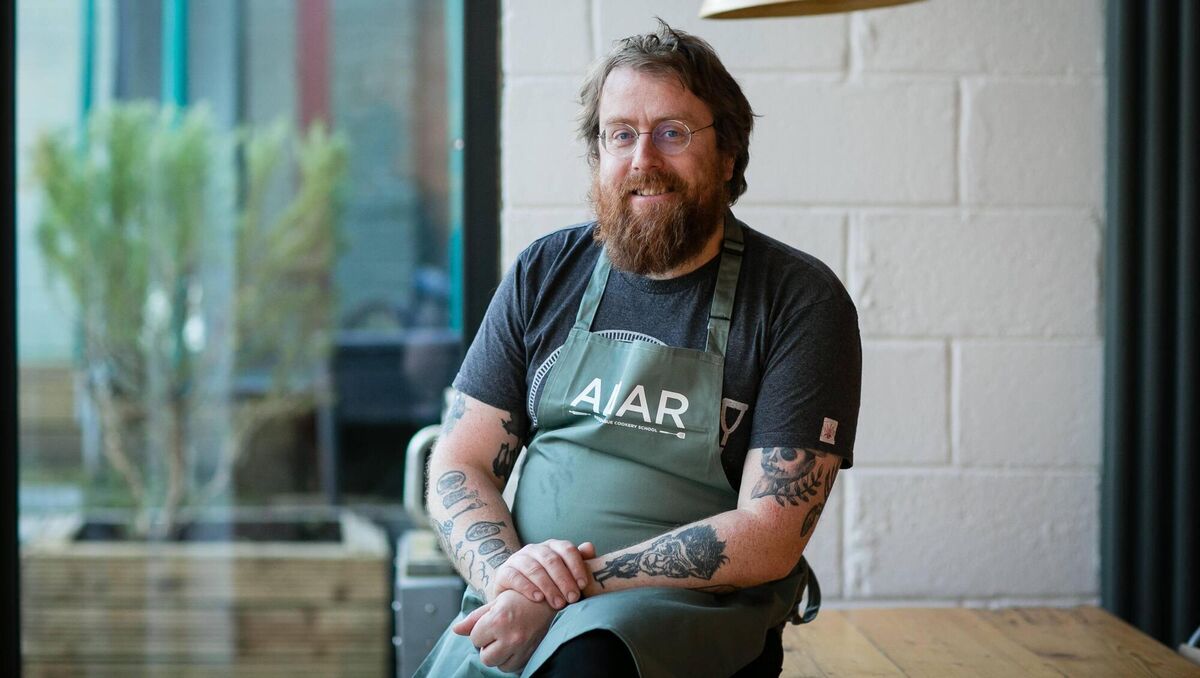
Though not a born and bred Galwegian, JP McMahon embodies much of what he loves about the city he has called home since 1999.
“You hardly ever meet anyone from Galway,” says the chef. “It’s very cosmopolitan, a very transient place. The student population, with the NUIG, gives it vitality and keeps the city changing. There are people from all over the world just passing through and in my early twenties when I first moved here I loved that.” For JP, “Galway never takes itself too seriously” and has that “better pace of life” compared to other Irish cities.
And then, of course, there’s the location.
“Being on the coast gives the city that mythical element,” says JP. “Galway as the capital and gateway to the West of Ireland and the last bastion of Irishness; that permeates the consciousness in a way. That brings many visitors in and I have to say the city’s sense of hospitality is quite special.” “Of course, it’s always had a great reputation for the Arts, the film and arts festivals. It has its own attitude that makes it stand out. I don’t know if it’s the greatest city in Ireland but it’s certainly my favourite.”
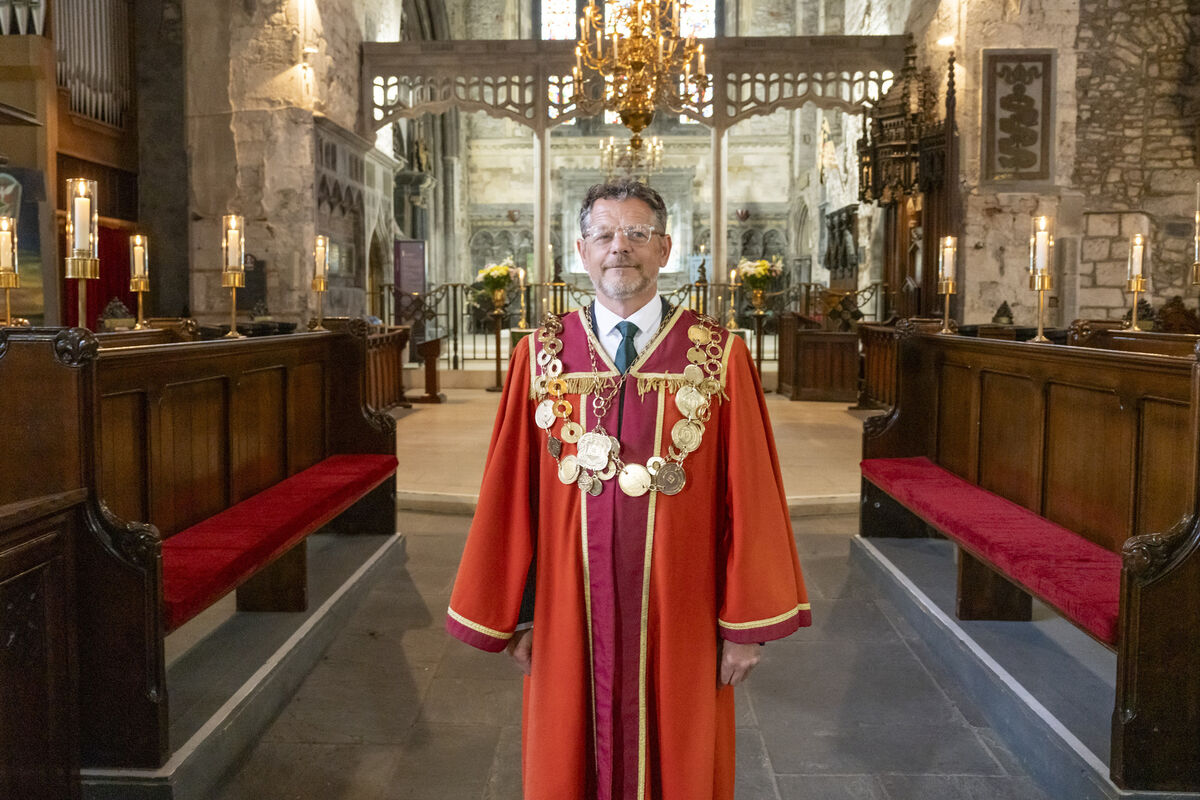
A short hop down the famous N17 is the lady that is Limerick. In this part of the world, rugby is a religion and the city’s recently elected mayor sees the game as a reflection of Limerick society.
“Rugby here is not for just one part of the population,” says John Moran, “it’s for everybody, and when you go into a pub in Limerick or visit The Milk Market, say, you meet all sorts. The fascinating thing for me in the last ten years is how diverse the city has become. It has a great sense of community so it becomes a great place to live very quickly.” Like Galway, Limerick benefits from its university population which John says “makes up a quarter of the city’s population” and keeps it “feeling vibrant”. Though he admits it is not perfect, he wouldn’t live anywhere else and sees nothing but its huge potential.
“When you walk around you feel like you’re in a small city rather than a big town,” he says. “It was designed that way by the Georgians and still has that energy. It has the backbone of train systems, a compact growth structure, and lots of public land that can be built on so that means growing a population in Limerick would be so much easier to do in line with UN sustainable goals in comparison to other Irish cities. With the right investment, Limerick is in the best position to become Ireland’s first truly sustainable city.”

For fashion entrepreneur, Eoghan Dineen, “Cork has this unique vibe about it”.
“I don’t know if it’s the way the buildings are made or laid out but it has a real architectural vibe and it’s attractive,” says the 25-year-old. “It has great galleries and museums and the best restaurants in Ireland.” For an influencer and a bit of a man about town, cost is also a factor. While Cork “can be expensive to live in”, Eoghan observes that “it’s nothing like Dublin”.
“It’s a lot cheaper in terms of pints and going to your local pub,” he says, “and they’re amazing when it comes to trad bands and just the atmosphere.” When it comes to clearing out the cobwebs left from the night before, some of Ireland’s most spectacular countryside is very close by.
“You’re close to the sea and all the smaller towns,” he says. “I love getting out to the countryside around here. It’s stunning.”
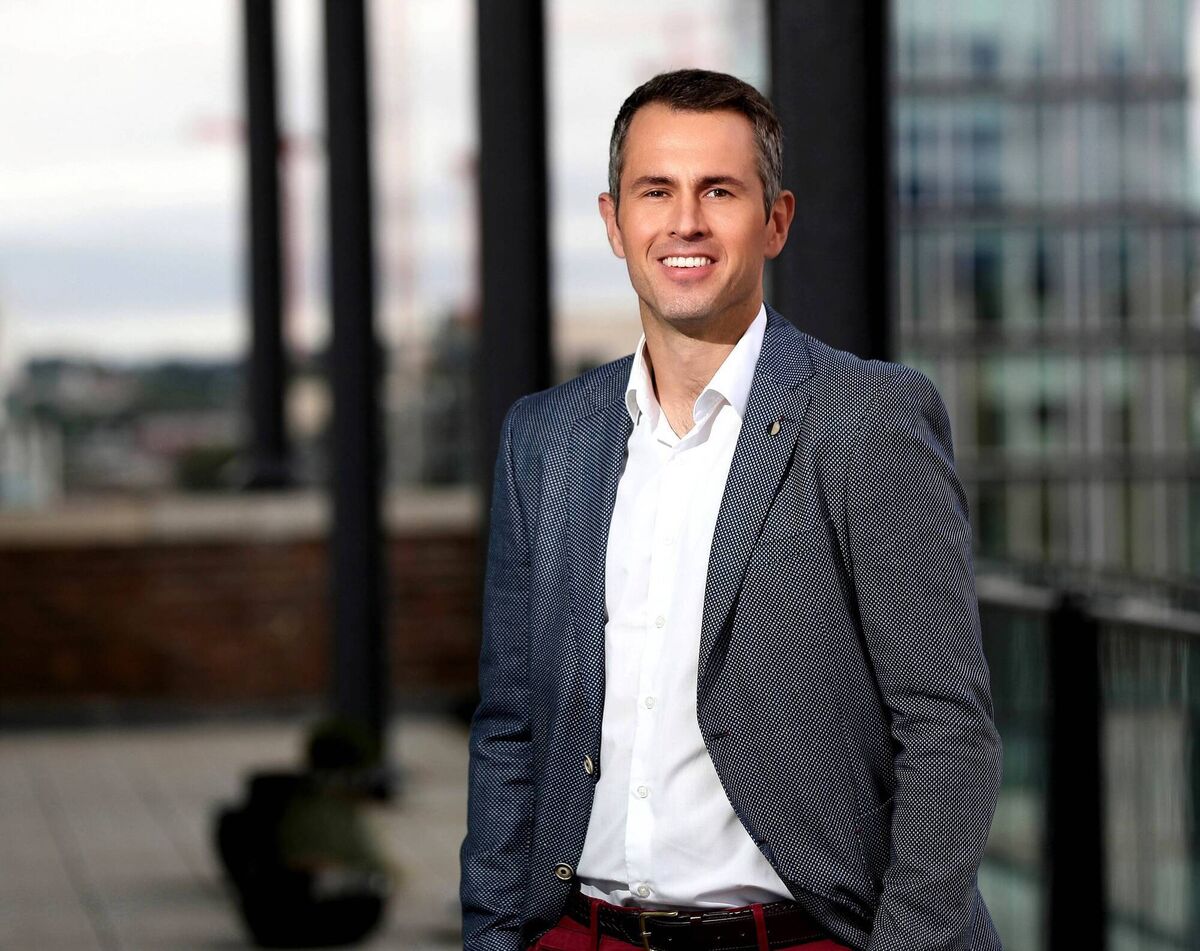
Every day, broadcaster Kieran Cuddihy drives from his Kilkenny home to the Newstalk studios in Dublin. Having lived in the capital for years, he is well versed in its unique charms and advantages but for him, Kilkenny trumps any city in Ireland.
“I love how walkable it is, how nice it is to be in,” says the 41-year-old. “Kilkenny has avoided the hollowing out of the centre you see in other places. There’s not a huge vacancy rate, so there’s a vibrancy to it.” That joie de vivre is elevated by the city’s many festivals anchored in its historic backdrop.
“Kilkenny’s cultural footprint is much bigger than its actual footprint,” says Kieran. “Part of that is just history; the castle in the middle of the city and the Medieval Mile are lovely. The powers that be have been good at marketing the city and organising festivals. In turn, the city has developed a great tourism trade. There are great bars and restaurants, two of which have Michelin stars.” For Kieran, Kilkenny is still a living city however and with the likes of Cartoon Saloon and others, there’s a “creative buzz around” that is probably “only matched by Galway.”
“It’s great for families too,” he adds. “In the summer we bring the kids down to the river to swim. They’ve done that up, they have lifeguards and it’s brilliant. There are great walks around the place and it’s only forty minutes to Tramore or Dunmore East. So much to do and it’s easy. I wouldn’t be anywhere else.”
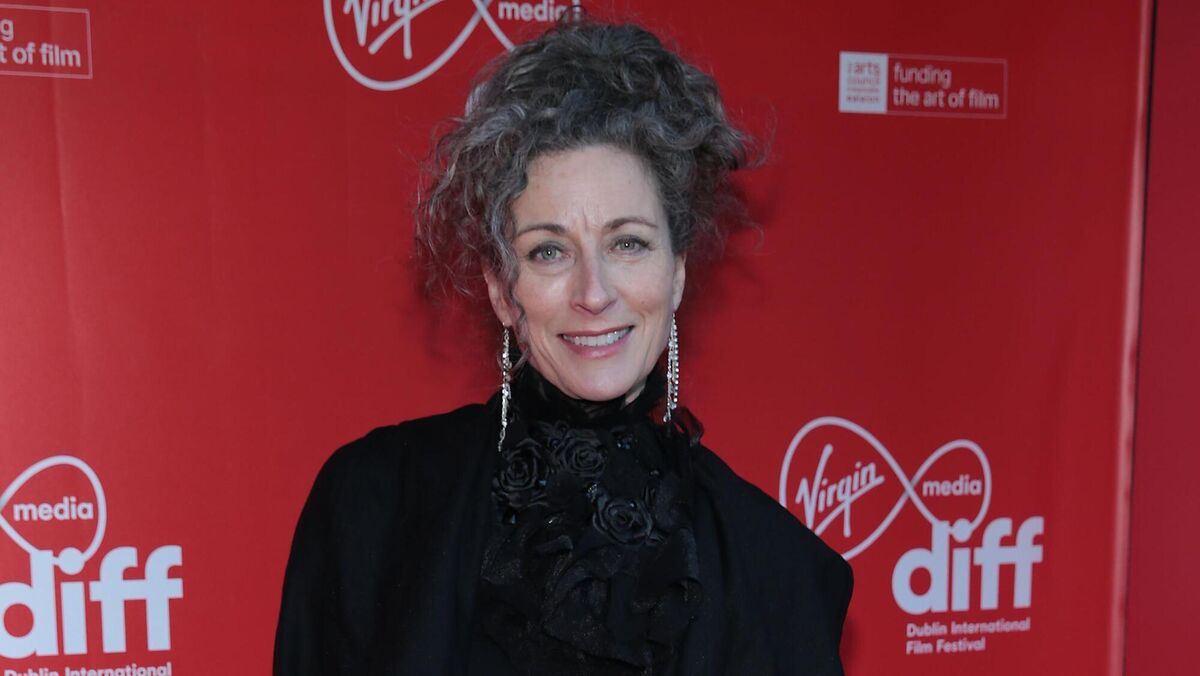
Actress Carrie Crowley grew up on Summerville Avenue in Waterford, “a perfect walk or cycle from most places” whether that was “spending time on the banks of rivers as Dad fished” or going to “everything that played at the Theatre Royal regardless of genre”.
“I've just finished a run of a new Jim Nolan play at Garter Lane in Waterford and it was such a privilege to see how positive other people on the team were about Waterford as a place to spend a few months,” she says. “There's an open-armed welcome for those working in the arts that's specific to the city. It’s easy to get around and there are fantastic places to eat or to have a few pints. It's also the home of a good slag. For me, it was a joy to be back on home soil.” Carrie’s father, Con, had a huge interest in theatre and was involved in local musicals and light operas. For many years, Waterford was famous for the annual Tops Of The Town. Carrie’s recent run reminded her how important theatre and music are to Waterford.
“Everybody loves a session in Waterford,” says Carrie. “I remember college friends asking me if everyone in Waterford sang and I have to say I think the percentage would have been very high back then and probably still is.”
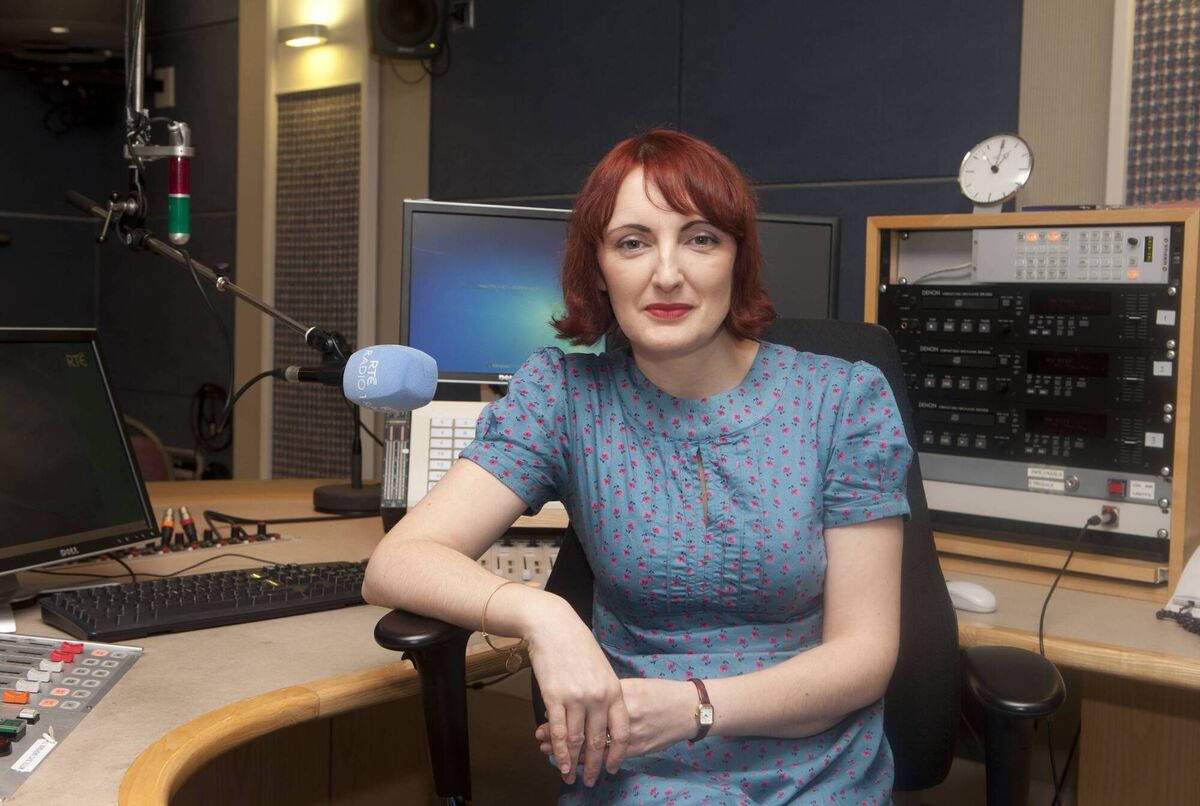
When she was a teenager, Sinead Gleeson wanted to get away from Dublin.
“It felt too small, too stifling,” says the writer. “I wanted to be in New York, or London, and duly headed for the latter the summer I turned eighteen. It was exciting but I was always broke, and quickly realised how impersonal big cities can be. One of the things I love most about Dublin, and what makes it a great city, is how friendly it is. People chat to you at bus stops, strangers help you on the street. It has changed hugely demographically and architecturally but it feels inclusive and welcoming to both those who have always lived here and to new communities. It’s also compact, easy to get around and has decent public transport.” Despite some areas needing “investment and refurbishment”, Sinéad sees Dublin’s “scruffy edges” as a “fundamental part of its character”. Indeed, as a writer, she often finds them inspiring.
“It’s a huge city for literature,” she says, “and growing up here, becoming a writer seemed within reach, in a country that champions its cultural practitioners. I have been travelling a lot this year for my latest book, Hagstone, and whenever I fly back over Dublin Bay and see the Poolbeg towers, I feel a sentimental sense of home and belonging, especially when the passport folk in the airport say, “Welcome home”. So I know how James Joyce felt when he wrote, “When I die, Dublin will be written in my heart.”
CONNECT WITH US TODAY



Be the first to know the latest news and updates