When a 15-year-old tells you that one of their biggest concerns in life is housing, then you know, as a country, you have a big problem.
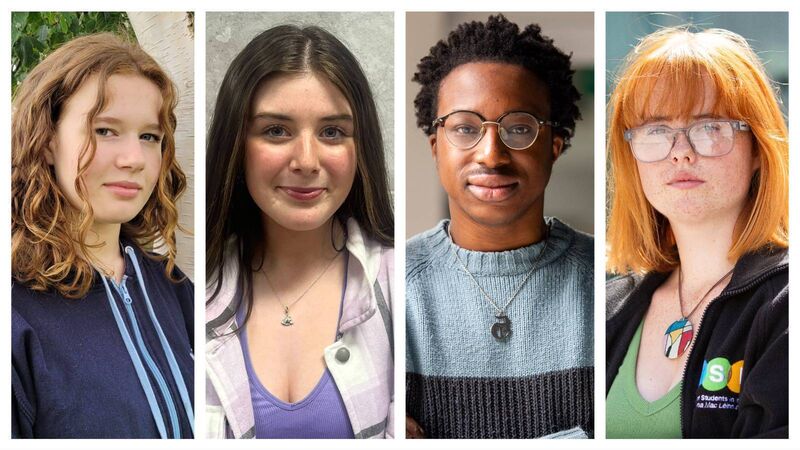
“With my own friends, housing is a big deal,” says Dungarvan native, Eve Meleady.
“There are loads more homeless people. Getting a place to live in cities is so difficult. People are moving out to different counties and commuting two or three hours a day just to get to work or school. We are looking at migrants living on the streets of Dublin and we are thinking, that could be us in 10 or 20 years, if there’s nothing available.”
Eve is the national representative for Waterford on the National Executive of Comhairle na nÓg, a group of 31 youth councils that give young people across the country a voice on local services and policies. The transition year student was inspired to get involved in Comhairle through her brother.
“When he was involved, the local Comhairle’s focus was the environment,” says Eve, “and he’d come home and tell me about everything he had done. They planted over three thousand trees in Waterford. I wanted to make a change too so I signed up as soon as I could.”
Eve has been busy since joining. She was part of the team that created a popular and informative podcast around relationships and sexual health for young people.

She has also continued the work of her brother and his Comhairle with new projects for tree planting in the local community.
Though no doubt satisfying, there is still plenty of work to do on a broader scale.
“We’d like to see the points system changed,” she says.
“Students are being put under a lot of pressure trying to get the highest points possible for places here in Ireland. The points are just so high for courses like medicine and law. People are looking abroad because it’s easier to get in and cheaper than studying here. And that’s so wrong. You should be able to get the course you want and not have to move abroad to do it.”
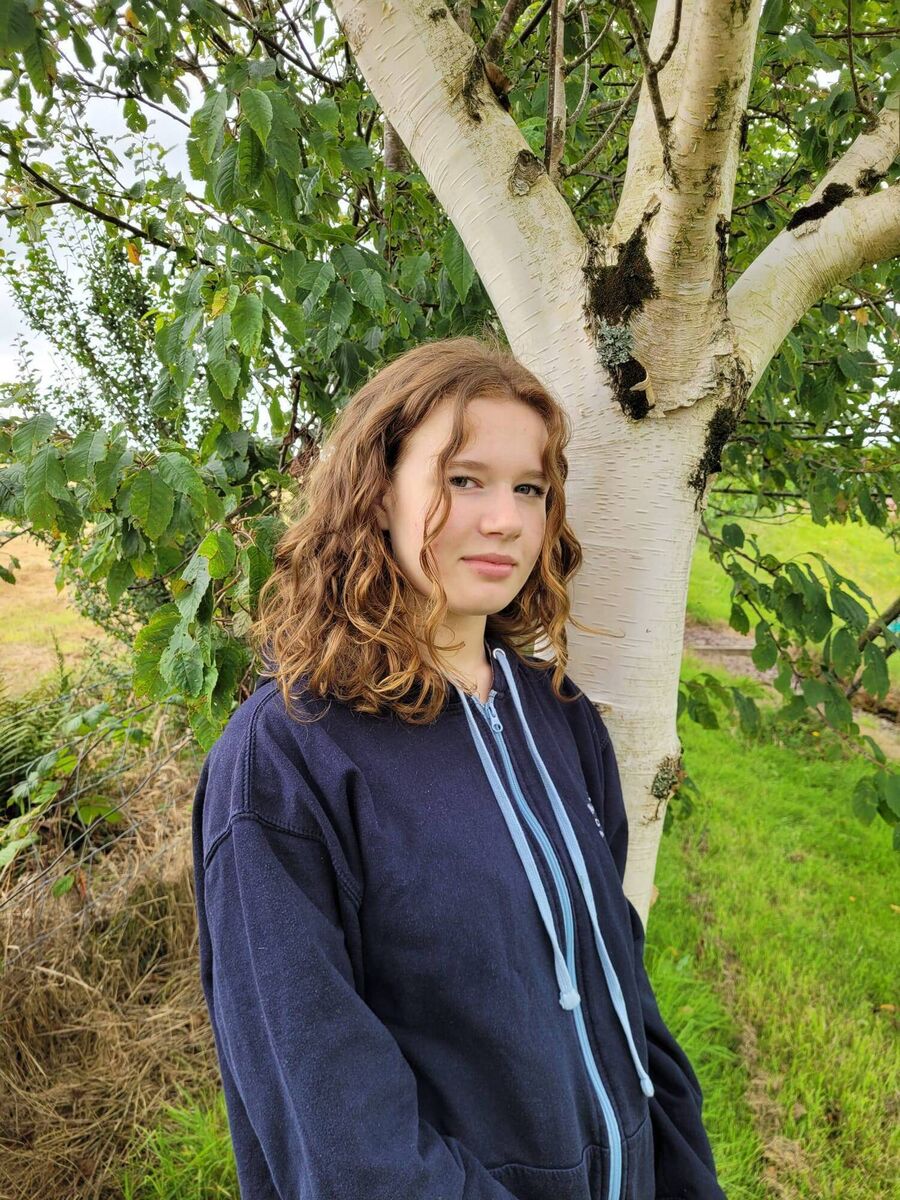
In neighbouring Tipperary, Olivia D’arcy has similar concerns around education in Ireland.
“Points inflation and low-income households are a big issue in Ireland,” says the 15-year-old from Cahir.
“It’s really hard for people to think about college at the moment because the cost is huge. There are a lot of grants, but still, people can’t facilitate going to college with transport, the cost of transport as well as the cost and lack of accommodation.”
For Olivia, climate is another issue that “people fail to understand the true significance of”.
“There is no single solution to the problem,” she says. “But I think if you had more accountability it would help.”
Since joining her local Comhairle over two years ago, Olivia has held the office of Chair, Public Relations Officer and was recently voted on to the national executive. Though she sees lots of problems there are also positives.
“I’m interested in sport and I’ve been watching the women’s football team since I can remember,” she says.

“It’s gone from maybe one in nine people watching them in Tallaght to sold-out stadiums. That’s really progressive and it’s great. In politics, there are so many young people getting involved. In my local area, more women are involved in politics and I hope to be one of them one day.”
Though alarming, the Comhairle na nÓg representatives’ concerns seem justified when you talk to those a little older.
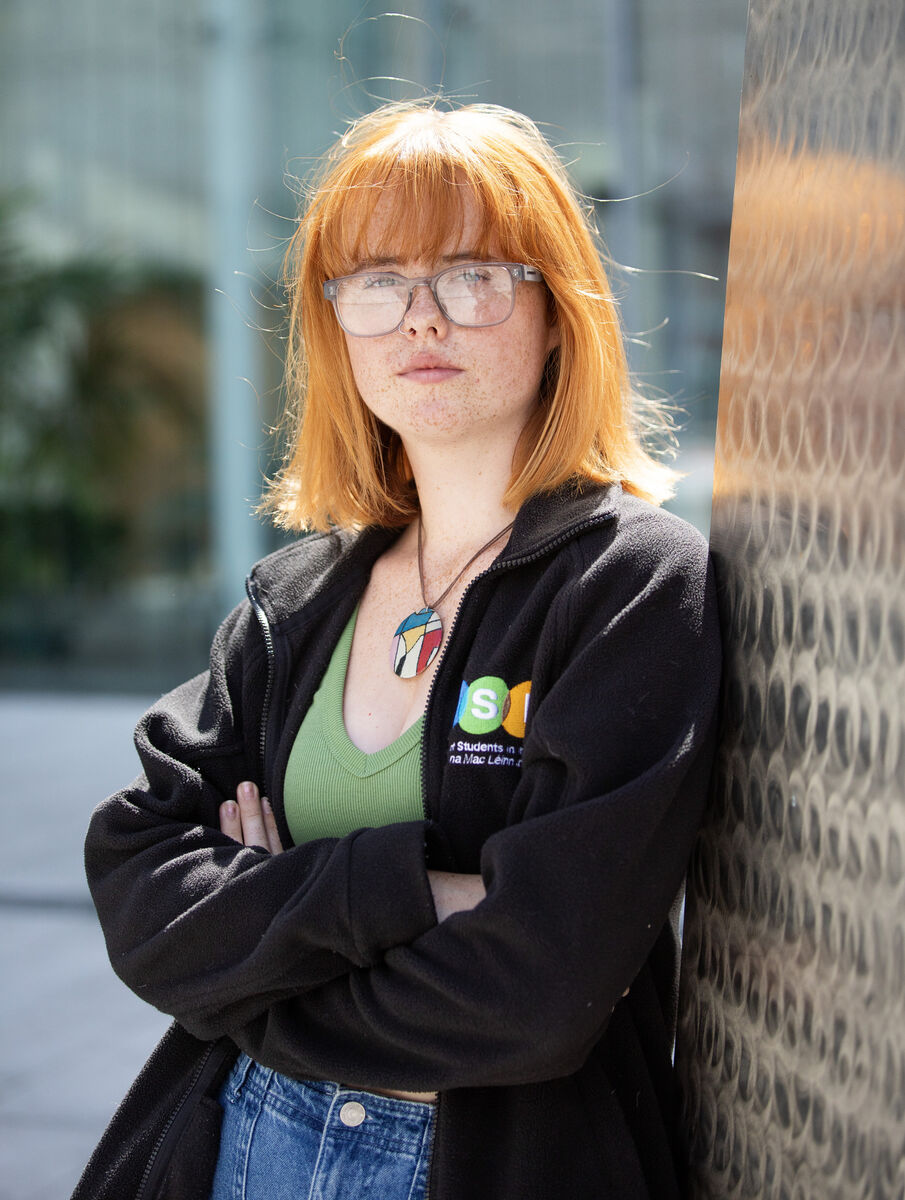
Twenty-five-year-old Niamh Doherty says that after finishing their degrees, most of her friends left the country. Niamh is the Union of Students in Ireland Vice President for Welfare.
“A lot have gone to Australia and I wouldn’t be surprised if I follow them soon,” she says.
“Brain drain is a big problem here. A lot of people are getting their degrees and they’re seeing that there’s just not enough here. It’s not worth staying unless you have a supportive family and have ended up on the lucky side of life. The cost of rent is crazy and there’s not enough regulation around digs. There are still a lot of landlords doing cash in hand, not registered with the Residential Tenancies Board (RTB) and there’s a problem with students not knowing their rights. Mental health challenges are massive too and access to services around that are a real problem. I think they are all linked.”
Niamh studied Social Care at Munster Technological University in Kerry and finished with a dissertation on mental health services. Some of her findings would probably surprise older generations who may feel that today’s youth are more open.
“Stigma is still a huge issue,” says Niamh.
“Lots of young people are still hesitant to talk about their mental health. There was a fear of judgement and even discrimination. I didn’t expect that response. We are definitely better than older generations but there is still a lot of hush-hush around mental health and talking about it has to start young.”

As well as costs and access to critical services, Niamh feels there has been something of a change in the overall mood of the country.
“It’s getting a bit scary,” she says. “There’s a lot of hate everywhere, people are scared generally and gender-based violence is getting worse again. I think it’s not that safe anymore. That’s being used by the far right who say that it’s immigrants’ fault. Realistically it’s not.”
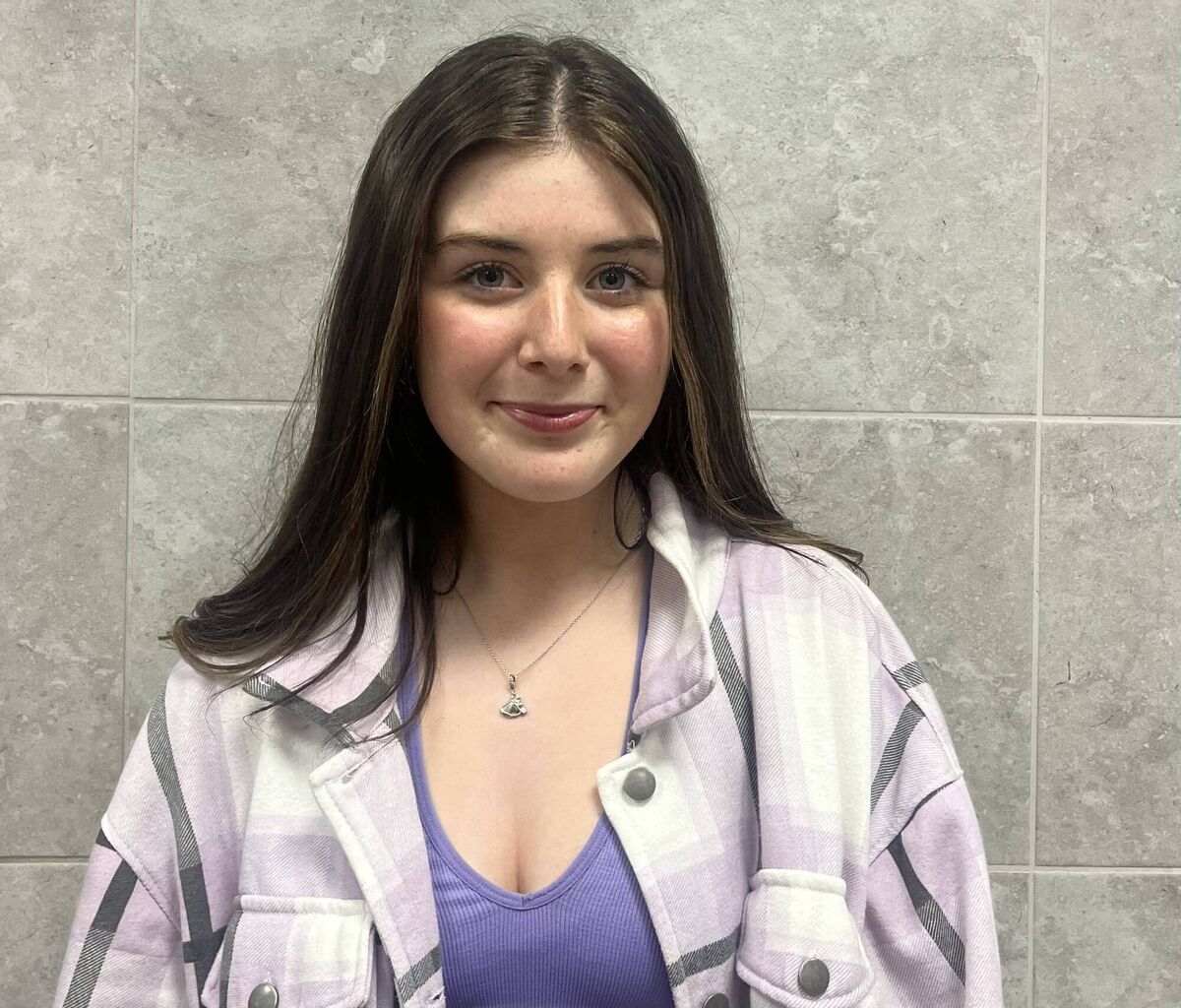
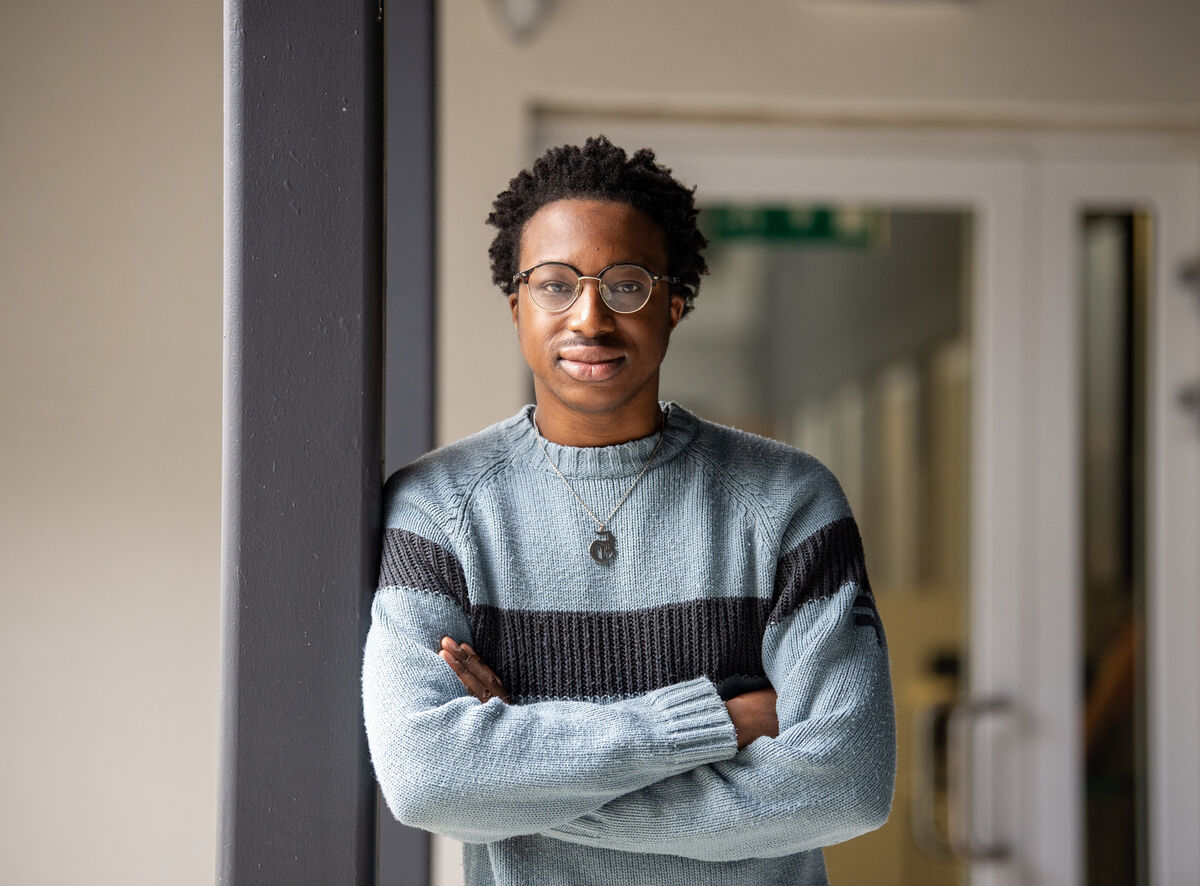
“I have noticed a change in tone,” says Oba William-Funmilayo from Drogheda.
“Before you’d see the odd comment on Twitter or you might get a random comment on a night out. In the last year, people have been more vocal and it is more organised I feel.”
The 23-year-old artist and designer studied Product Design at the Technological University Dublin. Since graduating last May, he has been working hard to kick-start his career.
“It’s going well,” he says. “I’m still finding my feet. I guess it has gotten better. A couple of years ago when I first went to college, there weren’t many opportunities. In the last few years, there’s been more of a push with events like Design Week and there are more exhibitions to get involved in and to show work. That helps young artists and designers. It still has a bit to do to catch up with other European countries but there are more opportunities than before.”

Oba, who works as a freelancer, did his internship with a jewellery designer. Much of his focus is on 3D design for Nigerian-themed accessories. He also works with brands on props and spatial designs as well as some graphic design. At the moment he is living at home in Drogheda with his Nigerian-born parents.
“Housing is the main thing,” he says. “A lot depends on that. It dictates how you go out, where you go out, your hobbies. It all depends on where you live. Without that sorted out, it can be difficult. I’d like to move out at some stage but cost wise it doesn’t make sense.”
Will he stay in Ireland?
“For my career, it makes more sense to move,” says Oba, “because there are more opportunities abroad. But I’d like to stay.”
“The future is uncertain,” says Olivia. “It’s something we can’t decide for ourselves. The question is, can I afford to stay in Ireland? I adore Ireland. I don’t want to leave but is that a choice I can make?”

Cancel anytime
CONNECT WITH US TODAY
Be the first to know the latest news and updates