Derval O'Rourke: What ‘failing’ to qualify for my first Olympic Games taught me
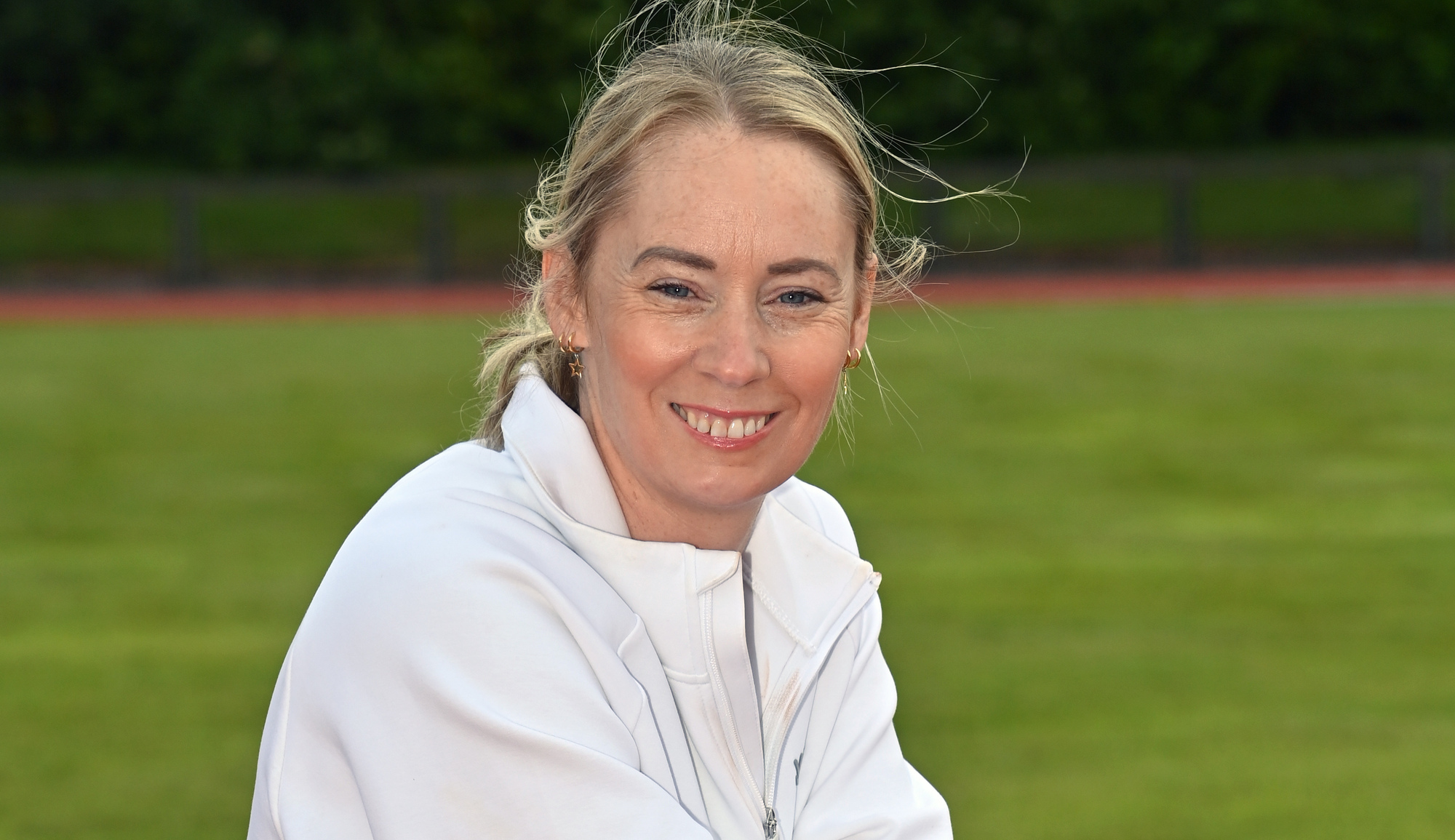
Derval O'Rourke: Years ago I went to a psychologist to deal with the pressure I was feeling of competing at a high level. Picture: Dan Linehan
I was recently scrolling through Instagram and a video came up of someone talking about failure.
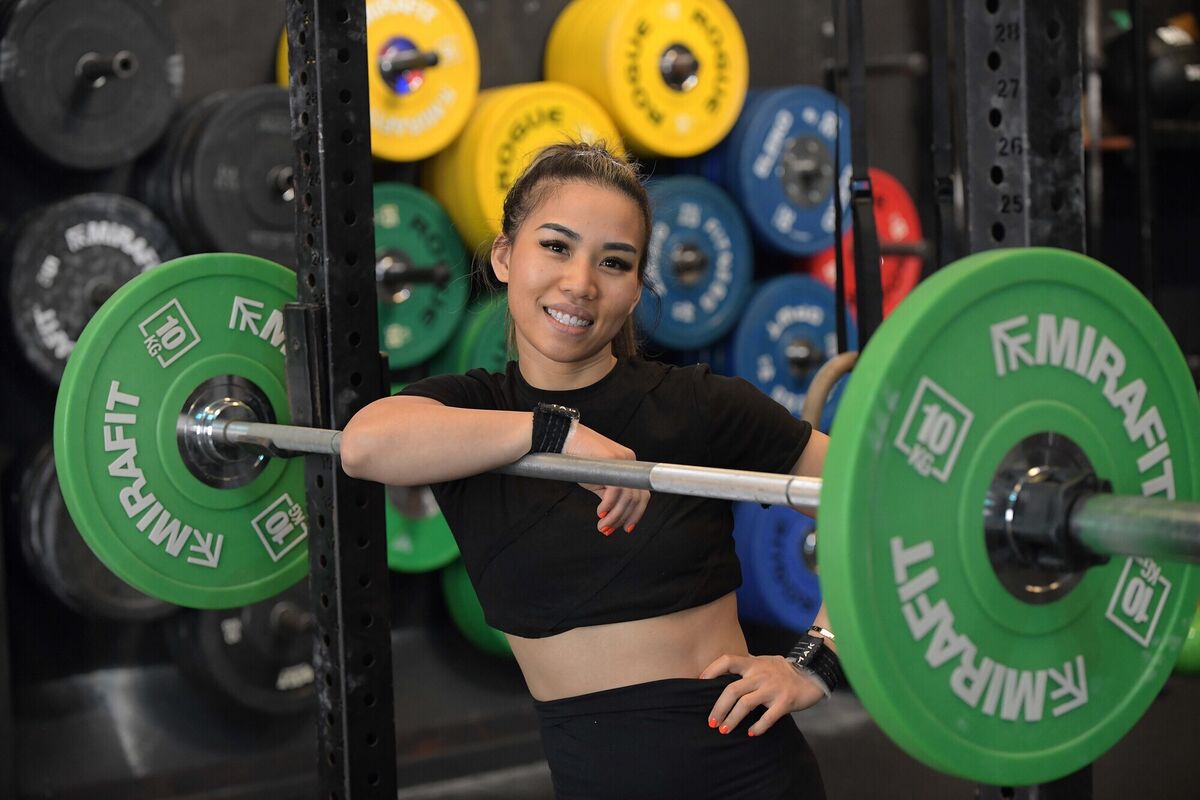
The video caught my attention because it was an athlete explaining that they had ‘failed’ to qualify for the Olympic Games in Paris in 2024. The athlete was Irish weightlifter Thammy Nguyen. She is an incredible athlete and someone I was hoping to see compete in Paris.
It got me thinking about how failure is a part of everyone’s lives, whether you are trying to qualify for an Olympic Games or hoping to run your first 5km race.
No matter what your goal is, realising that almost everyone doubts themselves is quite a grounding thought, in the same way as realising that almost everyone is nervous before big events. Failure for athletes can feel a lot bigger than failure for the rest of us because it is quite public. Identifying that we don’t want to fail is often quite helpful as is being honest with ourselves. Years ago I went to a psychologist to deal with the pressure I was feeling of competing at a high level and she asked: “What is the worst thing that happens if you fail?” The question was so useful and it’s one I come back to time and time again.
Often when we hear the word ‘no’ it can feel so personal and deflating that we take way too much from the response. The reality in ‘no’ is often that it means ‘not right now’, and not no forever. For example, not getting a job you went for doesn’t mean that you will never get that job, it simply means that job isn’t available to you right now. Not achieving a fitness goal can mean many things and it doesn’t necessarily mean you were not good enough. Finding ways to be realistic and attach less emotion and more reality when things don’t work out is really helpful.
The ‘no’ often teaches us what we need to learn to progress. It might be our approach to a new job or opportunity needs to be tweaked. It may mean this particular avenue isn’t exactly where we can go but that doesn’t mean there isn’t another avenue open to you. I ‘failed’ to qualify for the first Olympic Games I tried to go to but I completely changed how I approached the next effort four years later. That first failure wasn’t fatal in my career and ultimate goal.
If you are starting something new the chances are you won’t feel very proficient at it. This could be a new fitness regime. You might have decided to take up running and if so you will start off much slower than you plan to become. You will see lots of people who look much faster and fitter but that’s OK. It’s about being in it for the long haul and not just the first day. It’s about knowing your journey is personal and your success is different to someone else’s.
One of the greatest gifts I got from being in Olympic sport was learning to deal with any outcome regardless of whether it was a success or failure. Being able to take a step back was important, allowing me to look at what I learned along the way and the relationships and connections I developed with others. We all want the outcome we strive for but finding contentment where we land with our goals is really important.

CONNECT WITH US TODAY



Be the first to know the latest news and updates