Celibacy on the rise: Why more people are choosing to abstain from sex
Celebrities like Lenny Kravitz, Julia Fox, and Khloé Kardashian are choosing not to have sex, so should we all abstain?
Celibacy on the rise: Why more people are choosing to abstain from sex
More people are opting to be celibate, though for different reasons.

Not tonight Joséphine. The legendary line has long been attributed to Napoleon Bonaparte, whose wife, Joséphine, reportedly had a sex drive so high that the French military general and emperor literally could not keep up.

Or maybe that wasn’t it at all. Maybe Napoleon’s legendary utterance was an expression of voluntary celibacy, a practice that’s becoming increasingly common.

What happens or doesn’t between the bed sheets of others is seldom ours to know. That’s where celebrities come in. We know lots of them are choosing celibacy. Because they’re telling us they are. In their droves.

Italian-American actress and model Julia Fox revealed via a TikTok comment (where else?) that she has been celibate for two and a half years and that she’s “never been happier”.

Speaking about her decision on Watch What Happens Live with Andy Cohen, she said: “I just think nothing good comes from having sex,” before jokingly adding that this included “having children”.

In May, musician Lenny Kravitz told The Guardian he’d been celibate for nine years and intended to stay that way until he met the right person. “It’s a spiritual thing,” he said.

Last month, Khloé Kardashian said she hasn’t dated since before her youngest child was born in 2022. Others who have spoken about bouts of celibacy include singers Suki Waterhouse, Mariah Carey, and Lady Gaga, and comedian and television host Nick Cannon.

Celibacy during a relationship is likely more common than many of us imagine. It has to be, if TikTok is to be believed.

There, a search for ‘celibate in a relationship’ delivers 34.6m posts, compared with 35.5m for the search ‘voluntarily celibate’.

While TikTok is a global platform with one billion monthly active users, its statistics are relevant to Ireland, given that figures published by its owner, ByteDance, showed that early this year, the social-media app had 2.37m users here, aged 18 and above.

A search for ‘promiscuity’ delivers a meagre 704 results. This may or may not be indicative of society and a shift from casual sex to celibacy. It could be that ‘promiscuity’ is not a word TikTokers tend to use. Or it could be that the truly libertine are too busy having a good time being wanton — a term TikTok doesn’t seem to recognise and suggests might be ‘wonton’, as in ‘dumpling’, instead — to post videos for all to see. This theory is borne out by a search for ‘hookup’, which delivers a scant 51 posts.

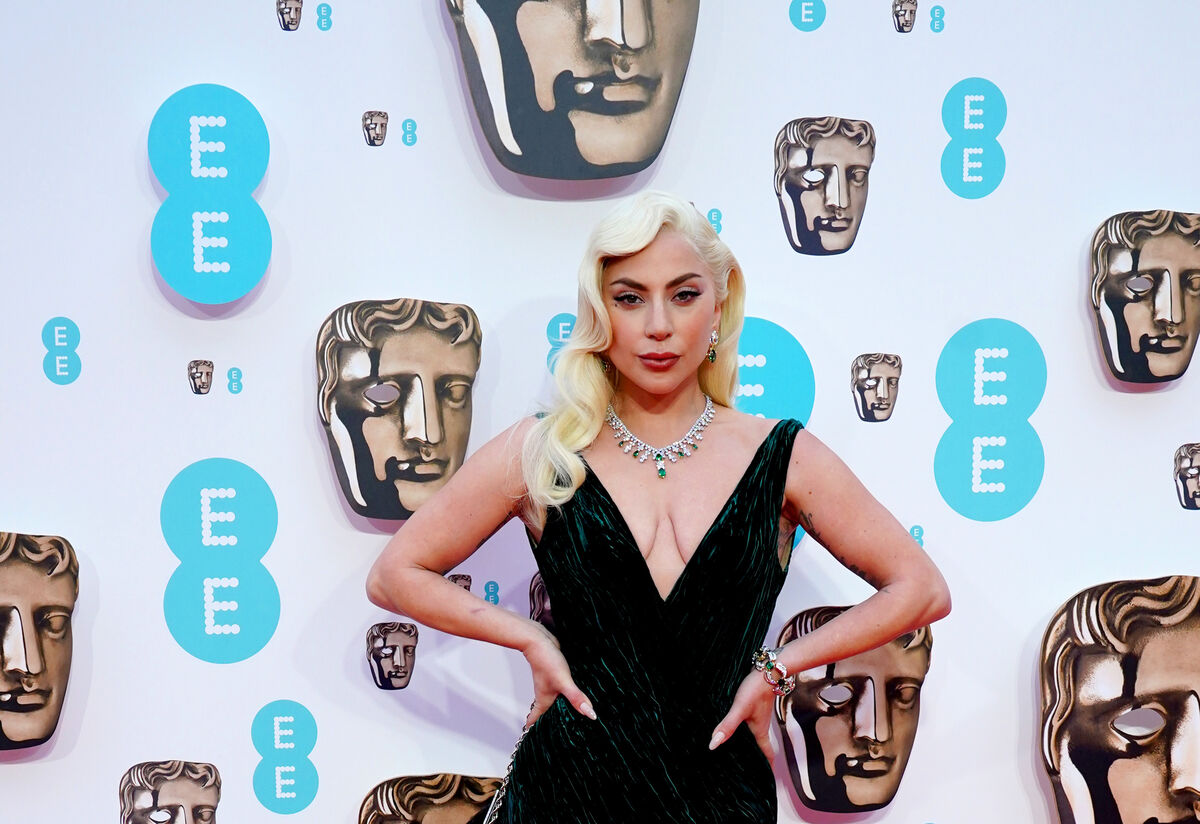
Lenny Kravitz is among the celebrities to have had periods of chosen celibacy.

Words induce emotion. The word ‘moist’ is so universally disliked that teams of scientists have invested their time in to investigating why. While the curious can research that topic themselves, let’s consider here the fact that comedian, storyteller, and influencer Hope Woodward “hates” the word celibacy.

So much so that she ditched the word and replaced it with ‘boysober’. She says that being boysober is not about climax denial. That it may or may not entail no dates, or dating apps and that not hooking up or not having romantic relationships with others is beside the point entirely.

Those with a better understanding of how celibacy impacts people or doesn’t are therapists and sexologist.

In her professional practice, in Cork, psychotherapist Cliodhna Ryan encounters clients who are initially unconsciously celibate following difficult experiences. “These may be connected to abuse or an upbringing which caused them to feel shame in their sexuality,” she says.

“Part of the work is to support the client to make conscious decisions about how they can safely express their sexuality, in celibacy or otherwise.”

While acknowledging that celibacy can provide space, she cautions: “It’s always worth exploring the background to the choice, to ensure it’s not something that is limiting for the person concerned.”

Another who encounters celibacy in her work is sexologist Emily Power Smith: “I see more Gen Z people choosing not to engage sexually in the same way that Millennials did and do,” she says.

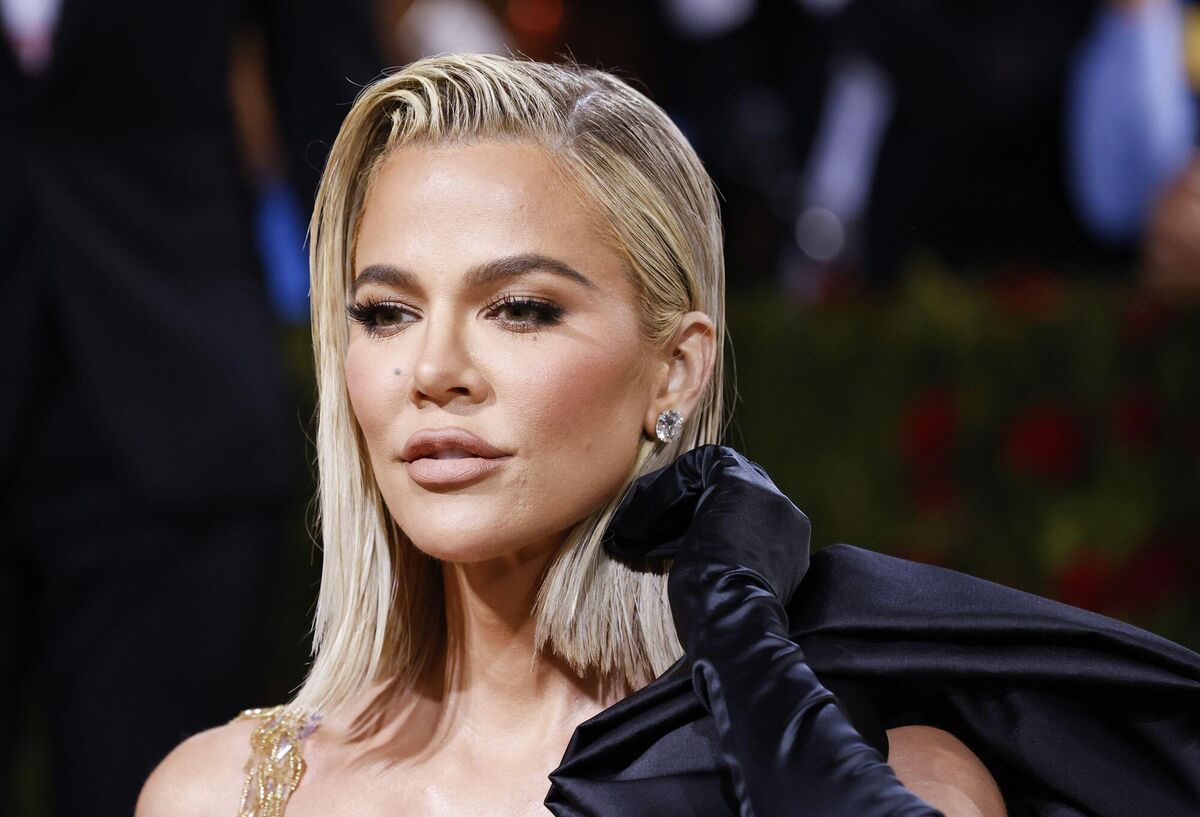
Khloé Kardashian said she hasn’t dated since before her youngest child was born in 2022

Observing that there is more pressure on today’s young people in relation to perfectionism, performance, and the threat of being ‘outed’ online, she says: “This is for not being up to a standard that the vast majority of people will never reach.”

Power Smith believes that in some cases, choosing to wait longer before engaging sexually is down to better education around pleasure, boundaries, and consent.

Explaining why in-person hookups are becoming less attractive, she says: “Online relationships are becoming more popular and appealing to those who are shy, unsure, or lack confidence.” This is not the case with older people, as Power Smith explains: “They tend to feel more pressure to date in person and to feel there’s something missing if they are not.

“I see a skewed cohort, of course. So I don’t often see those who choose celibacy for reasons that work for them.

“Nor am I currently encountering celibacy in people from other gens any more than I used to.”

While Cork-based clinical psychologist Ann Fielding hasn’t met anyone in her private practice who has chosen celibacy as a long-term lifestyle choice, quite a few of her clients have chosen to be temporarily celibate. Of them, she says: “They wanted to work on their own psychological wellbeing, and on previous problematic relationship patterns, before embarking on a new relationship.”

Lady Gaga is among those who have spoken about bouts of celibacy

A gentle and entirely thought-provoking, if slightly lugubrious, aspect of celibacy is portrayed in director Marija Kavtaradzė’s latest movie, Slow.

There, the edgy pairing between allosexual dancer Elena (Greta Grinevičiūte) and asexual sign-language interpreter Dovydas (Kęstutis Cicėnas) is tenderly presented.

Celibacy is complex. For some, it’s an innately fundamental part of their essence.

For others, it’s a goal-oriented choice.

The latter was apparent in a survey commissioned by the German hair-care brand Alpecin. The findings revealed that of the men in their 20s who were polled, 70% said they’d forgo sex for a year if that meant they could avoid baldness.

Intriguingly, females were polled as well, with the researchers noting that ‘across all age groups,’ women were ‘even keener’ to ditch sex for a year to save their partner’s crowning glory.

As for Napoleon, whether pattern-baldness avoidance was on his mind the night he may or may not have so infamously denied his empress her conjugal rights, we will never know. But what we do know is that while he may well have been denying himself the deep, deep bliss of spousal ‘petit mort’ at the time, he was, upon his actual ‘mort’, not entirely follically challenged.

After all, it was the arsenic found in his scalp hair that clarified his cause of death.

More in this section

Lifestyle

Newsletter

The best food, health, entertainment and lifestyle content from the Irish Examiner, direct to your inbox.

Cookie Policy Privacy Policy Brand Safety FAQ Help Contact Us Terms and Conditions

© Examiner Echo Group Limited