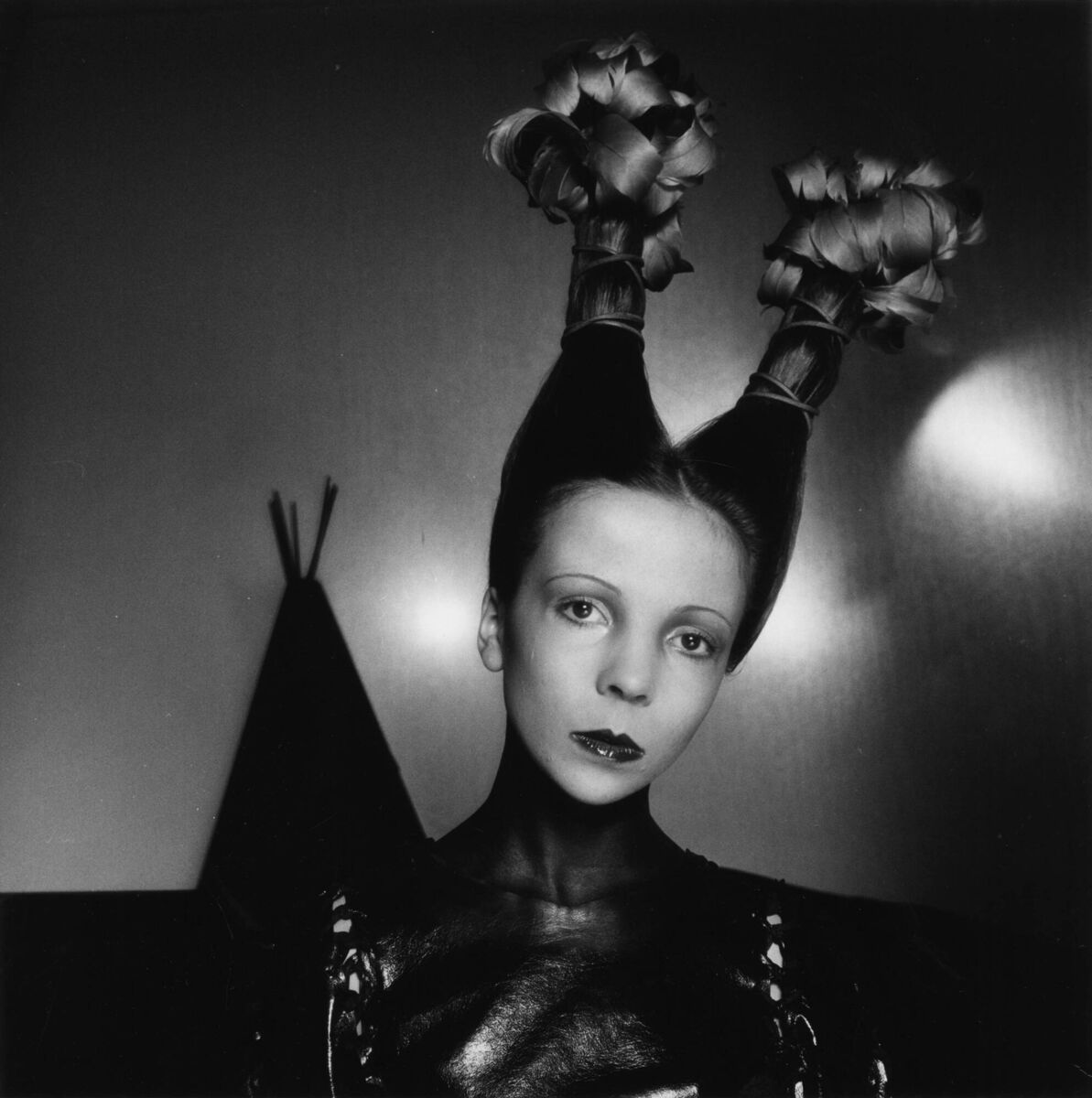
In 1966, Penelope Tree became the face of a generation. She was 17 and had been spotted at Truman Capote’s infamous Black and White Ball in New York by photographers Cecil Beaton and Richard Avedon.
With her round, wide eyes, deep fringe, and her stylised face, Tree had a distinctive look. During the latter half of the swinging 60s, she was the IT girl. In demand and everywhere.
“During the 60s, the excitement in the air was palpable. It was the first time that artists, filmmakers, musicians, aristocracy, the business world, and counter culture mixed, and there was a heady freedom in the air. It felt like anything could happen,” said Tree.
As a model who graced the covers of Vogue, Tree rubbed shoulders with anyone who was anyone at that time. Famously, John Lennon, when asked to describe Tree in three words called her, “hot, hot, hot, smart, smart, smart!” Tree was the daughter of British MP Ronald Tree and American socialite and political reporter Marietta Peabody. But in this impossibly privileged life, she felt as if she didn’t have much to offer. “My family was so accomplished,” she said. “My mother was a reporter and represented the US on the UN Commission of Human Rights, my father was an MP, and my sister was awarded the Pulitzer Prize. I felt like I didn’t stand out in any way, but I wanted to be something and do something.” In front of Avedon’s camera, Tree felt she found her purpose.
“I looked into the lens and it was just this extraordinary moment of meeting someone on a deeper level. I realised at that moment that this was something I could do,” she said.
From that moment, the next six years were a whirlwind of working and travelling, being a cover star on Vogue and Vanity Fair, and becoming the muse of celebrity photographer David Bailey. Tree met Bailey when she was 18, and fell in love in an instant. The pair had a heady relationship for six years, travelling all over the world and experiencing life at the top of their professions.

It’s this time of her life that Tree has used as inspiration for her debut novel Piece of My Heart. Her novel is loosely based on her life, but with some of the details changed. In the book, a teenage girl, Ari, becomes a model and falls in love with a charismatic photographer called Bill Ramsey. Tree changed details and shifted timelines.
“I chose to write my book as a novel rather than a memoir because things seem different when you look back,” she said. “There’s a sense that time shifted. I’ve been able to explore some of the things I went through during that time and in many ways it’s been cathartic.”
When she was 21 and at the height of her career and her relationship with Bailey, Tree developed late onset cystic acne. The condition eventually accelerated a series of losses for Tree. “I lost my career, my dreams, and my relationship. Instead of aligning, it was like my stars went completely berserk.”
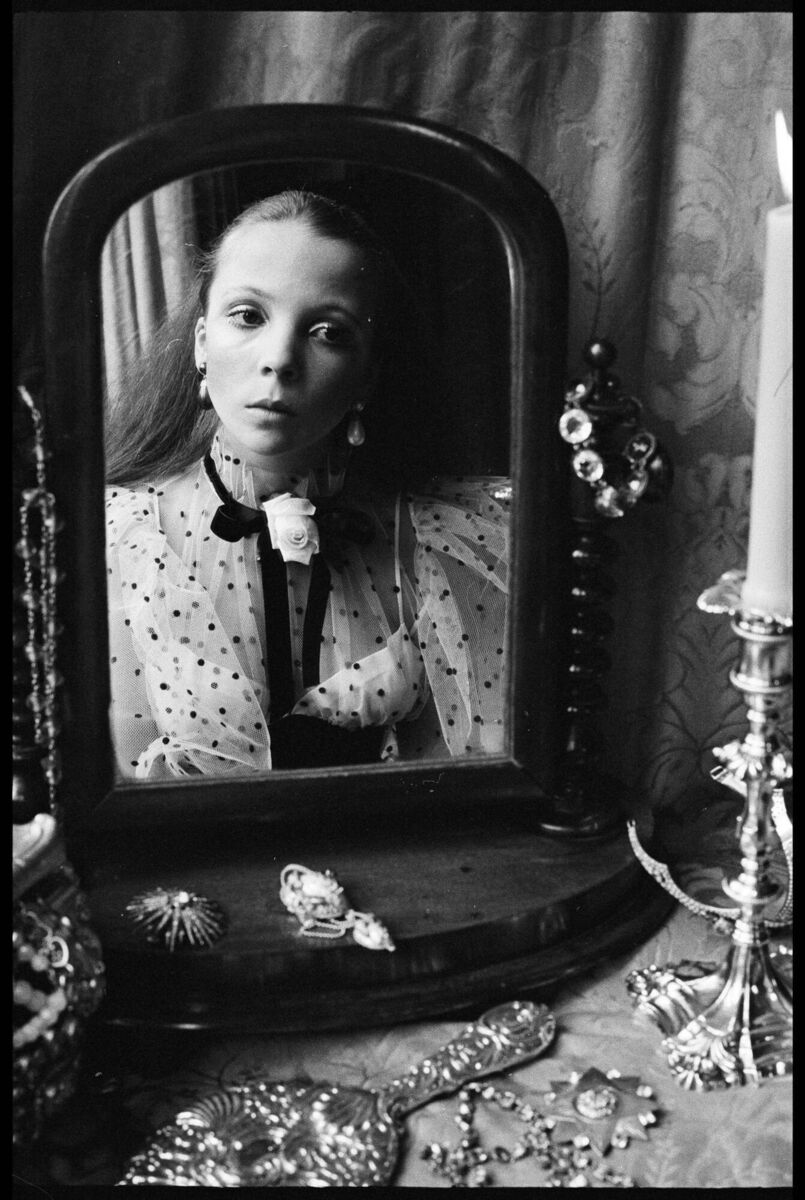
In 1974, after her career and relationship with Bailey ended, Tree experienced a period of deep depression. A dance class in Covent Garden led by choreographer Arlene Philips helped her through that difficult time.
“I went every day for two years. I was by far the worst in the class but what that did was help me to re-learn that life is not that easy,” she said. What Tree did next is straight out of a finding-yourself movie.
“I was on a beach in the West Indies visiting my father, and I met a girl and two guys who had sailed across the Atlantic. I joined them on their boat for the next six months, where we had amazing adventures, travelling to the islands off Panama and into Colombia. During this time I learned how to live in the present, and it was transformative.”
Tree has lived all over the world, working with charities in Cambodia, “in a happy, lovely household in Sydney”, and in her 40s she spent time in India, where she worked with the Dalai Lama and became a Buddhist.
“This was a real turning point for me. Meeting the Dalai Lama and becoming a Buddhist changed things. As part of Buddhist practice you learn to sit and look at things, to try and discover your truth,” she said.

At the age of 62, after the break-up of a relationship, Tree became unmoored again. She travelled around for a couple of years, but eventually it came to a head. “I was skint and I thought to myself, ‘what am I doing?’” Then she experienced another watershed moment in her life; her niece, author and conservationist, Isabella Tree, invited her to come and stay close to her estate in West Sussex.
“I’d never lived in the countryside before, but the moment I saw the place I knew I’d love it there. It has been my saviour,” said Tree.
Tree’s life now couldn’t be further from her life as a world-renowned model in the 60s. “I have a life of huge contrast. It’s been a rich life, full of memories. I have two children and I’m lucky that some of the people I met at that time of my life are still friends today,” she said.
Bailey too, is still in her life. “We are still friends today. I was really in love with him. For me, it was that adolescent notion, like you hear in all the 60s pop songs, that love was forever. I was so naive in many ways; I mean, he had already been married twice! It was a fantasy really and when it evaporated it was hard to deal with that loss,” said Tree.
“But I’m not a nostalgic kind of girl, and for me it’s all about living in the present. I appreciate my life now.” It was in this peace, in West Sussex, where Tree “didn’t have any more excuses”. “I wanted to find a way to express myself. I’d kept diaries sporadically during my life and always enjoyed writing. In the countryside I had the time to read and write and I made a start. It’s not something that’s come naturally to me, in fact sometimes it’s horrible, but it’s been useful for me to look back at that time in my life.”

Tree’s early life was full of unresolved trauma, including a sexual assault in her teens. “I didn’t want to look at them at the time. But pain can still surface, even 50 years on, and you can feel it as strongly. But now I know how to sit with the pain in the present, go through it really, and it does resolve itself,” she said.
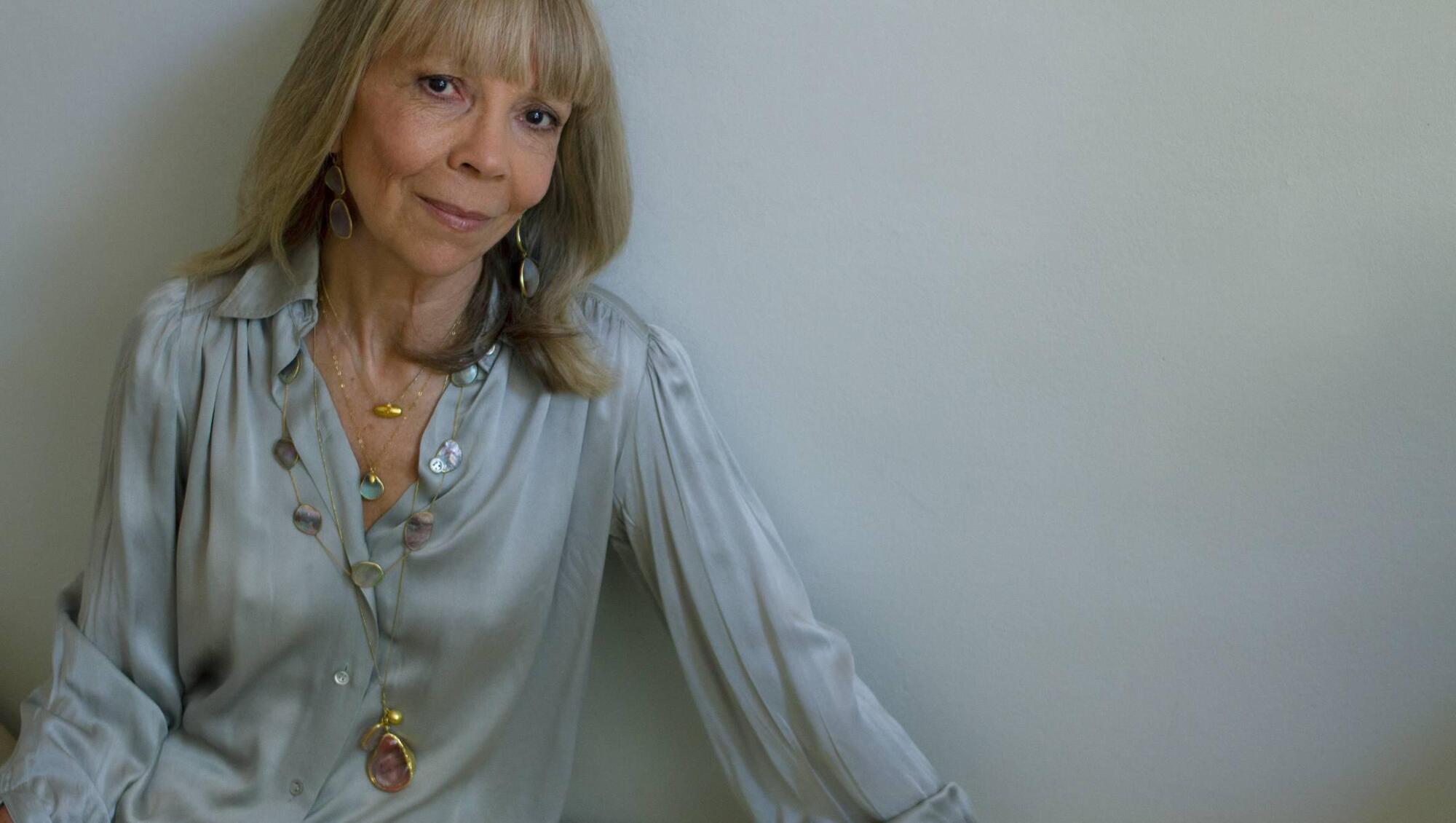
From Truman Capote’s Black and White Ball in New York to the gentle countryside of West Sussex, Tree has travelled an adventurous and chaotic path. But now, at 74, she has very much found a peaceful existence, dabbling occasionally with the fashion world, and expressing herself through her writing. It’s a life that is now very much lived on her terms.

Continue reading for €5
Unlock unlimited access and exclusive benefits
Already a subscriber? Sign in
Cancel anytime
CONNECT WITH US TODAY
Be the first to know the latest news and updates