Victoria Beckham at 50: Girl power, the OG WAG and a fashion empire
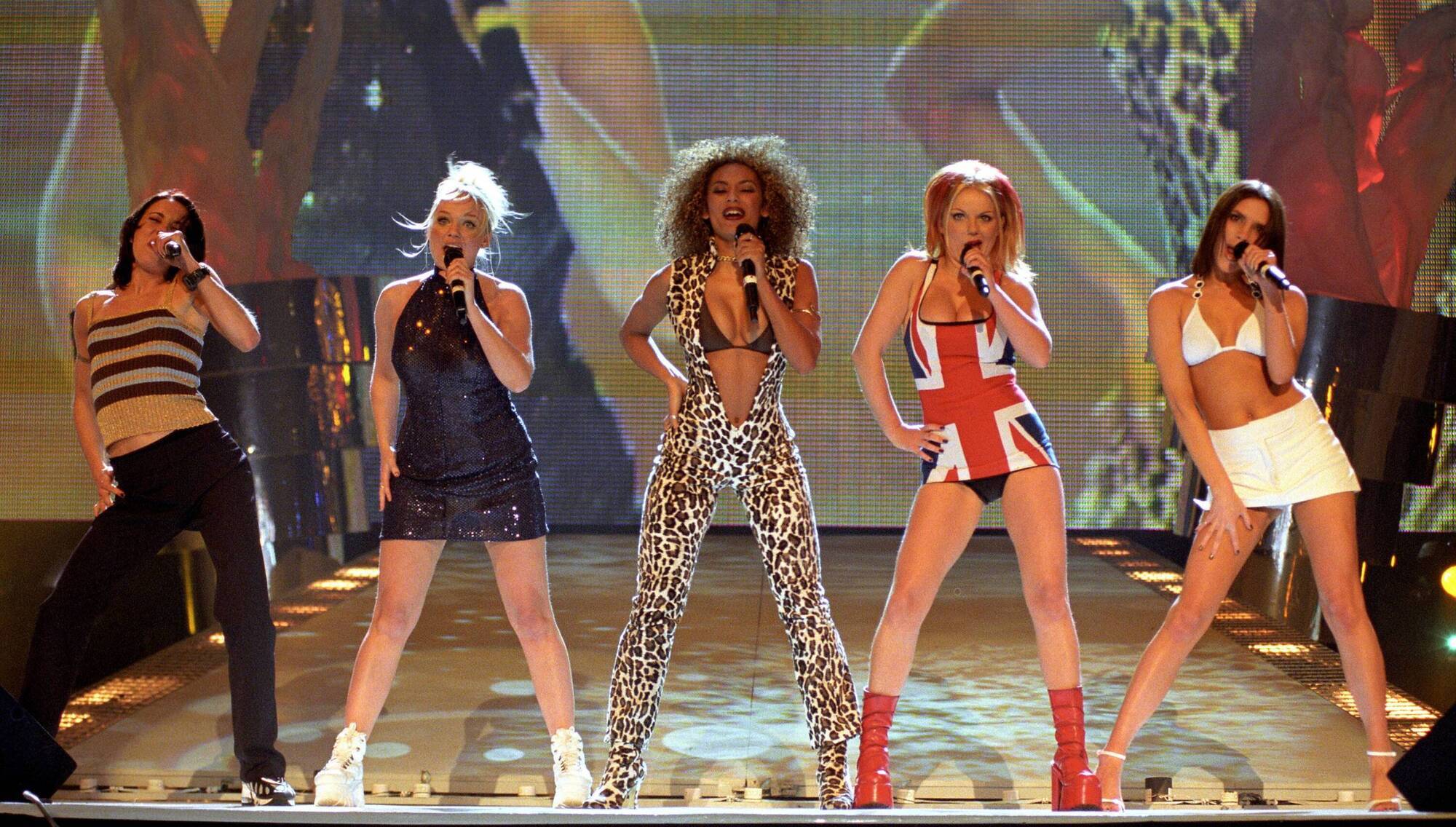
As Victoria Beckham turns 50, and the Spice Girls mark their 30th anniversary, Suzanne Harrington looks back at an era of WAGs, ladettes and page three models – and celebrates
From one-fifth of the world’s best-known girl group to successful fashion designer of minimalist chic, VB has rebranded since the 90s.
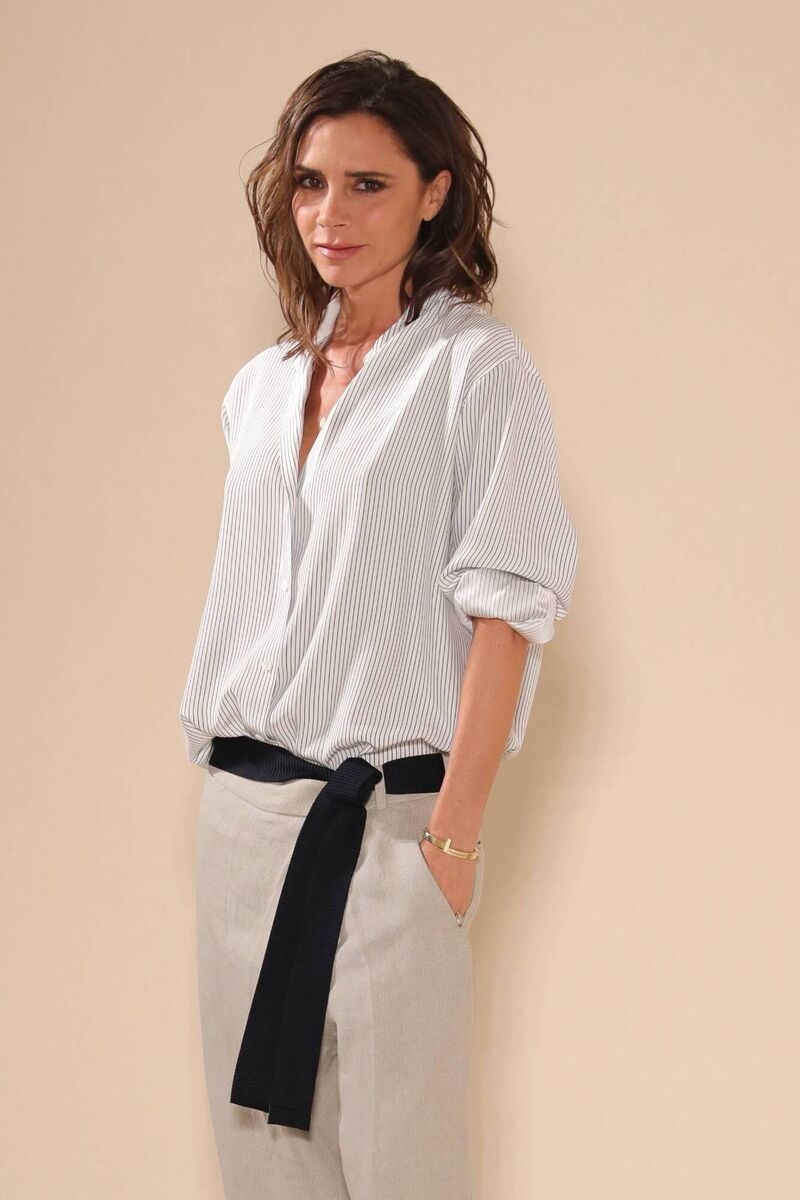
From one-fifth of the world’s best-known girl group to successful fashion designer of minimalist chic, VB has rebranded since the 90s.

THIS may make you feel old, but it’s been 30 years since the Spice Girls got together, and in April their most enduringly famous member, Victoria Beckham, turns 50.

Now Menopausal Spice, the metamorphosis of VB, as she signs herself, has been extraordinary; from one-fifth of the world’s best-known girl group to successful fashion designer of minimalist chic, via a short and less successful attempt at solo pop stardom, while all the time being married to one of the world’s most iconic footballers, and co-parenting their four kids. Each life stage scrutinised, analysed, criticised.

It is only in recent years, thanks to her creation of an award-winning global fashion house, that she is being taken seriously by a media that has, for the most part, dismissed her. 

For years, she was seen as the weakest link in the Spice Girls, compounded by her attempt to briefly launch a disastrous solo pop career. Turned out her talent lay elsewhere — clothes, not music. 

Yet the further she moved from her earlier career as Posh Spice to fashion doyenne, the less she smiled. This trademark pouting has been endlessly derided, via a collective version of the man on the street shouting ‘giz-a-smile’ to ‘cheer-up-love-it-may-never-happen’. 

In an exchange with James Corden, she deadpanned: “Fashion stole my smile.” The reality is she is laughing all the way to the bank.

Turned out Victoria's talent lay elsewhere — clothes, not music. Picture: Neilson Barnard/Getty Images

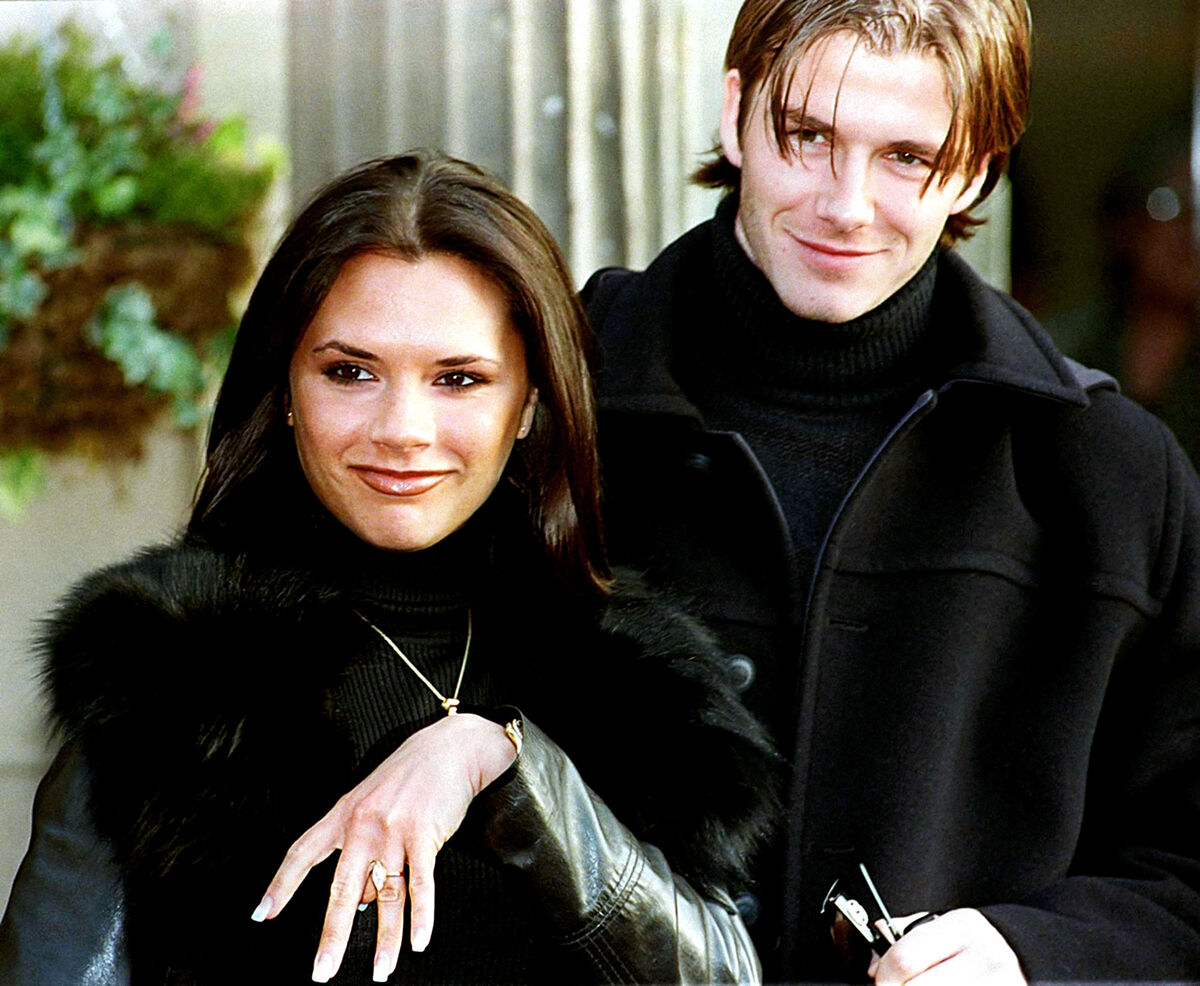
Between being a Spice Girl and a designer were the WAG years. She and David Beckham met in 1997 — after the Spice Girls broke up in 2001, for several years VB’s primary career was as the most famous WAG on the planet. 

This was back when the term WAG was considered a legitimate tabloid acronym for the female partners of professional footballers, back when professional footballers were all men. We’ve come a long way, baby.

Was it all down to girl power, or was the Spice Girls’ shouted slogan just a meaningless marketing trick? 

Associated primarily with Geri Halliwell and her V-for-victory gestures during the tea-towel Union Jack micro-dress era, the term was actually coined in 1991 by US riot grrl band Bikini Kill. 

The riot grrl manifesto, coming from an underground punk feminist movement, was written in a zine called girl power by Bikini Kill’s Kathleen Hanna: “Us girls crave records and books and fanzines that speak to US that WE feel included in and can understand in our own ways.” 

The following year, Rebecca Walker — daughter of Alice Walker, activist and Pulitzer Prize-winning author of The Color Purple — announced in 1992 that third wave feminism had arrived.

While the first wave involved votes and universal suffrage and the second was about jobs and equal pay, the third wave set out to deconstruct ideas around women that categorised them either as passive girly-girls or domineering emasculators; the third wave was about taking ownership of what it meant to be individually female, of being in charge of your own sexuality, of being assertive and free to be yourself.

The success of the Spice Girls embodied pure girl power in terms of brazen ambition and determination.


Wider 90s social change mirrored the increasing visibility of women in power with US public figures such as Ruth Bader Ginsberg, Hillary Clinton, Madeleine Albright, and Janet Reno. 

In the UK, Tracey Emin blew people’s minds in 1998 with her Bed, an unvarnished portrait of a female experience some distance from traditional notions of sugar and spice, kittens and embroidery. 

Girl power seemed to fit perfectly with third wave feminism, brash and confident and in charge of itself, just as at the latter end of the decade, Sex & The City would give us four female characters taking honestly in the mainstream about the female experience of sex. 

Then in 1996, Geri Halliwell rather undermined the concept of girl power in an interview with The Spectator when she said: “We Spice Girls are true Thatcherites. Thatcher was the first Spice Girl, the pioneer of our ideology — girl power.” 

Oh dear. This comment left Sporty Spice — Scouser Mel C — nervous about going home to Liverpool, where Thatcher and the Tories were — and remain — deeply unpopular. 

In a 2022 interview, Melanie Chisholm reiterated how “misguided” and “inappropriate” it was to align girl power with Thatcher, who was famously unsympathetic to women, famous for pulling the ladder up after her.

However, the success of the Spice Girls embodied pure girl power in terms of brazen ambition and determination.
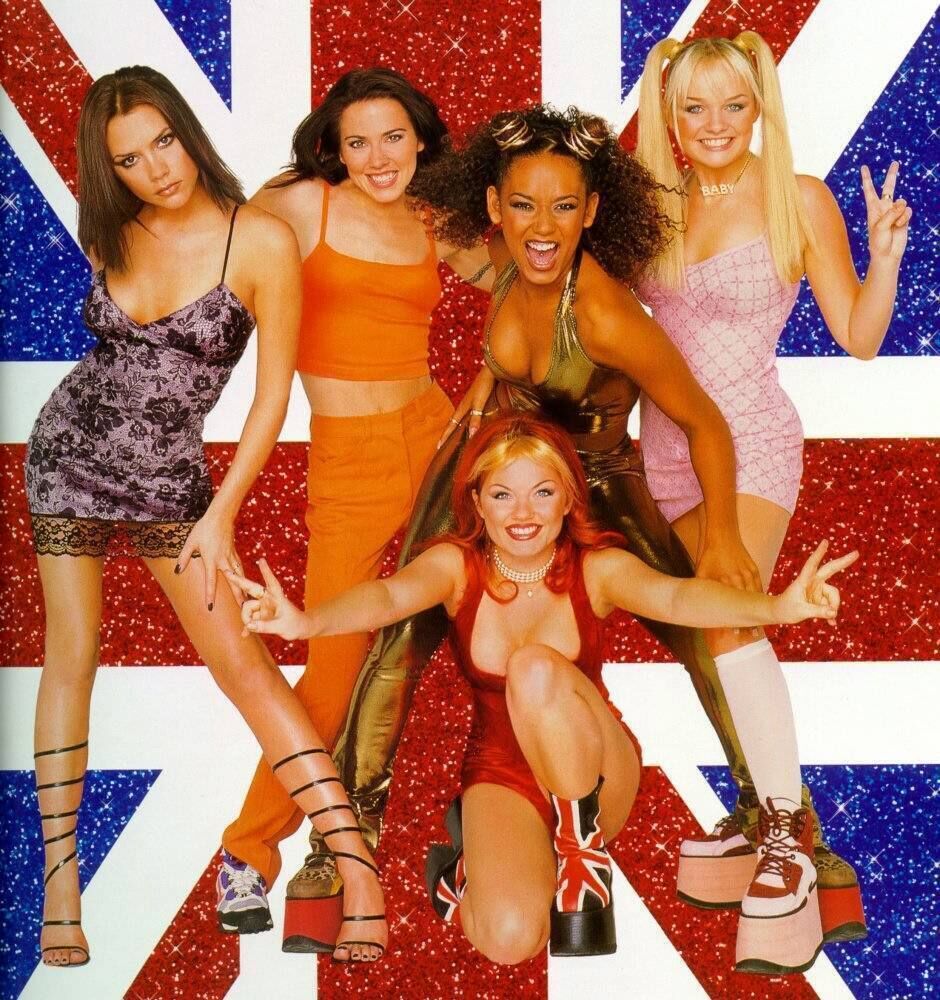
In 1994, Posh, Ginger, Scary, Sporty, and Baby were assembled in a pop petri dish by a father and son management team who had placed an advert in The Stage which read, “R.U. 18-23 With The Ability To Sing/Dance / R.U. Streetwise, Outgoing, Ambitious And Dedicated.”

The further she moved from her earlier career as Posh Spice to fashion doyenne, the less she smiled. File picture: Collins/Dublin.

Four hundred wannabes turned up — the five who went on to become household names were eventually placed together in an attempt to create a group to rival the successful boy bands du jour. So far, so predictable.

Except the five, dissatisfied with their progress and fiercely ambitious, jumped ship in 1995 and got themselves a new manager, Simon Fuller. At the height of their success in 1997, they dumped him too. 

According to a documentary featuring Fuller, it was Annie Lennox who encouraged the five to big up their assigned personas, to inhabit the characters of Scary, Sporty, Baby, Ginger, and Posh and ham it up. 

It worked a treat — girl fans everywhere had a Spice Girl with whom they could identify. The group went on to have nine number ones.

In the years since the Spice Girls’ split and their subsequent reunions, where their former tweenage fans flocked, as adult women, to see them again, there has been much change in our cultural attitudes to women, men, and everyone in between. 

Fourth wave feminism happened. This began in the 2010s, distinguished by activism via social media (#MeToo, #TimesUp etc), and challenging the ‘small’ stuff: the casual sexism, daily microaggressions, lad mag culture. 

We learned new words such as intersectionality and non-binary. Books including Everyday Sexism, Men Explain Things To Me and The Vagenda replaced the terms WAG, ladette, and Page Three. The very concept of gender itself was challenged and deconstructed.

Between being a Spice Girl and a designer were the WAG years.

Back at the 2006 World Cup, we were still in the peak WAG era, the tabloids focusing as much on VB, Cheryl Cole (as she was then known), Alex Curran, Abbey Clancy, Colleen Rooney et al as the players on the pitch; their sole achievement, filtered through classist media misogyny, was seen to have bagged a footballer by looking nice. 

It was a very specific aesthetic — enhanced tits, teeth, and tans, topped off with outsize sunnies and tumbling hair extensions.

VB’s personal renunciation of her role as WAG-in-chief was formalised in 2008 when she launched her fashion label; a year later, embodying this transition, she had her silicone implants removed. 

Sleek fashion designers don’t have inflated boobs, and she was determined to be taken seriously in a notoriously hard-to-crack industry ruled by terrifying individuals like Anna Wintour. She succeeded. 

Today her clothes — elegant, unfussy, eye-wateringly expensive — sell in 230 stores in 50 countries.

We learned a lot about the resilience and staying power of both David and Victoria Beckham as individuals and as a couple from their four-part Netflix series last year. 

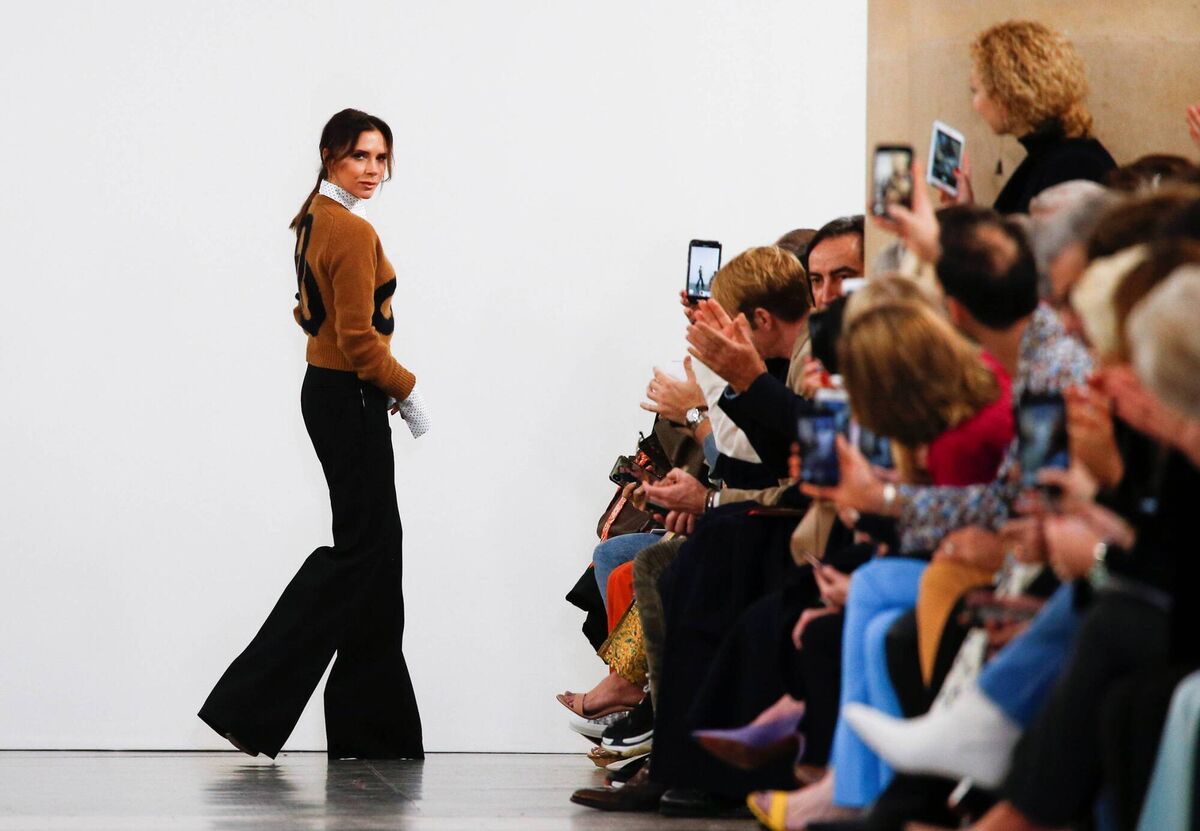
Designer Victoria Beckham after her catwalk show during London Fashion Week 2019. Picture: Reuters/Henry Nicholls

The hate he received after that 1998 World Cup red card would have crushed most people and ended most relationships. 

While the Beckhams initially courted publicity — who can forget the matching thrones, the matching purple outfits when they sold their wedding photos to OK magazine — the couple have spent their adult lives managing a level of fame that could easily have sent them to crazy town.

The Beckhams continued to thrive and move forward, weathering intense media scrutiny at every turn. 

You get the sense that, for all their cash and flash clothes and luxe living, they remain disciplined and grounded people.

And, it is rumoured, in private VB is funny AF. That behind closed doors, she smiles a lot.

x

More in this section

Lifestyle

Newsletter

Eat better, live well and stay inspired with the Irish Examiner’s food, health, entertainment, travel and lifestyle coverage. Delivered to your inbox every Friday morning.

Cookie Policy Privacy Policy Brand Safety FAQ Help Contact Us Terms and Conditions

© Examiner Echo Group Limited