The Secret GAA Coach: Mentors need to leave their ego in the club car park
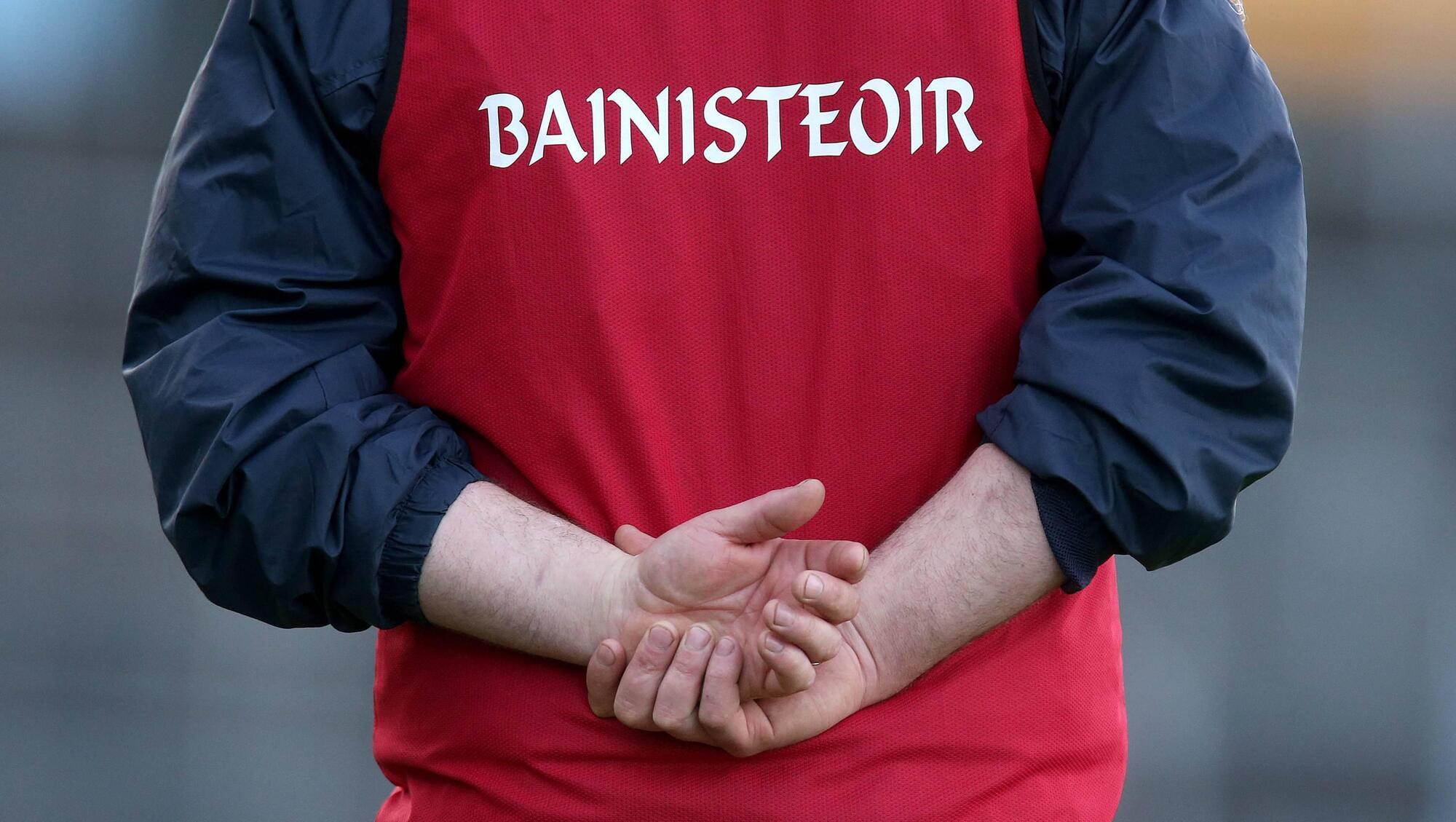
Pic: INPHO/Ryan Byrne
As noted previously, I essentially slept-walked into a ‘career’ as a coach by raising my hand at a meeting at a club meeting.
A bit like one of those auctions where the signed county jersey is bidding at €900 and everyone else remains motionless, afraid to scratch their cheek in case of a mistaken bid.
I raised my hand to give a ‘dig out’ with the Under 13 teams.
Little more than 20 years later, the ‘dig out’ has taken me on an odyssey of coaching clubs and some county teams. It has been the most enjoyable period of my sporting life, second only to my playing days.
There have been many frustrations along the way which have been described in this series.
Those sinkholes manifest in many guises including over-obsessed parents, a dysfunctional club executive, or a misguided player development system bias to those bestowed with early development advantage. This list is not exhaustive.
As we look to the future, there are a number of areas that we need to make sure we get right. This is for the welfare of our juveniles. The very future of our game.
One is the trap of dual clubs. There are many calls to give hurling and football an ‘equal crack’ from very young age groups.
Parents will cite their child’s preference for a specific code. It’s only fair! Not so.
From when a child can practically walk, most can kick a ball. The mechanics are simpler.
The hurley in the hand will come much later. The mechanics are less simple.
Many children will also play soccer or rugby. Similar mechanics.
It is therefore essential that a greater portion of time is spent coaching the skills of hurling from as early an age as possible.
There is a greater array of skills in hurling and they are more complex.
This might upset the football-leaning coaches in the group but it is necessary to ensure that sufficient level of skills is attained by under-14. A better ability to execute the skills will lead to greater enjoyment.
Strength and Conditioning or ‘S&C’ is a term that is part of the lexicon of juvenile coaching.
Many of the purists of games will rile against the inclusion of squats, hip hinges, and inverted rows in an under-14 training session. S&C is here to stay. It is also necessary.
Despite basic S&C being part of the GAA coaching courses, this is not an area for the untrained.
It concerns me for example, to see Under 14 sessions include full-on hamstring stretching.
These are pubescent children, all growing in different and varied ways with all the complications associated with pubescent physiological development (this becomes even more complicated when training a girl’s team and the effect of the menstrual cycle on exercise and performance). The long-term injury risks of getting it wrong are likely but unknown. Best to get guidance from a qualified expert in this field.
Games-based coaching is a welcome development in GAA. Yet in preparing sessions, there are many coaches who default to YouTube.
Such drills usually involve cones elaborately placed in various sequences and orders. Executing the ‘drill’ might require a PhD in geometry. When have we ever seen children go for a puck around and place cones out, just for extra enjoyment?
Cones and elaborate drills are an adult invention for children. I am convinced that there is no skill in the game that cannot be taught outside of a game. It’s simple. Kids just want to play.
Coaching a juvenile (and adult) team should be about enjoyment and fun.
The best advice I ever got from a wise and experienced coach was that the main thing children will remember after any game or training session, is not your inspiring words of wisdom or anything like it, but simply how they felt going home.
Mentors need to leave their ego in the club car park. That might even mean sacrificing the odd humble brag on social media about the ‘success’ of their team.
99% of juveniles will not play senior intercounty hurling. Coaching every player to achieve their maximum potential does not mean sacrificing fun, enjoyment, and life-long friendships.
The focus of anyone taking a juvenile team must be on all these things our brilliant game has to offer.

CONNECT WITH US TODAY



Be the first to know the latest news and updates