Bernard O'Shea: 10 steps to walking tall with the ultimate power pose
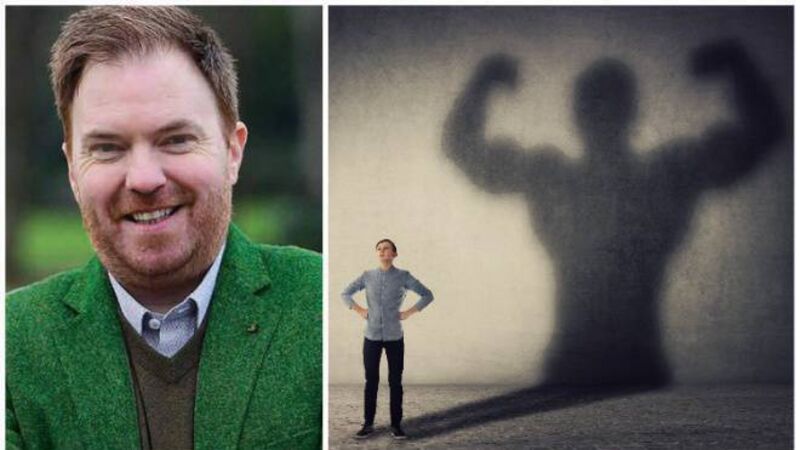
Power poses: Bernard O'Shea stands by them.
In an era where screen time often trumps real-time human interaction, our posture has somewhat suffered—devolving from regal to droopy.
Recent studies indicate that poor posture can affect your mental health.
As we hunch over smartphones and slouch in office chairs, we're missing out on the transformative power of, quite literally, standing tall.
But what if merely altering your posture could affect not only how others perceive you but how you perceive yourself?
Picture this: You're stepping onto a stage. The spotlight is on you, the pressure is immense, and your nerves tingle from your spine to your fingertips. Would you believe that the simple act of standing in a particular way could boost your confidence?
This is not just a game of pretence; it's about engaging with an age-old idea—that your body can influence your mind just as it influences your body.
A few years ago, I worked on a TV program that got people various jobs, including the Gardaí, to do stand-up.
The Gardaí always held a particularly prominent and confident posture when carrying out their duties.
However, when it came to the stand-up, they were out of their comfort zone, and the first thing to go was their confident posture.
Enter the realm of "power poses," a concept made famous by social psychologist Amy Cuddy in a TED Talk that went viral but later met with scepticism and debate.
Here, we'll delve into the core idea and critique: Your posture, a seemingly mundane thing your mother nagged you about, could be the key to unlocking a more confident, empowered you.
Are you ready to redefine your posture and, possibly, your life? Then, stand tall and read on. (Or if, like me, you will practice this in the toilet later on when no one is looking)
When I first took the stage as a comedian, nerves got the best of me.
That's when most seasoned comics will tell you in one way or another, "Fake it 'til you make it."
Ever thought this nugget of wisdom could also pertain to how you stand? Spoiler: it does.
In the digital age, where posture often takes a backseat, remember that your stance isn't just about physical health. It impacts your confidence and overall success, too.
I've had my fair share of stage moments where my posture did me dirty. Lousy posture can tank your performance and your mojo.
Think of a power pose as adult pixie dust. If we can clap for Tinkerbell in a fairy tale, why not stand tall to boost our morale?
Amy Cuddy turned heads with her TED Talk on power poses, only to stir controversy later.
Critics argue about the replicability of her findings. Yet, according to more recent studies, posture impacts your mental well-being.
From Julius Caesar to Beyoncé, powerhouses have mastered their poses. Even Eastern philosophies hold that posture impacts your "chi" or life energy.
Ready to feel like a royal? Assume a standing position, hands on hips, and chest puffed out. Think of the Wonder Woman stance.
Keep this pose for two solid minutes. If you're not feeling the Lynda Carter vibes, try Googling high "power poses," you will also find visual descriptions for "low power poses".
We are all likely inhabiting the low power pose range most of the day.
When I remember to power pose on the stage (I don't go full Lynda), but when I lift my head and puff out my chest, I feel a shift—not just within me but also in the audience's reaction.
So yes, it has been stage-tested to positive reviews.
As Dr. Jane Goodall put it, "What you do makes a difference." Adjusting your posture might be simple, but its ripple effect on your life could be profound.
Think of the power pose as your mental espresso. It may not solve life's problems, but it will give you a quick shot of confidence.
So there you have it: your 10-step guide to the ultimate Power Pose. Could it turn you into Hercules? Probably not, but if you can become the master of your domain by adjusting your stance, isn't it worth the two minutes?


CONNECT WITH US TODAY



Be the first to know the latest news and updates