'A strong sense of wellbeing': 5 things to know about sea swimming
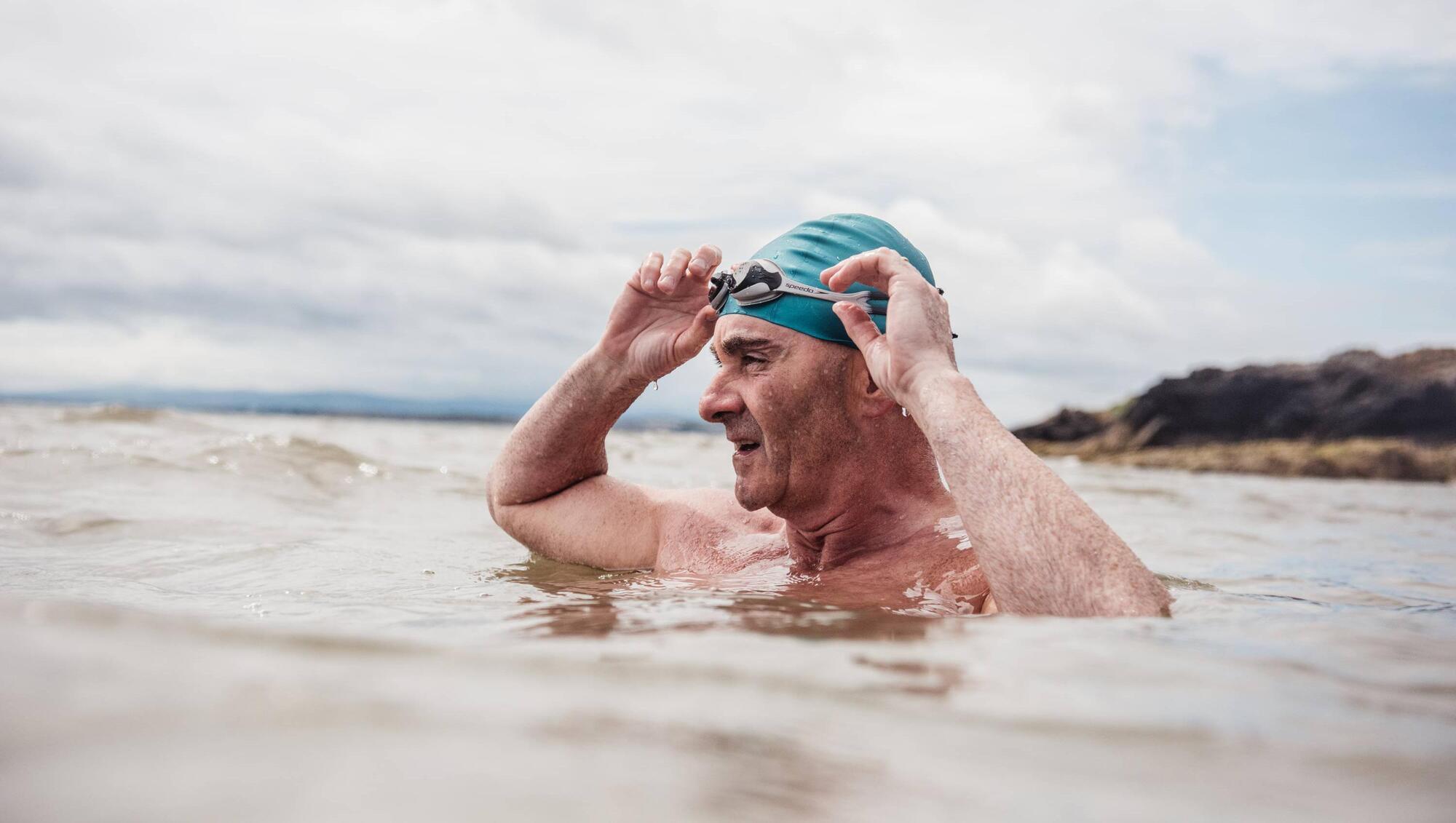
Since covid, there has been a significant increase in the popularity of sea swimming in Ireland, but what are the benefits? And what do we need to know about it? Helen O’Callaghan finds out
'A strong sense of wellbeing': 5 things to know about sea swimming

Peter Conway of Swim Ireland

Who could have predicted, back pre-covid, that so many of us would embrace sea swimming to the point where taking a dip, even in chilly winter waters, wouldn’t faze us at all? 

Where we’d sit on the beach for a post-swim cuppa and chat with strangers who quickly morph into like-minded splashy pals?
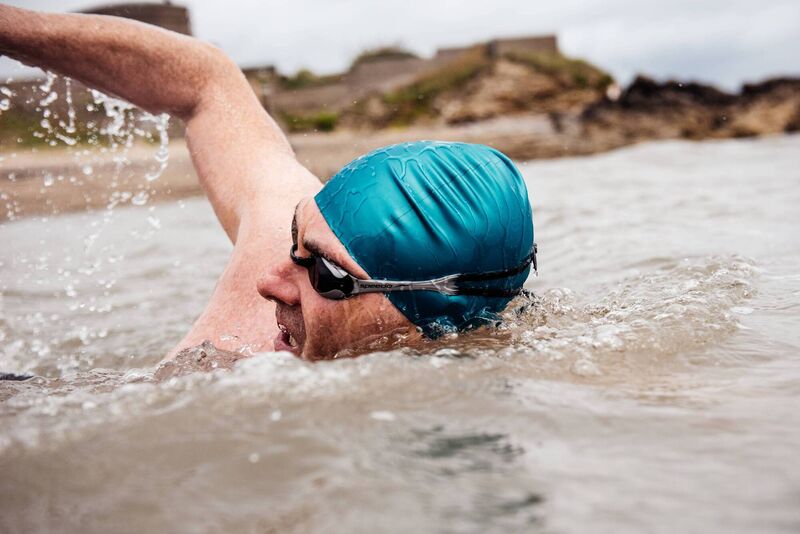
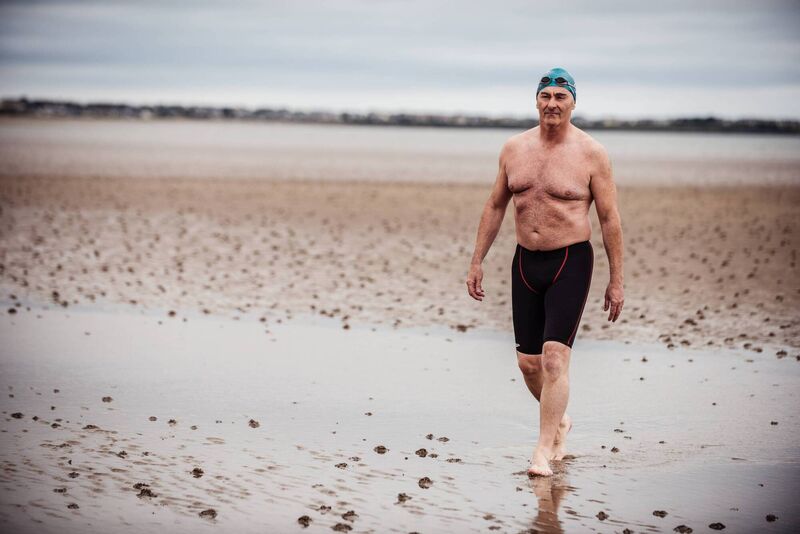
Sea swimming isn’t just having a moment — it’s become an important constant in many people’s lives. Irish celebs such as singer Una Walsh, broadcaster Lorraine Keane, and fitness/fashion blogger Niamh Cullen have all extolled its pleasures and benefits.

As we head into peak summer season, we ask experts what are five things we need to know about sea-swimming?

1: What is sea swimming and why is it so popular?

It’s swimming in the outdoors around the coast. Whereas open-water swimming encompasses swimming in the sea and swimming in inland waterways.

“Sea water is more buoyant because of the salt, so it’s easier to float in,” says Susan Dillon of Swim Camp, which offers programmes tailored for swimmers of all levels.

The sport’s current massive popularity is due largely to covid, says Peter Conway, Swim Ireland chairman and an open water swim coach. 

“During the pandemic, people had more time on their hands, they were working from home and a lot of people found their way to the water.

“Pools were closed so they were looking for opportunities to get into the open without breaking restrictions.”

Availability of wetsuits in Ireland (kickstarted by triathletes) also factors in, says Conway. 

“Wetsuits weren’t openly available on the Irish market for a long time. They’ve become more mainstream, so people now have an option to avoid a bit of the cold, to insulate themselves to some degree.”

Sea swimming is also a very social thing to do, says Dillon, who has seen small local groups develop. 

“They’ll go for a swim, then sit for an hour afterwards, having a cup of tea and a chat. They talk about anything and everything, but it’s never a personal chat — rarely would you know what people do for a living.”

2: What gear do you need?

Togs, hat, and goggles are the basics. And it steps up from that, with some swimmers wearing neoprene gloves, socks, and a hat. 

“Hands and feet get cold more quickly and all the heat leaves through your head,” says Dillon, who sees people starting off in April wearing wetsuits. “Around this time of year, the wetsuits are starting to be shed.”

A downside of the gloves/socks is you don’t get a great feel for the water — and swimming. Dillon believes it’s more about “very much getting a feel for the water”.

Cost-wise, she advises going mid-range for these neoprene accessories. “They have to be really tight, very well-fitting. If they’re too big, they’ll hold water inside, which can go against you.”

"Splash a little water on your face, your shoulders, and keep control of your breathing — with the cold water, you’ll lose your breathing."

3: How do you get started?

Never go it alone, cautions Conway: “Go with somebody with experience and who knows the beach/area where you’re intending to swim. Ideally, go to a life-guarded beach. And take note of the weather, tides and other influences, eg currents. Somebody who knows the area is likely to know what the story is.”

And no matter how experienced a swimmer you feel you are, take your time getting in. Acclimatise. 

“Maybe go hip height the first time,” suggests Conway. “Splash a little water on your face, your shoulders, and keep control of your breathing — with the cold water, you’ll lose your breathing. Then immerse yourself, get used to that, keep control of your breathing, and move on from there.”

And if you want to get little bit of confidence and experience starting out, it can be a good idea to do a session or two with Swim Ireland or with a company like Swim Camp.

4: What are the important safety tips?

There’s safety in numbers, says Dillon. “Never swim alone. Always have someone with you or somebody on shore looking at you.”

And be visible in the water. Wear a brightly coloured hat — orange, pink, yellow — what Dillon calls “real neon” colours. “You’ll stand out that way, more than you would with a blue/green hat.”

She also recommends a tow float, a buoyancy device that attaches to your body with a line. 

It’s used for resting and emergency flotation but its big benefit lies in making you more visible. Colour-wise, again go for neon. “It says, ‘hello, I’m here’ — you’ll have canoeists, paddle-boarders, jet skis, so it’s nice to be as visible as you can,” advises Dillon.

Be really aware of your limits and capabilities. Always swim parallel to the shore and you don’t have to swim out of your depth. “At just below chest depth, you can swim quite well.”

It’s always about safety first, says Conway. “If in doubt, stay out. Ask yourself: Is the weather favourable? Is it likely to change? Is the tide in my favour? The ideal time for a swim is an hour before full tide until an hour after full tide; in that two-hour gap, it’s when the sea’s at its most
benign.”

To minimise hypothermia risk, make sure you’ve something warm to drink and to wear when you get out, advises Conway. “It’s important, after getting out, that you get yourself dried and wrapped up quickly.”

Peter Conway of Swim Ireland.

5: What are the benefits?

Rugby players and athletes used to employ cold water therapy to recover from injury — and there are lots of studies showing it reduces inflammation from chronic conditions like arthritis, says Dillon.

“MS (multiple sclerosis) sufferers find their symptoms subside in cold water and it also improves the skin condition, eczema. I have a friend who gets in just to reduce inflammation.”

Many people embrace sea swimming as a path to meditation and mindfulness.

“Being in green and blue spaces is really good for mental health,” says Dillon. “People also do it for the social aspect, and for the physical benefits of any kind of swimming — getting fit, all-over body exercise, getting the heart rate going.”

Conway points to the feelings of community that being in a group of like-minded swimmers brings.

“There’s also the challenge of broadening horizons while being safe. You get out with a strong sense of wellbeing after an open water swim,” he says.

Great Munster swim spots:

  • Tragumna, Co Cork: Located 5km from Skibbereen, it’s a small, mainly sandy beach flanked by rocks/cliffs which offer shelter from prevailing winds. With Blue Flag status, it’s popular with families.
  • Myrtleville, Co Cork: Popular swimming beach close to Cork City, with regular swimming community and dedicated swim buoys to explore during summer months.
  • Shanagarry, Co Cork : Has clean sandy beaches locally at Ardnahinch, and is a short drive to Garryvoe, also great for swimming.
  • Glengarriff Blue Pool, Co Cork: Fitness, fashion and lifestyle blogger Niamh Cullen, describes it as one of her favourite places to jump into the water: “This idyllic harbour is in a gorgeous part of Cork and is tucked away behind rocky outcrops and beautiful trees".
  • Ventry Beach, Co Kerry: Located at end of the Dingle peninsula it’s a sandy beach, sheltered from the Atlantic Ocean with great views of the mountains on the Dingle peninsula.
  • Kilkee Bay, Co Clare: A very well-sheltered bay, it has lifeguards on duty and is very popular during warm months.
  • Badger’s Cove, Dunmore East, Co Waterford: Secluded cove with a backdrop of cliffs and an impressive cave to explore.

For more, visit:

x

More in this section

Lifestyle

Newsletter

The best food, health, entertainment and lifestyle content from the Irish Examiner, direct to your inbox.

Cookie Policy Privacy Policy Brand Safety FAQ Help Contact Us Terms and Conditions

© Examiner Echo Group Limited