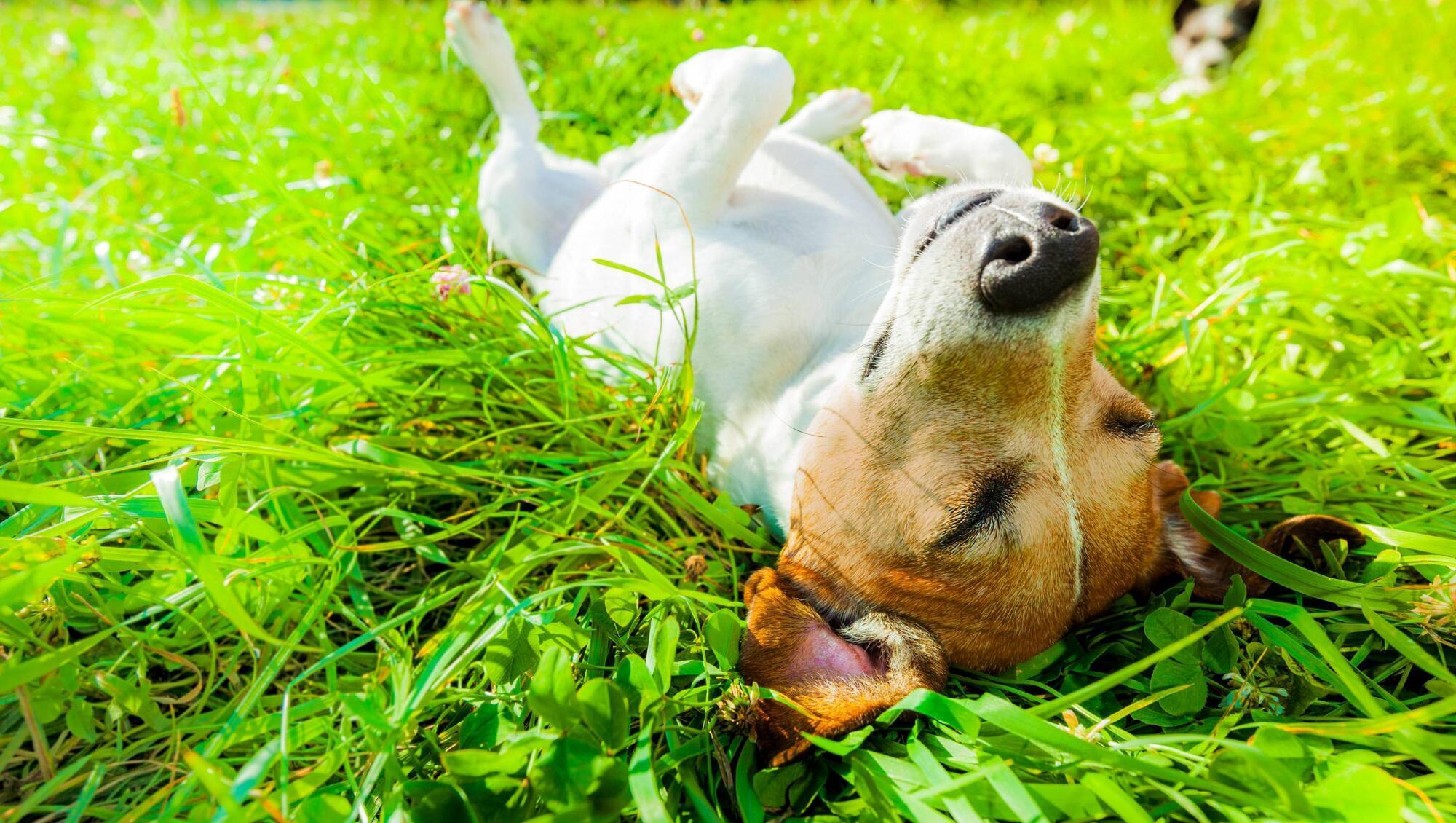
AS IRELAND enjoys the traditional pre-Leaving Cert exam burst of hot sunny weather, don’t forget to think about the comfort and safety of your pets. Every year vets witness the suffering — and sometimes, tragically, the deaths — of dogs afflicted by heat stroke.
This condition is so easily prevented, yet many people still don’t understand the level of risk that can be involved in some normal activities in warm weather.
Early signs of heat stroke in dogs include continual panting, red or dark gums and tongue, confusion and unsteadiness, leading on to collapse, diarrhoea, vomiting and even seizures, leading to coma.
Every dog owner should be aware that any of these signs can indicate overheating. If an affected dog is not cooled down promptly, and treated by a vet rapidly, the condition can be fatal.
Recent research has helped vets to gain a clearer understanding of which situations are most likely to lead dogs to overheat. A 2020 study, commissioned by Dogs Trust, analysed the clinical records of almost one million dogs in the UK, finding that 1,222 had received veterinary care for heatstroke at some point during their lives, with almost 400 affected in a single year. It’s a serious issue: 14.2% of the dogs affected by heatstroke died as a result of overheating.
The researchers looked into the specific details of each case, and they’ve come up with some interesting findings that may help to prevent fatalities in the future.
Most pet owners know about the risk of leaving a dog in a car in sunny weather: the temperature inside a car can go up from 22 degrees C to 33 degrees C in just 10 minutes. If a dog is left in this type of overheated space for just a few minutes, fatalities are possible.
Parking in the shade or leaving windows open does little to reduce the risk; the only safe approach is, simply, to make it a rule never to leave a dog in a car during warm or sunny spells of weather.
It’s also important that pet owners realise that the stereotypical “dog left in car” situation is not the most common cause of overheating. The study found that most heatstroke events were triggered by exercise, with 68% occurring after walking in the heat.
At this time of year, if dog owners exercise their pets early in the morning or late in the evening instead of the sunny daytime hours, their pets are far less likely to overheat.
When the body is exercising, muscles generate extra heat. We humans can cope with this by losing body heat via sweat: moisture oozes from sweat pores onto our skin, and we cool down as this evaporates.
The problem for dogs is that they can’t sweat. They have only two ways of cooling down: firstly and principally, panting, and secondly, excess heat radiating away from their body.
Panting involves the respiratory rate increasing dramatically from the normal breathing rate of up to 30 breaths a minute to anywhere between 100 to 200 pants per minute. The rapid breathing forces air backwards and forwards over the tongue, causing evaporation of moisture from its surface.
As the moisture evaporates, heat is drawn away from the body, and the dog cools down. Essentially, instead of losing heat from all over the body (like a sweaty human), dogs have to lose heat from just the surface of the tongue. If you combine this limitation with the fact that dogs have a fur coat (unlike humans, who have minimal insulating hair on the body), it’s no surprise that they are so prone to overheating.
The shape of a dog’s head has a significant influence on a dog’s ability to lose heat by panting: certain breeds are more likely to suffer from heatstroke, including flat-faced dogs like bulldogs, French bulldogs, pugs and Cavalier King Charles spaniels.
These breeds often have difficulty breathing in normal conditions: many of them have continuously noisy breathing due to their narrowed and compressed airways. When their breathing system is put under the extra stress of panting in hot weather, they just can’t cope, and heat stroke often follows.
It’s important to remember that panting uses copious amounts of water: a small amount of moisture evaporates with every breath.
This is why a plentiful supply of fresh water is so important to dogs in the warmer months of the year. If an overheated dog also becomes dehydrated, the severity of the crisis is significantly heightened.
The second way that dogs lose body heat is by radiation from their body: heat passes from the warmth of their overheated body into the environment around them. If a dog lies in the coolness of the shade, this can happen effectively.
However, if a dog is left in full sunlight, with no access to the shade, the reverse will happen: they will heat up even more, with their body absorbing heat from the environment. Dark-coloured dogs are more likely to overheat on sunny days because their skin absorbs sunlight, in contrast to light-coloured dogs, where the sunlight is reflected from their coat instead of being absorbed.
A final tip about heat stroke: If you think your dog is overheating, don’t delay trying to cool them down. Do this even before you get to the vet; dogs are more likely to survive if owners have begun the cooling down process before they reach the vet. Pour cold water onto them, place a damp towel over them and leave the car window open on the way to the vet.
The longer a dog remains in an overheated state, the poorer are their chances of a full recovery.

Cancel anytime
CONNECT WITH US TODAY
Be the first to know the latest news and updates