Andrea Mara: Would you still be friends with your friends, if you met them today?
"Where once we agreed on which beer to buy or which club to go to after the pub, we may now disagree on all sorts of topics from private schools to the Irish language to teens and Snapchat to who should replace Ryan Tubridy on The Late Late Show."
Andrea Mara: Would you still be friends with your friends, if you met them today?

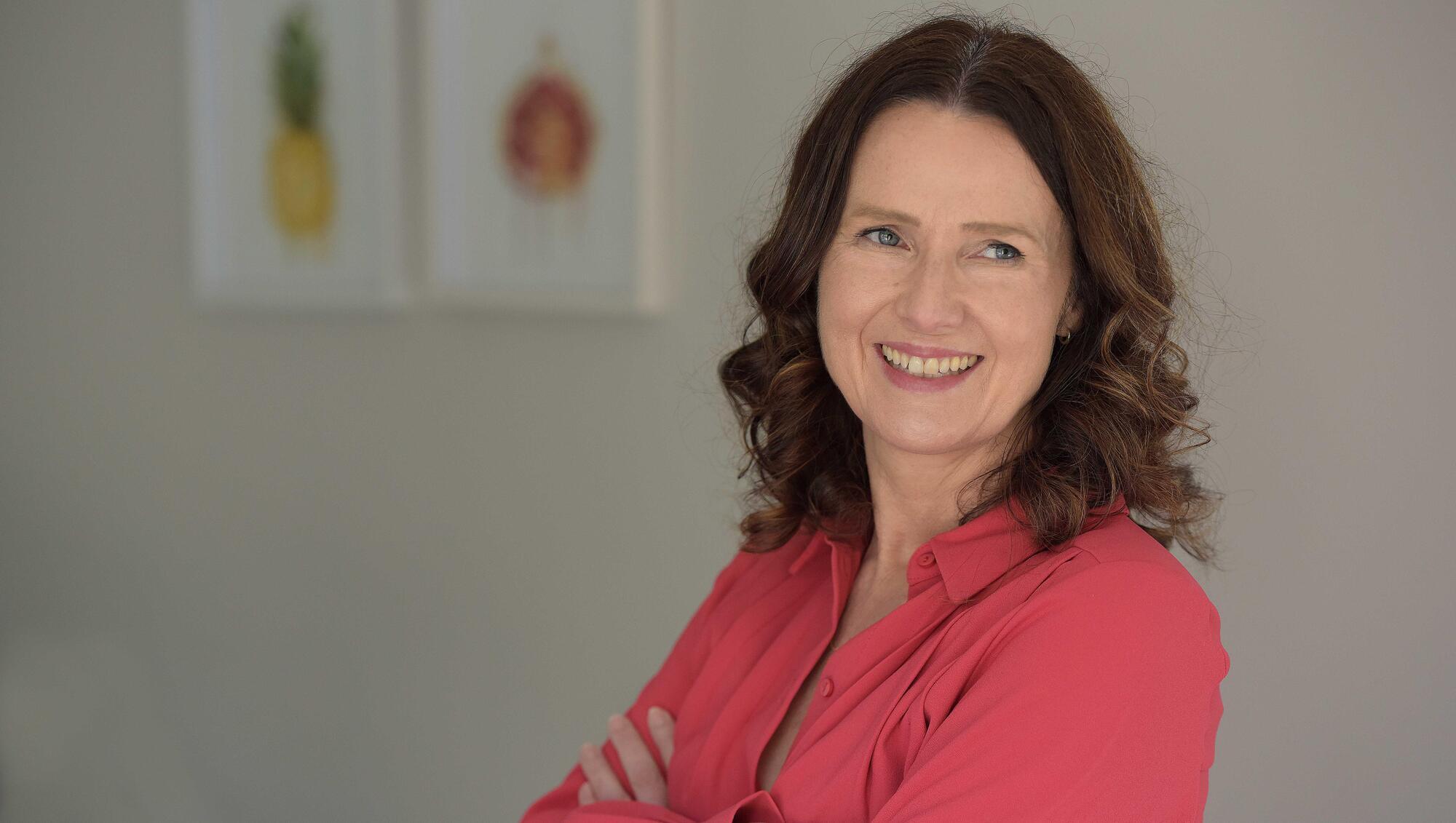
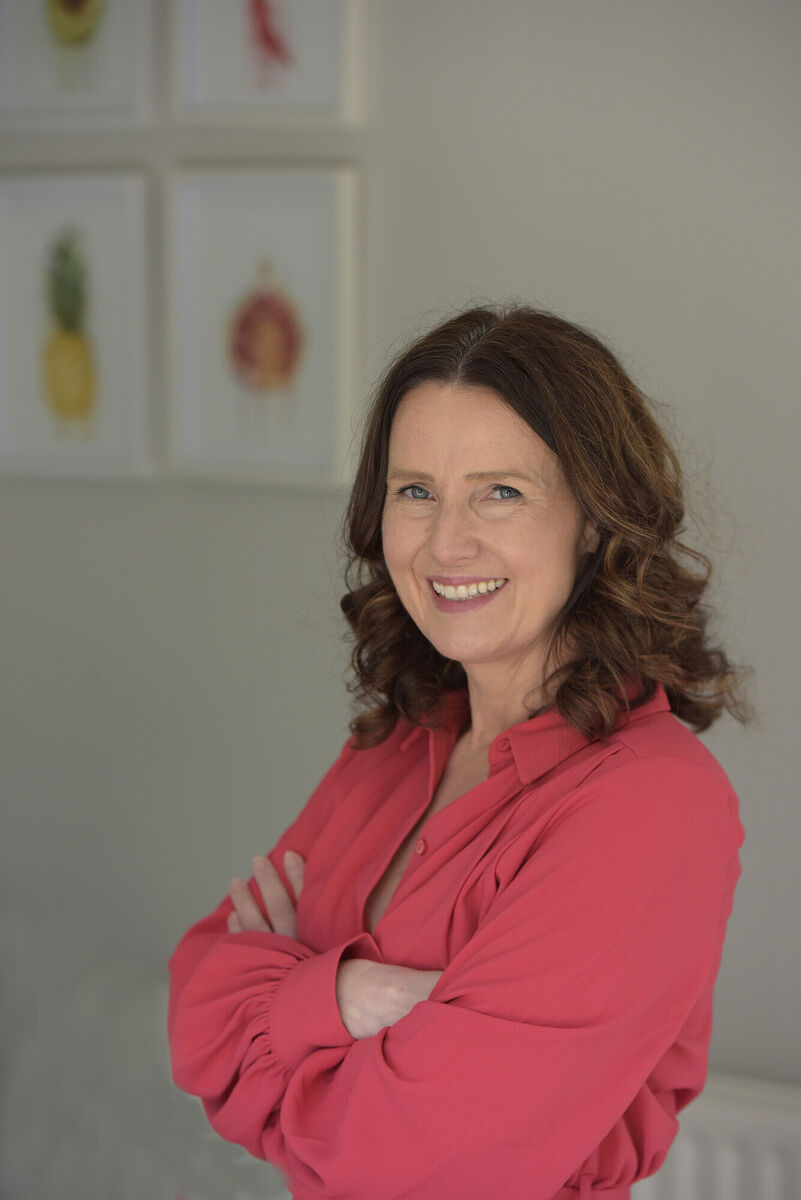
Andrea Mara, author. Photographs: Moya Nolan

‘How To Declutter Your Friend List’, read the headline in a magazine I picked up at a recent hair appointment. 

I skimmed the feature out of curiosity, though it’s not a new concept. We’ve all seen articles on detoxing friendships that drain us; cutting ties with people who bring us down, decluttering our friend lists, Marie Kondo-style, keeping only the people who bring us joy, or stepping away from historic friendships that have fizzled out.
It’s the last one that interests me most. 

Breaking up with people who drain us is a no-brainer, but what about the friends we met long ago — people with whom we once had lots in common, those friendships we maintain because of time and history, and habit?

Friends we still see today, despite evolving into very different people: The school friend with vastly different political views, the college pal whose parenting style is at odds with yours, the former work colleague who keeps trying to sell you aloe vera.

Advocates of “relationship minimalism” would advise us to cut; to cull our friendships, to choose quality over quantity. 

And truthfully, most of us have some friends we wouldn’t necessarily bond with if we met for the first time today. People we met in school or college or work, for example, thrown together by time and space. 

Where once we agreed on which beer to buy or which club to go to after the pub, we may now disagree on all sorts of topics from private schools to the Irish language to teens and Snapchat to who should replace Ryan Tubridy on The Late Late Show

Should schools give participation medals, should Roald Dahl books be re-edited, should Communion be done outside school hours, is Jimmy Carr funny?

Of course, there are more serious topics — political and social issues — on which friends may differ. 

So, if someone’s views and values conflict significantly with ours, and we’re only friends because we sat together in maths class or bonded over beer in college, should we consider parting ways?

ANOTHER POINT OF VIEW

I did a straw poll in my office (and because it’s a home office, this was a straw poll on Instagram) and there were dozens of stories from people whose long-term friends have changed in recent years. 

The most common points of disagreement included covid, parenting styles, and social issues. But the consensus was that unless it’s a dealbreaker, it’s best to bite your tongue and not risk ruining the friendship.

And perhaps it’s good for us to spend time outside the echo chamber; to debate, to see things from another point of view. None of us benefits from spending all our time with people who think exactly as we do.

As one pal said: “I have friends whose political views would differ a lot from mine, but I like them as people and so we are friends. In my honest opinion, it’s very dangerous to only befriend those whose opinions match yours.” I tend to agree. 

Unless it’s a dealbreaker topic, a divergence of opinion is healthy and helps avoid groupthink. It provides an opportunity to educate and inform or to be educated and informed. 

And if it gets too heated? Agree to disagree and go back to discussing if Succession is the best TV show of all time (it is, no matter what one old friend says).

Of course, all of this — holding on to long-time pals whose views have diverged from ours — depends on the level of disagreement and the values in question. 

One person I know had to cut ties with someone who made unacceptable comments during the referendum to Repeal the Eighth amendment. 

Another ended a friendship when her pal became increasingly right-wing and racist in her views. If the extremist in your life becomes too extreme, it might indeed be time to declutter.

 Andrea Mara, author: None of us benefits from spending all our time with people who think exactly as we do.
Andrea Mara, author: None of us benefits from spending all our time with people who think exactly as we do.

But, you might wonder, how are these differences not apparent sooner? How did we not see them when we first met?

Sometimes it’s because the serious topics never came up, as Claire*, a UK-based straw poll respondent told me.

“I was very good friends with someone at uni,” she says. “We went to each other’s weddings and then they became an MP for a party that’s against everything I believe in. I was so shocked!” 

She and her friend didn’t really talk about politics in college, she explains, so she had no idea their ideologies were at odds.

Sometimes it’s because people start out with similar views and interests, but these commonalities change slowly over time, perhaps due to work or family or spouse, or environment. 

Fiona feels that way about her old school friends. “We’re very different and have completely different lifestyles. I love them all. We’ve been friends for years and still do trips and nights out and have great craic, but I do often ask myself do I really have anything in common with some of them as we are very different people.”

Tara, too, says her old friends have changed in a number of ways. “Different parenting styles is the most common. I would have a few friends that have some different beliefs. Yes, I enjoy spending time with them, but it can be tricky when certain topics come up. I’m very passionate about certain things, so I find it hard to let some remarks pass.” 

And sometimes the change can be sudden, due to a significant event that uncovers differing values. During Brexit, one Irish school friend who has settled in the UK was surprised to find that many of her work colleagues voted to leave the EU. 

During lockdown, another friend was baffled by neighbours who had parties while the strictest restrictions were in place. 

Someone I know became a covid denier, trying to convince her friends and family the government was making it up. In my straw poll, huge numbers of the examples given were around covid and extreme right-wing leanings.

GOOD PEOPLE

In my case, I’m fortunate to have been best friends with my pals for 30 years, since I first met them in school. 

We don’t always agree (see aforementioned Ryan Tubridy replacement topic) but they’re the people I turn to when things go wrong and the first ones I message when things go right. 

Our WhatsApp group kept us sane during lockdown, and our nights out are still the best. 

As one of my close friends said when I asked about this topic in our chat group: “You overlook differences of opinion — unless they’re extreme — because you know these people at their core and you know they’re good people. That’s what’s wonderful about long-term friends.” 

Or as another friend put it quite simply: “Wouldn’t life be boring if we all thought the same things.”

  • Names have been changed to protect friendships.
  • Andrea Mara’s book No One Saw A Thing (Bantam Press) is out now.

More in this section

Lifestyle

Newsletter

Eat better, live well and stay inspired with the Irish Examiner’s food, health, entertainment, travel and lifestyle coverage. Delivered to your inbox every Friday morning.

Cookie Policy Privacy Policy Brand Safety FAQ Help Contact Us Terms and Conditions

© Examiner Echo Group Limited