Collective trauma and how we coped: The joys and dangers of lockdown nostalgia
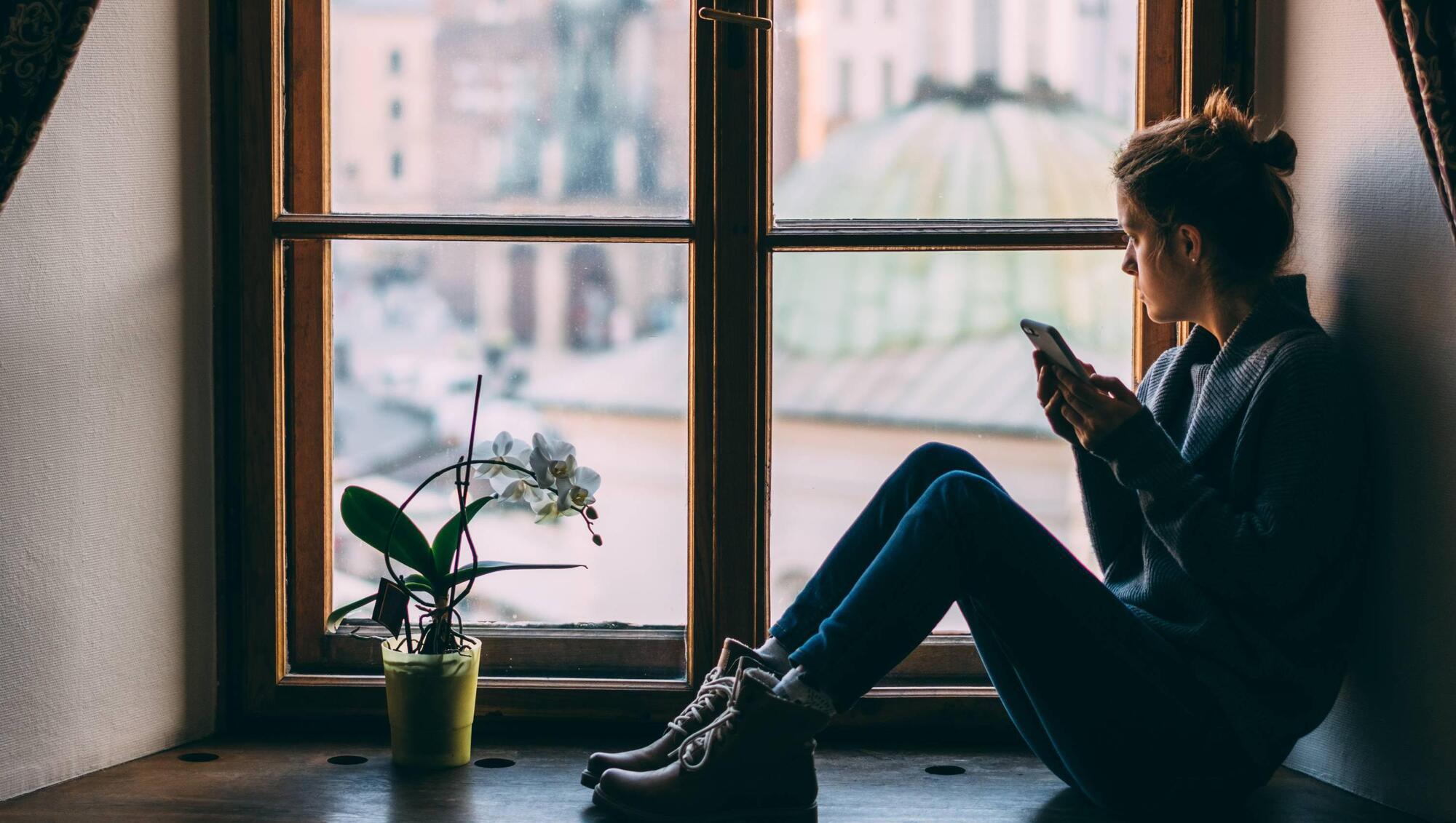
It was the most challenging of times, yet many of us are nostalgic for lockdown. It’s a natural response, says Katie Bishop, in this period of uncertainty
Collective trauma and how we coped: The joys and dangers of lockdown nostalgia

Pic: iStock

Cast your mind back to early 2020 and ask yourself: How was your lockdown?

In some ways, I was lucky with mine – I had no children to homeschool, no frontline job, and the good fortune to avoid serious illness.

But in other ways, the shutting down of society hit me hard. I lost a close family member to covid in the very early days of the pandemic, and was unable to be with loved ones to mourn. 

A substantial chunk of my work and income disappeared overnight, and I spent sleepless nights worried about whether I could afford to pay rent, and if the career I’d worked so hard for was gone forever. 

And, like most of us, I succumbed to the terrible existential fear that life as we knew it was over. Objectively, my lockdown was pretty terrible.

Yet looking back now, three years on, the stresses and strains of lockdown fade into a soupy haze of banana bread and quarantinis. 

The unseasonable sunshine of that spring casts my memories with a soft, honeyed glow. I remember the simple pleasure of exploring my local area on my allotted one walk a day. 

A sense of tranquillity as my usually jam-packed calendar sat empty. 

The feeling that we were all in it together as, in the UK, people gathered on their doorstep every Thursday night to clap for key workers, or communities banded together to deliver supplies for neighbours in need. 

Even the long queues for the supermarket are tinged with a cheery glow as I remember my local Aldi handing out free daffodils at Easter.

 Katie Bishop: author's newest work deals with nostalgia and its effects
Katie Bishop: author's newest work deals with nostalgia and its effects

ROSE-TINTED HUES

I’m not alone in looking wistfully back on those months when our lives turned upside-down. 

In fact, a study carried out in the UK showed that two-thirds of young people said that they missed lockdown life. 

On TikTok, videos about lockdown nostalgia garner millions of likes and comments. 

And as lockdown restrictions lifted in 2021, 54% of people said that they would miss at least some aspects of the restrictions that, by that point, we’d been living under for over a year.

But would any of us really want to return to lockdown life? Was lockdown even enjoyable at all? 

Or have we all simply fallen victim to the kind of nostalgia that tints the distinctly average, or even plain awful, parts of our life with the kind of rose-tinted hue that makes you long to go back?

“Nostalgia is a sentimentality for the past involving a sense of longing for a time or place associated with happy memories and feelings,” says Catherine Hallissey, a chartered psychologist based in Cork who specialises in helping individuals use cognitive strategies such as positive nostalgia to support mental health and wellbeing. 

“It can also lead to a romanticised view of the past. People may be particularly prone to feeling nostalgic about lockdown because it was a unique and unusual period. Now that lockdown is over and the pace of life is busier than ever, it’s easy to look back with rose-tinted glasses and forget the stresses of that period.”

The pull towards an idealised past is so strong that the so-called nostalgia industry drives fashion, music, and interior trends, and even influences elections. In fact, it’s estimated our obsession with an idealised past generates billions of dollars each year – there’s a reason why so many classic films get remakes, and why millions of people tuned into the Friends reunion.

Catherine Hallissey, psychologist

A SENSE OF CONTINUITY

But Hallissey also points to our natural desire to create significance and structure out of confusing experiences as a key reason why nostalgia can have such a powerful effect on us.

“Nostalgia helps us to maintain a sense of continuity and coherence in our lives,” she says. “When we reflect on past experiences, we construct a personal narrative that helps us give meaning to our lives.”

This idea is something that I explore in my novel, The Girls of Summer. The protagonist, Rachel, has idealised a summer that she spent on an isolated Greek island with such an intensity that she finds it difficult to be content with her comparatively settled life fifteen years later. 

Yet, as she starts to reconnect with people that she knew during that magical summer, she discovers that her memories are deeply flawed, and may have been masking a trauma that she has kept buried for years.

For Rachel, nostalgia has been a coping mechanism – a way of creating a narrative of purpose and meaning around an event that she has struggled to make sense of – something many of us may have needed after the collective trauma and confusion of a global pandemic. 

After seeing daily death tolls on television, missing out on months of our lives, and with many of us still reeling from the economic setbacks of the whole world shutting down, is it any wonder that our minds try to cling on to the positives? 

We have to believe that some good came out of the pandemic. The alternative is too terrible to bear.

“Nostalgia is a natural response to uncertainty and dissatisfaction. As time passes, we tend to forget the negatives and hold on to positive memories,” says Hallissey. 

“But there are downsides to excessive nostalgia when it’s used to escape reality and live in the past. Romanticising past experiences can lead to feelings of dissatisfaction with the present moment as it cannot match up to this unrealistic and idealised past.”

But nostalgia isn’t just about a longing for the past. It’s also about dissatisfaction with the present. With many of us now battling spiralling living costs, record levels of burnout, and the economic strain of post-pandemic life, is it any wonder that some of us are longing for a time before energy bills reached meteoric levels, and when many people’s biggest worry was where to buy toilet paper?

It’s important to remember that nostalgia is a trick our brains play on us – a highlights reel of a particular time or moment. Maybe the biggest lesson we can learn from lockdown nostalgia is to figure out what moments make us feel good to look back on, and to incorporate them into our real and present life as much as possible.

Now you’ll have to excuse me – I’m off to make some banana bread.

  • The Girls of Summer by Katie Bishop will be published on May 25 by Bantam Press

x

More in this section

Lifestyle

Newsletter

Eat better, live well and stay inspired with the Irish Examiner’s food, health, entertainment, travel and lifestyle coverage. Delivered to your inbox every Friday morning.

Cookie Policy Privacy Policy Brand Safety FAQ Help Contact Us Terms and Conditions

© Examiner Echo Group Limited