Pete the Vet: What can be done to make pet-keeping more sustainable?
Pic: iStock
CLIMATE & SUSTAINABILITY HUB
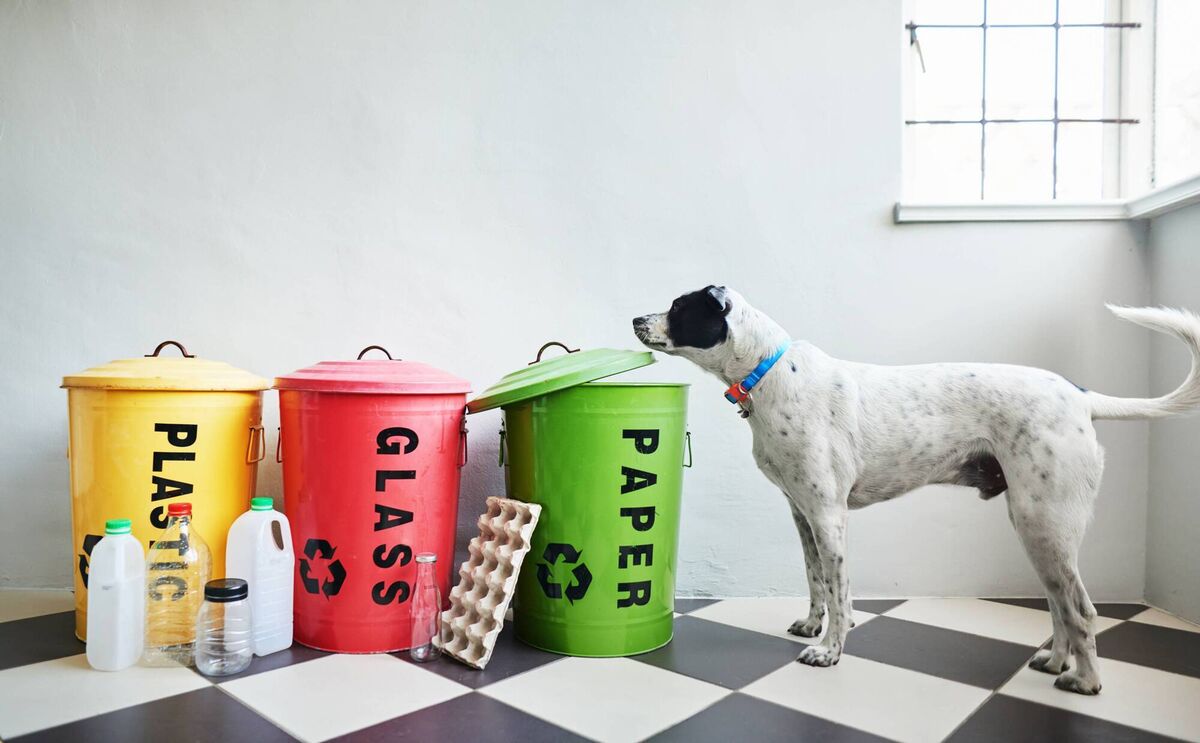
There are many aspects of pet care that use plastics. Often, the easiest and cheapest choice is plastic-rich, but for sustainability, we should be rethinking our relationship with plastic. Ideally, we should look for an alternative.
or at least read the label to understand the sustainability criteria that have been used in the packaging. Many pet food companies are very aware of the need for sustainability, and while their packaging may look no different to others, when you do some simple research you may find that they have sourced materials with sustainability in mind.
You need to care for your pets’ health, but it’s important to pay attention to the environmental impact of products that are being used to treat them. If your pet is on a course of oral antibiotics or other medications, pick up their faeces and dispose of them in landfill, even if you are in country areas where this may not seem essential. The same applies if your pet has been given tablets to control parasites (many dogs need monthly doses to minimise the risk of a fatal lungworm infection). If you use spot-on products to control external parasites like fleas or ticks, keep your pet away from waterways like rivers or lakes.
Better again, consider what toys you can create from objects in your home that you may otherwise discard: from cardboard boxes and feathers-on-strings for cats, to an old t-shirt with knots tied in it for dogs to play tug-of-war. If plastic is the only option (as it is for some situations), seek out products made from recycled plastic, or choose high-quality products that have been made to last for many years, rather than flimsy cheap items that are likely to have a short life span.
Traditionally, dogs and cats were naturally environmentally sustainable. Cats fed themselves by controlling pests like rats and mice, topped up with household scraps. Dogs were fed entirely on household scraps: many still have their diet supplemented by human leftovers such as cooked potato skins, less desirable trimmings of meat and other titbits that we discard from our own tables. Over the last century, the way we feed pets has changed. The concept of commercial pet food was introduced, and again, initially, this was done in a sustainable way. Pet food manufacturers used the waste items that humans did not want to eat (like chicken feet, organ meats, and skin), processing these into a formulation that was palatable and nutritious for pets.
The trend towards humanization of pets has meant that pet food now tends to include meat that would otherwise be used for human consumption: this seems appealing when we adore our pets, and we feel that we want to improve their lives by feeding them the tastiest food, but it often isn’t necessary. Again, some research on the internet will inform you about a pet food manufacturer’s sustainability credentials. Consider vegetarian or insect-based food for dogs (e.g. https://omuupet.com/, created by an Irish vet). Cats are obligate meat eaters, so this is a more complex area to address.
You need to care for your pets’ health, but it’s important to pay attention to the environmental impact of products that are being used to treat them. If your pet is on a course of oral antibiotics or other medications, pick up their faeces and dispose of it in landfill, even if you are in country areas where this may not seem essential. The same applies if your pet has been given tablets to control parasites (many dogs need monthly doses to minimise the risk of a fatal lungworm infection). If you use spot-on products to control external parasites like fleas or ticks, keep your pet away from waterways like rivers or lakes.
Careful planning can go a long way to improve the sustainability of caring for our animal friends.

CONNECT WITH US TODAY



Be the first to know the latest news and updates