Pete the Vet: Policies on animal welfare in Ireland affect us all
"It’s increasingly recognised that the key to good animal welfare starts with encouraging individual pet owners to do the right thing, rather than waiting for the need for animal rescue groups to step in"
Pete the Vet: Policies on animal welfare in Ireland affect us all

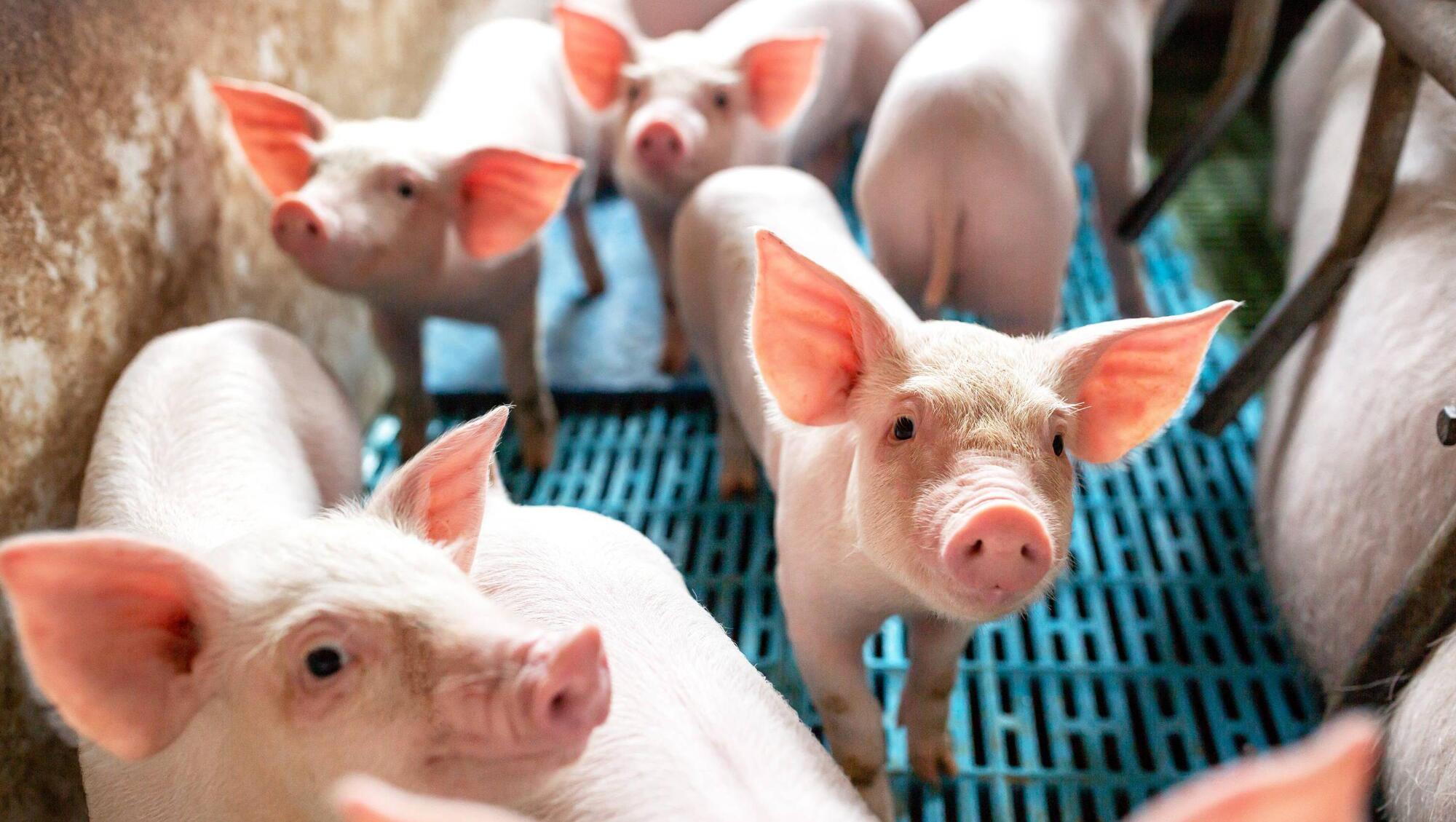
Pete the Vet: In 2023, the farm animal welfare priorities are focussed on pigs and dairy cows/calves, as well as a major review, from a European level downwards, of EU Animal Welfare legislation.

Last week, a one-day conference was held at UCD by the Animal Welfare, Science, Ethics and Law Veterinary Association. The aim of this group is to look at issues involving each of those areas, viewed from a veterinary perspective. The title of the conference was “The Economics of Animal Welfare in Financially Challenging Times”. Animal welfare is sometimes seen by some as a luxury, but the truth is that many people want to live in a world where optimal animal care is seen as a necessity rather than an optional extra. So how can this be done on a tight budget?

The day started with an overview of animal welfare policy in Ireland. The Department of Agriculture, Food and Marine established a detailed Animal Welfare Strategy for a four-year period from 2021 to 2025, with a vision that Ireland should become increasingly recognised as a country that actively promotes and safeguards the welfare of all animals. Much of this work passes under the radar of public attention, but it does make a difference to animals on the ground, including pets, farm animals and horses.

On the pet front, an annual government grant of nearly €6 million is given to almost a hundred animal welfare charities, large and small. These charities need to comply with certain standards to receive this funding, with additional money being given to groups that engage in public education about responsible pet ownership. It’s increasingly recognised that the key to good animal welfare starts with encouraging individual pet owners to do the right thing, rather than waiting for the need for animal rescue groups to step in when a problem develops.

There’s a trend towards encouraging people to keep their pets in their own homes, rather than automatically surrendering them to animal rescue groups when they feel they can no longer keep them. With education and training advice, many challenging types of behaviour can be helped, and sometimes financial support can be given too. In the UK, pet food banks have become an important part of assisting less well-off people to cope with the high cost of feeding pets. 

REALITIES OF RESCUE

When animals are taken into rescue centres, they have to live in a kennel-type environment, which is far worse for their welfare than living in the family home they are used to. And the cost of their daily kennelled care is a big burden for the rescue group. If people are genuinely unable to keep the animals themselves, it makes more welfare sense for unwanted animals to be fostered in people’s private homes rather than going into kennels. Animal rescue groups, with their facilities under too much pressure in any case, are increasingly looking at this option.

The topic of veterinary care for pets is another area of concern: a lower-cost concept known as “contextual care” or “pragmatic care” is now being used, mostly by animal charity vets, but also by some private vets. This involves acceptance that the gold standard of care is not financially feasible for some people, and rather than giving no veterinary help, a compromise is reached that gives the animal the best chance in difficult circumstances. These can be difficult decisions, but when there’s a cost of living crisis, choices based on priorities need to be made.

In 2023, the farm animal welfare priorities are focussed on pigs and dairy cows/calves, as well as a major review, from a European level downwards, of EU Animal Welfare legislation. A European Citizens’ Initiative known as “End The Cage Age” has gained strong political momentum, with the trend encouraging farming to become increasingly welfare-friendly. There are many examples where it has been demonstrated that good animal welfare can make excellent financial sense. 

PRIORITISING BETTER CARE

We live in an era of big data: when scientists look carefully at a deep analysis of the costs and savings linked to animal welfare, there are many arguments for focusing on better animal care as a priority.

As an example, many farmers want larger litter sizes in pigs (with hopes for increased productivity as a result). However these larger litters result in smaller piglet birth weights, and there’s a link between low birth weight and higher piglet mortality. So if farmers choose to have fewer piglets per litter, they’re likely to be bigger piglets that are more likely to survive, ultimately creating more income for the farmer.

Other examples of looking carefully at the data include poultry health: if more effort is made to give broiler hens better lives, less money is wasted on rearing sickly hens that are ultimately rejected by the slaughterhouse.

The benchmark is that all animals should have a life worth living: if they’re happy, they’re more likely to be healthy.

On the horse front, the Department of Agriculture offers financial support for urban horse projects across Ireland, from Limerick and Longford to Leitrim and Mayo, as well as Dublin, with training for marginalised young people, including those from the Travellers and Roma community. Again, education is key: when you hear about dangerous out-of-control unofficial horse races on busy roads, it’s obvious that this is an area that needs to be dramatically improved, for human and animal safety. This points to a challenging area for Government: the balance between guidance and advice on the one hand, and strict enforcement of regulations on the other. Ireland now has good legislation, in the form of the 2013 Animal Health and Welfare Act, but punishment for infringements is an area that needs more work.

Animals are an integral part of our culture: when financial pressures may tempt people to cut corners that just should not be cut, we need to look after animal welfare, more than ever.

  • Pete Wedderburn has recently been appointed to the Irish Society for the Prevention of Cruelty to Animals (ISPCA) board, helping to progress their mission of advocating on behalf of all animals

x

More in this section

Lifestyle

Newsletter

The best food, health, entertainment and lifestyle content from the Irish Examiner, direct to your inbox.

Cookie Policy Privacy Policy Brand Safety FAQ Help Contact Us Terms and Conditions

© Examiner Echo Group Limited