Dermot Whelan on stress, meditation, and how to help your mental health in 16 seconds
Just how do you make a live show – and a comedy one at that – out of meditation techniques? Dermot Whelan tells Marjorie Brennan about his mission to make mindfulness accessible to all
Dermot Whelan on stress, meditation, and how to help your mental health in 16 seconds

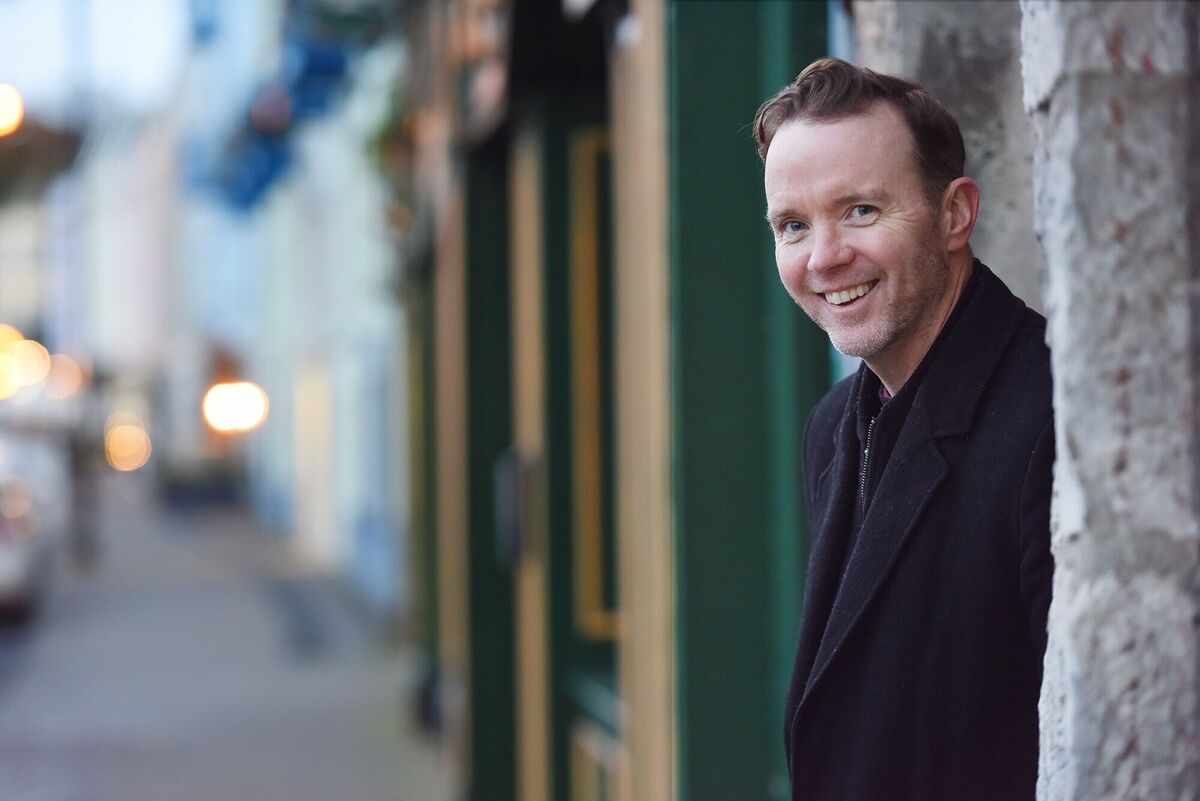
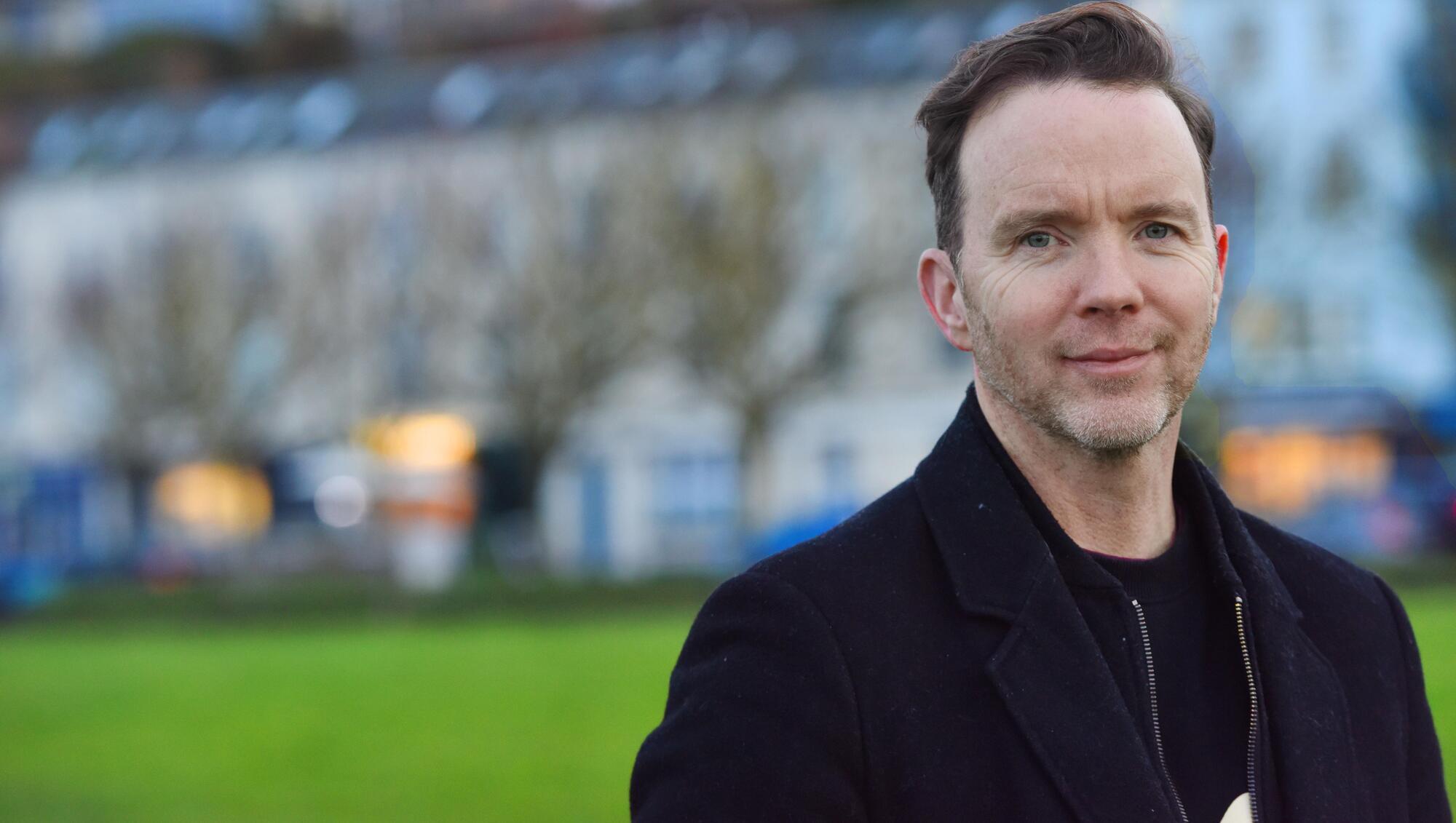
Dermot Whelan, broadcaster: "At first glance, comedy and meditation can seem like polar opposites but they’re not, really." Photograph Moya Nolan

Dermot Whelan is giving me some advice on how to meditate. Not a sentence I would have imagined writing 10 years ago, when the comedian and broadcaster was making me chuckle with his dry wit and deadpan observations on the RTÉ show Republic of Telly.

But out of adversity comes opportunity and when Whelan experienced a terrifying panic attack in 2007, convinced he was going to die, it was a life-changing moment. His hectic schedule combining stand-up shows, his early morning radio show on Today FM, and family responsibilities were taking their toll, and he dealt with the resulting stress in what he terms the old-fashioned Irish way — “with pints, nicotine, and cynicism”.

Sixteen years later, Whelan no longer relies on these all-too-common psychological crutches to deal with stress. For him, meditation was the key to finding a new way forward, and comedy proved to be the perfect medium in getting the message across to others.

“At first glance, comedy and meditation can seem like polar opposites but they’re not really. They’re both ways of helping people to feel good and also feel more like themselves. When we’re meditating, that’s also a time when we can connect with our real selves and maybe a version of ourselves that we’ve lost touch with,” says the Limerick native.

Whelan wrote a bestselling book, Mind Full, on meditation in 2021 and is now taking his live show of the same name on the road. His aim is to demystify meditation and debunk the myths around it. All with a healthy dose of laughter thrown in.

“The comedy relaxes everyone and makes them feel safe and open to taking on new ideas. The whole world of meditation can seem a bit kooky and out there for a lot of people, but actually, comedy is a brilliant way of opening up that door to people and making it accessible.” Meditation worked well for Whelan but as time went on, his practice started to slip. That was when he decided to train as a teacher in California.

“It had lots of benefits, but then over time, without realising, I had kind of started to let it go, and instead of a daily thing, it was becoming a weekly thing. And I found myself in a place where I was stressed and overwhelmed again, and I thought, ‘I’ll do teacher training and really lean into the stuff that I know really helps me feel better’. In some ways, I’m an accidental teacher, but I’m very glad I did it and it makes me really happy that I can marry both my love of comedy, and my passion for meditation in this live show, and with my book.” Whelan brings a down-to-earth approach to meditation. He has no truck with the Instagram portrayal of the practice.

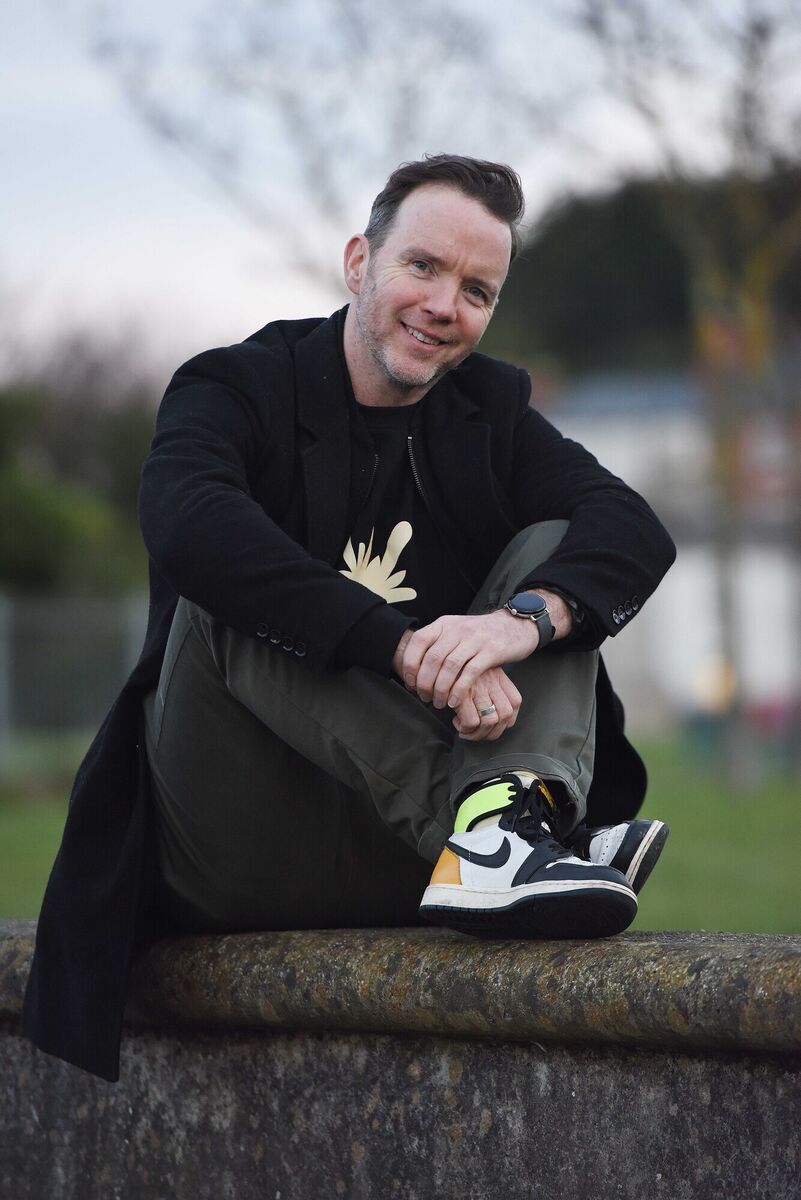
 Dermot Whelan, broadcaster: "When I started to get into this world, I couldn’t relate to any of the books as I found them preachy". Photograph Moya Nolan
Dermot Whelan, broadcaster: "When I started to get into this world, I couldn’t relate to any of the books as I found them preachy". Photograph Moya Nolan

“If you google ‘meditation’, you’re going to see lots of very beautiful people sitting in really beautiful locations, with their eyes closed looking beautifully serene. And that’s a load of rubbish. Certainly when I’m stressed, the last thing I want to do is climb up a mountain and crawl out onto a rock face and shut my eyes. It’s not practical. Meditation needs to be real, it needs to be uncomplicated and we need to be able to do it, wherever and whenever we want.” Whelan knows what it is like to juggle a busy work and home life — his breakfast radio show, Dermot and Dave, which he co-hosts with Dermot Moore is as successful as ever after 20 years on air, and he has three children with his wife Corrina, an artist. But he says we all have time to meditate, no matter how busy or preoccupied we are.

“Another myth I like to bust is that taking up something like meditation has to take big lumps out of your day. I teach a 16-second meditation — it’s the one I use the most, and it was the first one that I learned. You can do it first thing in the morning, you can do it in between Zoom calls, you can do it before a difficult conversation, you can do it in traffic,” he says.

For those wondering what a live show about meditation looks like, Whelan says it blends stand-up, his own story, and a light-hearted guide to techniques.

“I still use all the skills that I would going into any stand-up show, but this show just has more elements and that’s what I love about it. 

There is an element of a funny Ted Talk where I take people through the science of why these techniques work and what’s happening to your nervous system. 

"And then the last part of the show is actually trying the techniques together — having a laugh with that and creating that safe and fun space.” Whelan is also mindful of not being too evangelistic about his experiences with meditation.

“Nobody wants to be preached at. That is one of the reasons why I wrote the book and it’s one of the reasons why I put the show together — it’s because I want to present this information to people in as fun and accessible way as possible. When I started to get into this world, I couldn’t relate to any of the books as I found them preachy, too spiritual or else they were too academic and too boring. The mission, if you want to call it that, with the show or the book was to take away that preachiness and that holier than thou approach that you can find in the whole wellness area and just make it fun.” 

 Dermot Whelan, broadcaster: "There's science there to say the techniques work". Photograph Moya Nolan
Dermot Whelan, broadcaster: "There's science there to say the techniques work". Photograph Moya Nolan

Whelan is one of a growing number of celebrities who have dipped their toes into the area of mental health. What does he make of scepticism around such interventions, especially given the lack of actual resources needed to tackle rising rates of anxiety and depression?

“That’s an interesting question. If you look at a scale of stress and anxiety, we wait until we hit crisis point before we actively seek out something to help us. There are people who have conditions that need far more medical intervention than me talking about meditation. But I believe for a lot of people that if we have the confidence to be able to reach for mental tools in our toolbox when we’re feeling the stresses of normal life, we’re less likely to hit that crisis point. That’s what helps me day in, day out.

“Is me talking about meditation going to solve our country’s attitude towards properly resourcing treatment for mental illness? Absolutely not. But there is science to say that the techniques really work and you can get to know your nervous system, you can work with it instead of fighting against it, or numbing it or trying to escape it. That’s where I come in. Of course mental health in Ireland is woefully under-resourced. This show is not going to solve that. But I know from the feedback of people who’ve read my book, seen the show, and try the techniques that they can have a really important ripple effect out into your day and into your life.” Whelan’s approach has been a big hit with audiences — many of the dates on his tour are already sold out. Whelan says he loves hearing the positive stories from those who have taken his techniques on board.

“I’ve seen all ages at my shows, from 14 up to 94. Everybody’s got something going on in their life. The thing I really love is that there are so many men at my shows, because having been to more traditional meditation or wellness events myself, you might find two men at the whole thing and, chances are, they’re either working at the event or they’ve been dragged there. I get messages from women who’ve used the techniques in labour, people who have used them in dentist waiting rooms, in MRI scanners, lads driving tractors in high-vis jackets and teenagers, all walks of life, because stress affects us all in different ways and at different times.” He has seen the benefits of meditation in his own family. With stress and anxiety among young people growing at an alarming rate, any preventative help is to be welcomed.

“My wife is a keen meditator and my kids use it too. My daughter is 11 and she goes to sleep every night to a guided meditation and I think it’s lovely to normalise that kind of stress management. Certainly for me when I was growing up, the only stress relief you saw demonstrated by grown-ups around you was alcohol or nicotine or something like that. You won’t be able to force this stuff on your children but simply by leading by example, they will naturally gravitate towards it because that’s children’s natural state, a state of mindfulness. We just forget somewhere along the way.”

More in this section

Lifestyle

Newsletter

Eat better, live well and stay inspired with the Irish Examiner’s food, health, entertainment, travel and lifestyle coverage. Delivered to your inbox every Friday morning.

Cookie Policy Privacy Policy Brand Safety FAQ Help Contact Us Terms and Conditions

© Examiner Echo Group Limited