"I am so sorry for messing you around,” says Graham Norton as he enters the Merrion Hotel’s Cellar Bar. A nightmare getting out of London the day before resulted in our interview being pushed back by 24 hours.
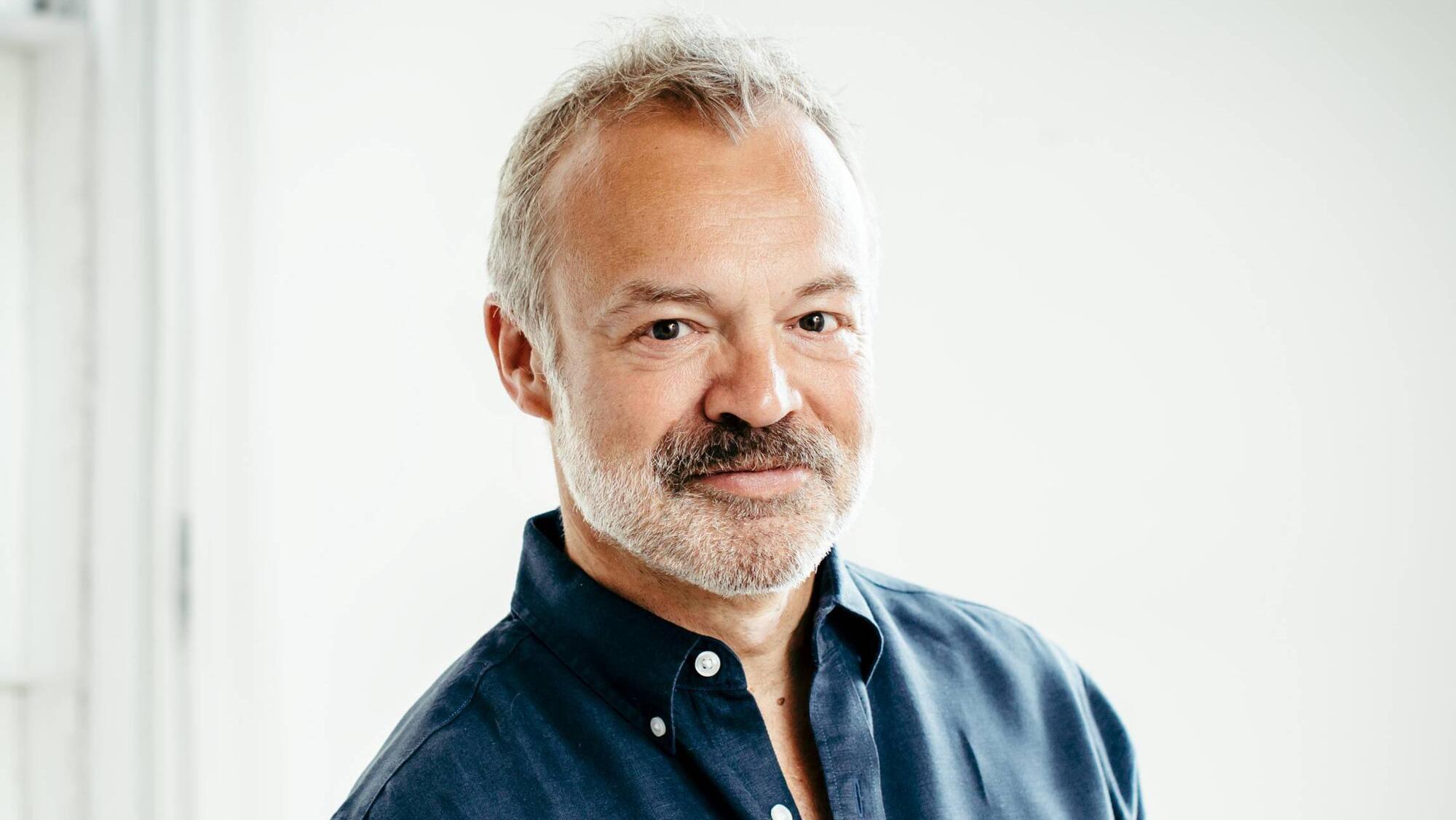
As he shakes my hand, he is immediately warm, friendly, and only a little guarded. In real life, he looks younger than his 59 years. His hair and beard are snow-white, but somehow they don’t age him at all. Dressed casually, he laughs easily, and he is — this isn’t exactly a newsflash — hilarious.
He’s back on BBC One with the new series of The Graham Norton Show, and glad, after the pandemic, to be back in front of a live audience, but even without that studio alchemy, he feels his show, and many others, served an important role in a fraught time.
“I think for people at home, even if it was, say, a substandard series of Strictly, it was better than nothing. It was better than just watching documentaries about pandemics or news about the vaccine rollout or something.
“I think that’s when you realise the role that entertainment plays, you know, shows with shiny floors, they do have a function, they do distract people and they do take people away from their worries,” he says.
“Like, clearly my job is a very silly job, it’s a stupid job, but every now and then you’ll bump into someone and they’ll go ‘Oh, I love your show, I watched with my mother when she was sick. And now when I watch the show, I feel close to her’.
"That sort of stuff, it matters, you know, because telly is in people’s houses, it’s quite intimate.”
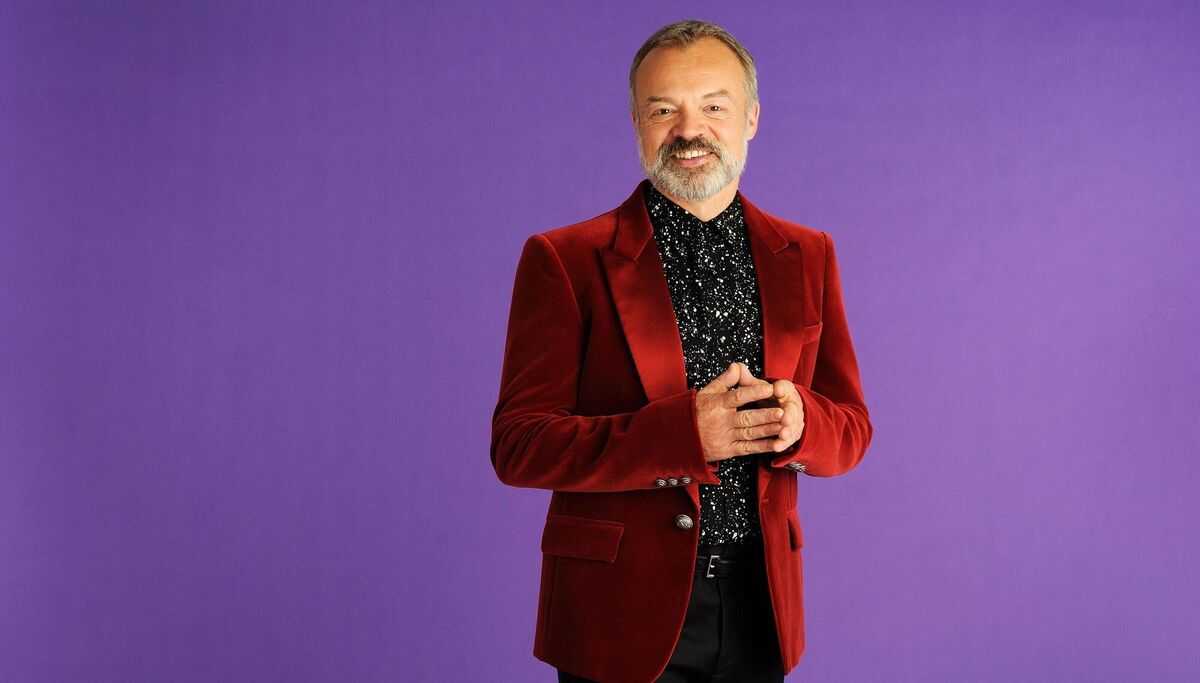
Next year will mark 25 years since the Bandon native first sat in for a holidaying Jack Docherty on his five-nights-a-week Channel Five chat show, and he has never looked back.
“I do still enjoy it,” he says. “You know, I sit in that chair and kind of think, wow, like this is incredible that we’re still here after all these years. The guests are better than ever. I can’t explain it, but for whatever reason we are there.”
In conversation over a glass of wine, he is chatty, enthusiastic, and thoughtful, in both senses of that word. He thinks carefully about comments, and teases ideas through. Halfway through our interview, when my phone, on the table between us, flashes up an email alert, he worries that my Dictaphone app has stopped recording. I tell him no, it’s still recording, but I admit that particular interviewer’s nightmare has happened to me in the past.
“And what do you do then?” he asks. “Do you just kind of try to cobble it together from memory?” When I say I had to go back, abjectly apologise and ask the interviewee to go again, he sniffs conspiratorially: “I feel like in Britain, they would just make it up.”
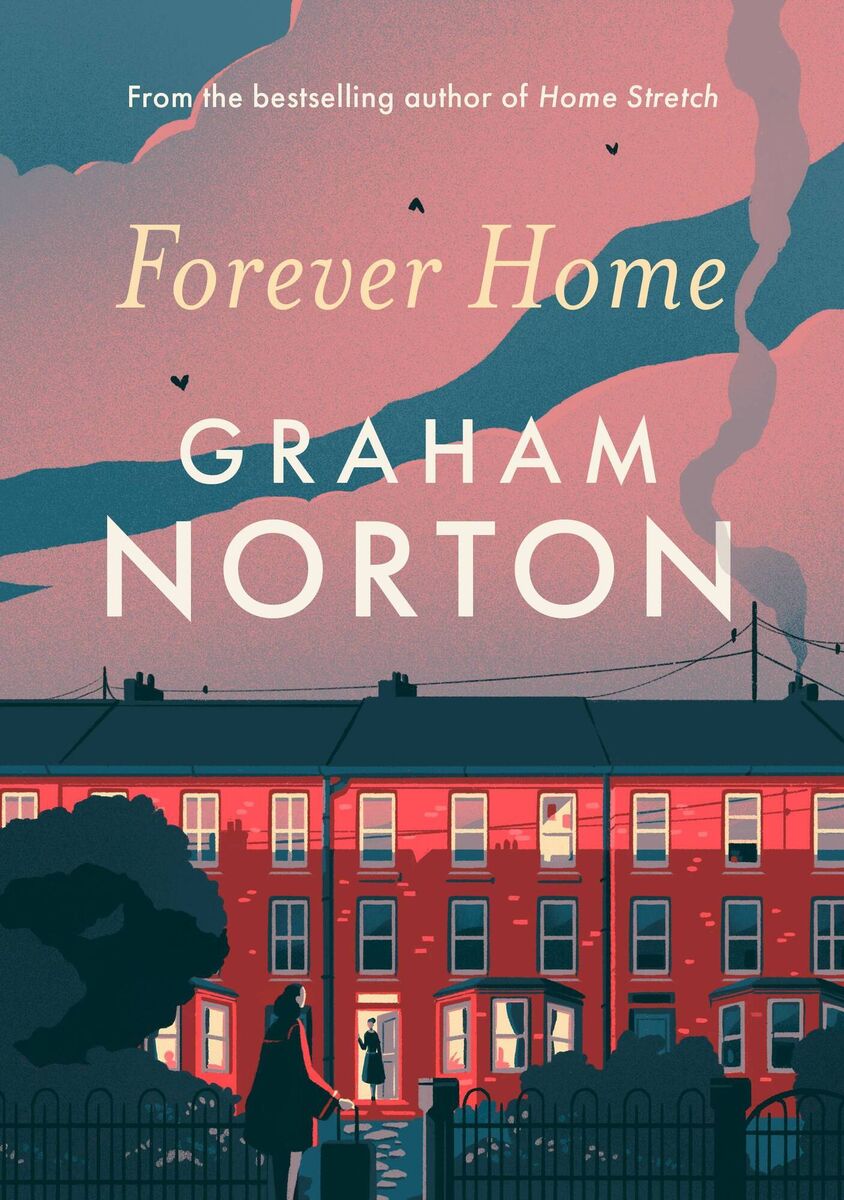
His latest book, Forever Home, is warm, darkly comic and sad, with well-written, rounded characters and a solid plot, which, he says, reflects his own tastes.
“I like books with plots, I like to know this book is going somewhere and where it goes will then be resolved by the time it gets to the end of it.”
He cites, as “a great plotter”, Cork-based crime writer Catherine Kirwan, adding that his sister gave him her two novels.
“I think she’s really good.”
Two of Forever Home’s characters are unhappily married. Given that Norton only recently married Jonothan McCleod, did he worry at all that some readers might wonder if that relationship might be slightly autobiographical?’
“It would be quite bad of you to publish this, months after my wedding,” he responds mock-seriously, before laughing. When I apologise, mortified, he tells me not to be silly.
“No, that’s not our relationship. I mean, I’ve been in relationships that you know should have ended long before they did. I think we’ve all been in relationships where they just drag on and you just go ‘Which of us is going to put this thing out of its misery?’ We’ve all been in those.”
He says he wanted to explore the idea that some gay people might feel pressurised into marriage as a result of marriage equality.
“I think people kind of think ‘We ought to do this’, whereas when I was growing up, that was the furthest thing from your mind.
The idea of being married or having kids, all these things that are now available to young gay people, I never had to bother myself with them at all.
“When I was in my late 20s, early 30s. I remember going to see Torch Song Trilogy, and in that he ends up in a very domestic situation and they foster a child, and I remember kicking back at it at the time, thinking ‘This is you just aping straight people’, but actually, now that I am married, it doesn’t make me feel straight. It’s just a very nice institution to be a part of.
“But the good thing is — although in the book those people did feel pressure — actually, you don’t have to, you know. You can be a throuple restoring antiques on an island somewhere if you want to, do what you like. It’s just, marriage is available for you if you want it, if that’s how you want your relationship to be or that’s how you see your relationship.”
These days, his own ‘forever home’ is between London and his house in Ahakista, where he spent much of lockdown.
“We spent months there and it was a great place to be. The difference between a London lockdown and a rural West Cork lockdown was night and day.
"It was so stressful in London, it was just hell. I’m by the sea, and you know, the tide coming in and the tide going out, the dogs running around, you know, a couple of days might go by before you were reminded you were living in the middle of a pandemic.
“In London, you never forgot you were living in a pandemic, whereas there was a sense of some sort of normality in a rural setting because that community had to keep going. People had to get the harvest, people have to spread the slurry, all those things had to happen, cows needed to be milked. It just had a kind of a rhythm to it that seemed less alien than what happened in London.”
When he’s writing, does he share it with anyone, his editor or his husband, say?
“I tend to finish it once, before I let anyone read it, and then there’s a few people, and Jono would be one of the people, that I would show it to, and then they give me feedback on stuff that doesn’t make sense, or ‘Why would they do that?’ And you kind of go ‘Okay, I’ve got to beef that up, I’ve got to explain that more’.
He and his editor, Hannah Black, have worked together for a long time now.
“I really trust her, but equally I think she kinda trusts me. So if I push back on something and say ‘No, I don’t want to do that’, she’ll let me.
“Or often there’ll be Irish references. God love her, because she’s in England. She’s trying to sell these books to British people.”
He recalls, in one book, he had a joke about Maxi, Dick and Twink.
“She was going ‘Oh, can you explain this’. If I explain this, the joke is dead! So all of these, it’s my gift to Irish readers! And English readers can Google it if they’re that interested. Look it up.”
I can’t resist asking a Father Ted question: where does he think his hyperactive, shrieky character, Fr Noel Furlong, unbearable scourge of the St Luke’s Youth Group, is these days?
“I imagine he has been moved by the Church several times,” he responds drily, trying in vain to keep a straight face.
He recalls rehearsing the first episode featuring Fr Noel, ‘Hell’, and being taken aside by Channel 4 executives who had come to watch the final run-through.
“And they were going ‘Could you make him less frightening?’ I knew what they meant. So I toned him down a little bit, if anything about that character could be toned down.”
He likens Ted to Dad’s Army, another show that is now timeless, noting most of Ted’s popular culture references still work.
“Like the one with the milk float, people still know what Speed is, because it’s one of those films that gets shown over and over again. Or the Eurovision episode, or the ‘lovely girls’, all of those things still work.”
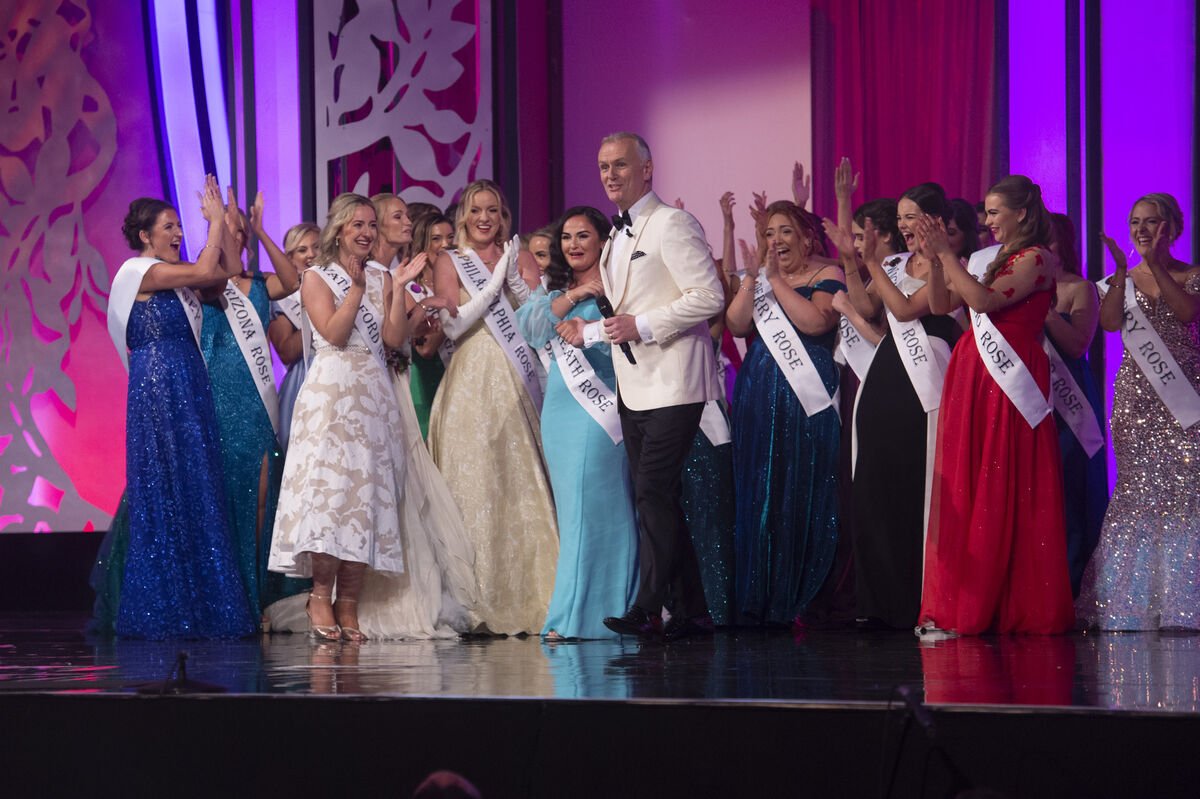
Mention of the ‘lovely girls’ brings us, inevitably, to the Rose of Tralee. He’s a fan, tuning in to catch Dáithí and the Roses on the RTÉ Player.
“I was watching the Rose of Tralee with Jono and trying to explain to him what the Rose of Tralee is. People struggle with Eurovision. Try the Rose of Tralee. It’s very specific,” he laughs.
He has mentioned before in interviews his unease about cancel culture. What does cancel culture mean to him?
“Well, it seems to me, for all the bleating about being cancelled, some of those people being cancelled are still wildly successful, some of them have a few quiet months.
"Harvey [Weinstein] is in jail. Harvey’s been caught bang to rights. There’s a couple more that might end up in jail. But, by and large, it seems like they go a bit quiet and then they find their fan base again. And it’s not about being forgiven, it’s about them finding their audience and doing it a different way.
“It’s one of those things I don’t know what to think about it,” he admits. “That idea of cancelling people seems wrong, and yet a lot of the things that those people do also seems wrong, and if they’re not going to change, then what do you do? You’re butting heads, aren’t you?”
He thinks some of the problem comes from Twitter, which he likens to a 24-hour pub brawl.
“You know, in a friendship group, you can have some people that you don’t agree with, but you just decide, ‘Please don’t bring that up, it won’t go well.’ You navigate around people. That’s what we do in life. And I think a lot of that Twitter noise, you feel like, ‘Put down your phone and come into the real world, where, actually, people aren’t permanently furious’.”
He says he hates any kind of conflict, but recalls JK Rowling, another person not noticeably cancelled, telling him she enjoys the pub brawl of Twitter, and he says that gave him an insight that many people seem to like fighting with strangers online.
“I think you have to assume that about all those people in that world,” he says. “It’s not for me. I would stay a million miles away from it.”
As we finish the interview, I ask what book five will be. “Book five doesn’t exist yet,” he replies.
“Ideas will start to pop into my head, I’ll basically start writing it next April, so I’ve got a while yet. I’m beginning to feel that weird bit where your brain starts slowly moving away from [the previous book] because it’s still very much in there.
“I’m not like those writers who can do a book a year. They’re talking about a book, they’ve finished a book and they’re writing the next one, all at the same time. I don’t know how the hell they do that. That’s not me.”
With that, he signs two books for me, and wishes me safe home to our native Cork.
This article was first published on October 8, 2022

Looking for a thoughtful gift?
Irish Examiner Gift subscriptions are now available.
Already a subscriber? Sign in
CONNECT WITH US TODAY



Be the first to know the latest news and updates