The Skin Nerd: How to be ‘water-responsible’ when it comes to skincare and four top tips
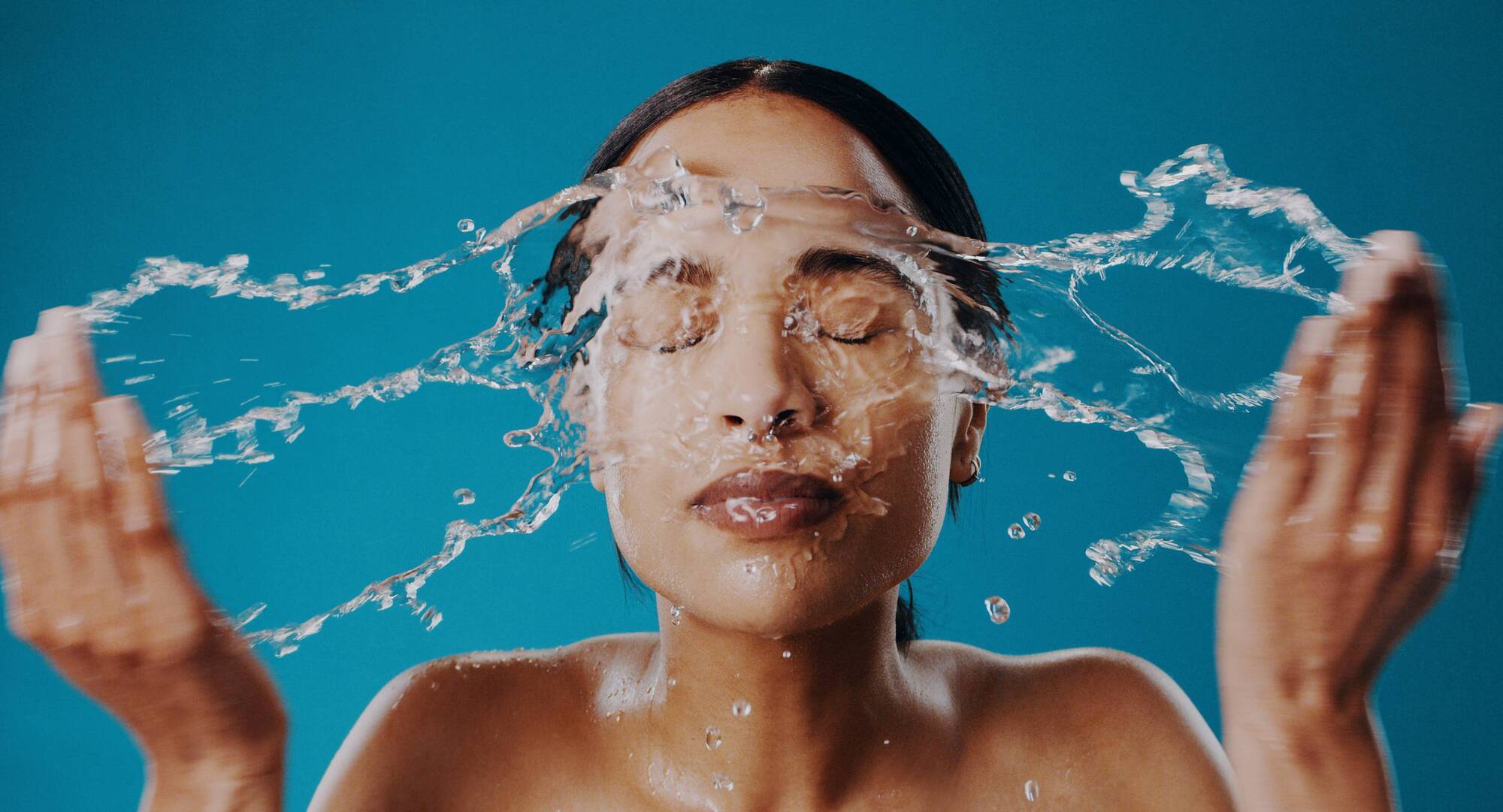
The average person in the western world consumes about 140 litres of water on a daily basis.
You don’t have to be an avid follower of the news to be aware of the mounting concern over water shortages.
According to Mintel, global concern over water scarcity has risen from 27% in 2021 to 31% in 2022 — and the figures explain why.
WGSN, the trend forecasting agency that predicted "waterless washing" would be a key trend this year, has claimed that factors such as population growth are increasing global water demand by 1% year on year.
Couple this with the data that the average person in the western world consumes 140 litres of water daily and that the global population is predicted to reach a huge 10.2bn by 2050 and the problem is clear — demand could exceed supply.
Water scarcity presents a challenge for skincare brands and consumers.
Firstly, the rising consumer awareness of water scarcity is fueling demand for products that use less water.
This in itself is a challenge, as water is one of the most common ingredients found in personal care products, with beauty products containing between 60-95% water.
Often used as a filler ingredient, water is usually the first ingredient on a product's INCI list (labelled aqua) but it isn’t just the water inside our products that we need to consider.
We also need to be mindful of the water used during the lifecycle of these products and that which we ourselves use alongside the product — from long, hot showers to leaving the tap running mid-cleanse.
Like many trends, "waterless beauty" derives from South Korea and has increased in popularity over the last few years thanks to a rise in innovative new formats including powders, solids and concentrated oils across the hair, skin and makeup industries.
As well as saving water, reducing the water content of a product has further value-boosting advantages.
Due to the fact that water can potentially harbour bacteria, removing water from a product can make it last longer.
Additionally, removing water lowers a product's weight, making them more travel-friendly and subsequently lowering carbon emissions during transportation.
Using a waterless brand will score some sustainability points, but it is important to remember that water is involved in all stages of a product’s lifecycle and taking this into consideration, no beauty product will be completely waterless. However, reducing the amount you use is a great start and you could certainly switch to a solid or powder formula. One such product is ETHOSA, a UK brand that comprises a green shower gel in a powder-to-gel formula. There are likely to be more innovative players entering the waterless space as time goes by such as Lush who have embraced waterless beauty with their Naked Cleansing Bars, oil cleansers and recently expanded range of waterless colour cosmetics.
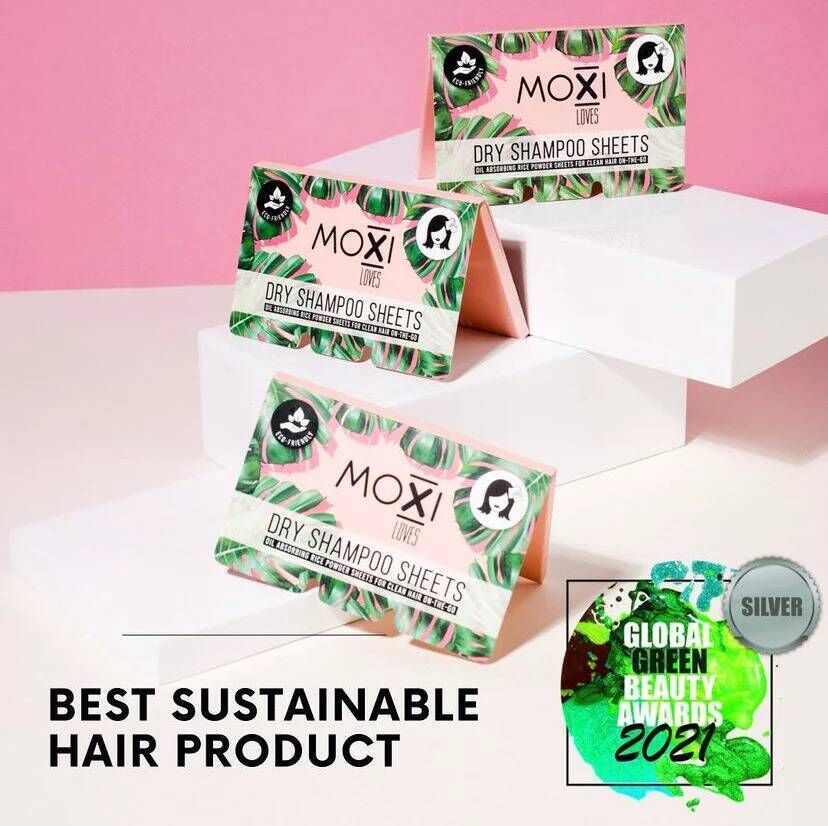
Many brands are looking to reduce their water footprint. Moxi Loves is a fabulous Irish brand that offers waterless products such as Dry Shampoo Sheets (think blotting paper for your locks). Uzza Skincare regards themselves as ‘water-responsible’ and states that the water used during manufacturing is recycled washing water that reduces the consumption of water. The beauty giants are on the case too, with Unilever launching a water-smart initiative and cosmetics giant L'Oréal making efforts to reduce water consumption throughout its production.
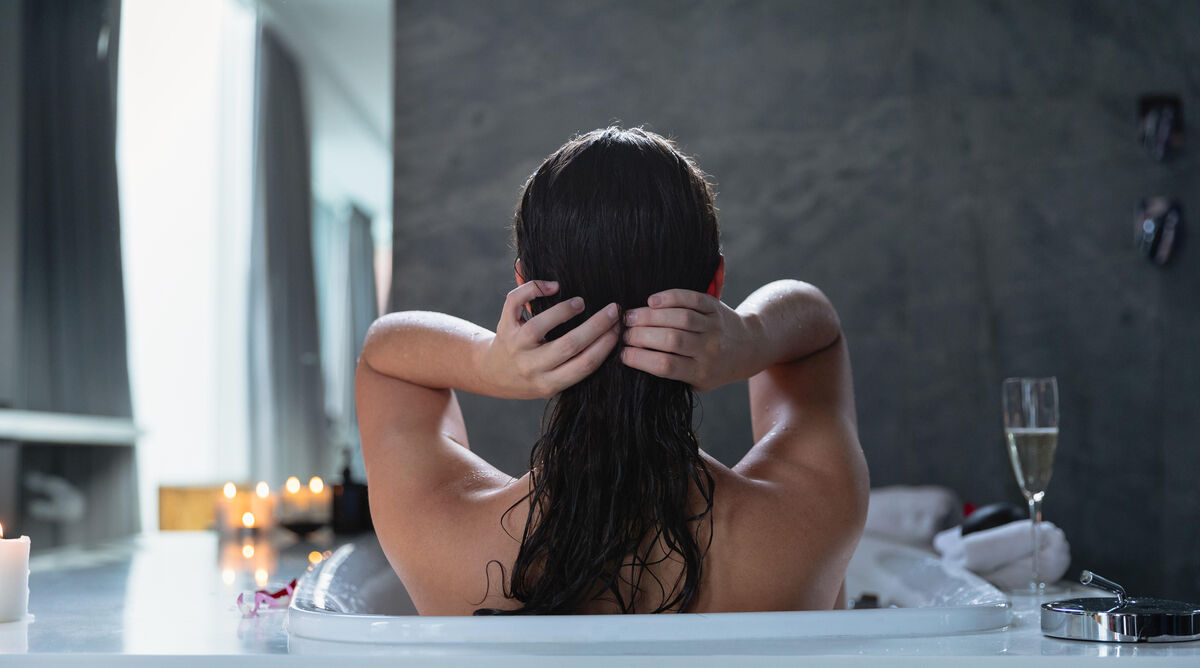
Limit the amount of running water you use. It sounds simple but being aware of unused running water wasted whilst cleansing, exfoliating, brushing your teeth or conditioning your hair can save gallons!
If you find you use the most water in the shower, an economic shower head could save lots of water waste — and reduce your bills!
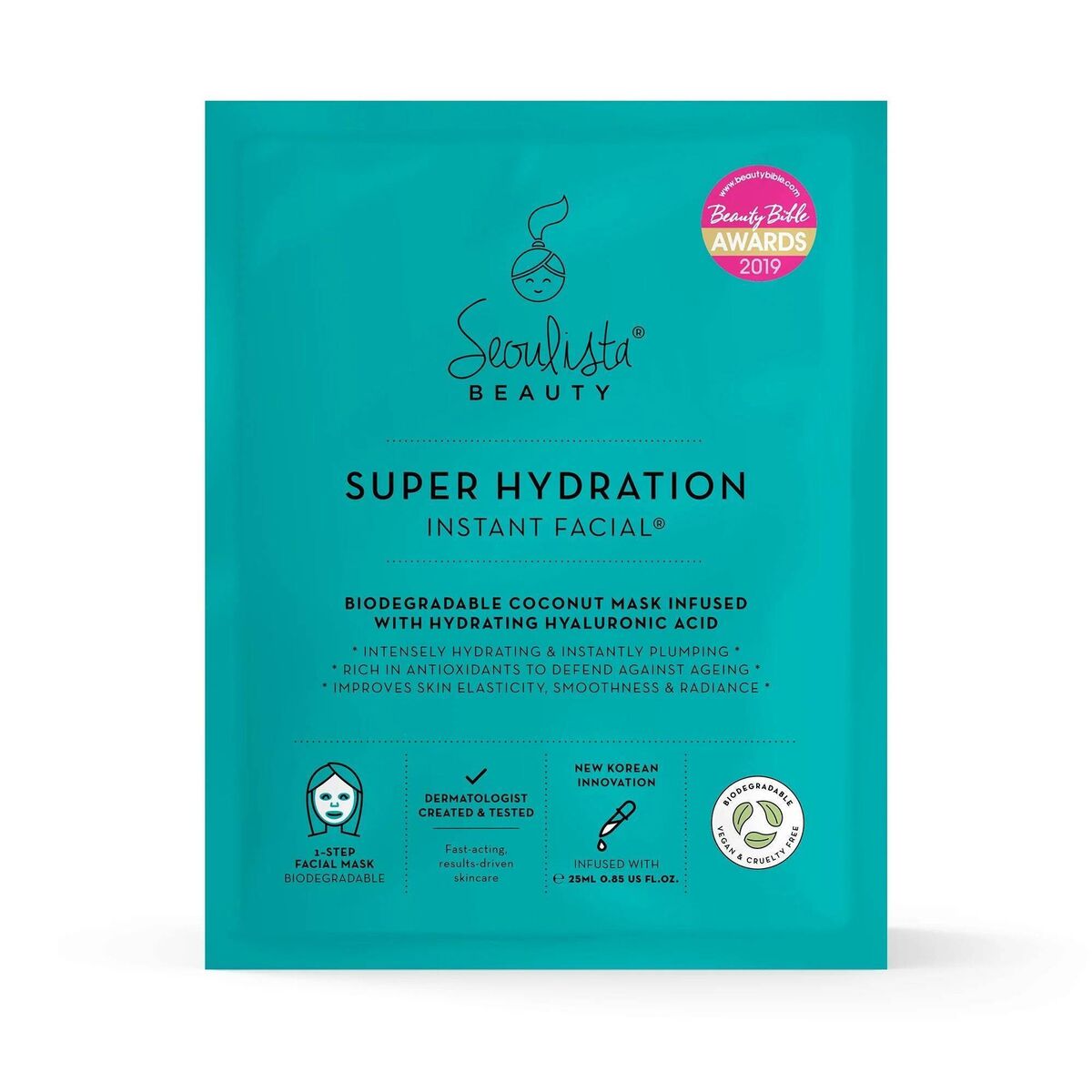
If you are looking for a water-mindful facial treat, try a sheet mask. Rather than wetting and rinsing the face multiple times, sheet masks require no additional water during use, thus making them a more water-efficient method of treating the skin to some TLC. I adore the hyaluronic acid-infused Seoulista Super Hydration Instant Facial Sheet Mask. Hyaluronic acid is a humectant ingredient, meaning it draws moisture into the skin and up from the lower layers. This hydrates dry and dehydrated skin instantly and is ideal during flights when the air-conditioning leaves my skin feeling like a desert. Use it once or twice a week for 20 minutes and be sure to pat the remaining serum on afterwards.

CLIMATE & SUSTAINABILITY HUB
CONNECT WITH US TODAY



Be the first to know the latest news and updates