Pete the Vet: Does my pet need a nutritional supplement?
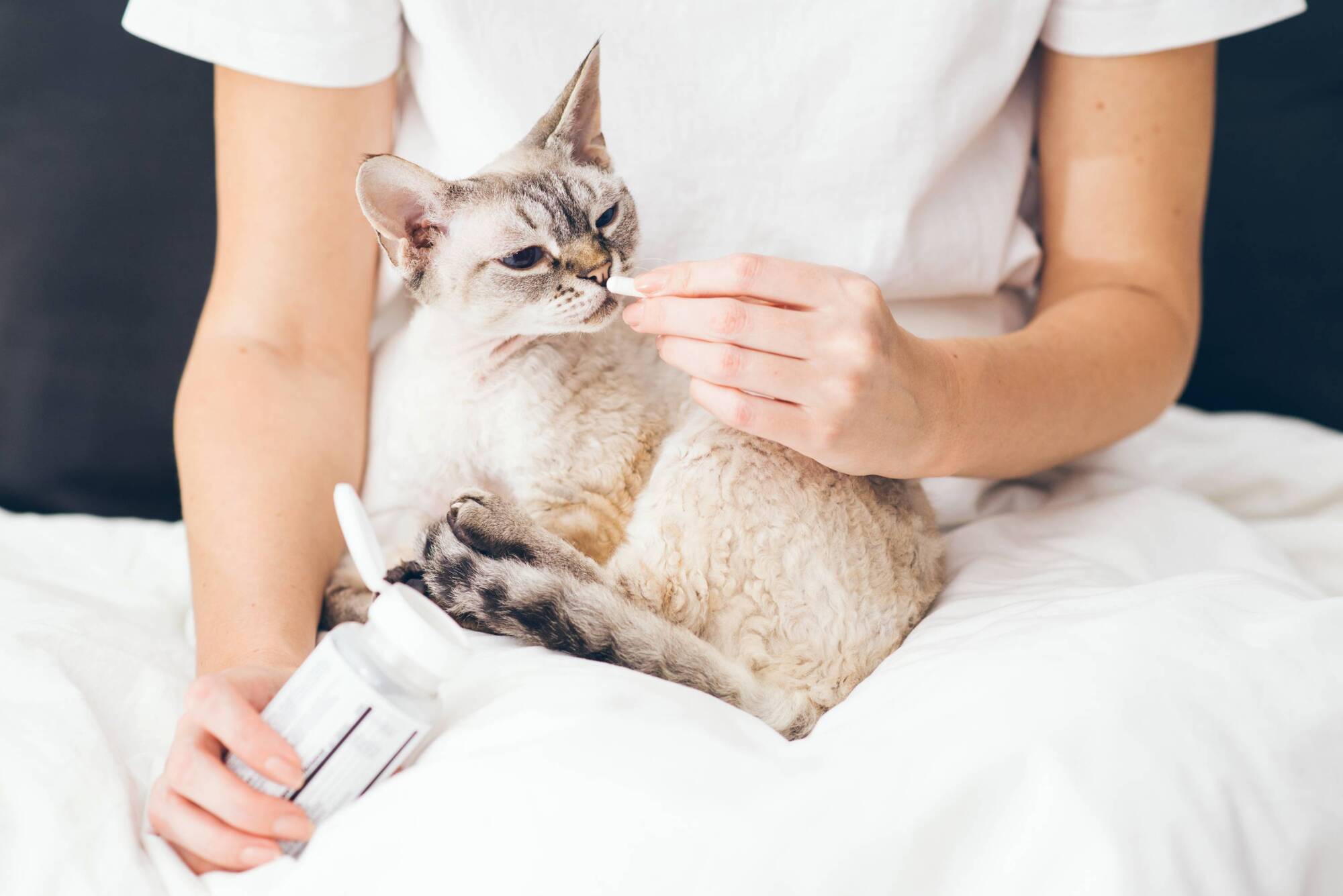
Some human supplements, like St. John's Wort can be poisonous for pets.
Dietary supplements have become as popular in the pet world as they are in human nutrition. If you visit a pet shop, you’ll find dozens of different food supplements on the shelf, all claiming to boost your pet’s health in one way or another. It’s estimated that around 20% of pet owners frequently give their pets supplements in the form of powders, oil, capsules, tablets, paste or chews, for a range of different reasons. But are they necessary? Or could they even be dangerous?
A nutritional supplement is defined as an ingredient to complement the diet, helping to support a particular biological function. Products available range from multivitamins to support overall good health to targetted formulas that claim to alleviate specific problems. Some of these are entirely unnecessary, being sold with marketing hype rather than based on real science. However other products do bring real benefits, falling somewhere between nutrition and pharmaceuticals (drugs). These are often also known as nutraceuticals.


Read

Listen

Watch

Play
CONNECT WITH US TODAY



Be the first to know the latest news and updates




Lifestyle
Newsletter

Eat better, live well and stay inspired with the Irish Examiner’s food, health, entertainment, travel and lifestyle coverage. Delivered to your inbox every Friday morning.
Lifestyle
Newsletter
Eat better, live well and stay inspired with the Irish Examiner’s food, health, entertainment, travel and lifestyle coverage. Delivered to your inbox every Friday morning.