The Skin Nerd: The bittersweet facts about sugar and the skin

A high intake of sugar can contribute to glycation, a process that damages collagen and elastin — proteins that give the skin its plumpness and structure.
Reaching for something sweet is common when looking for comfort, but sugar is far from comforting to our skin. If you are seeing sagging, dullness or breakouts, it could be down to a sugar overload. We are all aware of the importance of a balanced diet when it comes to good health, but what is it about sugar that makes it such a bad guy when it comes to our complexions?
A high intake of sugar can contribute to glycation, a process which occurs when sugar in your bloodstream grabs onto protein molecules and turns them into advanced glycation end products (AGEs). Collagen and elastin — the things that give the skin its plumpness and structure — are proteins, meaning that they can get damaged via this process, leaving your skin looking lacklustre and haggard. Not so sweet now, hey? Along with inflammation, glycation also causes free radical formation and oxidative stress — key factors in accelerated ageing.
Glycation can be particularly problematic as you get older — the British Journal of Dermatology has reported that after the age of 35, glycation in the skin increases, with UV exposure said to accelerate AGE accumulation. Research has also found that the more AGEs we have in our bodies, the more we age. In a 2013 study, researchers presented pictures of 600 participants to a group and asked them to guess the ages of the hoomans in the photographs. Findings revealed that participants with higher blood sugar levels were rated as older than those with lower blood sugar levels. In fact, for every 1 mm increase in blood sugar level recorded, the perceived age was increased by five months!
Ageing is not the only issue that can be caused by sugar — blemishes can have a sweet origin story too. Sugar not only stimulates sebum production which increases congestion but is also responsible for triggering the hormone insulin, which increases testosterone levels and can lead to troublesome spots. What can you do?
It’s not just sweets that you need to watch — be sure to check labels for unsuspectingly sugar-loaded foods and drinks. Surprising culprits include soups, sauces, alcoholic drinks and processed foods, which are often packed with refined sugars that can increase blood sugar and insulin levels without offering much nutritional value. Avoid reaching for sweet treats throughout the day and satisfy cravings with protein-rich foods. Unlike sugary alternatives, these will break down more slowly and avoid spiking blood sugar levels. Nutritious foods can also contain high amounts of natural sugars, like fructose in fruit. Whilst fine in moderation, fructose is said to be more active in glycation than glucose and so it’s worth monitoring and switching to low-glycemic fruits such as berries or peaches if you suspect sugar-related skin issues.
Foods rating high on the glycemic index include white bread and potatoes. These break down quickly in the body, which causes blood sugar levels to skyrocket. Choose foods on the lower end as these will take more time to break down, helping to stabilise blood sugar levels. Low-glycemic foods include nuts, beans, lean meats, eggs and quinoa.
UV exposure accelerates glycation, further ageing the skin, so always wear sun protection! Remember that glycation affects skin across the entire body, so be sure to protect any exposed areas. Try one containing zinc oxide to protect against both UVA and UVB rays. I love IMAGE Prevention + Daily Hydrating Moisturiser SPF 30 (€47.25, theskinnerd.com)
Antioxidant-rich foods such as fruit, vegetables and dark chocolate can help to protect cells from glycation, so including these in your diet can help you to manage the effects of AGEs.
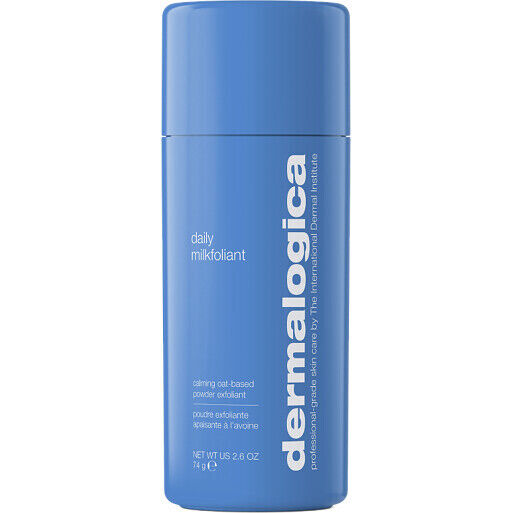
A new variant of the brand’s iconic microfoliant, Dermalogica Milkfoliant Calming Oat-Based Powder Exfoliant has made its way into my repertoire over the past few weeks. Enriched with skin-renewing exfoliating acids and hydrating coconut milk, this powder exfoliant is sold as ideal for ‘peaceful’ exfoliating – which really is the only skin-respectful way to exfoliate. The formula starts as a fine powder, which mixes to a ‘cloud’ like texture when rubbed into wet hands and can be used daily to gently slough away dead skin cells. You can use it alone or do what I do and mix this with your regular cleanser to supercharge skin renewal. I also love to use it over the body, post-shower gel – just don’t leave it in the shower once you have finished as any addition of moisture into the product will lead to a congealed mass.
Dermalogica Daily Milkfoliant, €69.00, dermalogica.ie

CONNECT WITH US TODAY



Be the first to know the latest news and updates