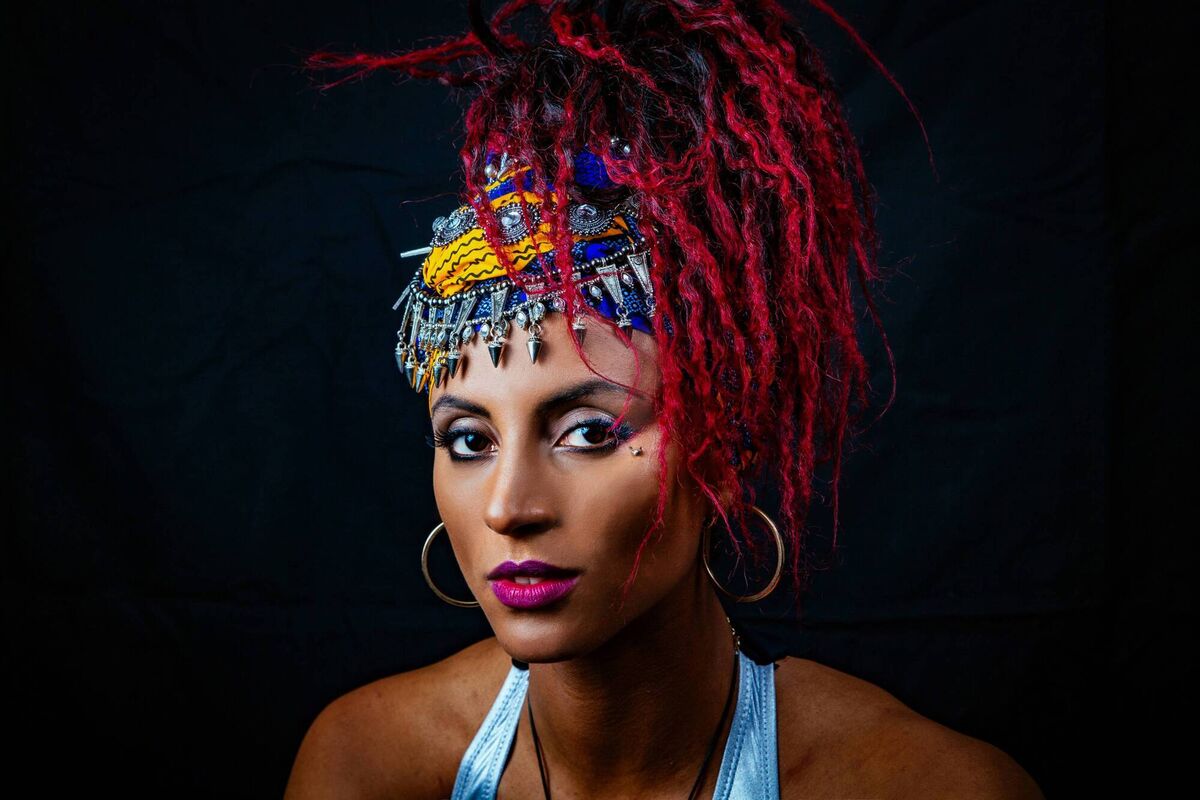
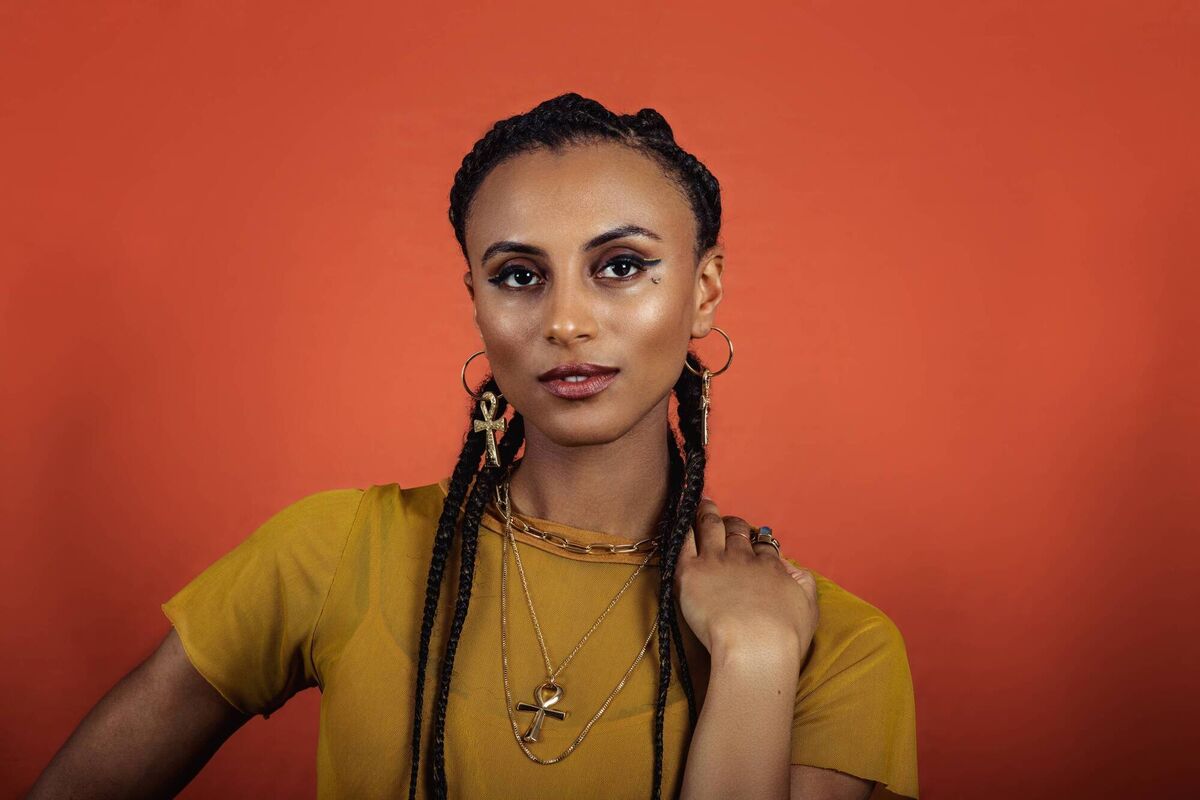
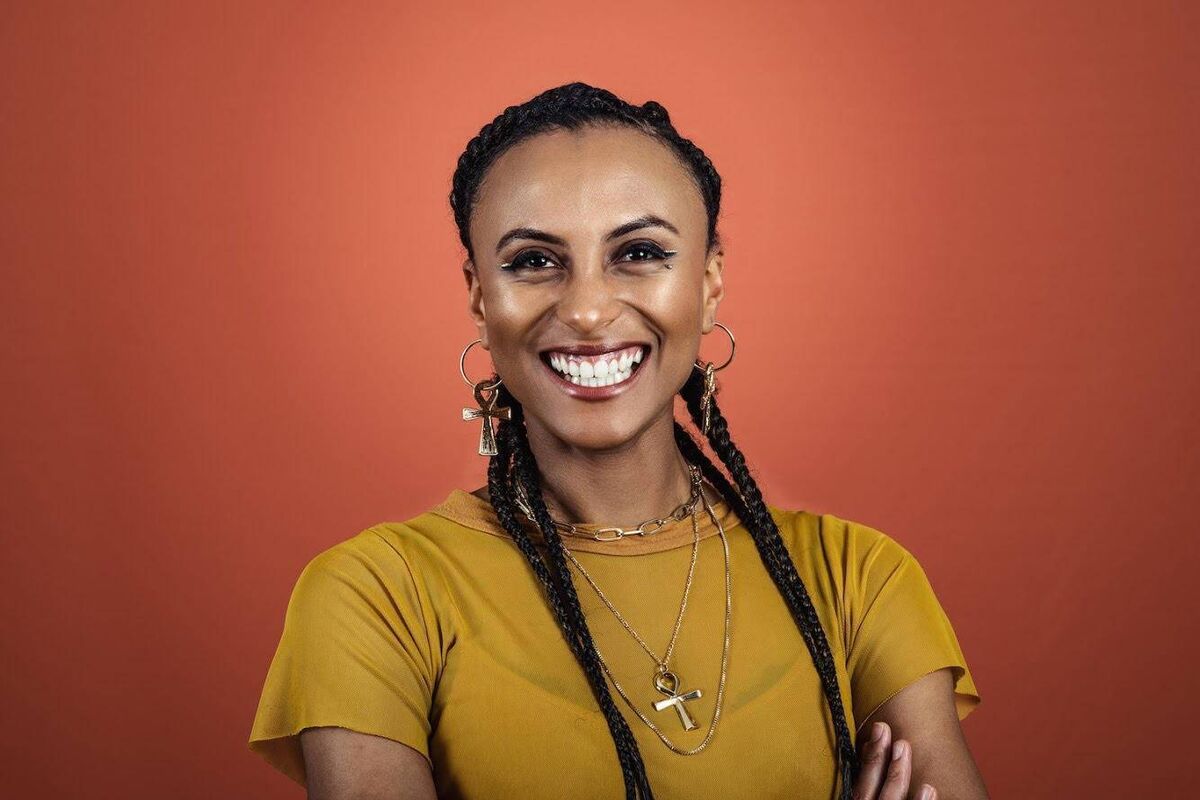
Singer-songwriter Loah on ambition, her successes, and moving countries
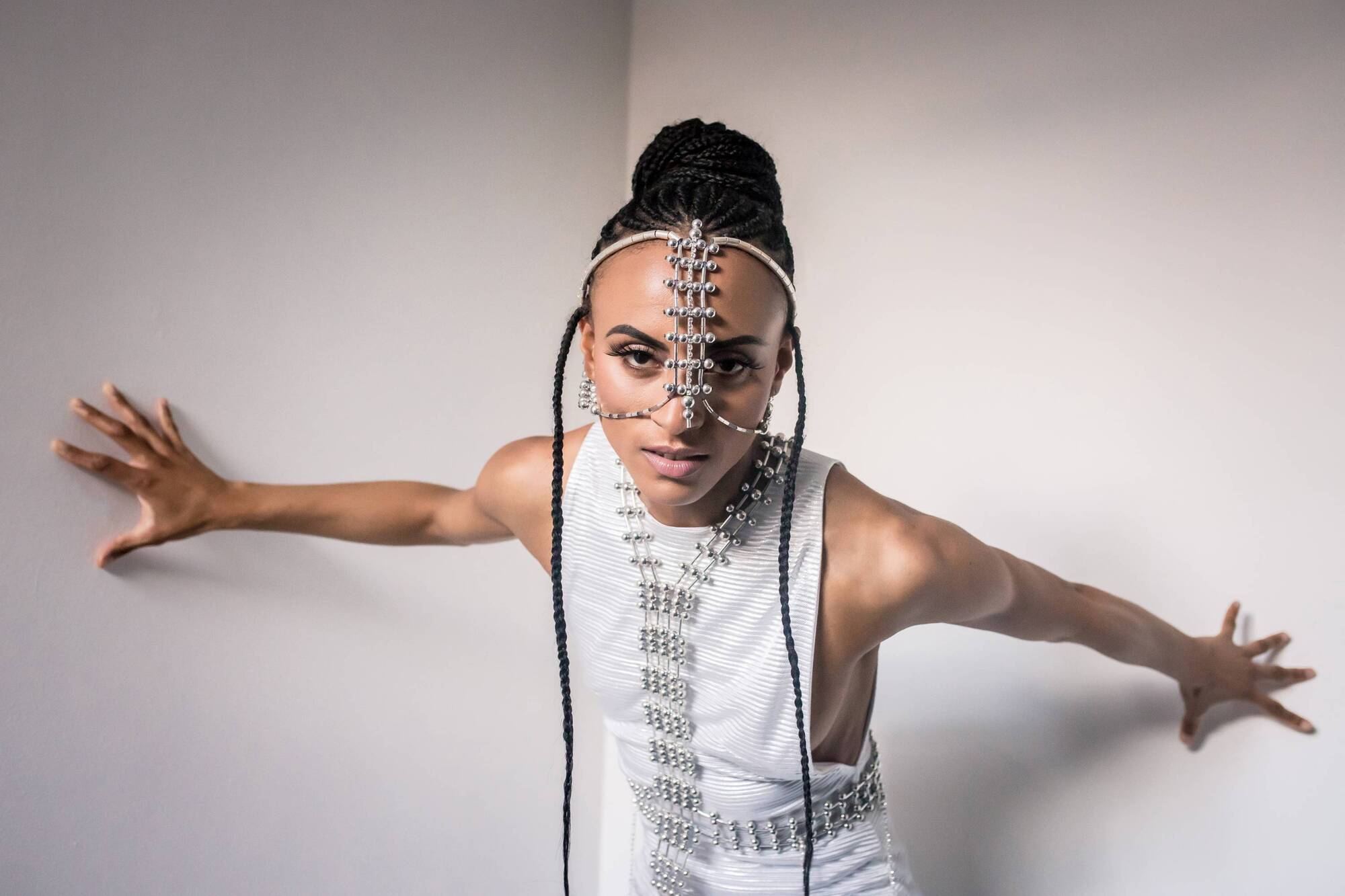
"Don't take this the wrong way' — I never meant to write an international hit"
Singer-songwriter Loah on ambition, her successes, and moving countries

Loah
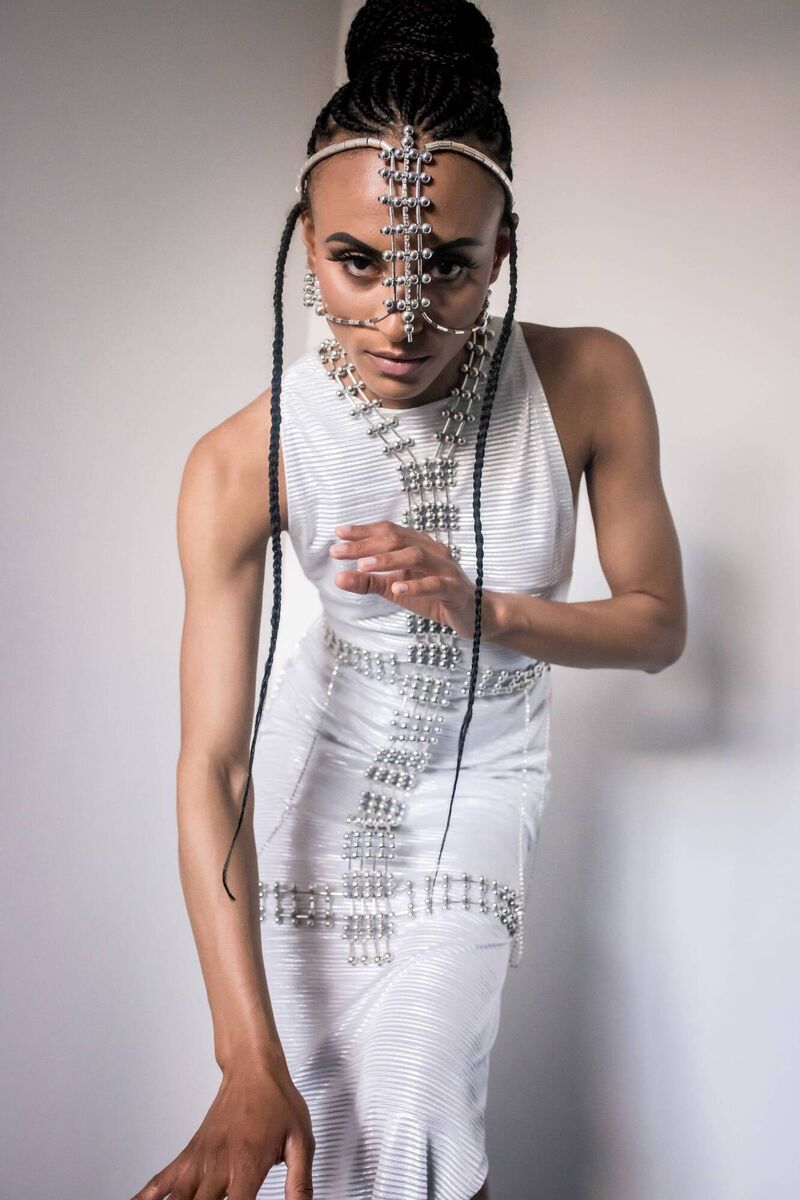
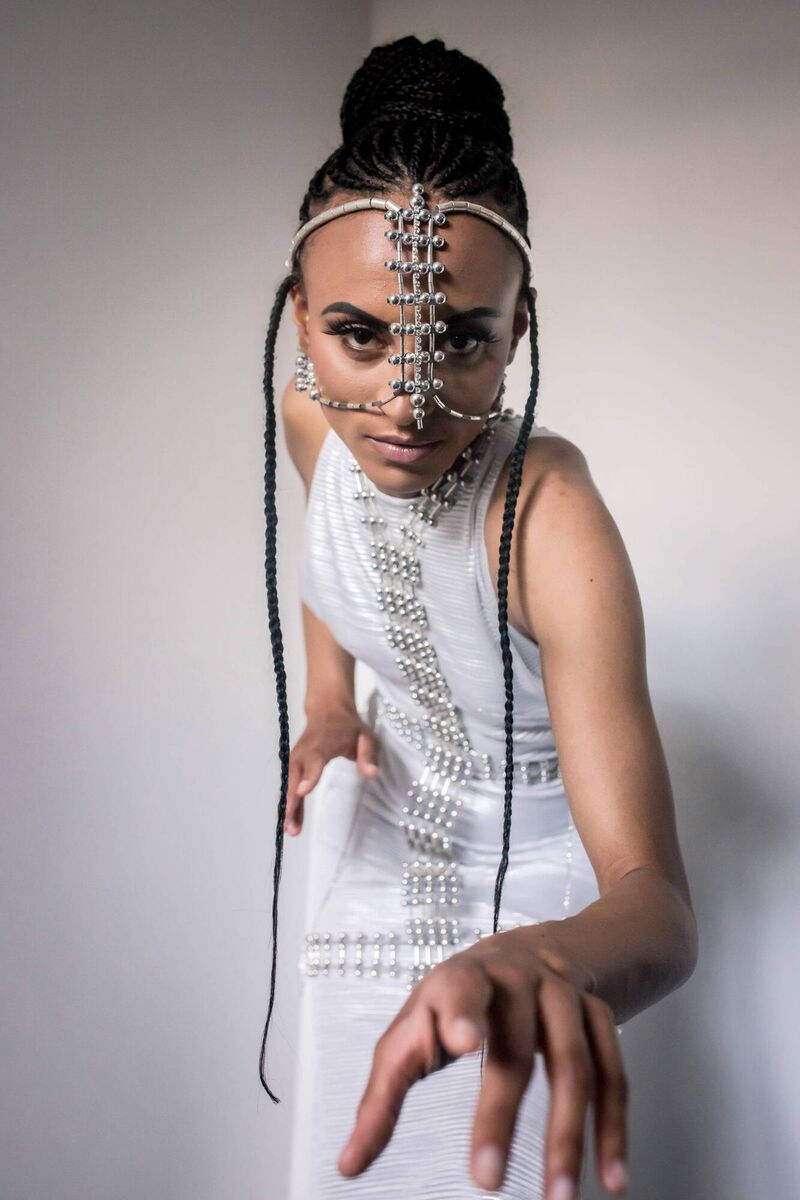
Writing an international hit was never on the to-do list of Sallay-Matu Garnett, aka singer-songwriter Loah. But that’s what she achieved in 2014 when she co-authored the song, Someone New, with Hozier. An airplay smash around the world, it was accompanied by a video featuring Game of Thrones actress, Natalie Dormer. Looking back Loah finds that phase of her career surreal.

Loah
Loah

“It’s wonderful. I’m so proud of that song. It’s such a banger. I love it. I think it’s great,” she says. “It’s wonderful to be part of writing something that people connect with on such a wide level.”

Did it change her life? Maybe — or maybe not: “My life has gone the way it was going to go, either way. I was always going to be a musician. I was always going to do the kind of music I make. It’s lovely to be part of pop music. I love pop. It’s nice to have your little stamp on it.”

Loah
Loah

Garnett never chased success. And in the years since, she has charted her own course. It is very different to that followed by Hozier whom she met while studying at Trinity College Dublin. Instead of aiming for the charts, Loah blends raw confessional ballads, Irish folk and the songwriting of traditions of her father’s native Sierra Leone.

She has put those influences to inspired use in a variety of fascinating ways. She has sung with the Irish Women in Harmony collective (whose cover of The Cranberries’ Dreams topped the charts), portrayed Mary Magdalene in a London production of Jesus Christ Superstar and co-presented, with Una Healy, the RTÉ television series , Heart of Saturday Night. Never one to take it easy, later this year she releases a vinyl edition of When I Rise Up, an EP of poems from the 1920s set to music.

Loah is Sallay-Matu Garnett,

Langston Hughes, Gladys Casely-Hayford, Eva Gore-Booth and WB Yeats are among the poets whose work Loah interprets on the collection. She was drawn to their writing and to the 1920s in part because of what she sees as parallels with the present day.

“They went through similar time in the early 20th century. The war, the Spanish flu. All this crazy stuff. And the Great Depression that followed. [And] They had this brief period of the Harlem Renaissance and jazz. A really optimistic moment. It was pretty chaotic.”

Garnett’s own life has the lyrical quality of a grip

ping novel. When she was 12, her family moved from the commuter town of Maynooth, County Kildare, to Gambia in West Africa, a geographically tiny country with a population of around 2m. Today she is grateful for the experience. In the moment, on the threshold of adolescence, it was a lot different.

“Twelve is a little bit too old to move. People think you’re still a kid. You’re maybe a bit too much your own person,” she says.

“You’re starting to put down these relationships with people. And then you’re taken away. I definitely struggled. It took me a good year to forgive my parents. Once I got into it and, I guess, surrendered, it was really wonderful. I’m so glad we moved. I wouldn’t have it any other way.

“It’s that Leonard Cohen thing of the cracks letting the light in. That upheaval and challenge, made me more able to handle the constant upheaval of an artistic career. And to be pretty flexible and just go with things. And be able to handle stress. And also experiencing West Africa — seeing all my family there. Feeling at home there. I’m really grateful for that.”

Loah is Sallay-Matu Garnett,

She returned to Ireland to sit her Leaving Cert. After that she went to Trinity, where she met Hozier and qualified as a pharmacist. And, after pandemic shut down the music industry, she went back to her old life by working a part-time job at a chemist.

“I wasn’t in the intensive care unit. [But] it definitely was challenging. You’re right in there with people. There’s a responsibility when you’re doing that job to keep a good vibe and be level headed.”

In the middle of all that came the Black Lives Matter protests. Being mixed race, Garnett has talked publicly about race, racism and what people can do to interrogate their own prejudices. But she does not wish to be seen, first and foremost, as spokesperson for all Irish people of colour. She’s musician, not a campaigner. There are days she wants to talk about songwriting not social justice.

“It’s like, ‘I don’t know — ask an expert’. Today I want to go for a coffee, go for a jog, listen to Kate Bush, listen to Kendrick’s new album. I don’t have any opinions today. I’m just being. That’s me being really human. There’s a broader topic that is really important. It’s wonderful people feel more comfortable to take ownership of these topics. And speak of their experience. It’s important not to force it. Or make feel people responsible, like, ‘they have to’. Especially if you are black. ‘Okay you’re a black artist. You have to talk about race.’ Do I? Today?”

Still, she feels that the protests were important. It felt history was happening right in front of us.

“Pandemic-like situations, times when people are stuck inside — they face a lot of things they’ve maybe been putting off. Emotions they’ve been harbouring. People feel out of control and are upset. They go, ‘well actually, what’s really going on?’ It was really interesting, that moment. A lot of really good conversations came out of it. Time will tell what really will be the thing that sticks out. There was a lot of unhelpful stuff as well, that I didn’t think was from the healthiest place either. People getting harmed. Violence. That’s never easy to see. There is always going to be the good and bad in a situation. It will be easier to look back [on it] in a few years.”

In addition to writing songs, Loah had success as an actor. She had a part in the recent adaptation of Sally Rooney’s Conversations With Friends (she plays the character Evelyn). Having studied at Trinity, she feels that Rooney’s novels about beautiful young people being terribly serious on campus cobblestones contain a lot of truth. It is a portrait that feels real to her. “There’s a lot of really clever kids,” she says. “It’s quite shocking — you can grow up in your little town, whether it’s in the Maynooth or whatever. And you think you’re smart. And then you go to Trinity and you’re like, ‘oh my goodness — they’re so clever’. You realise you’re actually quite average. It’s humbling. And that’s good for you. I knew a lot of very beautiful, very intelligent people there. Who were super-ambitious and are doing amazing things in the world now. And I’m glad that I went and rubbed shoulders with them. They made me dream a bit bigger for myself.”

Loah is Sallay-Matu Garnett,

When I Rise Up is released on vinyl this October.

Credits

Model: Loah

Photographer: Nina Val

Accessories/ Jewellery Designer: Bláithín Ennis

Fashion Designer: Niamh Ennis Creative

Director: Lawson Mpame

Video Director: Itchy Drew

Film Production: John Anderson

Make-up: Shannan Kane 

More in this section

Lifestyle

Newsletter

Eat better, live well and stay inspired with the Irish Examiner’s food, health, entertainment, travel and lifestyle coverage. Delivered to your inbox every Friday morning.


Cookie Policy Privacy Policy Brand Safety FAQ Help Contact Us Terms and Conditions

© Examiner Echo Group Limited