Emer O'Neill: 'I've had my fair share of online abuse - at the end of the day, it hurts'
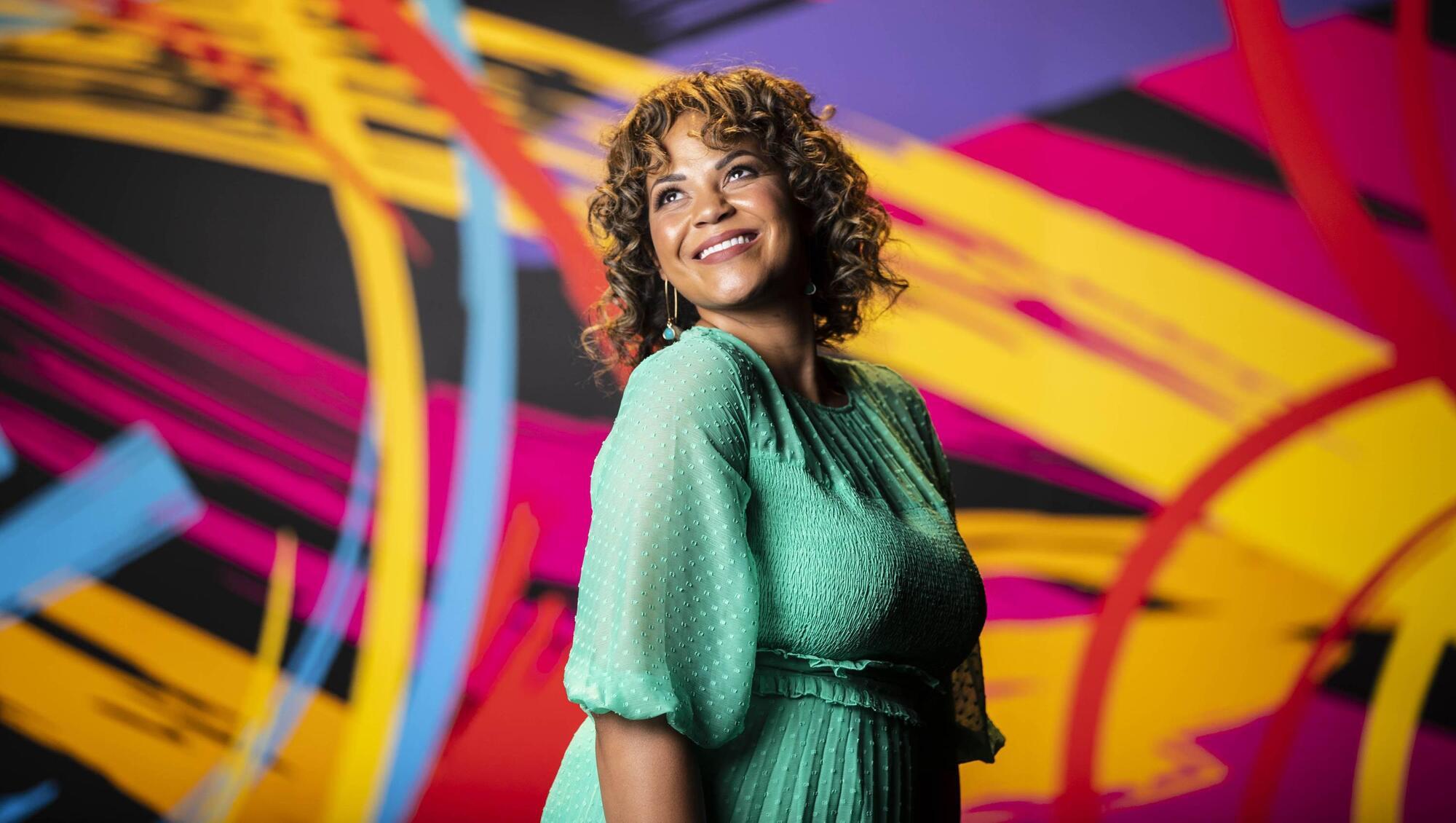
Emer O'Neill: "My name was graffitied over my estate, my house was egged and there was acid thrown on my neighbour’s car because they thought it was mine and that kind of stuff is very, very hard to ignore". Pic: Andres Poveda
In Ireland, more than half of girls participating in sport drop out by the time they’re 14. There are multiple reasons behind this depressing statistic and Emer O’Neill is on a mission to find out why.
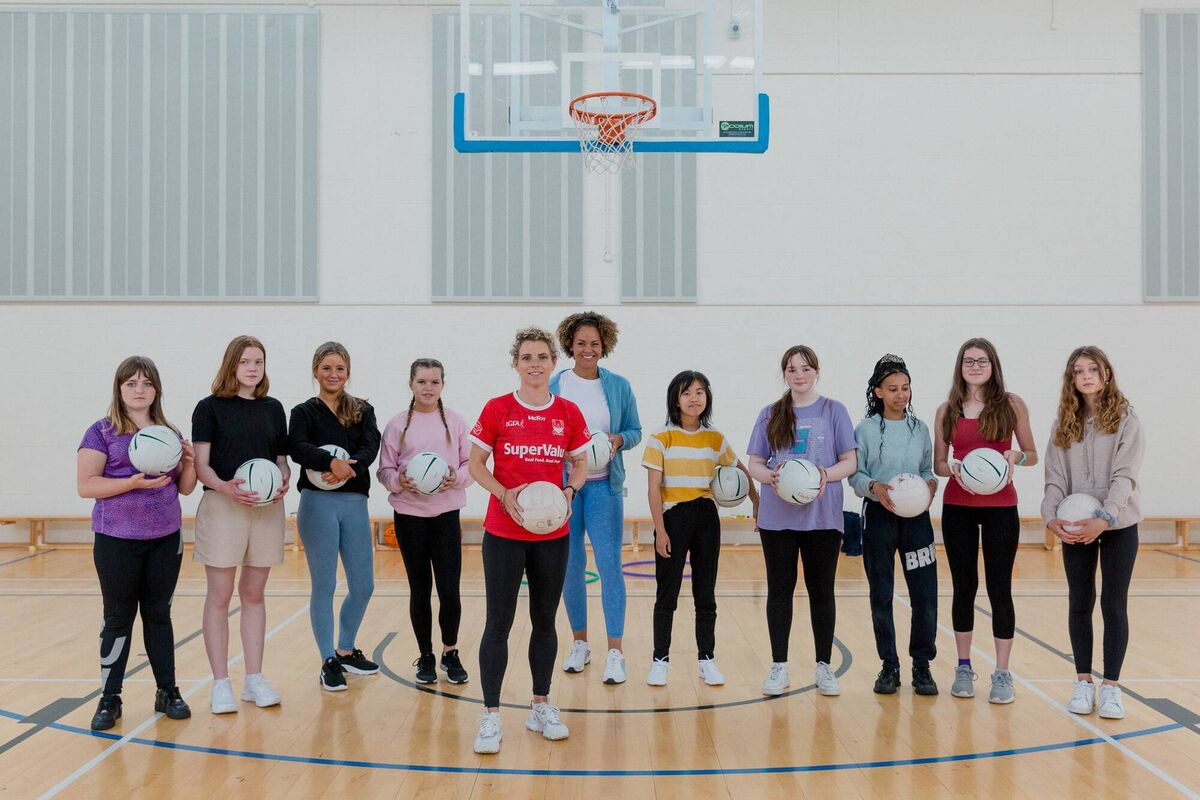
The TV presenter, PE teacher and Irish international basketball star has a new programme starting on RTÉ2 that examines those reasons. She takes nine girls, who have either never taken part in sport, or once did but dropped out, and brings them on a journey of discovery.
It’s a very good programme, nothing is off the table: they talk about puberty, bullying, crop tops, cliques, team sport versus solo sports, smelly dressing rooms, spray tans — the full nine yards. And behind it all are nine funny, talented, enthusiastic, sweet and, yes, sporty girls.
“They got on so well. When we were picking them, we wanted a group that maybe wouldn’t naturally be all friends if they were in the same room,” Emer tells me.
“I think it was a really nice experience for them. The realisation that there are so many different types of people out there and that you shouldn’t write somebody off just because you think you’ll have nothing in common with them.”
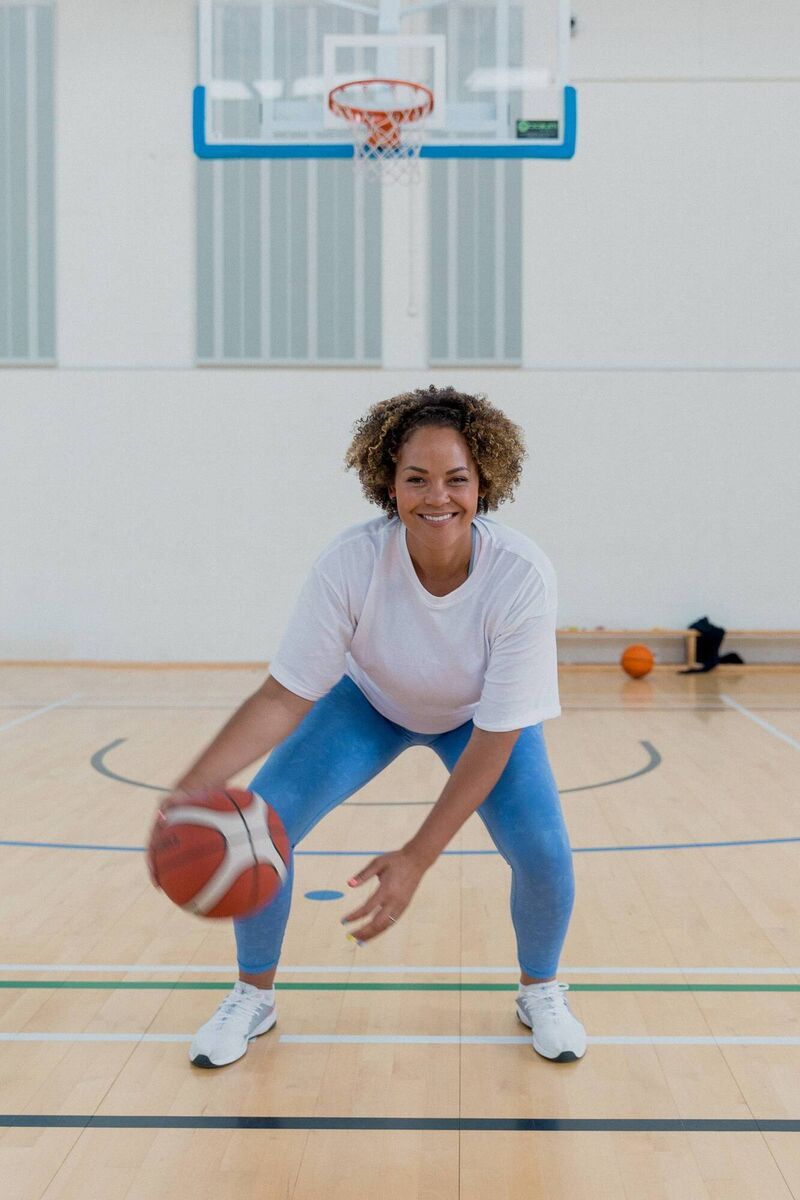
Assembling the girls for a two-week sports camp was key to Emer’s plan.
“I wanted to try to figure out why girls are quitting, what’s happening there. In primary school, the levels of participation are still low, but they’re much, much higher than they are in secondary school where they just drop off a cliff. I’ve been teaching for 13 years and I see it all the time. I’ll have a girl come to me and say that they’ve talked it over with their parents and because they’re coming into their Junior Cert year, they’re going to quit basketball or athletics. It’s just so heart-breaking.
"They would have worked really hard for first year and second year and then they pack it all in in third year and if they stop it then, they’re not going to pick it back up in fourth and fifth, they’re just not.
“I always want to tell them that quitting is the worst thing you can do around a time where you’re going to be stuck inside a lot and you’re going to be stressed. What you need more than anything at a time like that is camaraderie and teammates. It’s good for your mental health that you’re keeping your serotonin levels up and your endorphins going, and movement actually improves your retention of information.
"I don’t think people put that together, you know, so I’m always heartbroken to hear that young girls feel like, because of school or because of academics, that they need to stop doing the sports side of things. But I also think that the academic excuse is just one part of it.”
‘If you see it, you can be it’ has proven to have a huge impact on young women. In one episode, one of the girls says she can name male rugby and soccer players but no female ones.
Representation was so important to the team behind this docuseries that it was shot, directed, and fully crewed by an all-female crew, with female sports stars front and centre.
“There’s a huge need for change. We are slowly seeing it happen. We have women’s sports on TV and equal pay and it’s so important because ultimately it’s a real kick in the face to girls and women to not be seen as equals. I played basketball in college and there could be nobody in the stands for our games and then as soon as we were finished, people would be [filling the place to] the rafters for the men’s games and it was just a really obvious, ‘you-don’t-matter’ kind of statement and it’s hard. You worked as hard as they do. You train as many hours as they do, but you don’t ever seem to get the acknowledgement in the same way and that’s really tough.”
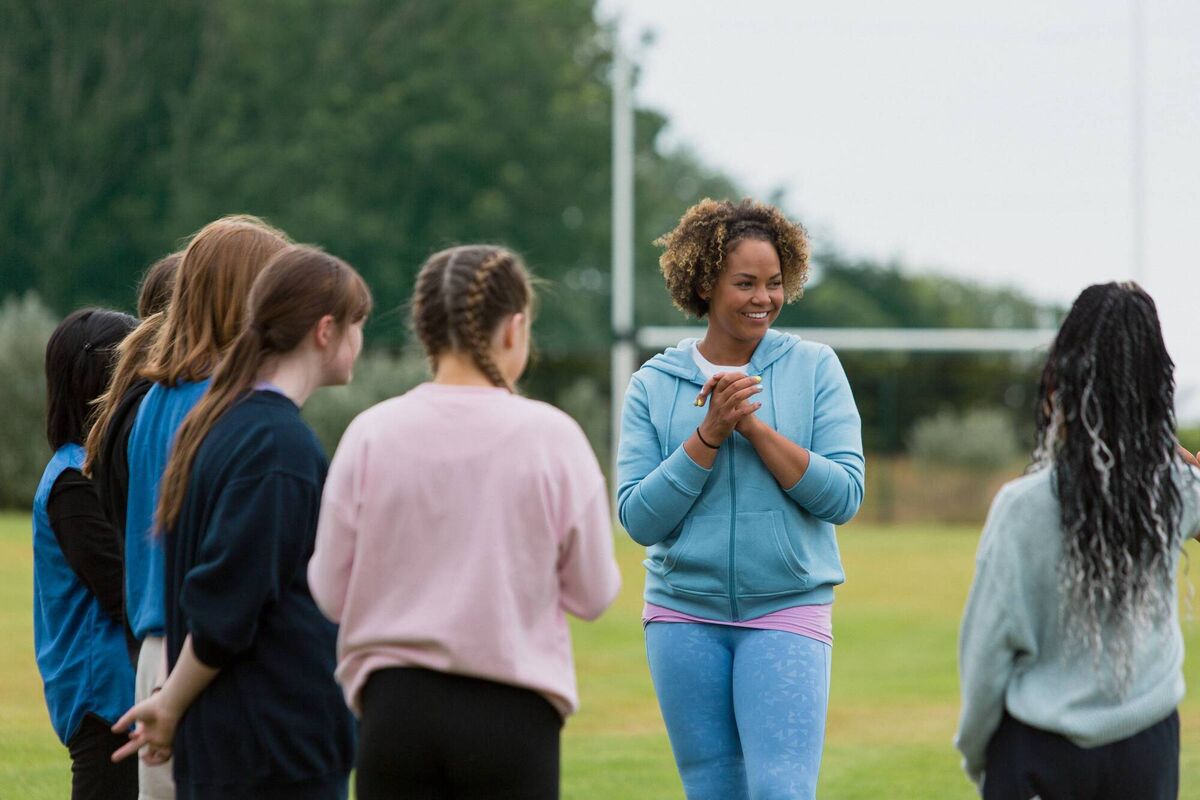
As a PE teacher in a mixed school, Emer has seen girls left behind and has tried to combat it in every way she can.
“I generally would have to put in different rules to ensure the girls are included, things like, ‘OK lads, you can’t score until at least two girls have touched the ball because otherwise the girls would be bypassed. It’s no wonder you wouldn’t have confidence in your abilities when you have other people in your class telling you that you can’t catch or throw, or you ‘throw like a girl’. That definitely has an impact on confidence and slowly but surely you start to believe those things.
"I would always say to the lads, you’re in first-year now, chances are you’re going to be with each other all the way up to sixth-year and in each other’s class in PE and if you don’t pass to the girls because you think they can’t catch or can’t throw, how do you think they’re going to get any better if you’re not including them in the game? Work with them, help each other and you’ll see those improvements instead of trying to ostracise them.”
Emer has taken a break from teaching to work on her TV career (formerly on Home School Hub and is a regular presenter on the Today Show) and her activism.
She has spoken many times about what it was like to grow up as a mixed-race girl in Ireland and the abuse she faced. That abuse hasn’t gone away and is something discusses on the show.
“I’ve had my fair share of online abuse because of my activist work so I can tell you, it’s very easy to say to somebody, ‘Oh just ignore it, it’s not true, you’re a good person, what they’re saying is lies’. But you know, ‘sticks and stones can break my bones, but words will never hurt me,’ is not always true. At the end of the day we are human, and it hurts.
“I get online stuff and there was stuff that happened in in my hometown, so that was very hard to ignore. My name was graffitied over my estate, my house was egged and there was acid thrown on my neighbour’s car because they thought it was mine and that kind of stuff is very, very hard to ignore.
“But if they thought it would stop me or silence me it had the opposite effect to be honest. It put a fire under my ass to talk more racism in Ireland. Obviously, it’s not easy and I do have down days and days where I say I’m tired, I’m exhausted but there are so many people in Ireland who are so supportive of me and that makes a big difference.
"When all of that happened, I got emails, handwritten letters, messages on Instagram and Facebook from people I don’t know but who were so sorry for what happened. It gave me so much strength to know that so many people had faith in what I was doing and that other kids like me that are mixed were seeing somebody like them for the first time on their television screens. I was actually having a hand in making a difference to them. There are no real words for that.”
Like seeing women in sport, seeing diversity in our media is important and Emer is passionate about explaining why we need things to change: “The whole point of what I do is to try and help people see that it’s there because, once you see it, you’ll never unsee it again. Once you see the systemic racism that occurs daily in Ireland, you won’t forget it.
“Just turn on your TV and scroll the Irish channels and come back to me about diversity. Go turn on an Irish radio station and come back to me about diversity. Open up a newspaper or a magazine and come back to me about diversity.
"Then turn it around and put yourself in that person’s shoes and imagine that for every white person you see on TV or white person on the radio just make them a black person all of a sudden and see what that feels like. Then it really hits home. Once you see it and realise what it’s like, you’ll understand that it’s actually really shit.”
- Keep it Up kicks off on Tuesday, May 3 and Thursday, at 5pm RTÉ2 & RTÉ Player — airing Tuesdays and Thursdays for three consecutive weeks
CONNECT WITH US TODAY



Be the first to know the latest news and updates